



Innovative Food Matching Platform Tackles Child Poverty and Waste in Japan
Bridging Gaps: The Launch of the Sutenasu Platform
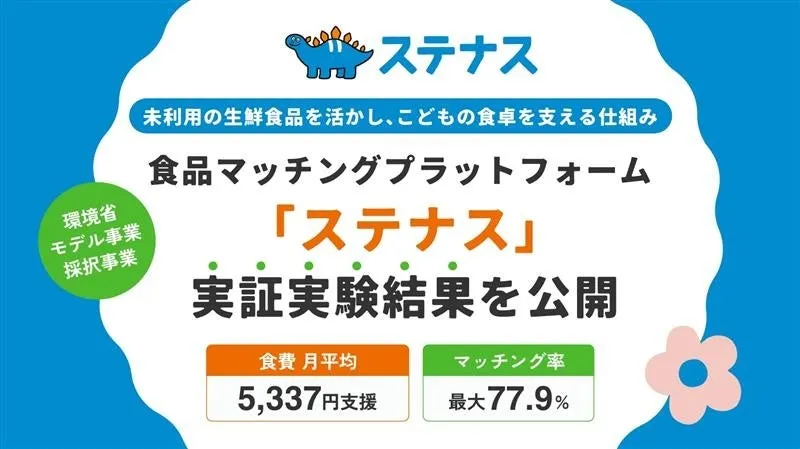
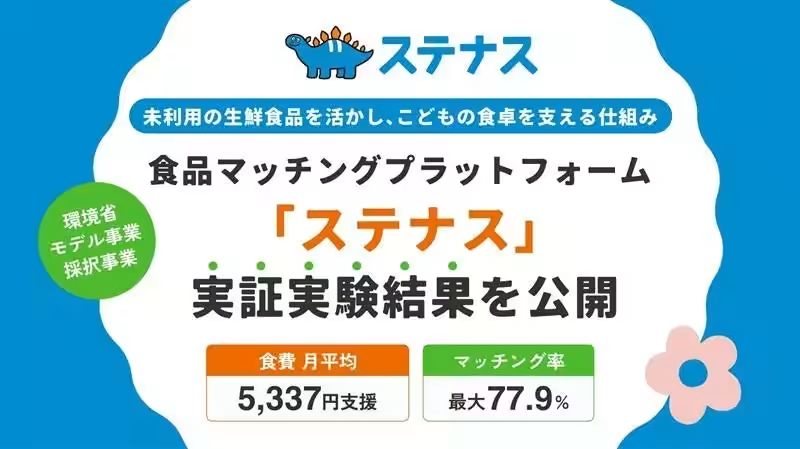
In an effort to tackle two significant societal issues—food waste and child poverty—Nessu Co., based in Setagaya, Tokyo, has launched an innovative food matching platform called Sutenasu. Collaborating with Life Corporation, Tokyu Store, and the Sustainable Food Chain Council, this initiative aims to connect surplus fresh food with families in need, enhancing food security for children across Japan.
The Sutenasu project was recognized by the Ministry of the Environment as a model initiative for reducing food waste through consumer behavior changes. From October 6 to November 30, 2025, the platform conducted a pilot program aimed at promoting a sustainable food cycle.
Key Benefits of the Program
The program has yielded promising results, showcasing its potential to bridge the gap in access to nutritious food for children:
1. Family Financial Relief: The average monthly savings for participants sits at ¥5,337, roughly 8.5% of the average food budget for single-parent households, thus aiding their disposable income.
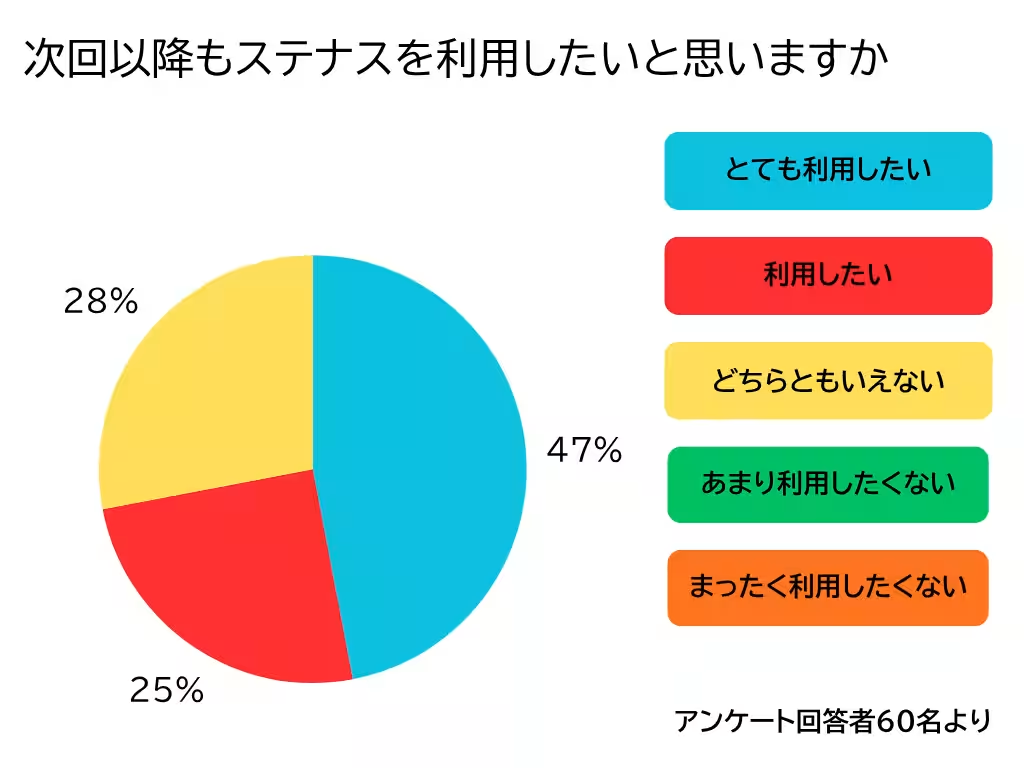
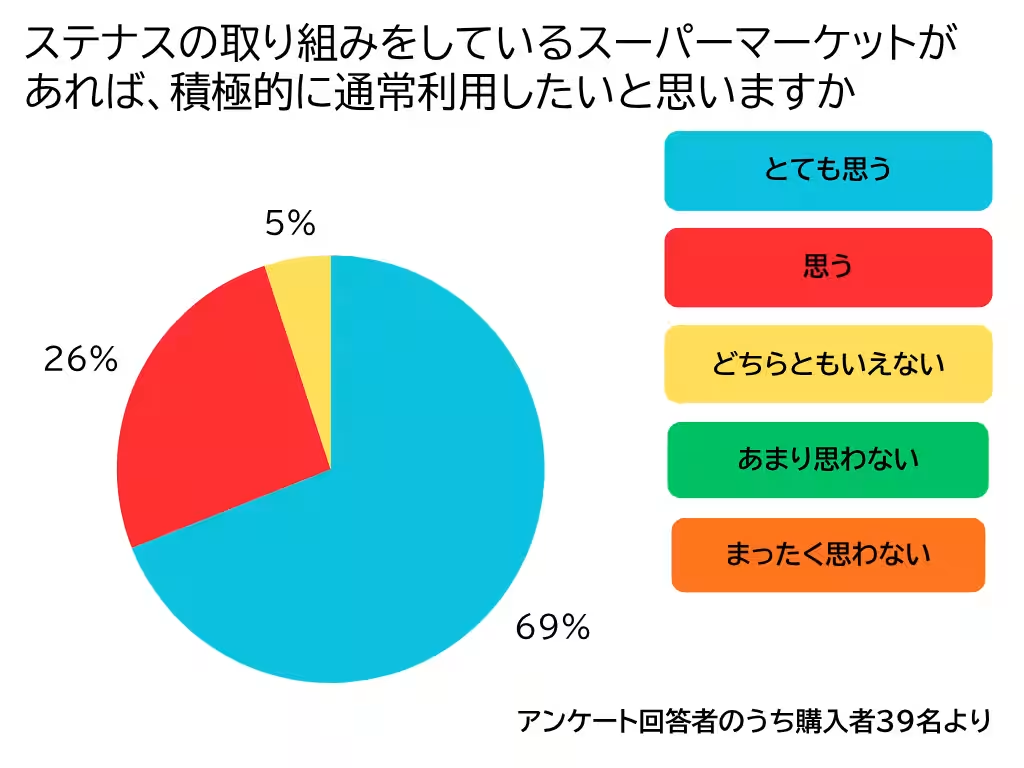
2. Increased Store Loyalty: An impressive 95% of users expressed interest in returning to the participating stores regularly, indicating that engaging in social responsibility can foster greater customer loyalty.
3. High Matching Rates: At Life’s Nishikamata store, the platform recorded a matching rate of 77.9% for surplus food, hinting at successful strategies that could be replicated elsewhere.
The Current Landscape of Children’s Meals
According to recent statistics, about 9% of children in Japan live in relative poverty, with this figure climbing to nearly 50% among single-parent households. During school holidays, especially weekends without access to school lunches, one-third of children consume less than two meals a day. The disparity in meal frequency and nutritional access due to varying family situations is a pressing issue that needs addressing.
The Retail Challenge: Overcoming Fresh Food Waste
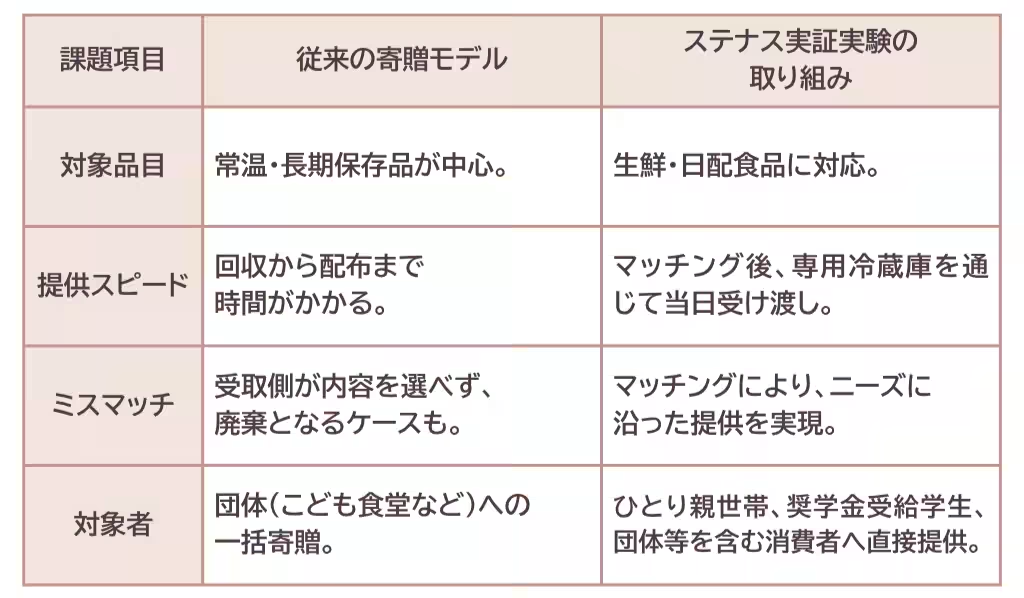
Japan’s grocery industry generates around 480,000 tons of food waste annually. Several entities are trying to redirect usable but unsellable food items to child welfare initiatives, such as food banks. Unfortunately, due to existing logistical hurdles, perishable fresh foods often go to waste. The Sutenasu platform addresses this issue by facilitating real-time connections between retailers and families in need, allowing unsold fresh goods to be offered at a discounted price when still viable.
The Experiment's Design and Outcome
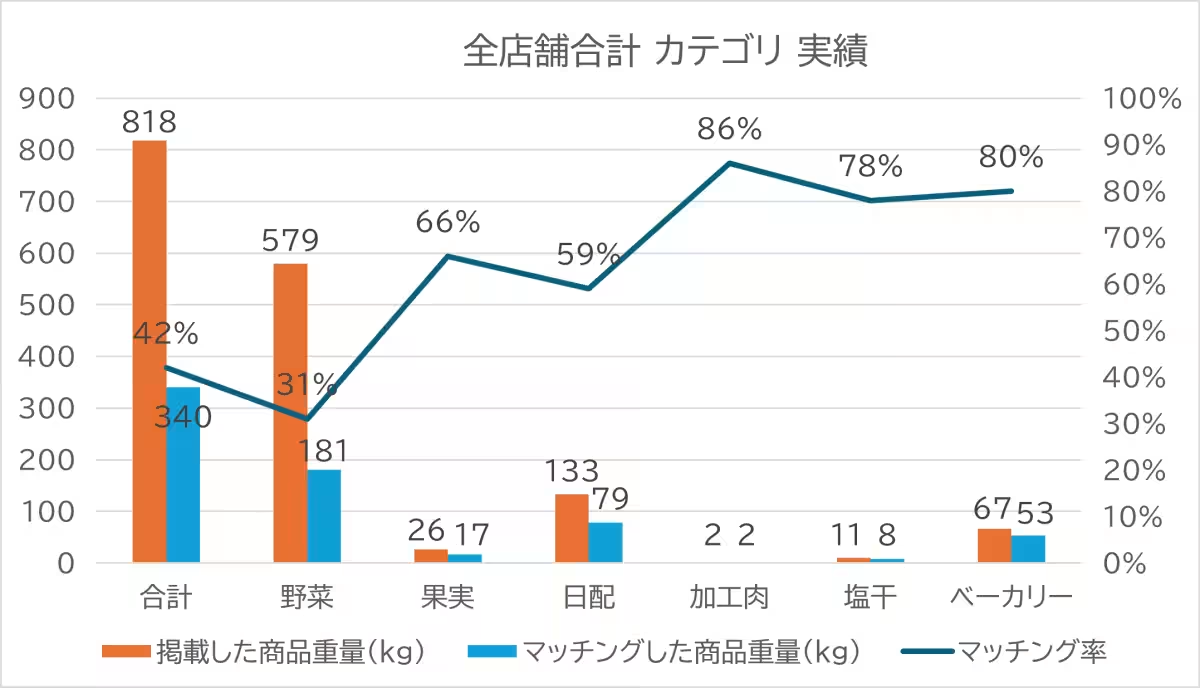
The Sutenasu initiative had operational participation from select Life and Tokyu Store locations, where products that no longer met sellable standards were offered at 60-75% off regular prices. Households qualifying for social assistance or scholarships received further discounts. Over the period of the pilot experiment, 428 individuals registered, with 82 making purchases. The findings indicate that matching platform listings resulted in an average of 42% of goods being successfully allocated, with impressive results for certain items like in-store bakery products hitting a matching rate of 86%.
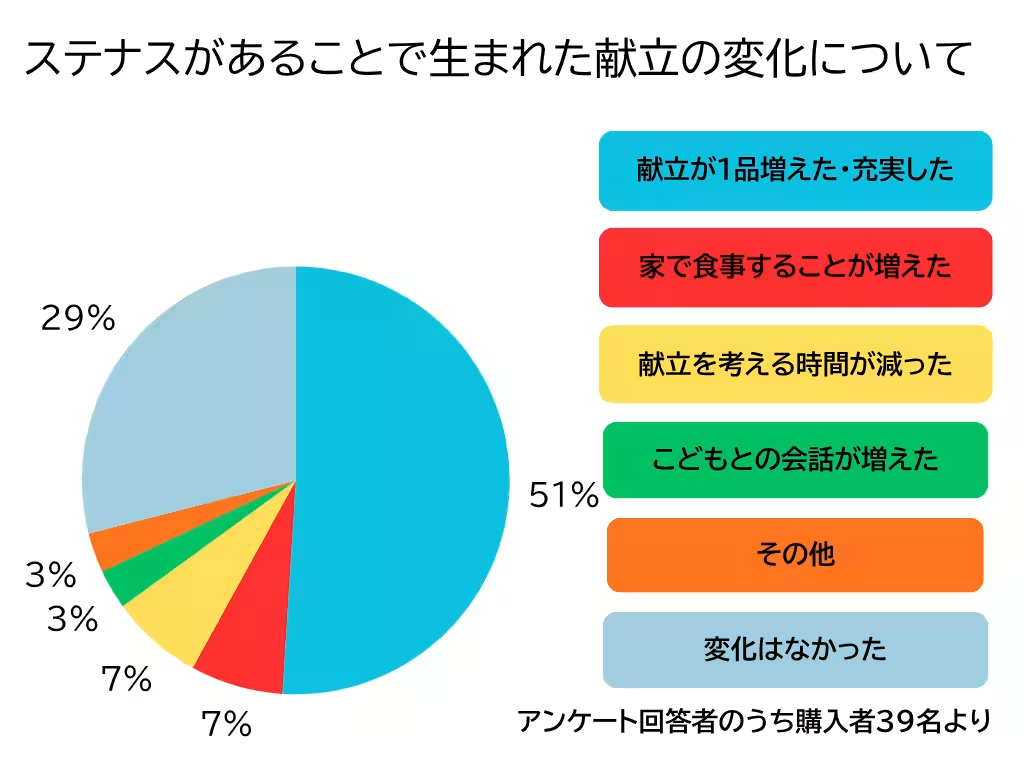
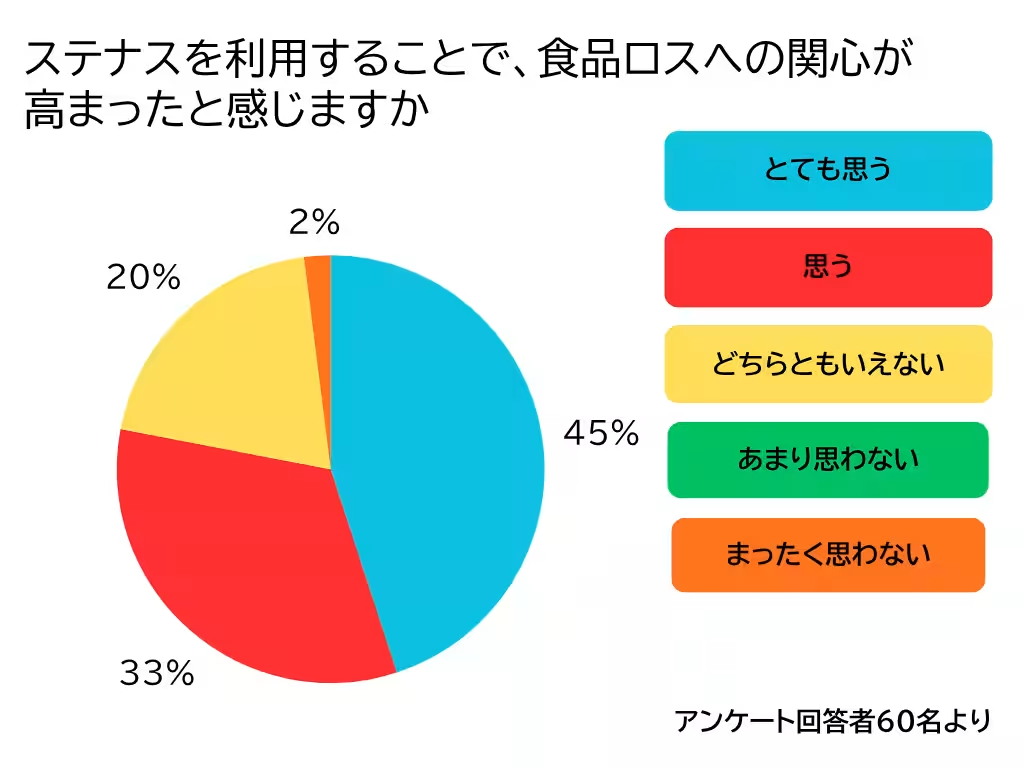
Beneficiaries reported meaningful changes in their eating habits and overall family dynamics due to their ability to procure fresh, nutritious foods. Feedback included increases in the variety of meals prepared, which boosted children’s enjoyment of food and family dining experiences. Notably, 78% of respondents acknowledged a heightened awareness regarding food waste and a commitment to reducing it, indicating a positive shift in consumer behaviors.
Future Aspirations
As the primary pilot drawn to `Sutenasu` concluded, customer feedback has affirmed the need for continuation and expansion. The initiative will persist in existing locations while striving to improve matching rates and user experience by enhancing product variety and streamlining service accessibility.
Nessu Co. aims to replicate the success of the Nishikamata store model in other locations while establishing a sustainable business model that bridges the gap between food producers, retailers, and families in need. By fostering community collaboration and leveraging innovative approaches, the Sutenasu project seeks to unfold new opportunities for addressing food insecurity among children across Japan.
For more details, visit the official Sutenasu website here.
About Nessu Co.
Founded on June 10, 2022, Nessu Co. strives to eliminate disparities in opportunities for children arising from their environments. Through partnerships with various stakeholders, the organization endeavors to create impactful solutions that benefit children facing disadvantages, ultimately fostering an inclusive community for all.
Topics Consumer Products & Retail)
【About Using Articles】
You can freely use the title and article content by linking to the page where the article is posted.
※ Images cannot be used.
【About Links】
Links are free to use.