



Shifting Perspectives: Young Workers' Views on Ideal Bosses in 2023
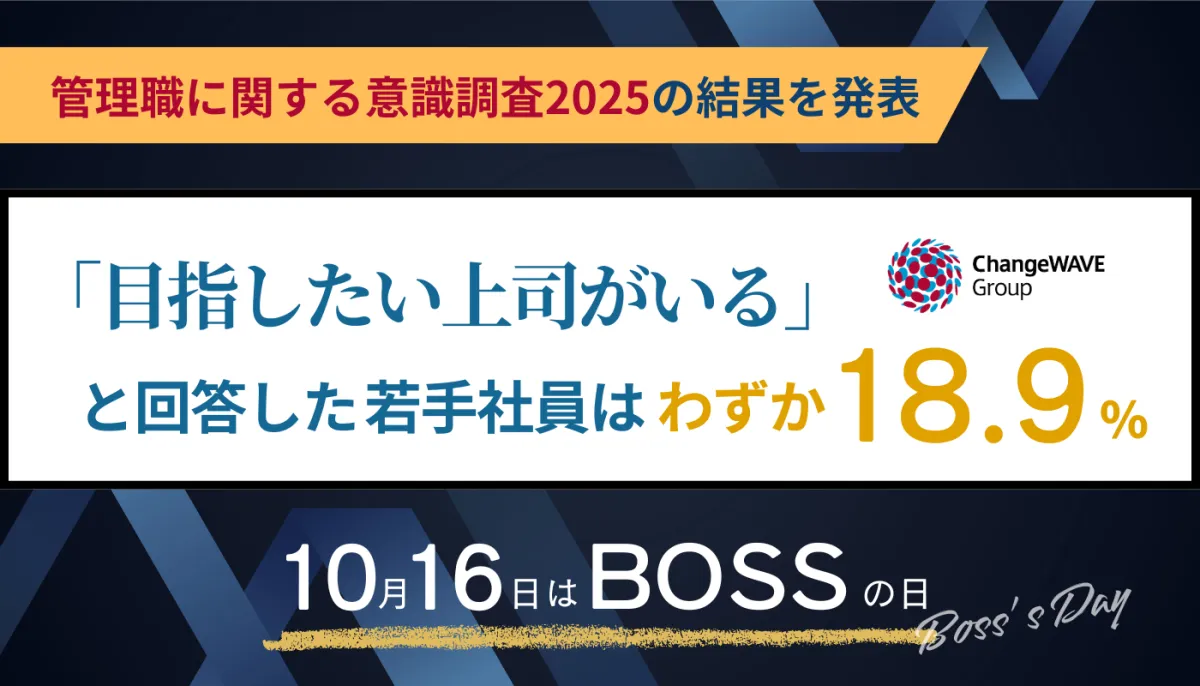
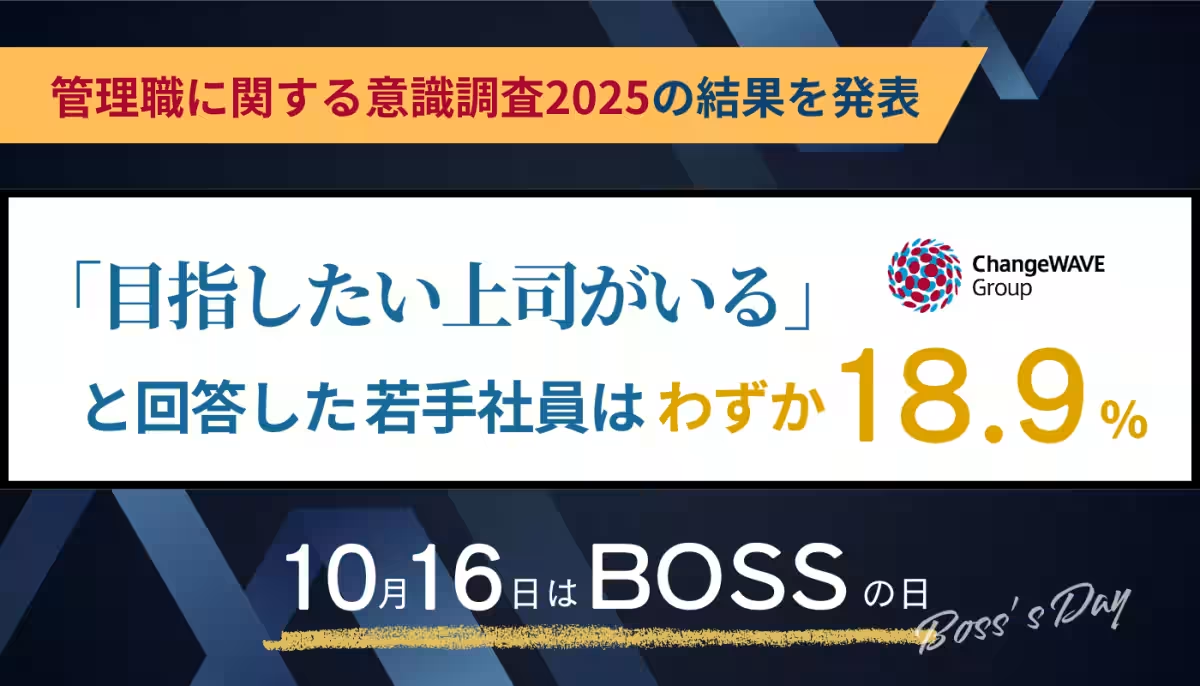
In today's ever-evolving workplace landscape, young professionals aged 25 to 34 are re-evaluating their perceptions of ideal management. A recent survey conducted by Change Wave Group, timed with Boss’s Day on October 16, has shed light on these shifting ideals. Shockingly, only 18.9% of young employees responded affirmatively when asked if they had a boss whose success they aspire to replicate. This statistic underscores a growing disconnect between emerging workforce expectations and traditional managerial styles.
The survey, aptly named "Managerial Consciousness Survey 2025", aimed to clarify the type of management that today’s younger employees seek. Beyond simply achieving results, there’s a notable desire for leadership that prioritizes empowering others. A considerable segment of respondents highlighted the importance of trust-building, productive support, and constructive dialogue in defining their ideal boss character.
To understand the significance of this survey, one must recognize the historical context of Boss’s Day. Initiated in 1958 by Patricia Bays Haroski, this day was conceived as a way to celebrate and improve employer-employee relationships. While gratitude is a cornerstone of Boss’s Day, it also serves as a reflective occasion for evaluating contemporary managerial effectiveness and expectations.
1. Perception of Boss Effectiveness:
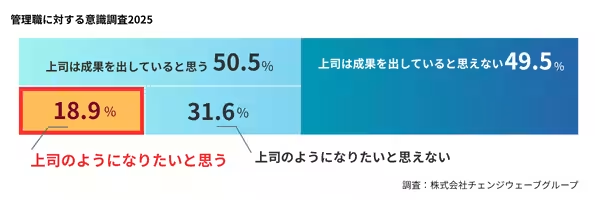
- 50.5% of young employees believe their bosses are achieving results.
2. Aspiration Toward Current Bosses:
- Only 18.9% aspire to emulate their current bosses, while 31.6% respect their bosses' achievements but do not wish to imitate their management styles.
3. Reasons for Discontent:
- The most prominent reason for the lack of aspiration is the perception of outdated work practices, including excessive working hours and resistance to digital transformation. Notably, some female respondents expressed disappointment over the absence of female leadership figures to aspire to.
The ideal boss according to the survey respondents encompasses various traits, including:
Qualitative comments from respondents shine further light on the qualities they respect in their current bosses. Male respondents praised their bosses for being approachable and knowledgeable, which fostered their interest in management roles. Meanwhile, female comments highlighted the importance of work-life balance and clear communication, with some citing specific female leaders who serve as role models, particularly in balancing career and family responsibilities.
The survey results also indicated a significant correlation between managerial actions and young employees' drive for growth. The willingness of managers to adopt a supportive approach, promoting openness to diverse opinions, and encouraging innovative risk-taking environments, are paramount. This treatment not only fosters greater employee engagement but also leads to a more motivated workforce.
The findings of this survey signal an imminent shift away from traditional, results-driven managerial approaches. Instead, there is an increasing expectation for leaders to foster an environment that values people and adaptability. For businesses, embracing supportive management strategies and fostering an inclusive workplace is essential to attract and retain talent. Change Wave Group promotes management transformation programs targeting unconscious bias assessment, diversity leadership practices, and fundamental management training to cultivate these necessary changes.
Survey Context and Findings
The survey, aptly named "Managerial Consciousness Survey 2025", aimed to clarify the type of management that today’s younger employees seek. Beyond simply achieving results, there’s a notable desire for leadership that prioritizes empowering others. A considerable segment of respondents highlighted the importance of trust-building, productive support, and constructive dialogue in defining their ideal boss character.
The Importance of Boss’s Day
To understand the significance of this survey, one must recognize the historical context of Boss’s Day. Initiated in 1958 by Patricia Bays Haroski, this day was conceived as a way to celebrate and improve employer-employee relationships. While gratitude is a cornerstone of Boss’s Day, it also serves as a reflective occasion for evaluating contemporary managerial effectiveness and expectations.
Key Survey Insights
1. Perception of Boss Effectiveness:
- 50.5% of young employees believe their bosses are achieving results.
2. Aspiration Toward Current Bosses:
- Only 18.9% aspire to emulate their current bosses, while 31.6% respect their bosses' achievements but do not wish to imitate their management styles.
3. Reasons for Discontent:
- The most prominent reason for the lack of aspiration is the perception of outdated work practices, including excessive working hours and resistance to digital transformation. Notably, some female respondents expressed disappointment over the absence of female leadership figures to aspire to.
Characteristics of Desired Bosses
The ideal boss according to the survey respondents encompasses various traits, including:
- - Trust-Building Ability (37.6%): More importantly noted by female respondents (49.1%) compared to their male counterparts (32.4%).
- - High-Productivity Work Ethic (35.2%): A consistent value among all genders.
- - Supportive Leadership Style (32%): Women specifically desire leaders who foster a nurturing environment.
- - Strong Communication Skills (32%): Emphasizing the necessity of dialogue in management.
Aspiration Statements
Qualitative comments from respondents shine further light on the qualities they respect in their current bosses. Male respondents praised their bosses for being approachable and knowledgeable, which fostered their interest in management roles. Meanwhile, female comments highlighted the importance of work-life balance and clear communication, with some citing specific female leaders who serve as role models, particularly in balancing career and family responsibilities.
Correlation Between Boss Interaction and Employee Growth
The survey results also indicated a significant correlation between managerial actions and young employees' drive for growth. The willingness of managers to adopt a supportive approach, promoting openness to diverse opinions, and encouraging innovative risk-taking environments, are paramount. This treatment not only fosters greater employee engagement but also leads to a more motivated workforce.
Conclusion: A Call for Change in Management Styles
The findings of this survey signal an imminent shift away from traditional, results-driven managerial approaches. Instead, there is an increasing expectation for leaders to foster an environment that values people and adaptability. For businesses, embracing supportive management strategies and fostering an inclusive workplace is essential to attract and retain talent. Change Wave Group promotes management transformation programs targeting unconscious bias assessment, diversity leadership practices, and fundamental management training to cultivate these necessary changes.
About the Survey
- - Title: Managerial Consciousness Survey 2025
- - Method: Online questionnaire
- - Participants: 334 young employees aged 25 to 34 from large companies with over 500 employees
- - Conducted by: Change Wave Group, June 2025
Topics People & Culture)



【About Using Articles】
You can freely use the title and article content by linking to the page where the article is posted.
※ Images cannot be used.
【About Links】
Links are free to use.