


Exploring the Masterpieces of Ekin: Genius of Tosa in the Bakumatsu Era
Explore the World of Ekin
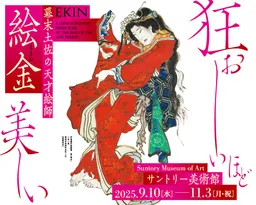
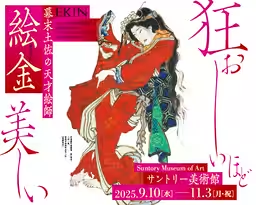
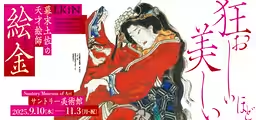
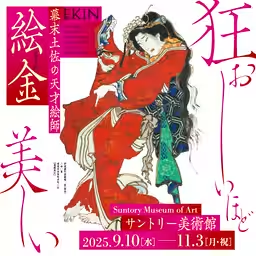
From September 10 to November 3, 2025, the Suntory Museum of Art in Roppongi, Tokyo, will hold a special exhibition titled "Ekin: The Genius Painter of Tosa in the Bakumatsu Era." This captivating showcase will highlight the works of Kinzo (1812-1876), a celebrated painter born in Kochi. Renowned for his elaborate theater paintings, Ekin's artworks continue to enchant audiences with their vibrant colors and intricate storytelling.
Ekin, fondly known as Ekin-san by the locals, established his reputation during Japan's Bakumatsu era, crafting numerous shibaie byobu (theater folding screens) that encapsulate the dramas of kabuki and joruri (Japanese puppet theater). These screens are notable for their striking hues and dynamic composition, making them stand out in the landscape of contemporary Japanese art. Today, during summer festivals, these byobu are showcased under the eaves of shrines and shopping streets, illuminated by lanterns and candles, leaving a lasting impression on all who witness them.
The revival of Ekin's legacy began in earnest in 1966 when he was featured in the magazine Taiyo. His works inspired not only novels but also theatrical productions and films, igniting a cultural resurgence in the late 20th century, particularly around 1970, when exhibitions were held in major department stores in Tokyo and Osaka. Retrospective exhibitions in 1996 and 2012 at the Kochi Prefectural Museum of Art further solidified his place in the art world, although many of Ekin's byobu remain hidden in local shrines and community centers, creating a scarcity of opportunities to view them collectively.
In recent years, new initiatives such as the Ekin Building in Akoka Town, Kōnan City, and the Actland (now Act Museum) art gallery in Noichi Town have emerged to reevaluate and preserve Ekin's works. This exhibition in Tokyo is unprecedented, being the first large-scale showcase of Ekin's work in the city in over fifty years. The exhibition will also travel to Abeno Harukas Art Museum in 2023 and Tottori Prefectural Museum in 2024.
The Suntory Museum of Art operates under the principle of
Topics Entertainment & Media)

【About Using Articles】
You can freely use the title and article content by linking to the page where the article is posted.
※ Images cannot be used.
【About Links】
Links are free to use.