




Understanding the Growing Threat of Ransomware: Analyzing Awareness Gaps
Understanding the Growing Threat of Ransomware: Analyzing Awareness Gaps
Ransomware attacks continue to escalate globally, posing a severe threat to both individuals and organizations. A recent survey conducted by OKWAVE, a leading community service provider based in Tokyo, aimed to explore the reality of ransomware intrusion routes and the awareness levels of security measures among general users. The survey included responses from 500 individuals and revealed a critical gap in perceptions between businesses and personal users.
Background of the Survey
The rise in ransomware incidents reflects a broader pattern of cyberattacks affecting organizational operations significantly. As a result, there has been increasing activity in the Q&A community on OKWAVE, where users express concerns such as, "I might have contracted a virus," "I received an unfamiliar bill," or "Which security software should I use?" This growing anxiety underscores the relevance of understanding and addressing these concerns.
The survey was conducted in two parts: analyzing recent incidents of ransomware affecting domestic and international businesses and surveying 500 general users about their security awareness. This dual approach aimed to shed light on the gap in recognition of intrusion routes and defense mechanisms.
Key Findings of the Survey
Major Threats to Corporations
The survey revealed that the most concerning intrusion routes for businesses are vulnerabilities in VPNs and Remote Desktop Protocol (RDP). Roughly 75% of ransomware attacks stem from these areas—45% from VPN vulnerabilities and 30% from RDP issues. As telework becomes more common, these infrastructures have been increasingly exposed, making them attractive targets for cybercriminals.
Awareness Among General Users
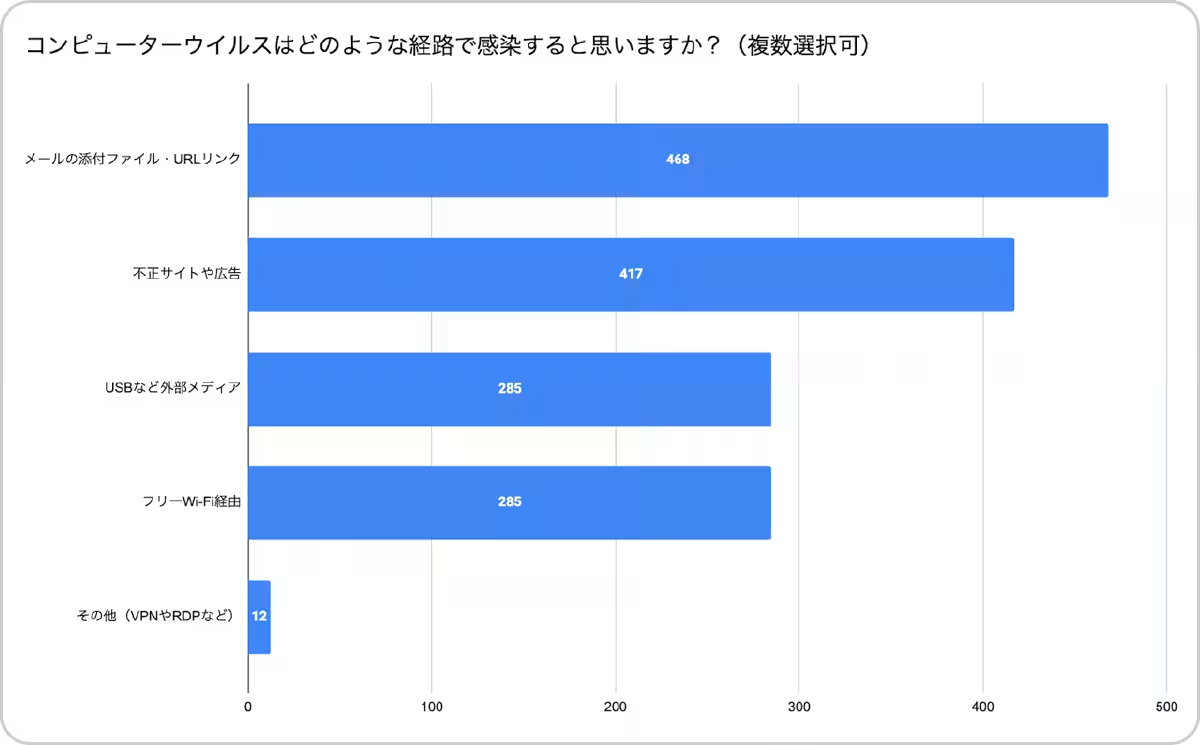
Contrastingly, general users identified email as the primary vector for potential threats, with approximately 90% attributing virus infections to email attachments or URLs. Only 20% recognized VPN and RDP vulnerabilities as significant threats despite these being the main entry points for ransomware attacks on businesses.
Understanding of Ransomware
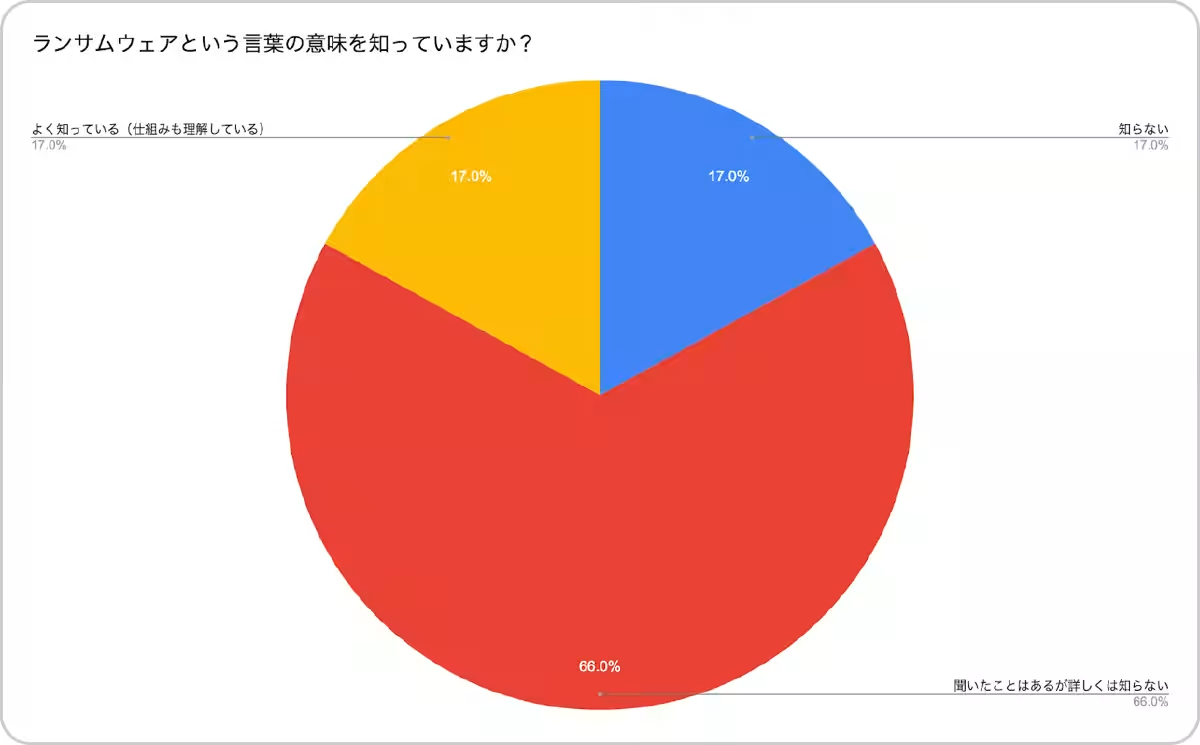
While about 80% of individuals are aware of the term "ransomware," only 20% adequately understand its mechanisms. This suggests a substantial gap in the public's grasp of the specific nature of these threats.
Anxiety vs. Action
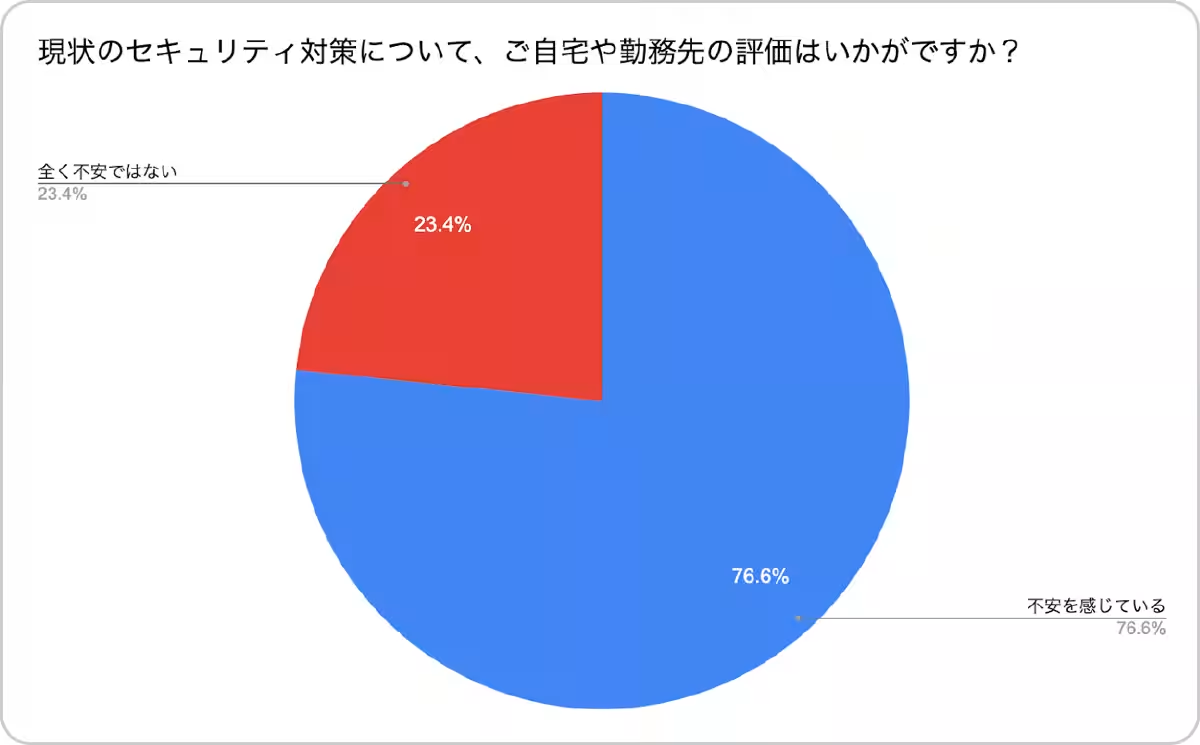
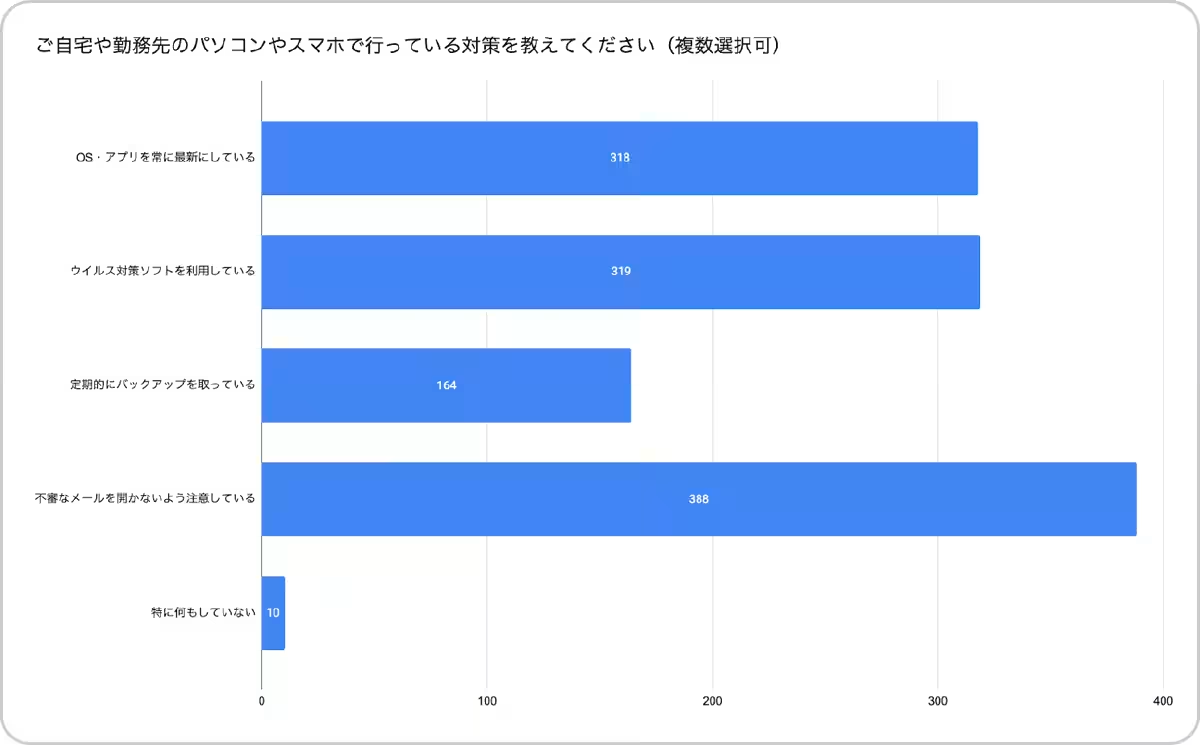
Despite 80% of users expressing concerns about security threats, basic preventative measures are notably lacking. About 60% actively use antivirus software, and merely 30% maintain regular backups—a stark contrast to the 80% who avoid opening suspicious emails. This indicates a worrying trend where fundamental defensive strategies are overlooked.
Gaps Between Awareness and Reality
This investigation highlighted significant differences between the realities of ransomware threats affecting organizations and the perceptions held by general users. Key observations regarding these gaps include:
- - Pathways: Businesses are primarily at risk through vulnerabilities in their systems, while individuals tend to focus primarily on email threats.
- - Preparations: Eighty percent of the population expressed concern over security; however, the implementation of essential backup strategies was shockingly low, with only 30% actively backing up their data, thus risking dire consequences in case of an attack.
The Four Pillars of Defense
For firms facing ransomware threats, a multi-layered approach to cybersecurity is vital. The report outlines four crucial strategies to mitigate the risks associated with ransomware attacks:
1. Entrance Defense: Strengthening defenses at the entry points, particularly focusing on the security of VPNs and RDPs through regular vulnerability management and the implementation of multi-factor authentication (MFA).
2. Device Protection: Companies must install reliable antivirus software and endpoint detection and response (EDR) systems to prevent malware from acting within their systems.
3. Human Factor Mitigation: Regular training sessions should be held to cultivate a culture of awareness among employees regarding suspicious correspondence, ensuring immediate reporting to IT departments.
4. Recovery Preparation: Acknowledging that attacks can occur, companies should establish robust backup mechanisms to minimize potential damage.
Conclusion
The survey reveals a stark disconnect between the realities of ransomware risks faced by companies and the perceptions of individual users. Alarmingly, this gap extends to the level of preparedness among users, where anxiety does not translate into actionable defense strategies. To effectively combat ransomware threats, businesses and individuals must establish comprehensive security protocols, including training and systematic backups. OKWAVE remains committed to addressing these pressing concerns through ongoing support and information sharing.
- ---

Topics Entertainment & Media)
【About Using Articles】
You can freely use the title and article content by linking to the page where the article is posted.
※ Images cannot be used.
【About Links】
Links are free to use.