



The Unexpected Impact of Social Media on Our Happiness: Survey Insights
Introduction
In today's digital age, social media has become an essential part of our daily lives, serving not only as a communication tool but also as a source of information, entertainment, and self-expression. However, with the rise of platforms like LINE, YouTube, Instagram, and X (formerly Twitter), concerns about their impact on mental well-being have grown. Recent research from the Jigyoka Group, a Tokyo-based company, sheds light on how our social media habits might be affecting our happiness.
The Survey and Its Findings
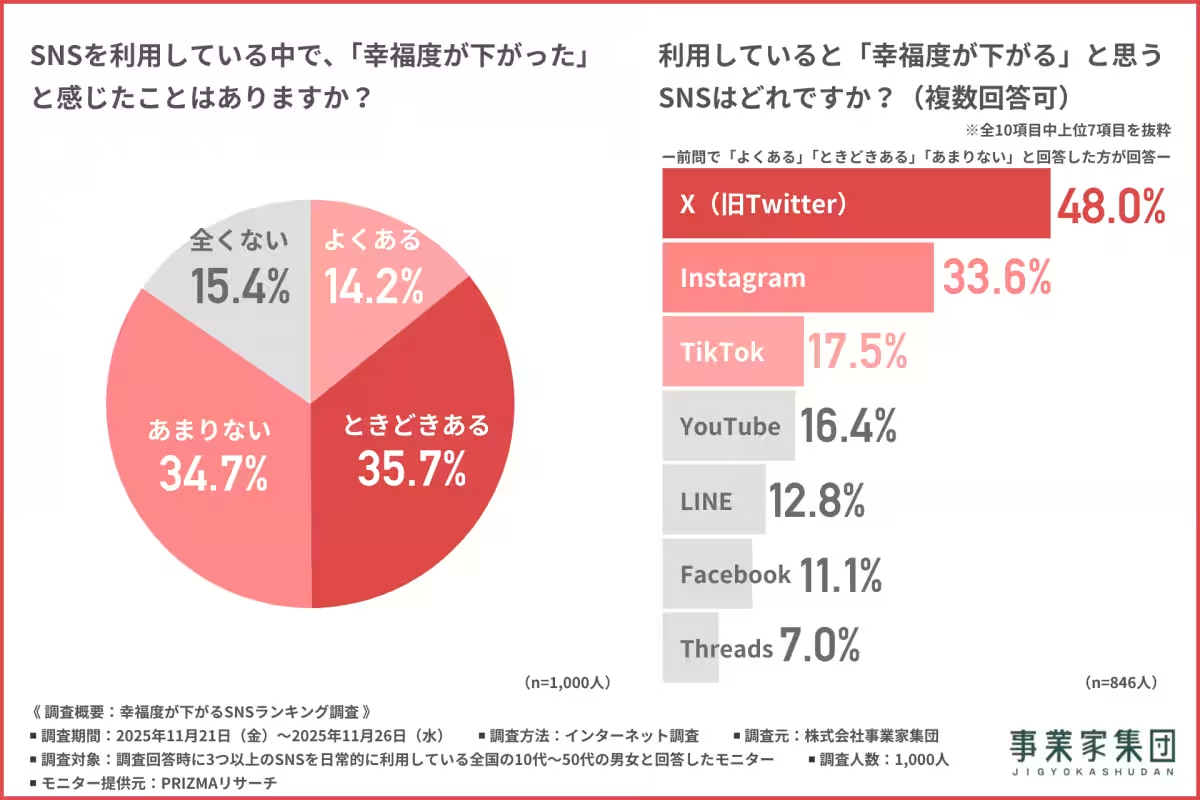
Conducted by Jigyoka Group, the survey aimed to gauge the relationship between social media use and self-perceived happiness. The results were startling—almost half of the 1,000 participants indicated that their happiness had declined due to social media interactions.
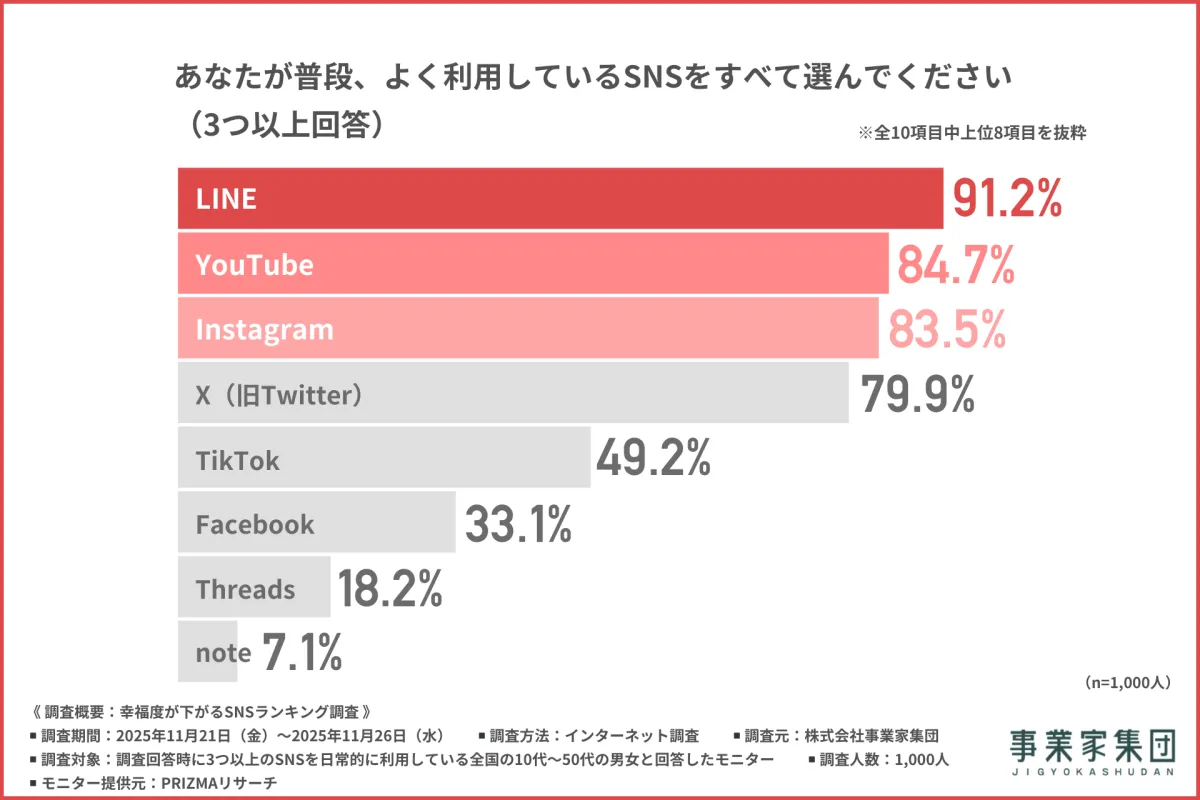
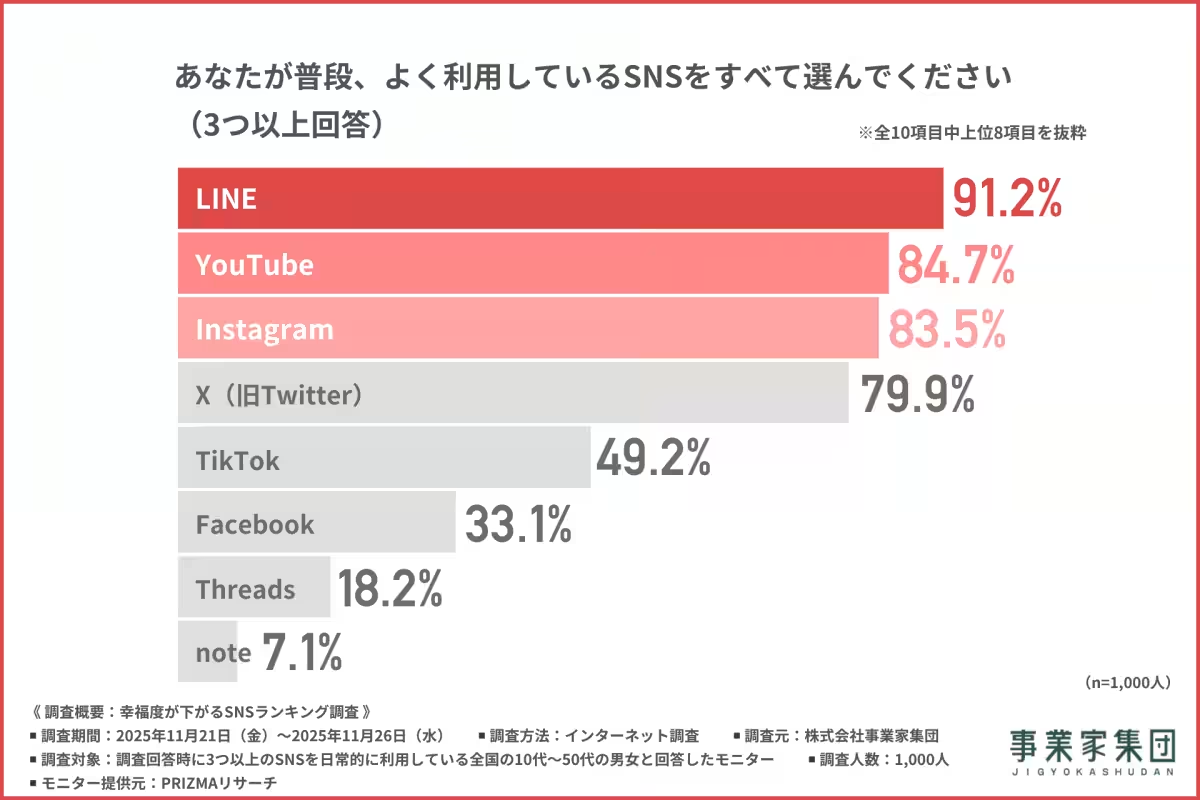
When asked about the social platforms they regularly used, LINE (91.2%) topped the list, followed by YouTube (84.7%), Instagram (83.5%), and X (79.9%). This high usage rate reflects a trend where individuals juggle multiple platforms simultaneously, potentially leading to increased feelings of inadequacy or frustration.
Social Media's Role in Diminishing Happiness
Digging deeper, the survey analyzed which platforms users believed contributed most to lowering their happiness. X emerged as the biggest culprit, with 48% of respondents identifying it as a negative influence, followed by Instagram (33.6%) and TikTok (17.5%). Results suggested that X is associated with a culture of negativity, comprising critical comments, unnecessary disputes, and misinformation. Participants cited frequent exposure to attacks on public figures and rampant hostility as major contributors to their declining happiness.
In contrast, Instagram was noted for its role in fostering envy and low self-esteem. Many respondents mentioned feeling inadequate when comparing their lives to the seemingly perfect highlights shared by others. This is particularly pronounced in scenarios of personal challenges, where posts depicting joy and success can result in stark contrast to one’s current feelings, exacerbating feelings of sadness.
TikTok, while perceived as an entertainment platform, was also linked to time wastage. Users reported the overwhelming flow of brief videos often led them to question how they spent their time, contributing to feelings of regret rather than pleasure.
The Balancing Act: Time and Emotion
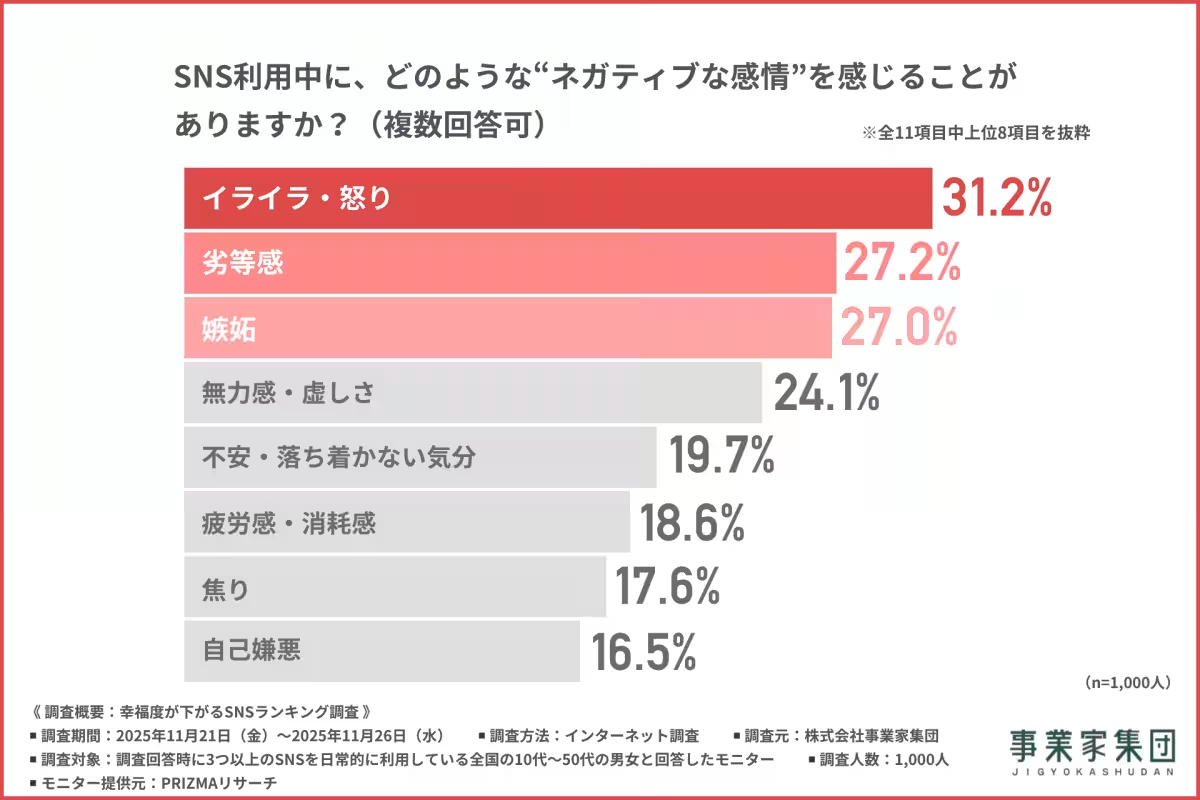
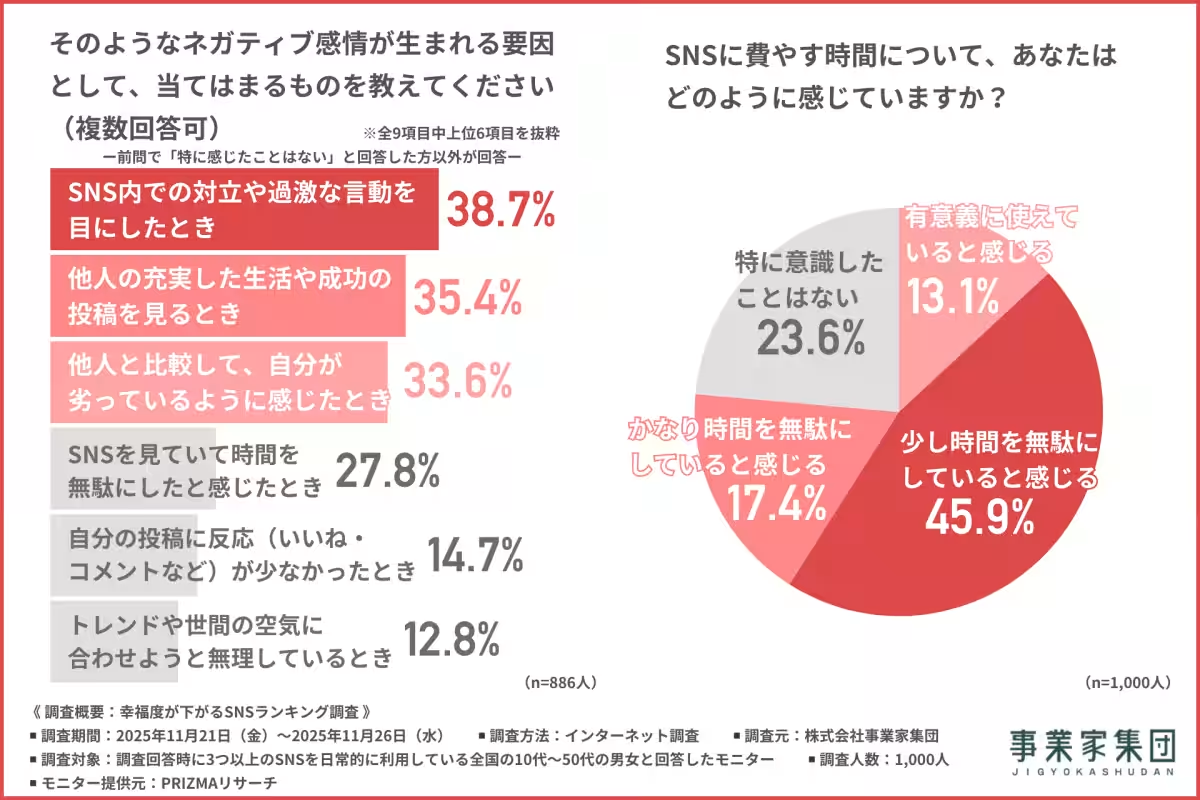
An alarming 60% of participants admitted feeling they wasted time on social media, with emotional tolls manifesting as irritation (31.2%), feelings of inferiority (27.2%), and jealousy (27.0%). This emotional rollercoaster of anger from witnessing negativity, combined with the sense of inadequacy from comparing oneself to others, creates a detrimental cycle for users.
When looking at factors that triggered these negative emotions, most pointed to witnessing conflicts, envy stemming from others’ apparent success, and the realization they wasted precious time scrolling through social media.
The Importance of Self-Comparison and Mental Health
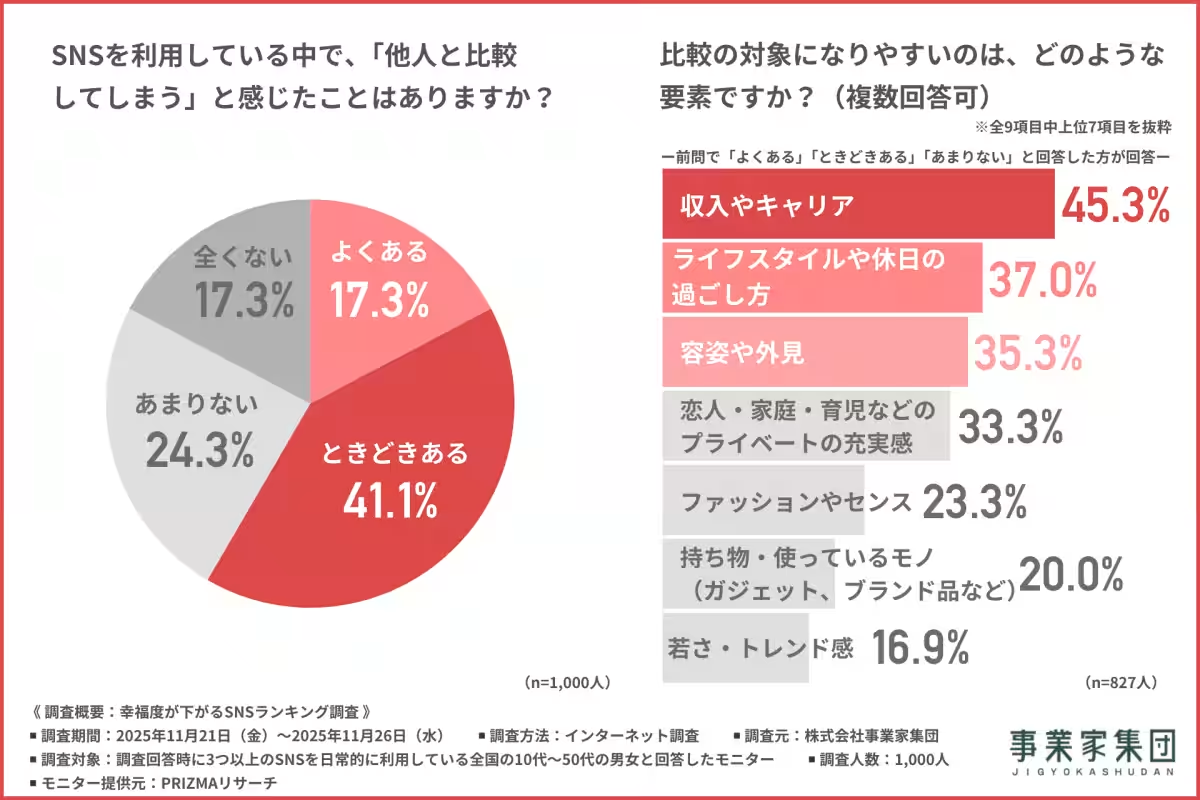
As the survey points out, nearly 60% of participants openly acknowledged striving to avoid comparisons. The prevalent themes for comparison included income and career (45.3%), lifestyle and leisure activities (37%), appearance (35.3%), and personal relationships (33.3%). It is evident that social media now serves as a platform for social scrutiny and competition over economic status and lifestyle choices.
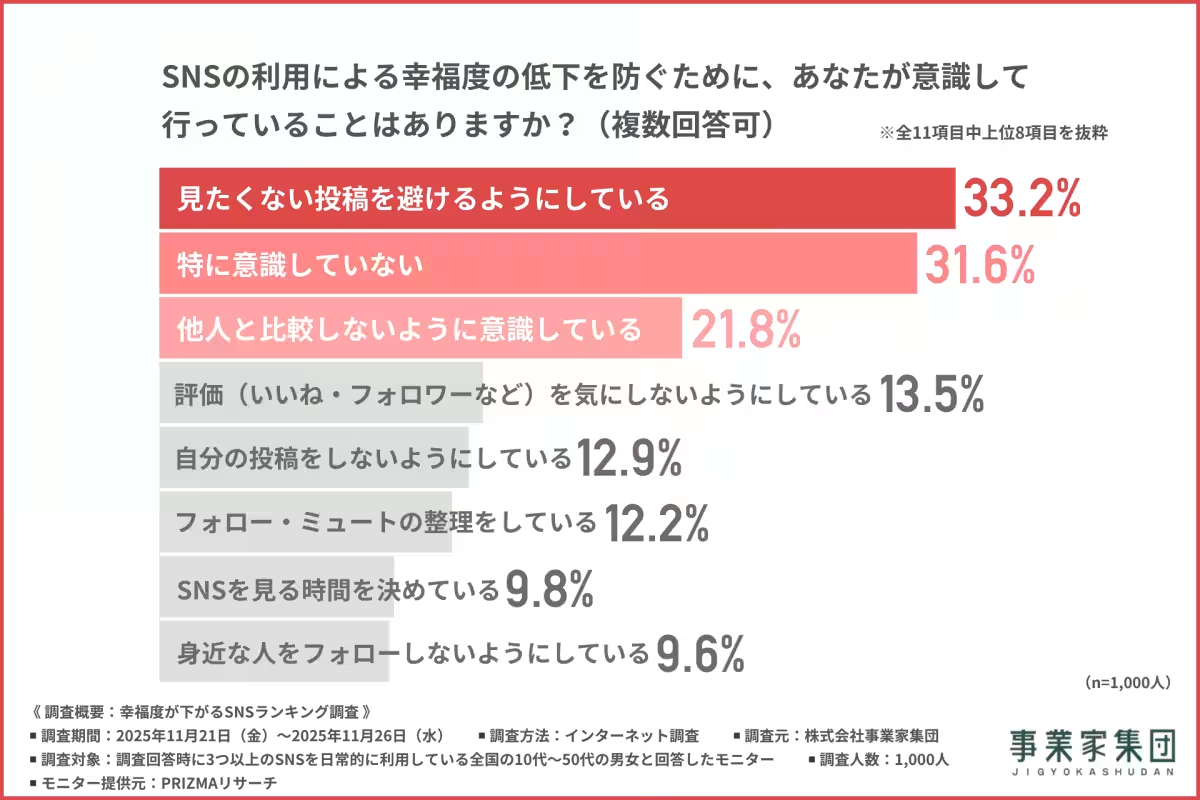
To mitigate the adverse effects of social media, many respondents reported strategies such as avoiding unwanted posts (33.2%), while a significant portion acknowledged they weren't applying any specific methods to combat feelings of negativity brought about by social media.
Conclusion: Reassessing Our Social Media Practices
This survey by Jigyoka Group underscores a critical finding: the intertwining of social media usage with self-reported happiness is increasingly complex, possibly harmful, and requires a reevaluation of how we engage with these platforms. Key platforms like X and Instagram contribute significantly to feelings of unhappiness, primarily through the mechanisms of negative interactions and constant comparisons.
As the digital landscape continues to evolve, striking a balance between the advantages of social media and the need for mental well-being becomes imperative. Moving forward, it may be beneficial for users to redefine their purposes for using social media, consciously separating curated happiness from their realities, ultimately cultivating a healthier digital experience.


Topics People & Culture)


【About Using Articles】
You can freely use the title and article content by linking to the page where the article is posted.
※ Images cannot be used.
【About Links】
Links are free to use.