




Changing Reasons for School Refusal Among Students Post-COVID-19
Changing Reasons for School Refusal Among Students Post-COVID-19
In a groundbreaking survey conducted by Premacied, a company that operates the portal site Go Communication High School, significant changes in the reasons for school refusal in students post-COVID-19 have been identified. The study involved a total of 600 participants, separated into two categories: school-aged children (from elementary to high school) and university students, aiming to examine how the pandemic has altered the dynamics of school refusal.
Key Findings
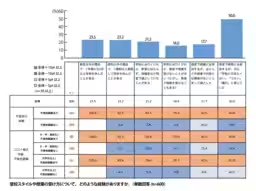
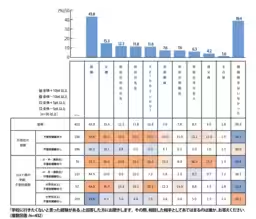
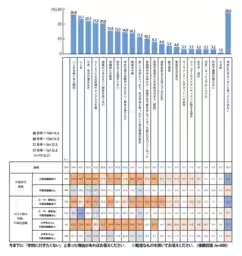
Based on the survey's findings, the predominant reasons for school refusal among school-aged respondents included "stress-related health or mental issues," which accounted for 55.0%. This contrasts sharply with older students, where bullying remained a more understandable cause for absenteeism. The survey results also indicated that many students feel overwhelmed by stress without recognizing its roots, pointing to a concerning trend regarding the mental health of minors.
Insights from the President
According to Akihito Iwata, the president of Premacied, the shift from bullying as a primary concern to stress highlights how the pandemic has reshaped students’ experiences. While older students tend to communicate issues like bullying, younger students grapple with stressors directly affecting their mental and physical health—issues that often go unnoticed by adults around them. Pandemic-induced changes in lifestyle and communication appear to have exacerbated this stress.
School Refusal Experiences by Year
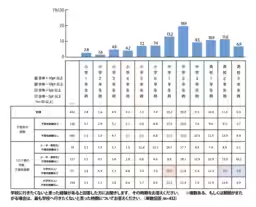
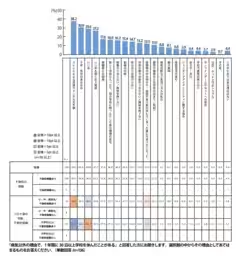
The survey asked participants about their feelings regarding attending school, revealing that the most common period of reluctance occurred during their second year of middle school (19.9%). High school years also featured prominently, correlating directly with pivotal transitional phases in their education. These trends suggest that a significant part of school refusal relates to anxiety about future professional pathways or navigating new environments.
The Impact of School Environment
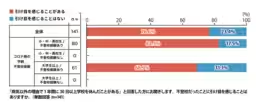
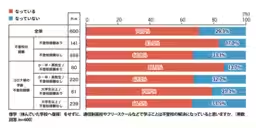
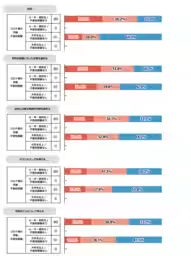
Interestingly, the survey also revealed that over half of all students—both those with and without previous school refusal experiences—felt distressed about going to school despite being present physically. This statistic spotlights the pressing need for educational environments to address emotional well-being more effectively.
Support Systems
When students reported instances where they felt unwilling to attend, they often turned to a variety of sources for support. The findings highlighted that mothers were a primary source of comfort among university students, while younger students expressed reliance on a broader network of adults, such as teachers and friends, indicating a growing awareness of the importance of discussing these issues openly.
Coping Mechanisms and Future Considerations
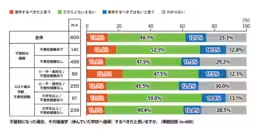
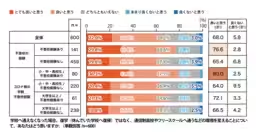
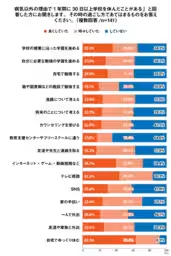
The findings regarding how students spend their time when unable to attend school also raised positive notes. A significant percentage reported engaging in productive activities such as pursuing studies related to their interests or seeking counseling, thus demonstrating resilience even in challenging times of emotional instability. Furthermore, the data revealed that over two-thirds of students saw a positive shift using alternative educational environments, such as correspondence schools or free schools, as vital outlets for their educational journeys.
The Way Forward
The prevalent issue of students feeling stigmatized for their school refusal experiences highlights the existing need for comprehensive support systems and acceptance frameworks within academic institutions. This study not only sheds light on the changing landscape of school refusal but also amplifies calls for more diverse educational pathways that align with the needs of modern students navigating the aftermath of a global pandemic.
The survey's trends underscore that school refusal is not merely an individual challenge but reflects the broader impacts of societal changes. As our educational systems adapt, efforts will need to focus on understanding and addressing the evolving mental health landscape among young learners today.


Topics People & Culture)


【About Using Articles】
You can freely use the title and article content by linking to the page where the article is posted.
※ Images cannot be used.
【About Links】
Links are free to use.