



Survey Exposes Career Anxieties Among Young Professionals in AI Era
Exploring Career Uncertainties in the AI Age
In a recent study conducted by U-WA Co., Ltd, a company specializing in mental coaching, it was found that a significant number of employees in their 20s and 30s lack clarity about their strengths and career paths. The survey, titled 'Career Anxieties in the Age of Generative AI,' targeted male and female office workers within this age group, gathering insights into their concerns regarding the impacts of AI on their careers and mental health.
Rising Concerns in a Technological Landscape
As the new fiscal year commences and generative AI solutions rapidly integrate into corporate environments, concerns about the effects of technology on employees have come to the forefront. While many workers expect increased productivity through AI, there is a growing apprehension among young professionals that their skills may soon become obsolete. This anxiety, in turn, could negatively impact their mental well-being and motivation at work. Despite the abundance of technical resources and case studies regarding AI implementation in businesses, comprehensive data addressing the psychological implications for individuals working in the field remains scarce. In response, U-WA executed its survey to shed light on these pressing issues.
Key Findings of the Survey
The survey revealed compelling statistics:
- - Over half of the respondents utilize generative AI in their work.
- - More than 25% of young professionals anticipate that their careers will be impacted by AI, predicting that some of their job functions will be replaced and their current skills will lose relevance.
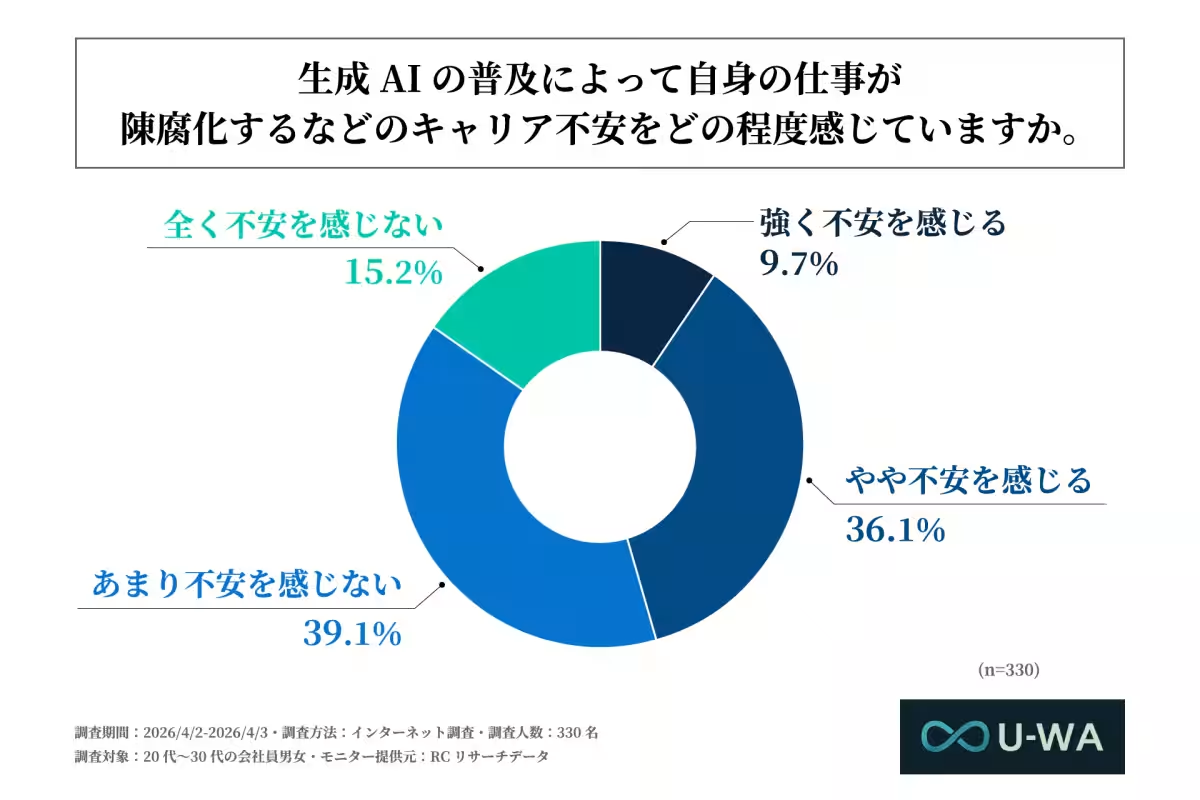
- - Nearly 45% of participants expressed worries about their jobs becoming obsolete due to the proliferation of generative AI.
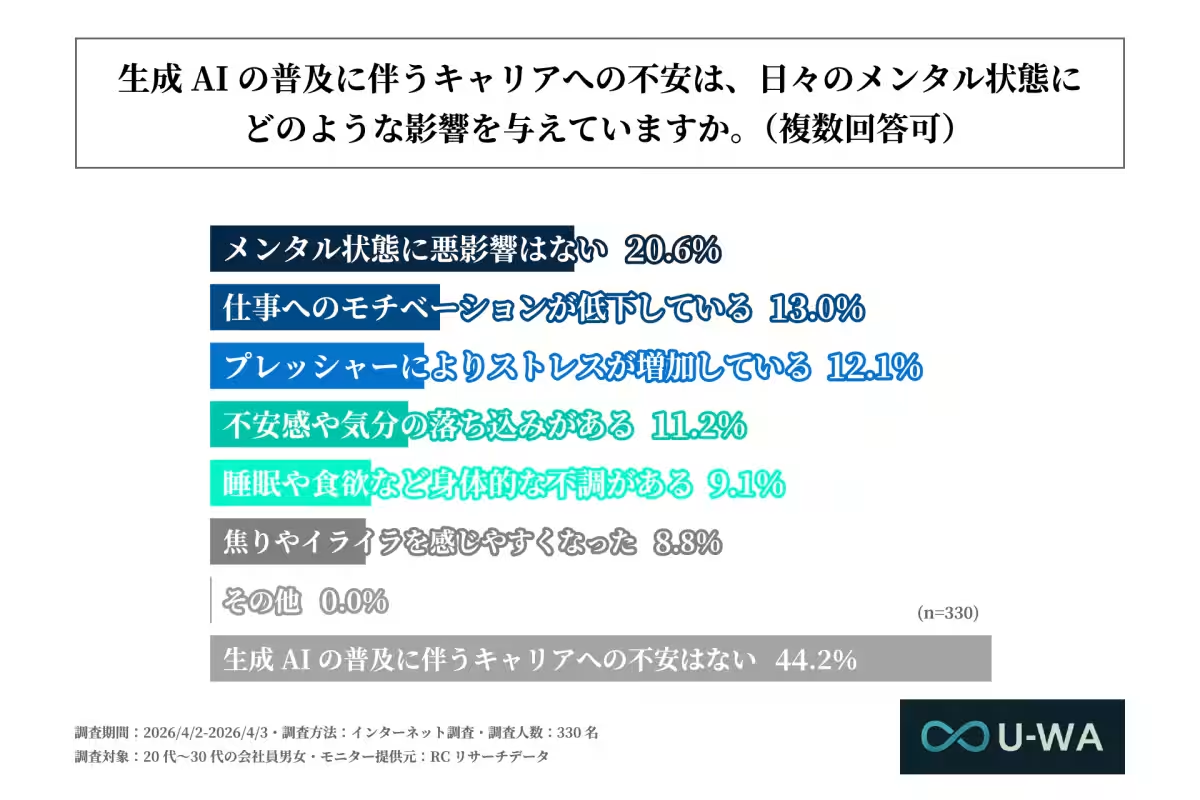
- - Even among those expressing career-related anxieties, many reported that these concerns do not significantly affect their mental health. However, a notable segment within this group indicated a drop in work motivation.
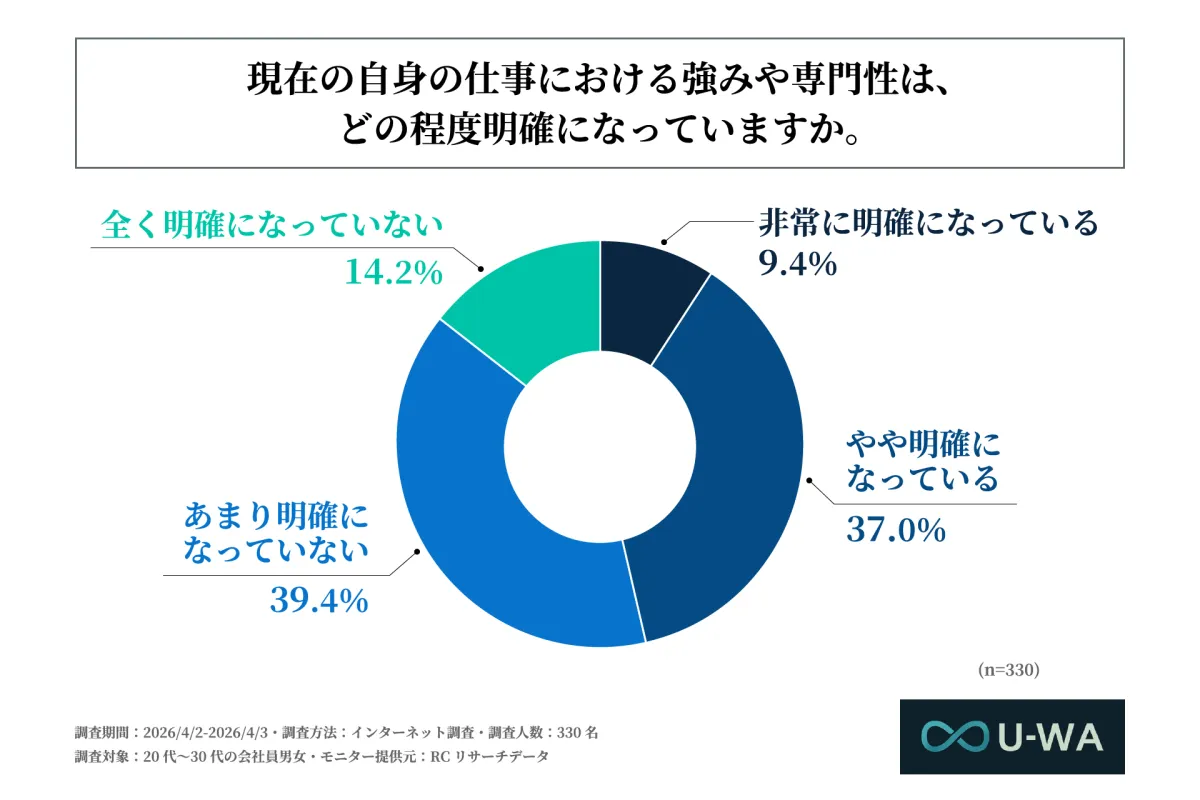
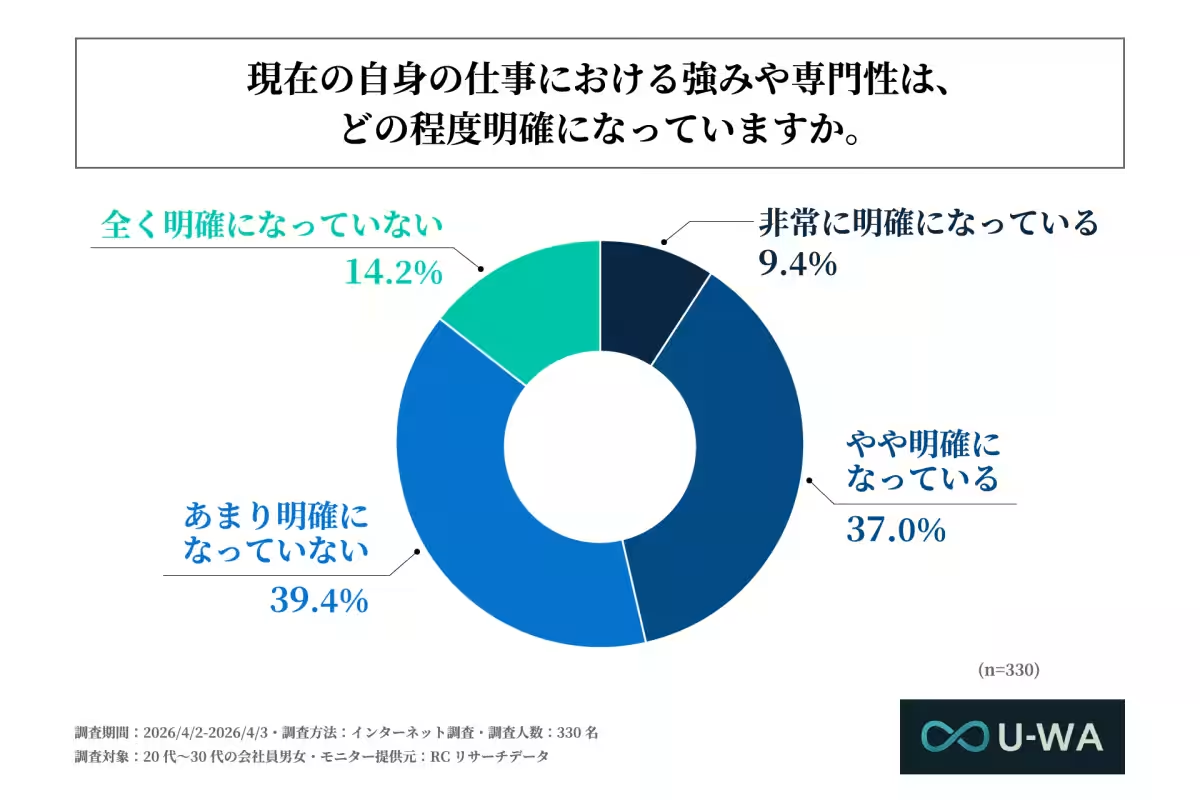
- - Additionally, more than half of the respondents claimed they have not clearly defined their strengths or specialized capabilities.
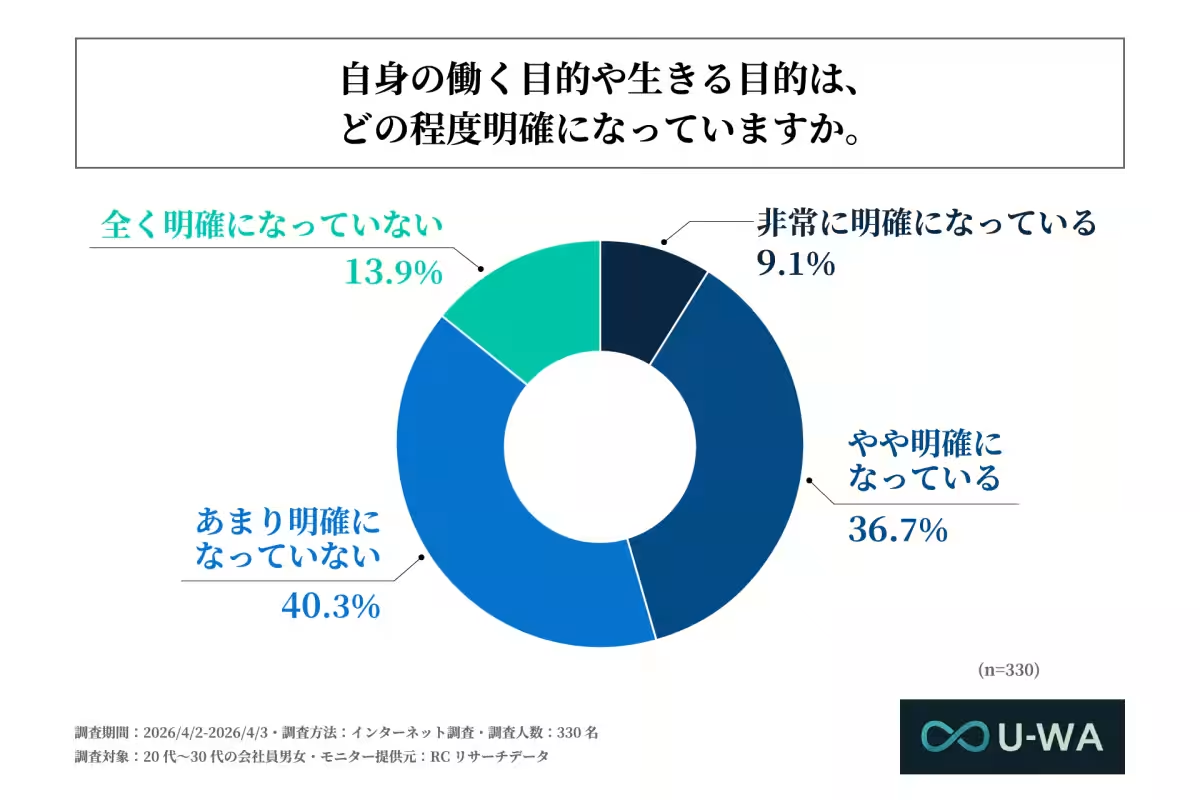
- - Similarly, over 50% of participants admitted uncertainty regarding their work-related and life purposes.
Survey Methodology
Conducted between April 2 and April 3, 2026, the survey employed internet-based methodology and involved 330 respondents comprising male and female employees in their 20s and 30s. The survey's findings serve as a crucial indicator of the mental climate among young professionals navigating their careers in the generative AI era.
Insights on AI Integration in Workplaces
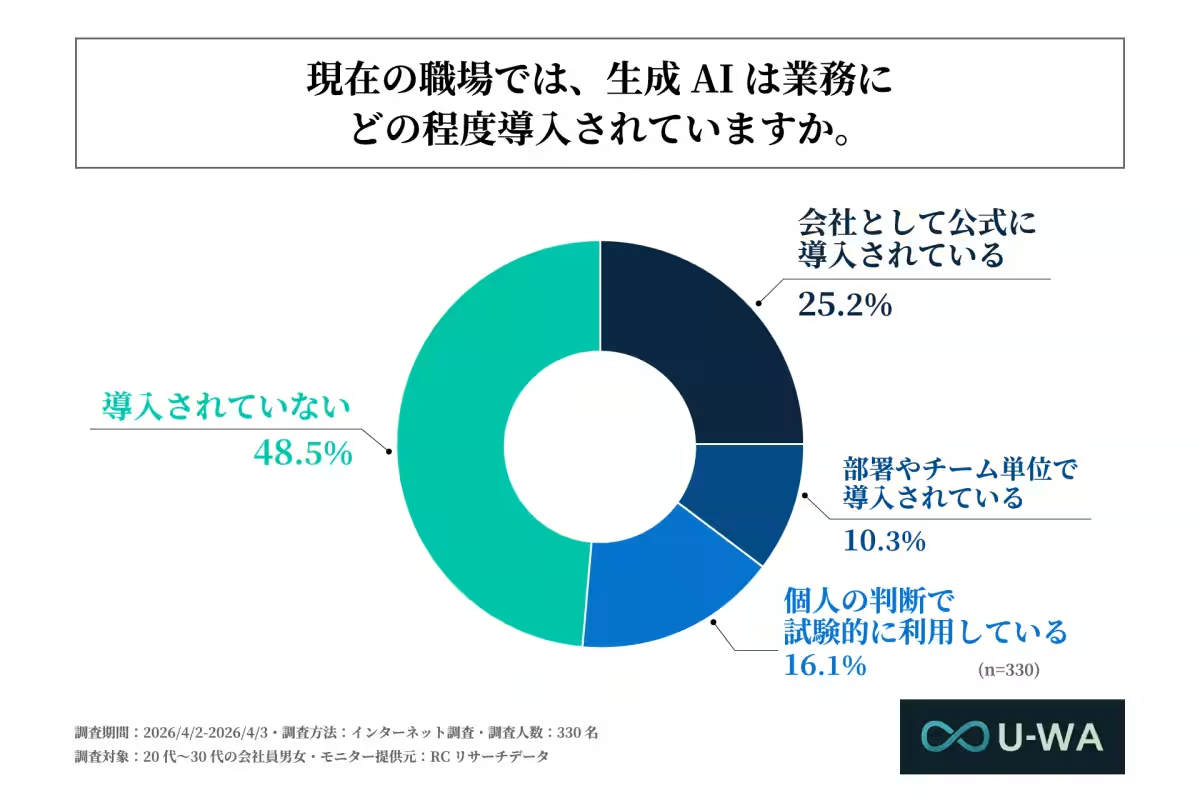
When asked about the current integration of generative AI in their workplaces, results indicated that 48.5% reported no AI implementation, while 25.2% cited official company integration, and 16.1% used AI experimentally on personal discretion. This suggests that although many workplaces have yet to adopt AI formally, with a total of 51.6% indicating some level of use, over half of the young workforce is directly engaging with AI technologies.
Job Security Concerns
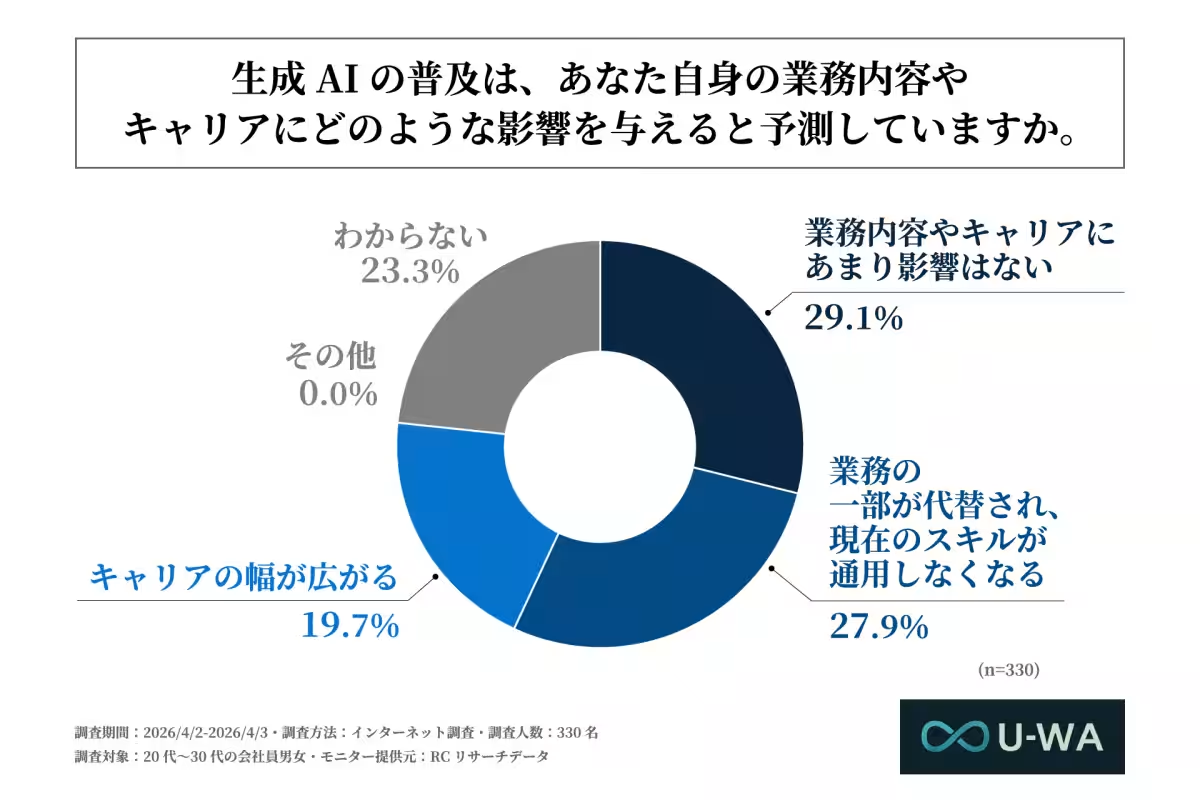
Responses to queries regarding perceived impacts of AI on their careers showed that while 29.1% felt AI would have little influence, a sizable 27.9% feared their skills might become irrelevant.
Mental Health Implications
Despite high rates of job insecurity, 44.2% of respondents stated they don't experience significant mental health ramifications from these anxieties. However, approximately 13% felt a decline in work motivation, indicating a complex relationship between career concerns and mental wellness.
Unclear Paths Forward
The findings underscore a widespread confusion among young professionals, with significant portions unable to articulate their professional strengths and life goals. Such uncertainty raises concerns about their overall career trajectory amid rapid technological changes.
U-WA's Approach to Mental Coaching
In light of these findings, U-WA offers a mental coaching program aimed at helping individuals explore their uncertainties and rediscover their direction. Designed by engineers who understand technological disruption, the program provides a structured and logical approach tailored to help participants reclaim their intrinsic sense of purpose. By fostering self-clarity and developing a deeper connection to their current state, U-WA's coaching seeks to enable individuals in crafting their ideal careers and lives.
Through their Yakushima Program, individuals can immerse themselves in nature to reconnect with their basic instincts. U-WA also organizes accessible in-person seminars to experience their coaching style in a supportive setting.
For more information on U-WA's offerings, visit their website.

Topics People & Culture)


【About Using Articles】
You can freely use the title and article content by linking to the page where the article is posted.
※ Images cannot be used.
【About Links】
Links are free to use.