



Exploring Marriage Perspectives Among Singles in 2025 Study Results
The 2025 Singles Marriage Awareness Survey
Introduction
In recent years, the perception of marriage among singles has shifted. With the advent of new lifestyles and evolving societal norms, understanding these shifts has become crucial. Able Holdings, a real estate rental agency based in Tokyo and operating under the single living support brand "Hitogura," has conducted the 2025 Singles Marriage Awareness Survey, shedding light on modern attitudes towards marriage among singles aged 20 to 59 in Japan.
Survey Overview
Conducted from October 10 to 11, 2025, the survey gathered responses from 1,008 individuals via the internet. The participants comprised both men and women residing in Japan, providing a representative sample of the country's population. As the survey aimed to analyze perspectives on marriage, the questions addressed various aspects such as desire for marriage, reasons for wanting or not wanting to marry, and ideal living situations.
Key Findings
Desire for Marriage
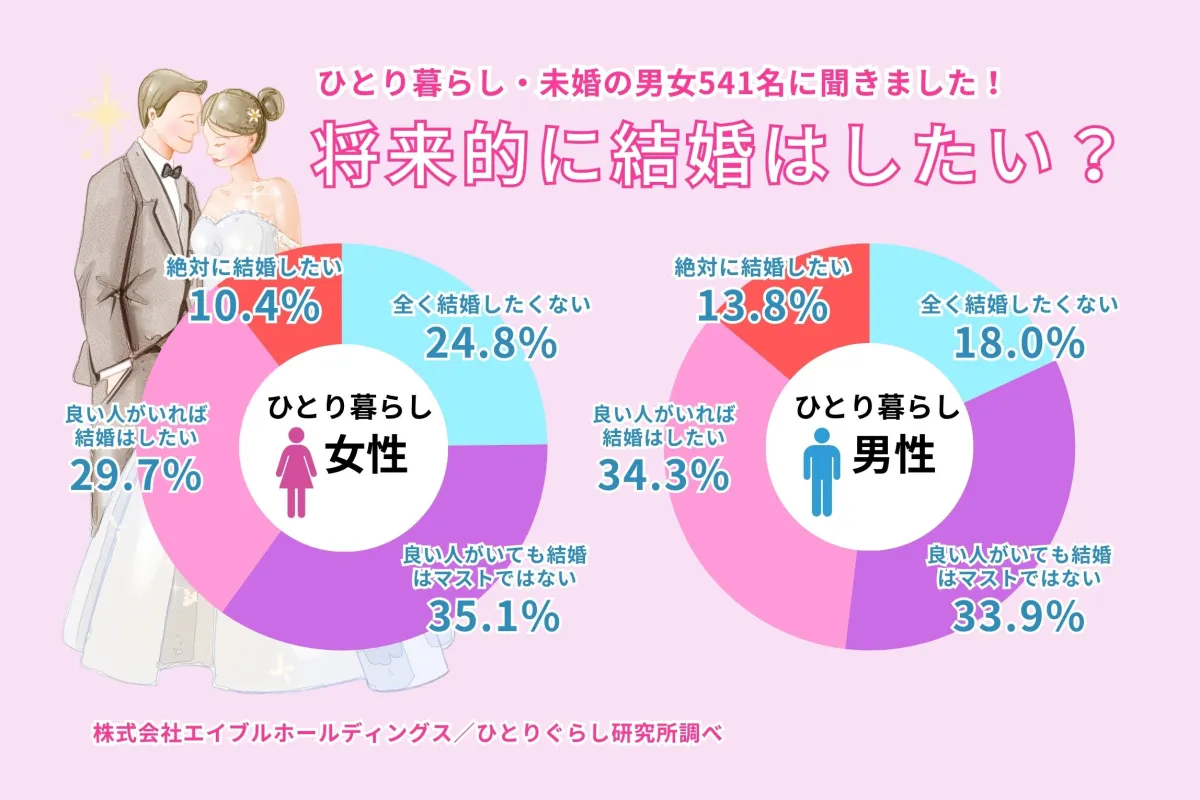
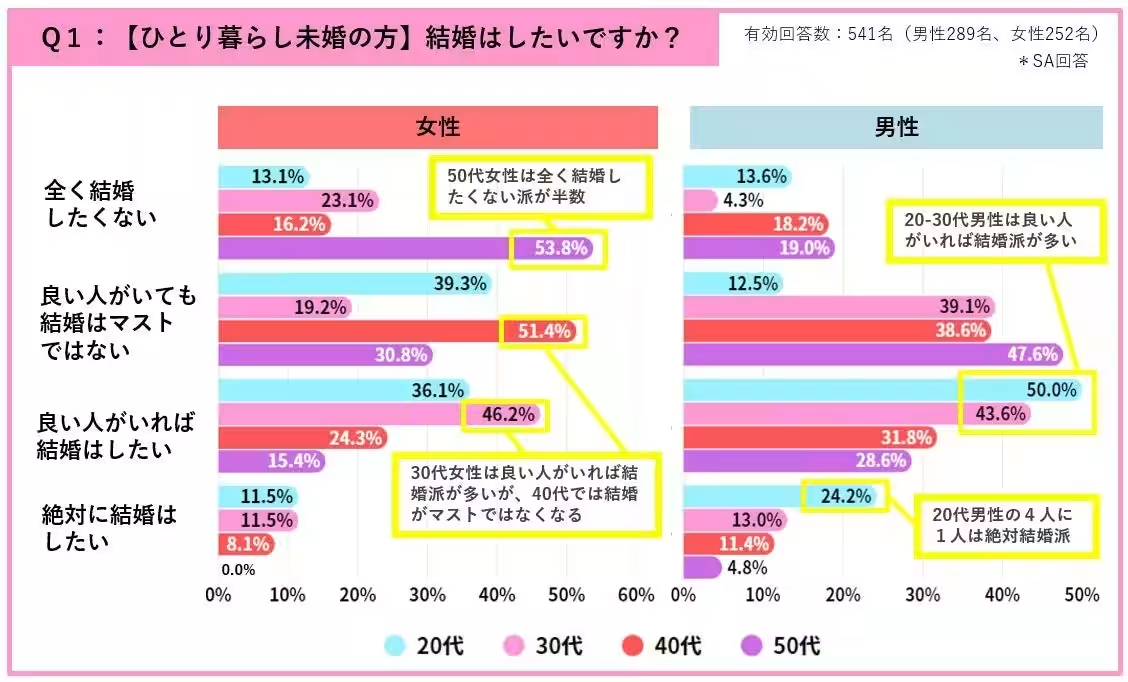
The survey results indicated a significant variation in marital aspirations across different genders and age groups. While 24.2% of single men in their 20s expressed a strong desire to marry, the sentiment dwindled dramatically among older demographics, with 0% of women in their 50s wanting to marry. Generally, as age increases, the desire for marriage appears to decline, with men exhibiting more polarized views compared to women.
Motivations for Marriage
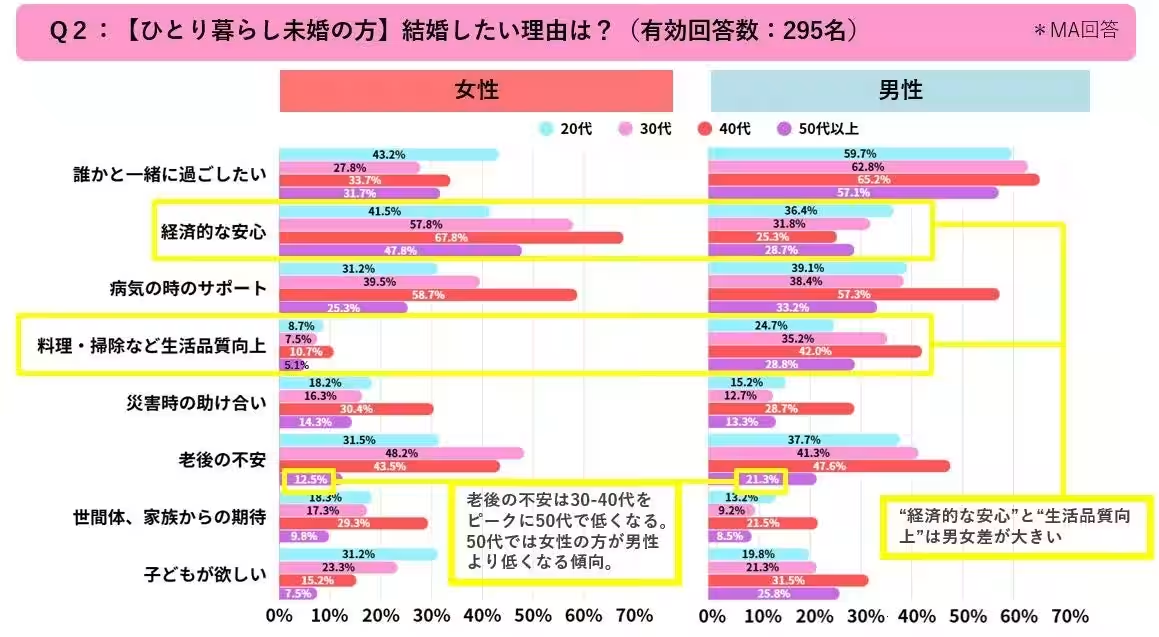
When dissecting the reasons behind the desire to marry, notable differences emerged between men and women. For men, the primary motivation was the wish for companionship, whereas women prioritized financial security. Additionally, men's expectations included improvements in daily life, such as cooking and cleaning, with 20% to 40% expressing these interests, compared to around 10% among women. This divergence underscores the differing values and expectations men and women hold regarding marriage.
Ideal Living Conditions
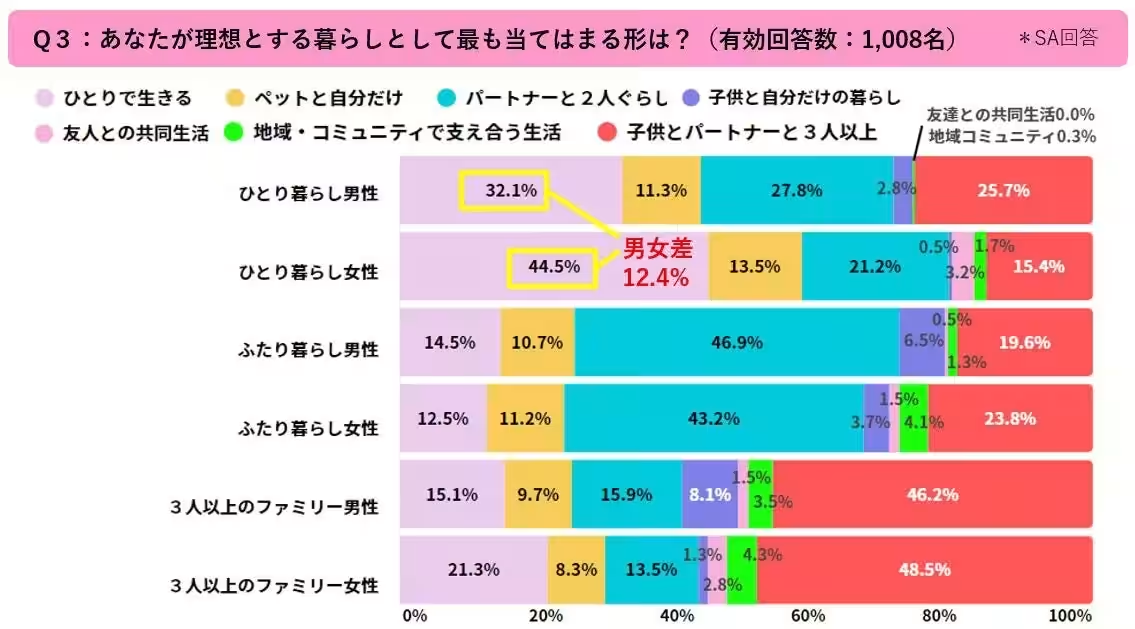
The survey revealed a striking contrast in the perception of ideal living situations among single individuals. While a majority of respondents indicated that their current living conditions align with their ideal life, the figures were below 50%. Specifically among the single households, 44.5% of women preferred the idea of living alone, contrasted with only 32.1% of men, suggesting significant gender differences in lifestyle preferences.
Embracing Single Life
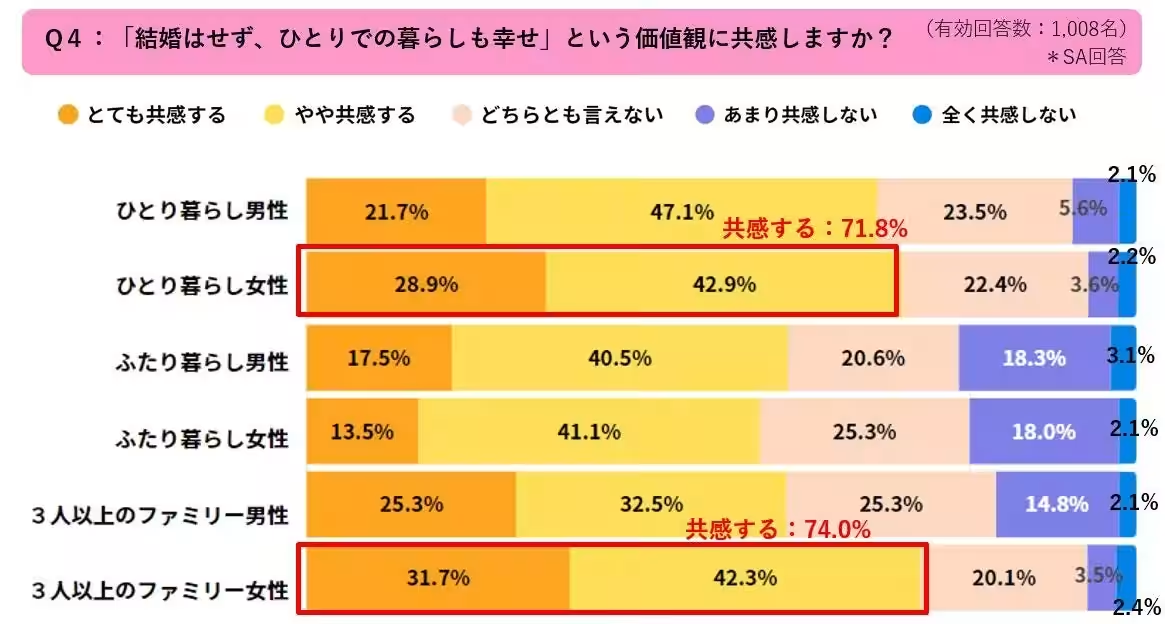
Half of the respondents resonated with the notion of finding happiness in solitude. The prevailing acceptance of the idea, particularly among single women, highlights an evolving mindset where marriage is not seen as the endpoint of life. Among single women, 71.8% advocated for this belief, with even higher support recorded among women from families with three or more members (74.0%). This indicates that despite the traditional societal values surrounding marriage, many now recognize the validity of a fulfilling single life.
Emotional Support Systems
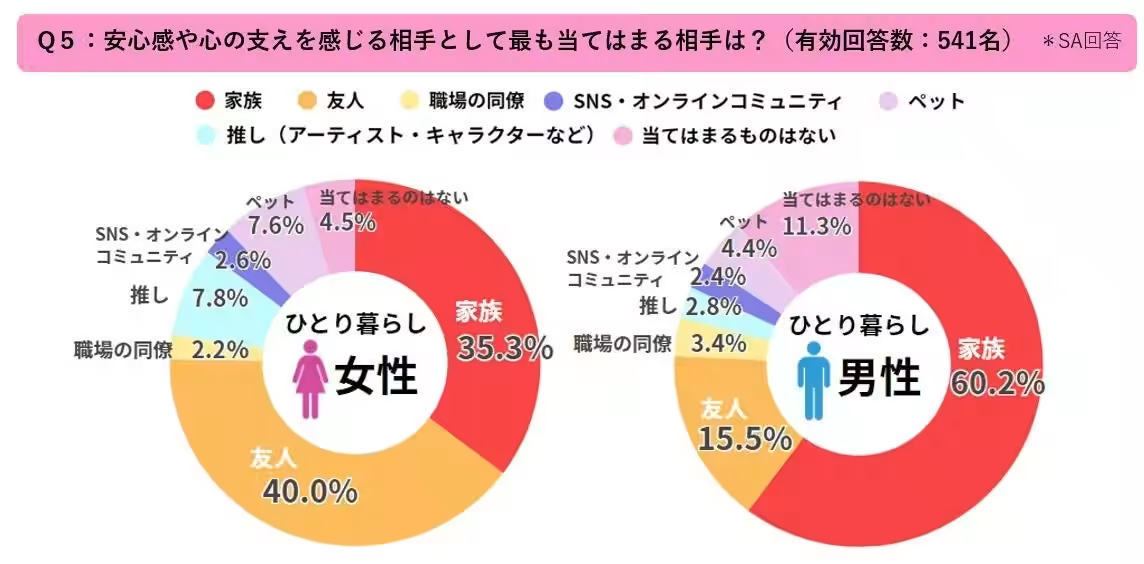
The survey also explored respondents' sources of emotional comfort. The results revealed that for men, family was the predominant source of support (60.2%), while women showed a split between family and friends, with friends at 40.0%. Interestingly, 11.3% of men indicated a lack of emotional support, with one in ten feeling isolated in that aspect.
Conclusion
Conducted in alignment with November's
Topics People & Culture)
【About Using Articles】
You can freely use the title and article content by linking to the page where the article is posted.
※ Images cannot be used.
【About Links】
Links are free to use.