



Preventing Typhoon Damage to Solar Power Generation Facilities: Key Measures and Insights
Introduction
As typhoons become increasingly frequent and severe, the need to protect solar power generation facilities is paramount. The Independent Administrative Institution National Institute of Technology and Evaluation (NITE) has recently raised awareness about the potential electrical accidents caused by these natural disasters. Preparedness and maintenance before and after a storm can significantly reduce risks associated with typhoon-related damages.
Understanding Typhoon Risks to Solar Facilities
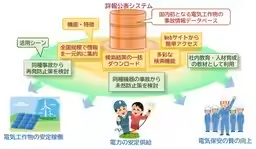
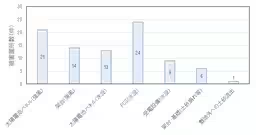
Solar power systems, often installed outdoors, are susceptible to high winds and heavy rain, which can lead to equipment failure or electrical accidents. The risks amplify during powerful typhoons, but even smaller storms can cause significant issues. Using its database of electrical accident reports, NITE has analyzed damage patterns relating to geographical conditions. The findings reveal that areas with open spaces are prone to strong winds causing panel displacements, while those near rivers face flooding risks impacting equipment.
Case Studies of Typhoon-Damaged Facilities
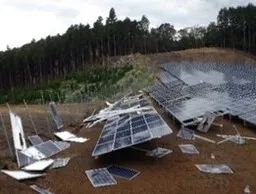
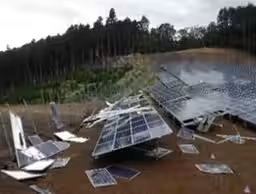
Case Study 1: Damage in Hilly Valleys due to Wind
- - Date: September 2022
- - Location: Hilly valley
- - Damage: During Typhoon No. 14, multiple solar panels and installations were damaged.
- - Cause: Designed to withstand winds of 36 m/s, the specific location experienced unexpectedly high winds due to terrain factors, resulting in damage.
Case Study 2: Damage on Flat Peninsulas near Coast
- - Date: September 2022
- - Location: Flat peninsula
- - Damage: Typhoon No. 15 caused significant panel and support structure damage, with debris flying beyond the facility’s boundaries.
- - Cause: The structures faced a tornado-like effect that surpassed expected wind pressures.
Case Study 3: Flooding along Riverbanks
- - Date: September 2022
- - Location: Flat area beside a river
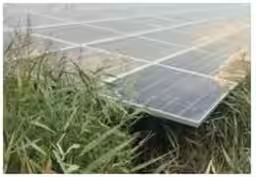
- - Damage: Power conditioning systems (PCS) were submerged due to rising water levels following heavy rains.
- - Cause: The failure of drainage systems during heavy rainfall led to flooding, substantiating risks tied to geographical factors.
Case Study 4: Landslides in Mountainous Areas
- - Date: August 2023
- - Location: Mountainous area along a national road
- - Damage: Landslides during Typhoon No. 7 caused mud to flow onto roads, potentially affecting nearby structures.
- - Cause: Intense rainfall led to erosion and subsequent landslides.
Preventive Measures Against Typhoon Damage
To combat the threat of typhoons effectively, NITE recommends several measures before and after a storm.
Pre-Storm Preparations
1. Monitor Weather Updates - Stay updated with information from meteorological agencies, local governments, and disaster prevention organizations.
2. Establish Communication Protocols - Prepare an emergency contact strategy and define operational procedures for storm conditions.
3. Inspect Drainage Systems - Ensure drains, gutters, and surrounding areas are clean to mitigate flooding impact.
4. Check for Landslide Risks - Reinforce sloped areas and ensure proper drainage to prevent landslides.
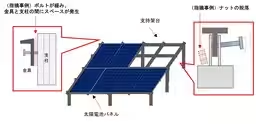
5. Secure Equipment - Verify the tightness of bolts and fixtures on solar panels and support structures to withstand high winds.
6. Conduct a Visual Inspection - Review external structures for any weaknesses that could lead to failure during storms.
Post-Storm Actions
1. Safety First - Confirm safety before inspecting electrical equipment; check for hazards like flooding or landslides.
2. Conduct Emergency Inspections - Promptly assess operations after a storm to identify and address any abnormalities.
3. Execute Temporary Repairs - Make swift, temporary fixes to any visible damage to prevent further issues.
4. Implement Permanent Repairs - After ensuring equipment safety, undertake necessary repairs or upgrades, such as elevating installations if flooding is frequent.
5. Prevent Secondary Incidents - Ensure that damaged areas do not pose additional risks to the public.
Conclusion
The rising incidence of typhoons necessitates a proactive attitude toward maintaining solar power generation facilities. By understanding the geographical risks and implementing preparatory actions, facility managers can significantly diminish the likelihood of severe damage and ensure long-term functionality. NITE’s data highlights essential areas of focus and steps to fortify solar installations against increasingly unpredictable weather phenomena. For more detailed insights and resources, refer to NITE’s public reporting system, which offers valuable information to help facility operators mitigate risks.
References
For further reading and resources, visit the following links:
Topics Policy & Public Interest)
【About Using Articles】
You can freely use the title and article content by linking to the page where the article is posted.
※ Images cannot be used.
【About Links】
Links are free to use.