



Survey Reveals Significant Communication Gap Between Parents and HR Regarding School Refusal Issues
Understanding the Communication Gap in Work and Parental Responsibilities
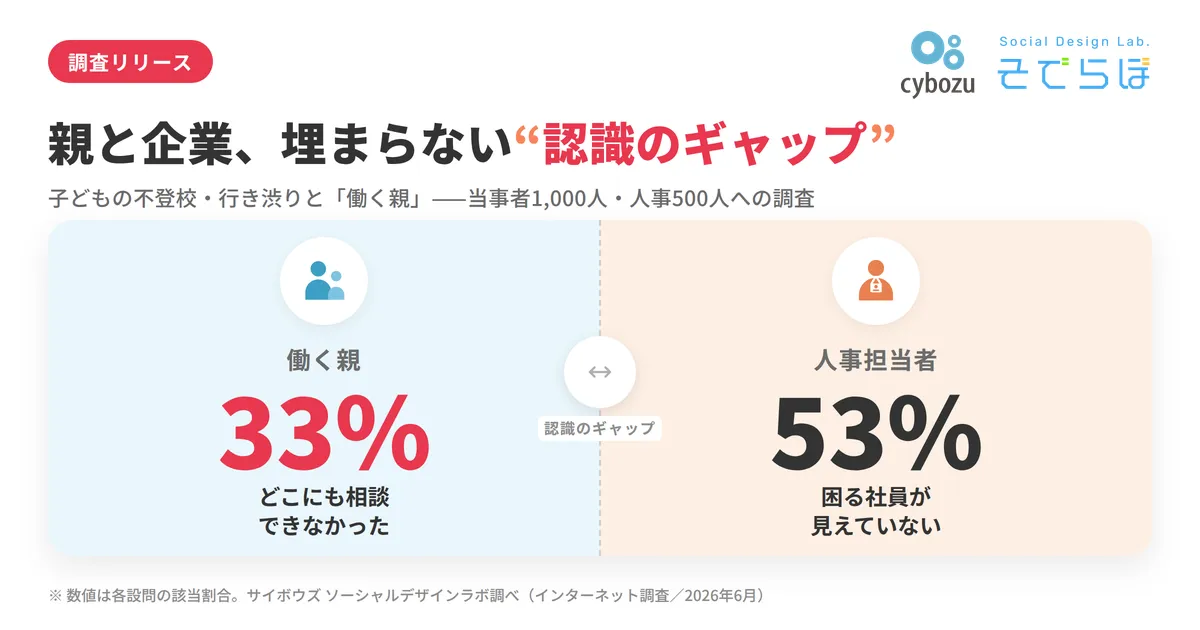
In a recent survey conducted by Cybozu's Social Design Lab, significant insights emerged regarding the challenges faced by working parents of children experiencing school refusal. Over 1,000 employed parents and 500 HR professionals were surveyed to gauge the extent of support offered to parents dealing with their children's school-related issues and the overall recognition of these challenges within corporate environments.
Overview of the Survey
The objective of the survey was to illuminate the perception held by employed parents of children dealing with school refusal or avoidance, in conjunction with the awareness and acknowledgment from HR departments regarding these matters. The findings reveal a startling disconnect between the two groups, shedding light on the pressing issue of how school-related challenges impact parental employment.
Key Findings from the Survey
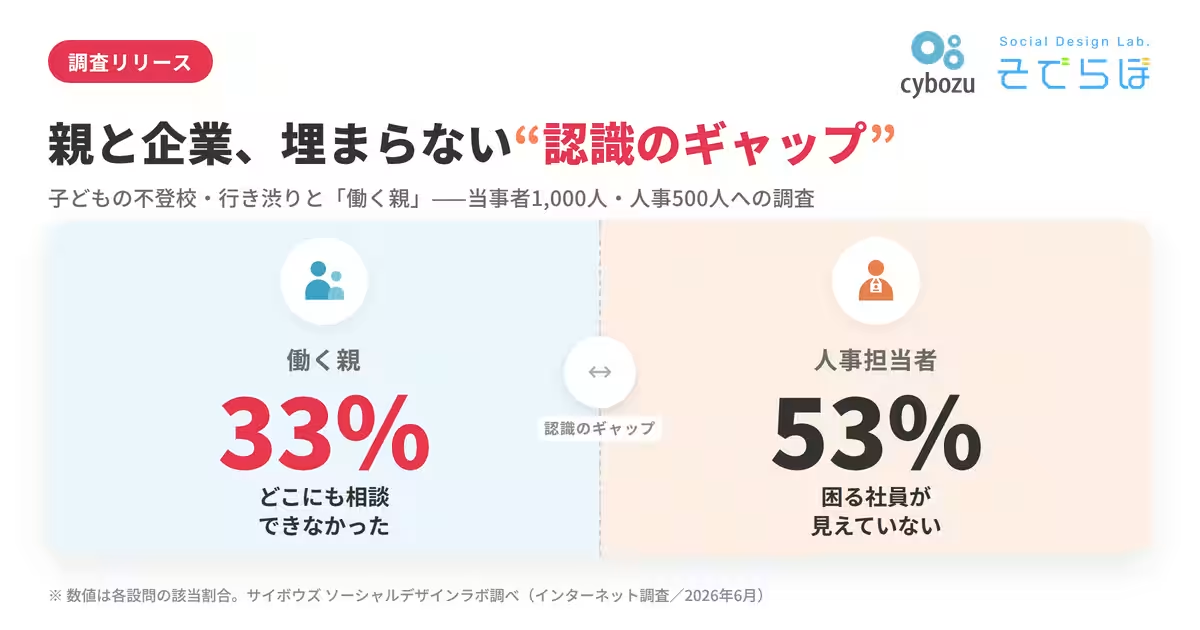
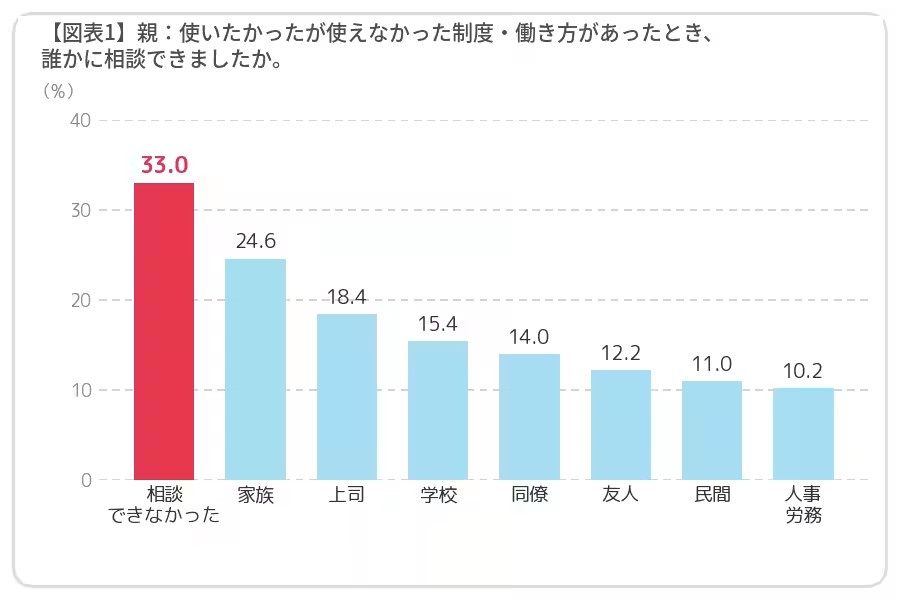
- - Parents Feeling Isolated: A notable 33% of parents reported feeling like they had no one to consult regarding support systems at their workplaces when their child faced school refusal. This highlights a concerning isolation that many parents experience in navigating their child's educational challenges.
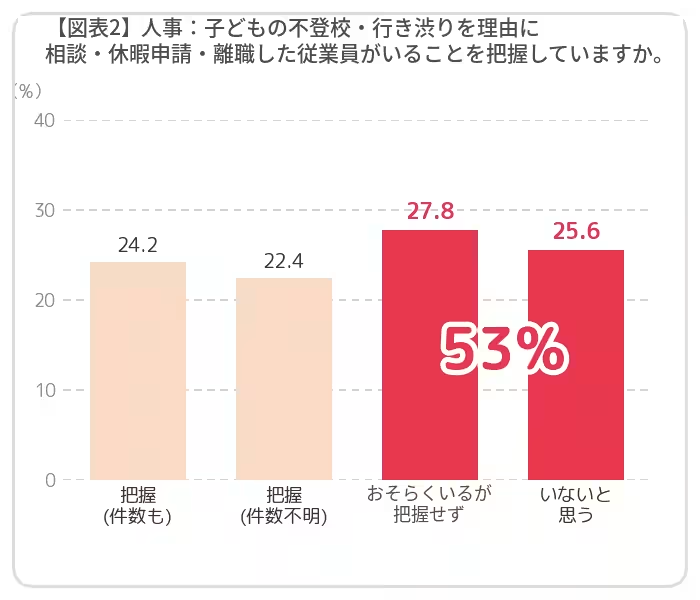
- - HR's Lack of Awareness: Conversely, 53.4% of HR professionals expressed that they either believed no employees were facing issues related to school refusal or that they simply did not know of any such cases. This indicates a significant gap in understanding the realities faced by working parents, underscoring a lack of visibility into the problem within organizations.
The Disconnect Between Demand and Supply
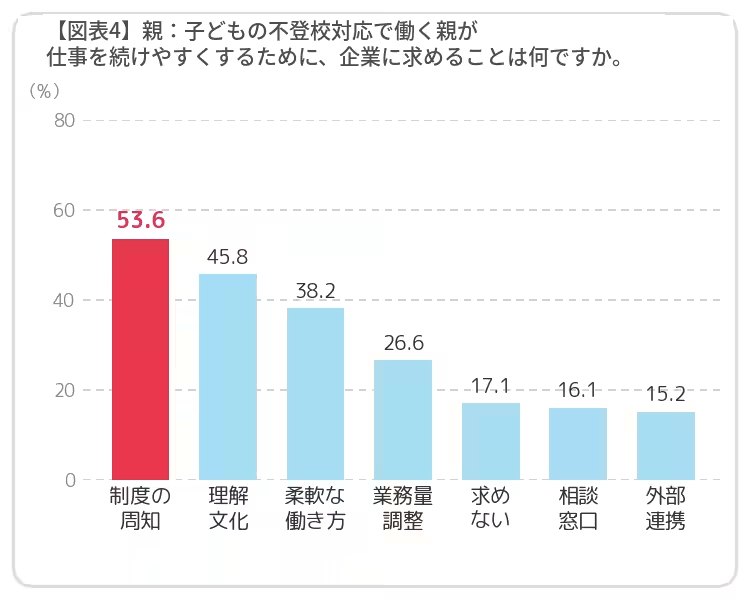
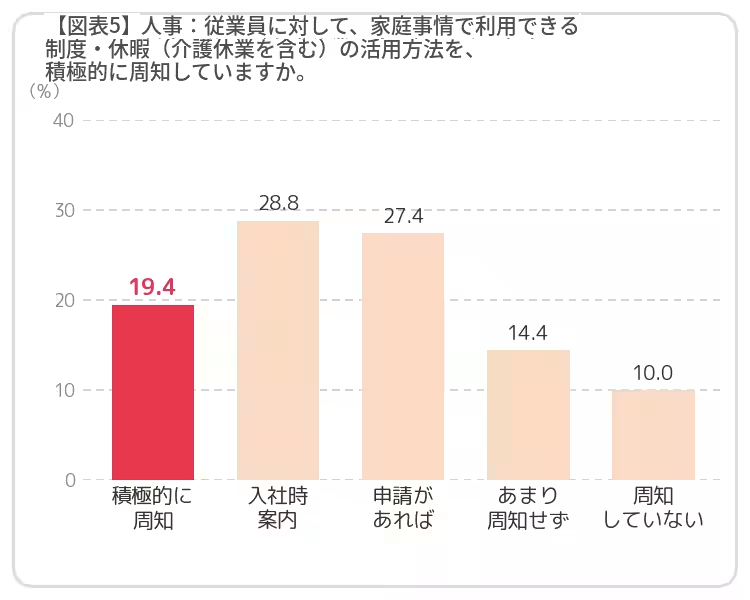
The survey further revealed that while 53.6% of parents desire more proactive communication regarding available support systems at their workplaces, only 19.4% of HR representatives actively promote this information. This disparity leaves parents unprepared for navigating challenges related to their child's schooling, which could potentially lead to adverse job consequences.
Barriers to Consultation
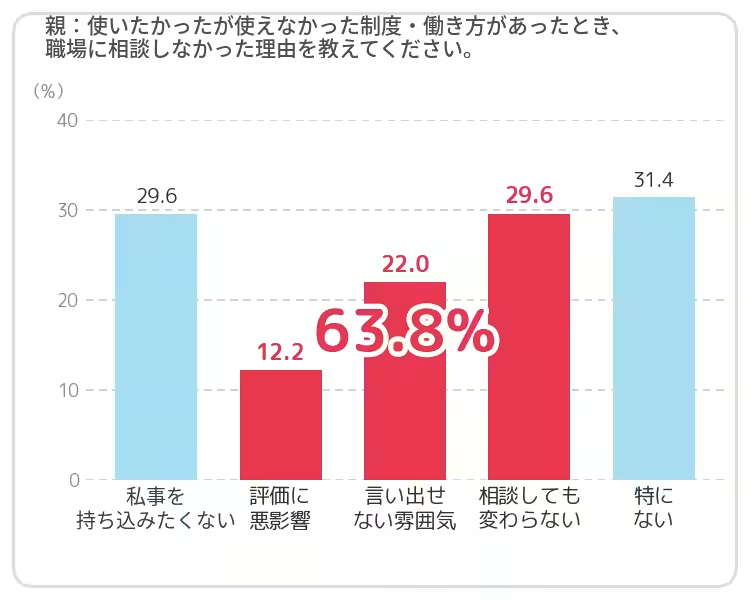
Parents identified several reasons for not approaching their workplace for help: 63.8% cited an unsupportive atmosphere that discouraged them from voicing their concerns, while also feeling that bringing the issue forward would have no tangible impact or may even harm their job evaluations. This highlights a culture of fear that prevents necessary discussions about sensitive familial issues.
Real Consequences of School Refusal
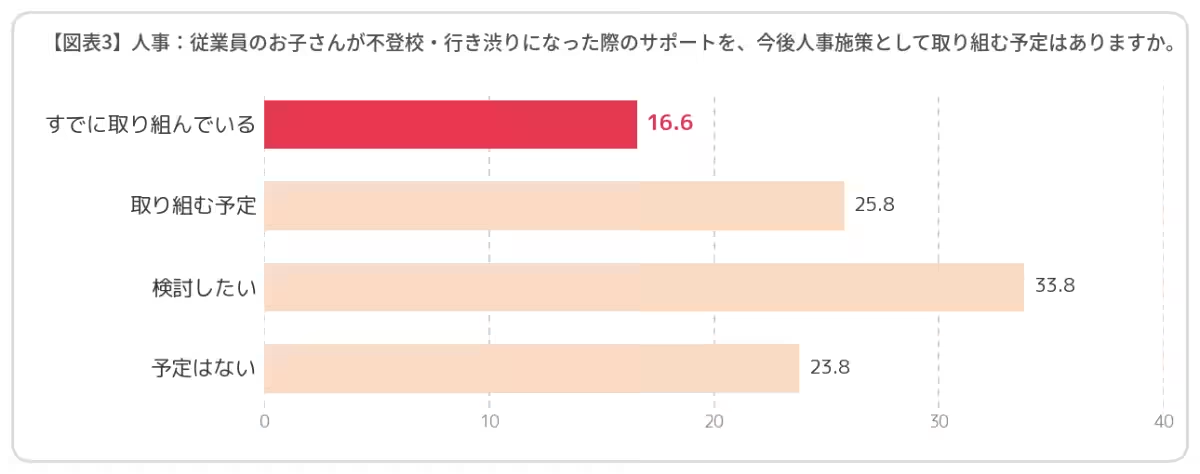
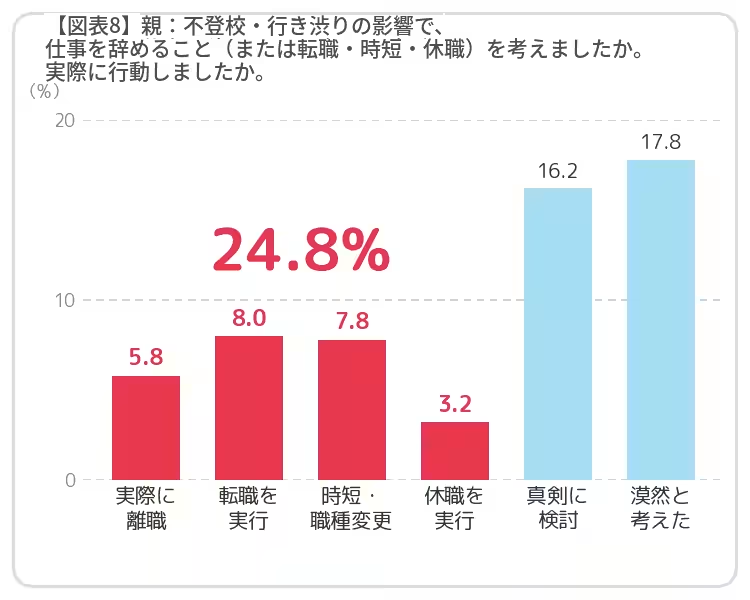
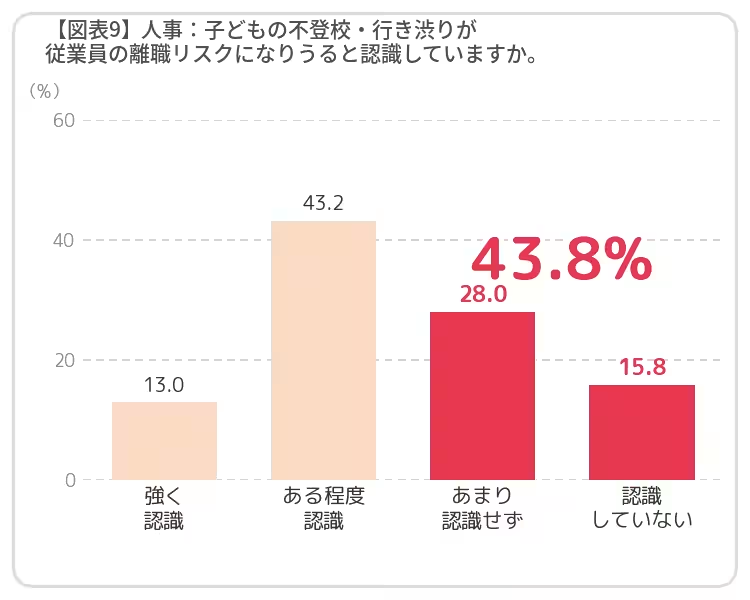
The findings indicate that the impact of school refusal extends beyond parental stress into real employment consequences. Nearly 25% of parents reported changing their employment circumstances due to school refusal, whether that meant leaving their job, switching careers, altering work hours, or taking leave. However, many HR professionals (43.8%) do not view these circumstances as a risk of attrition, demonstrating a misalignment in understanding the workforce's needs and realities.
Economic Implications
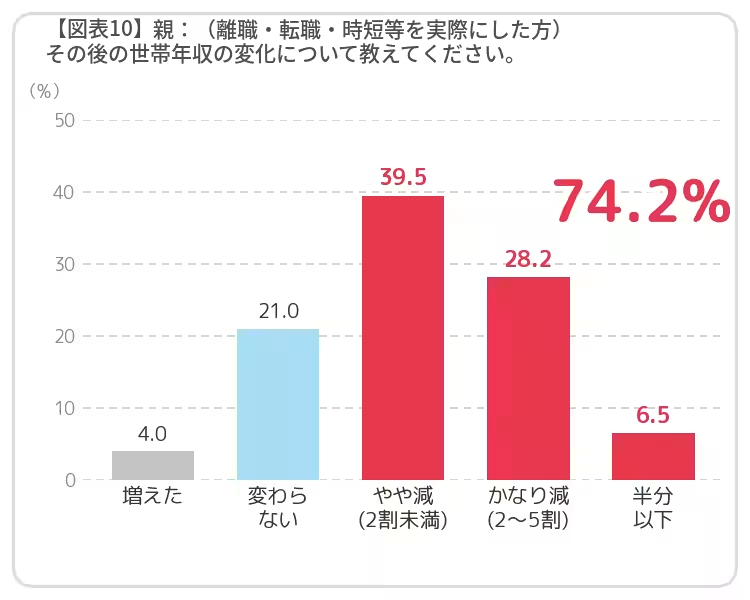
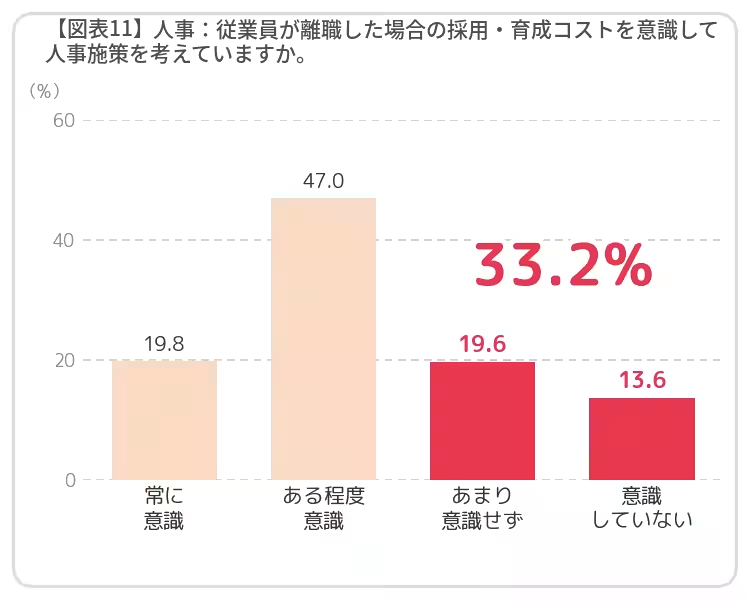
Additionally, a stark 74.2% of parents who altered their working conditions reported a decrease in household income, with one-third experiencing more than a 20% reduction. This indicates significant financial stress due to factors stemming from their children's school issues, which ultimately affects both families and companies. Interestingly, 33.2% of HR personnel admitted they did not fully consider the costs associated with employee turnover linked to family-related challenges.
Moving Forward: Bridging the Gap
The results of this survey signal critical areas of improvement for companies aiming to support their employees better:
1. Raise Awareness for Available Support: There is an essential need for companies to adopt proactive communication strategies that ensure parents are aware of existing support systems.
2. Create an Open Culture for Discussion: Establishing an organizational culture that promotes open discussions about personal and family-related challenges can help mitigate the stigma associated with seeking support.
The insights shared by specialist journalist Ishii Shiko further underline the implications of school refusal, not only as an individual issue but as a structural challenge within society that necessitates attention from both employers and the community.
Conclusion
In conclusion, this survey brings to light crucial observations that can drive better responses from employers to support working parents navigating the challenges associated with their children's education. By addressing the identified gaps in communication and promoting a more inclusive and understanding workplace culture, companies can facilitate improved outcomes for families and help alleviate pressures arising from school refusal. The commitment of Cybozu's Social Design Lab to continue researching and reporting on these issues signifies the vital need for collective action in supporting families in maintaining both their work and home responsibilities effectively.
Topics People & Culture)
【About Using Articles】
You can freely use the title and article content by linking to the page where the article is posted.
※ Images cannot be used.
【About Links】
Links are free to use.