



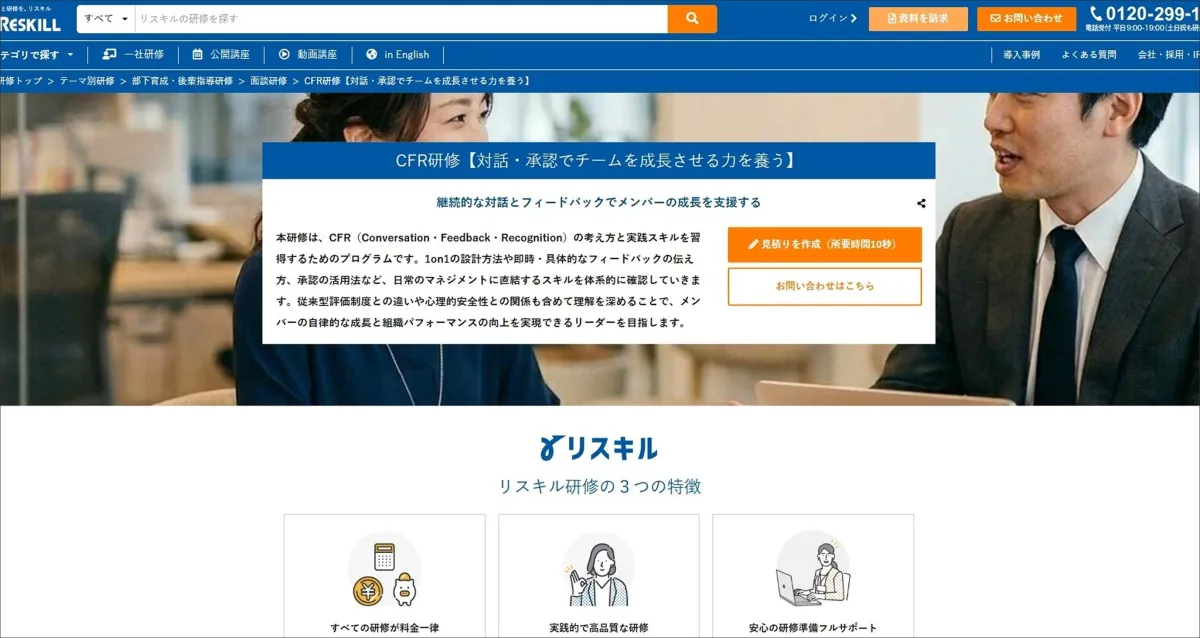
Maximizing Organizational Performance with CFR Training by RiskiL
Introduction to CFR Training
In a rapidly changing business environment, traditional annual evaluations often fall short in fostering organizational growth. Recognizing the need for continuous communication to encourage member autonomy, RiskiL has released a new training program, CFR Training. This initiative focuses on three critical components: Conversation, Feedback, and Recognition. The goal is to cultivate a proactive organizational culture while addressing challenges posed by conventional evaluation systems.
Understanding the Need
With many companies seeking to enhance employee engagement and retention, the demand for methodologies that facilitate ongoing dialogue, constructive feedback, and a culture of recognition has surged. Ensuring psychological safety within the workplace has become paramount, reaffirming the necessity of innovative training programs that optimize team performance through enhanced interpersonal communication.
Overview of CFR Training
Target Audience
The CFR Training is designed for:
- - Mid-level employees
- - Managers
- - Team leaders
Core Skills and Objectives
This training aims to develop leaders capable of supporting continuous growth through effective dialogue, feedback, and recognition. Participants will achieve the following objectives:
1. Designing Quality Conversations: Learn to create an environment where team members feel comfortable engaging in meaningful conversations.
2. Implementing Immediate and Specific Feedback: Gain skills to provide timely, specific, and future-oriented feedback using the SBI model.
3. Fostering a Culture of Recognition: Understand the psychological effects of recognition, thereby instilling a culture of acknowledgment throughout the team.
Key Features of the Training
The CFR Training includes numerous transformative elements:
- - 1-on-1 Conversation Design: Participants will learn how to conduct quality 1-on-1 sessions, enhancing dialogue through active listening, questioning techniques, and agenda setting.
- - Immediate and Specific Feedback: Utilizing real-world scenarios, participants will implement the SBI model to provide constructive feedback that contributes to personal and team growth.
- - Culmination of a Recognition Culture: The training emphasizes the impact of recognition on employee engagement, promoting mutual acknowledgment among peers alongside top-down recognition.
Curriculum Highlights
The training is structured over six hours and covers:
- - Understanding CFR: Definitions, contextual backgrounds, objectives, and distinctions from traditional evaluation methods.
- - Designing Conversations: Techniques for effective 1-on-1 meetings and conditions for quality dialogue such as active listening and inquisitive engagement.
- - Feedback Practice: Application of models like SBI and STAR for conveying messages and handling sensitive topics effectively.
- - Strategic Use of Recognition: Exploring psychological effects, crafting daily recognition initiatives, and enhancing overall motivation.
- - Building Organizational Culture through CFR: Understanding the interplay between psychological safety and the leader's supportive role.
- - Implementation and Operation Design: Developing actionable plans for introducing CFR within their teams.
About RiskiL
Founded with the mission of empowering professionals, RiskiL offers a variety of training programs, with CFR Training as one of its flagship offerings. The company is distinguished by its transparent pricing structure, making it easier for organizations to implement valuable training resources. Furthermore, RiskiL provides high-quality, practical training programs that are available online, reaching participants across Japan.
Conclusion
The newly introduced CFR Training program at RiskiL represents a significant step towards transforming organizational culture and enhancing team performance through focused dialogue, constructive feedback, and a strong recognition culture. This innovative approach positions organizations to thrive in today's dynamic business landscape, where member autonomy and active engagement are increasingly critical to success.
Topics People & Culture)
【About Using Articles】
You can freely use the title and article content by linking to the page where the article is posted.
※ Images cannot be used.
【About Links】
Links are free to use.