



The Rising Anxiety Surrounding Misinformation During Disasters: A Recent Study
The Rising Anxiety Surrounding Misinformation During Disasters: Insights from a Recent Study
On September 1, or "Disaster Prevention Day" in Japan, Secom Co., Ltd. conducted a comprehensive survey involving 500 men and women aged between 20 and 69. The aim was to investigate the awareness and preparedness concerning disaster threats and misinformation that might arise during such events. The analysis was led by Hiroaki Hamada, a researcher at Secom's IS Research Institute, who provided insightful advice based on the findings.
Key Findings from the Survey
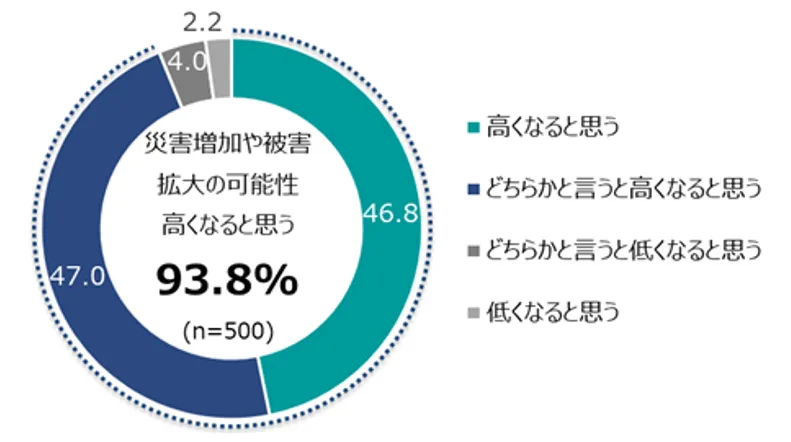
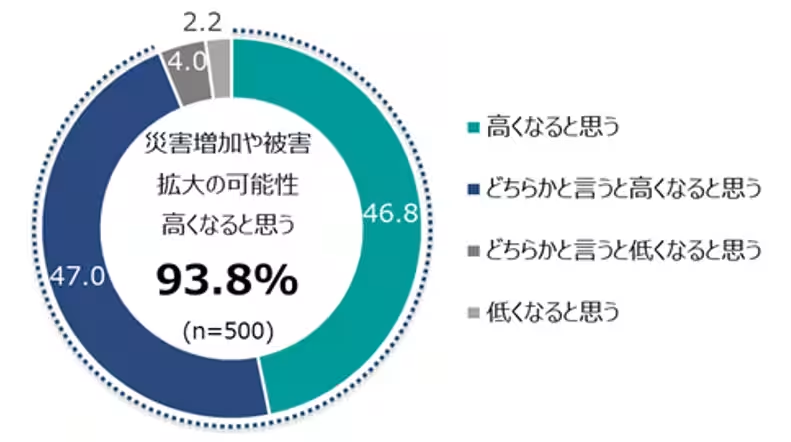
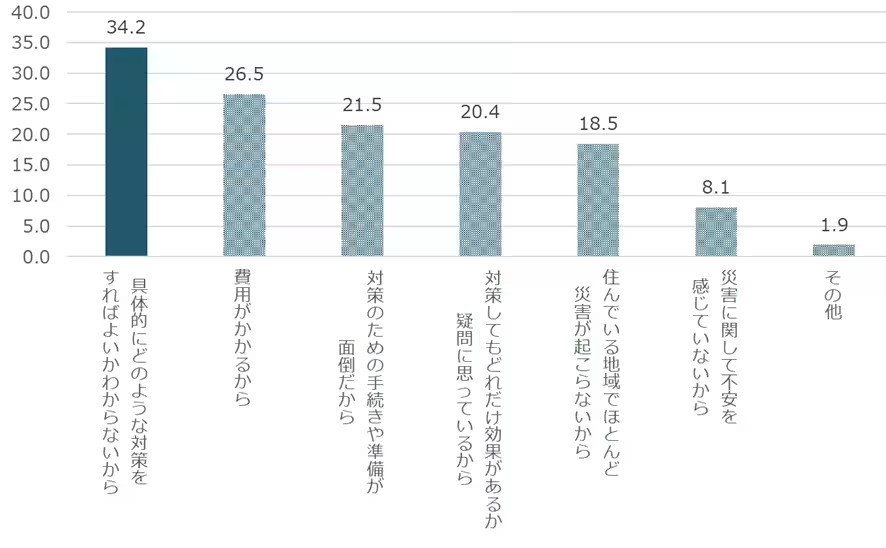
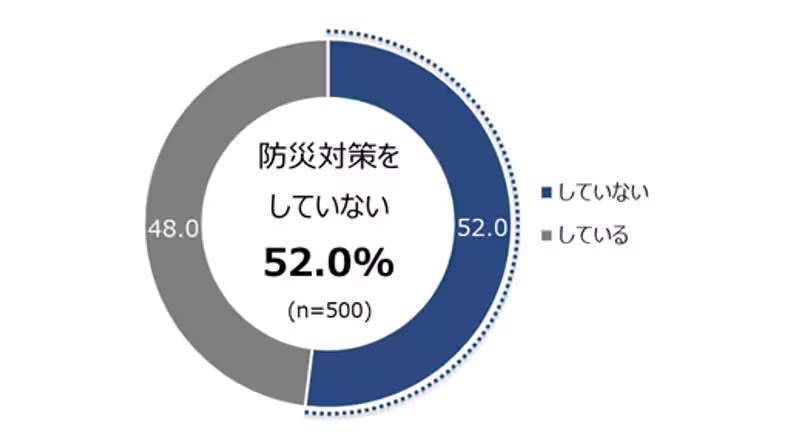
1. Concerns Over Disaster Increase: While 93.8% of participants anticipated an increase in disasters and associated damages, 52% reported not having implemented any disaster preparedness measures. The primary reason cited was a lack of understanding regarding effective actions to take, with 34.2% of respondents indicating this as their concern.
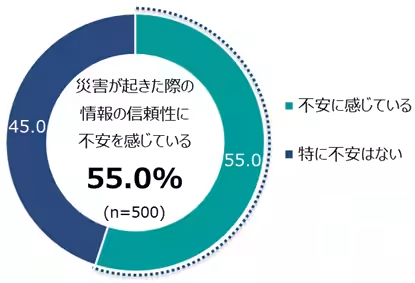
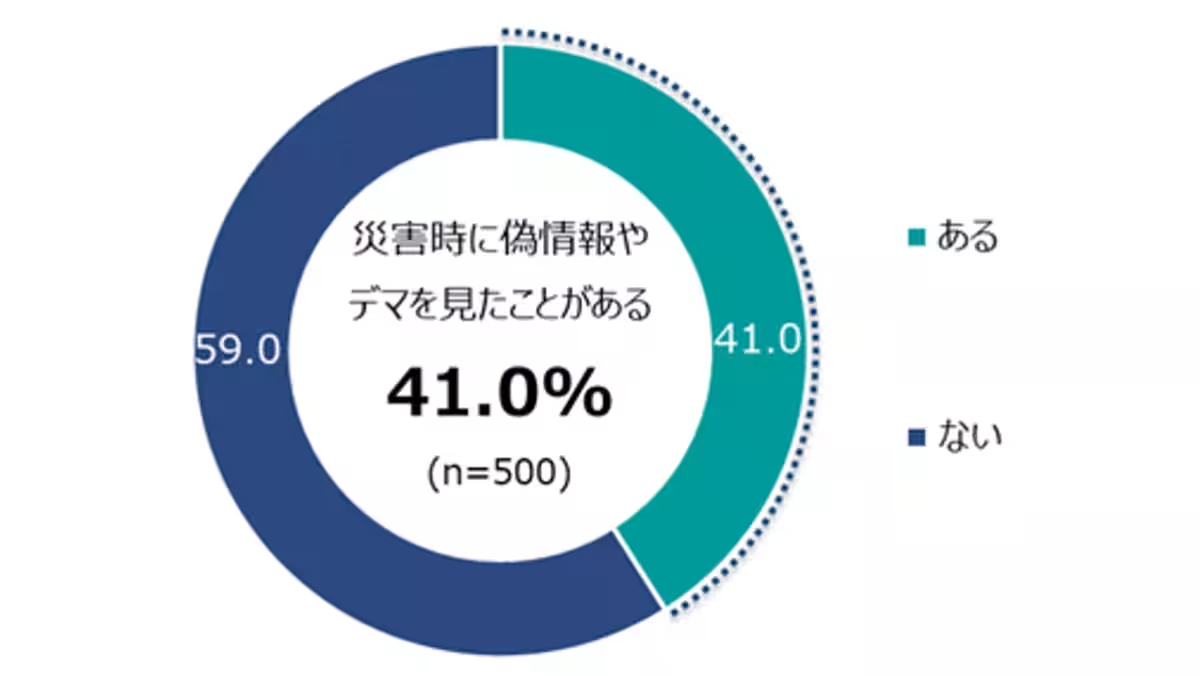
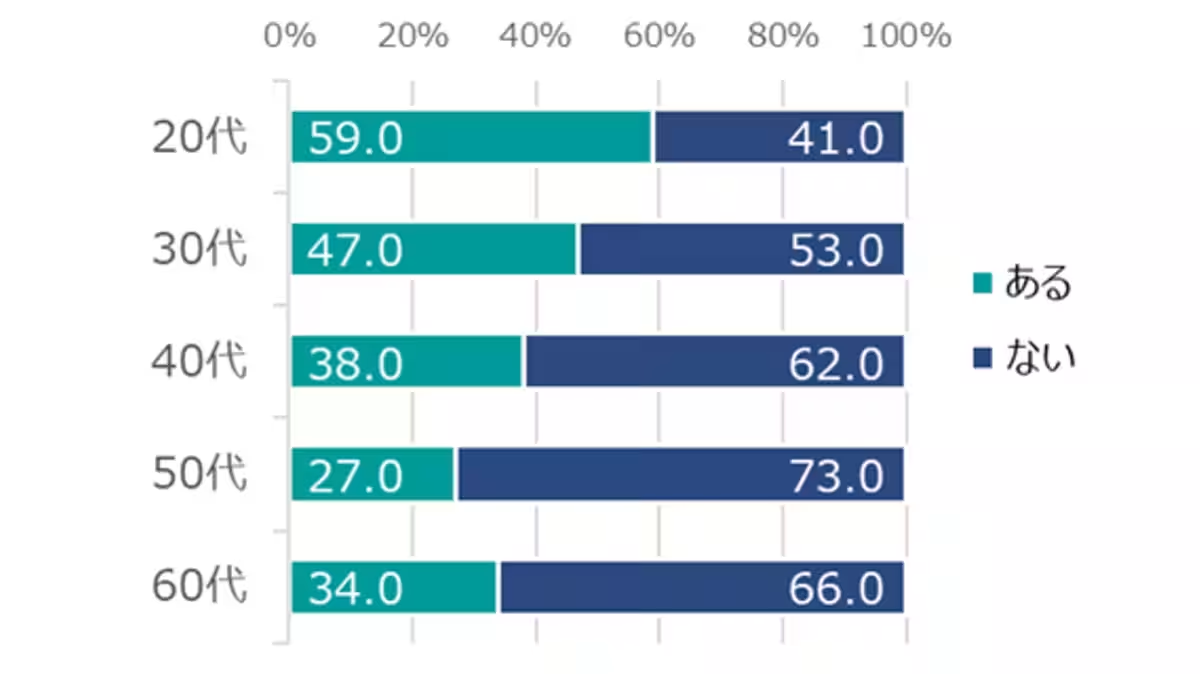
2. Worries About Misinformation: More than half of the participants (55%) felt anxious about the reliability of information available during disasters. Alarmingly, 41% of respondents admitted to having encountered misinformation, particularly among younger respondents, where nearly 60% of those in their 20s had seen misleading information during emergencies.
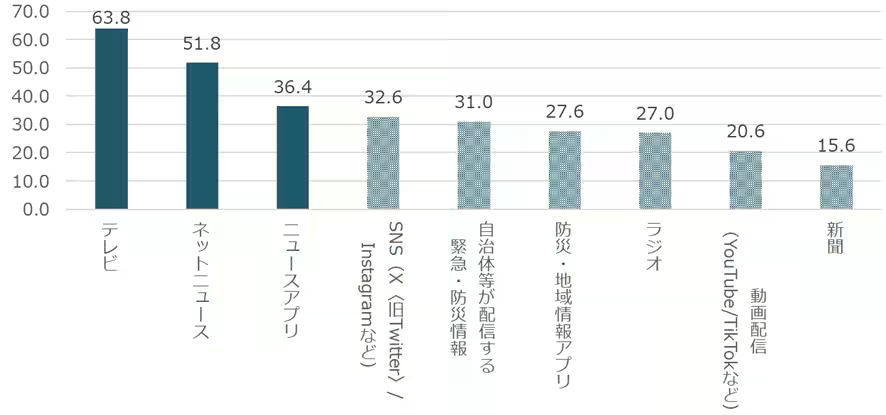
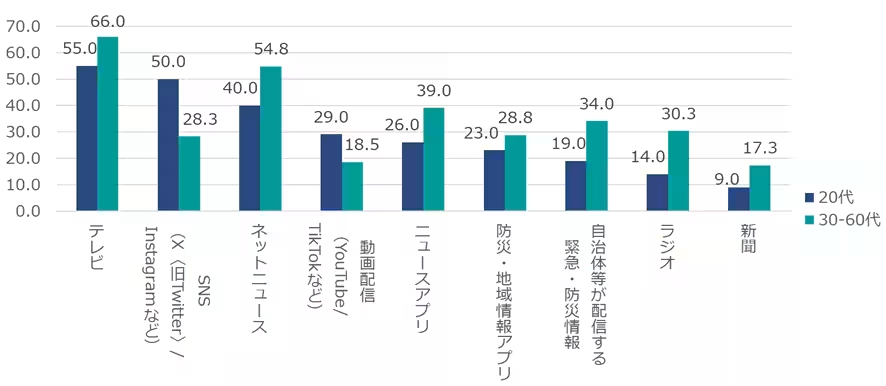
3. Information Sources Used During Disasters: The primary tools for gathering information during disasters were found to be television (63.8%), online news (51.8%), and news apps (36.4%). Among the younger demographic, 50% utilized social media platforms for updates, which shows a divergence in traditional vs. modern information gathering habits.
Detailed Breakdown
The Paradox of Awareness and Inaction
While the overwhelming majority recognizes the increasing risk posed by disasters, the fact that over half of those surveyed aren't taking proactive steps for preparedness reveals a disconnect. The survey indicated that participants were unsure of how to proceed with disaster readiness, primarily due to a lack of clear guidance. The barrier appeared to be the perceived complexity and cost associated with implementing safety measures.
The reported reasons for inaction ranged from misconceptions about the costs (26.5%) to the inconvenience of required actions (21.5%). This not only illustrates a significant gap in awareness and action but also highlights a pressing need for accessible information.
Perception of Misinformation's Impact
Hamada’s analysis emphasized the rising threat posed by misinformation during disasters. The results indicate that younger individuals, who are increasingly relying on fast-paced social media for news updates, are particularly vulnerable to encountering false information. The risk escalates when individuals inadvertently spread inaccuracies, leading to potentially dangerous situations. The ease of sharing information online can result in what has been termed an "information disaster," where chaos ensues due to conflicting messages.
Tools for Obtaining Accurate Information
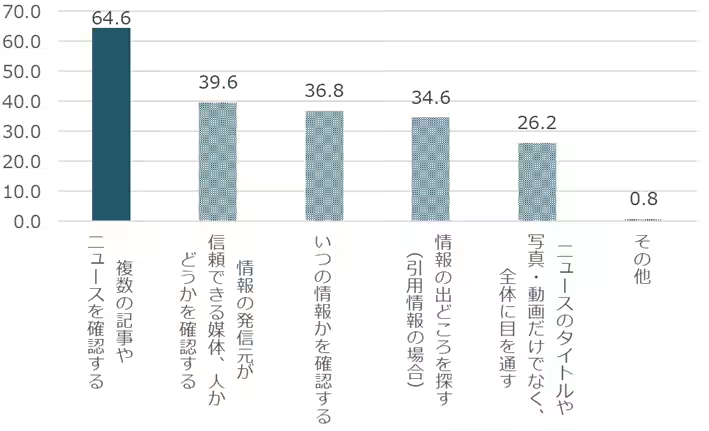
In navigating the complex landscape of news during catastrophic events, participants reported that cross-referencing multiple sources was essential. Over 64% stated they made a habit of checking various news articles and reports to confirm accuracy. This practice is crucial to avoid being misled by fake news or unreliable sources, underscoring the importance of critical thinking in times of crisis.
Recommendations for Disaster Preparedness
Hamada suggests that preparing for disasters starts with the individual. Self-rescue strategies are critical, as ensuring one’s own safety increases the chances of helping others, including family and friends. He advocates for practical steps such as utilizing a rolling stock of food supplies and securing household items. Regularly reviewing these measures, even once a year, can make a considerable difference in readiness during actual emergencies.
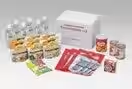
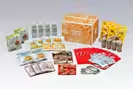
In addition, Secom has introduced safe and accessible products like their "Hot Emergency Food Set"—designed to provide warmth and nutrition during critical times. These proactive measures, combined with effective information sourcing strategies, can contribute to improving personal safety in disaster scenarios.
To mitigate the impact of misinformation, it is vital for individuals, especially the younger generation, to engage thoughtfully with the news. By taking a moment to verify claims before sharing, everyone can reduce the potential chaos brought by misleading information.
- ---
To further reinforce readiness, Secom has developed valuable resources such as the "Secom Crime Prevention and Disaster Blog", where experts share insights and practical safety tips to enhance community awareness and preparedness.
Stay informed, stay connected, and prioritize safety in the face of disaster threats.
Conclusion
The findings from Secom's study serve as a wake-up call. There is a pressing need for better disaster preparedness while being cognizant of the second wave of risks posed by misinformation. Awareness and action go hand in hand; it's critical that individuals equip themselves to safely navigate the challenges of modern emergencies.

Topics Policy & Public Interest)
【About Using Articles】
You can freely use the title and article content by linking to the page where the article is posted.
※ Images cannot be used.
【About Links】
Links are free to use.