



The Rising Trend of Self-Investment: 40% Cite Financial Anxiety as Key Driver
The Rising Trend of Self-Investment
In a recent survey conducted by For-IT Co., which operates the affiliate platform afb, insights gathered from 500 individuals across various demographics reveal a significant trend in self-investment strategies. Driven by factors such as financial anxiety, changing lifestyles, and advancements in AI, more individuals are looking to better themselves through education and skill development.
Background of the Survey
Given the current climate of extended NISA policies, changes in employment regulations, and the pervasiveness of AI technologies, the survey aimed to understand the motivations behind these self-investment decisions. Financial anxiety and apprehensions regarding career longevity seem to be prime catalysts pushing individuals toward self-improvement initiatives.
Survey Overview
- - Participants: 500 men and women aged between 10 and 60
- - Method: Online research
- - Conduct Date: March 2, 2026
Survey Question
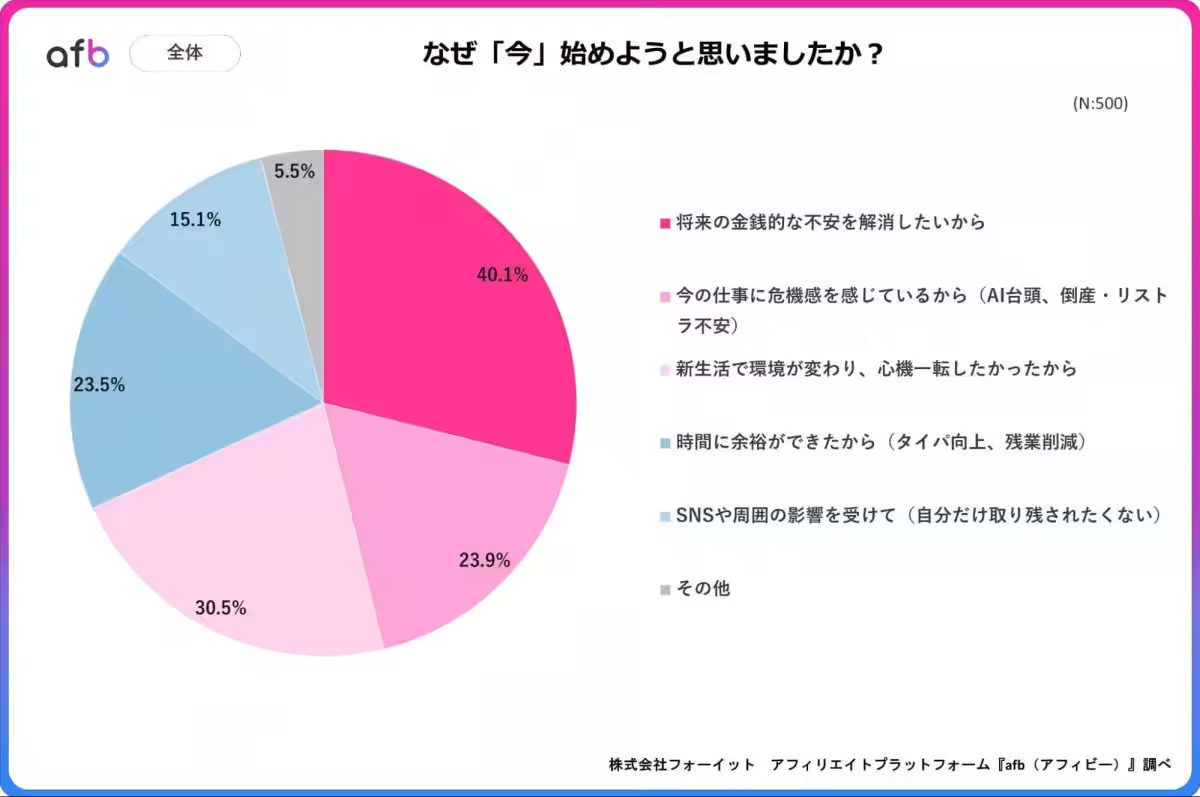
The pivotal question posed to participants was: Why are you thinking of starting self-investment now?
Key Findings
Responses to the survey question revealed several key themes:
1. Desire to Resolve Financial Anxiety (40.1%)
2. Career-related Anxiety (23.9%) due to the rise of AI and fears of job loss
3. Desire for a Fresh Start (30.5%) amid changing life circumstances
The significance of these findings is further emphasized when looked at through the lens of age demographics.
Variances in Motivations Across Generations
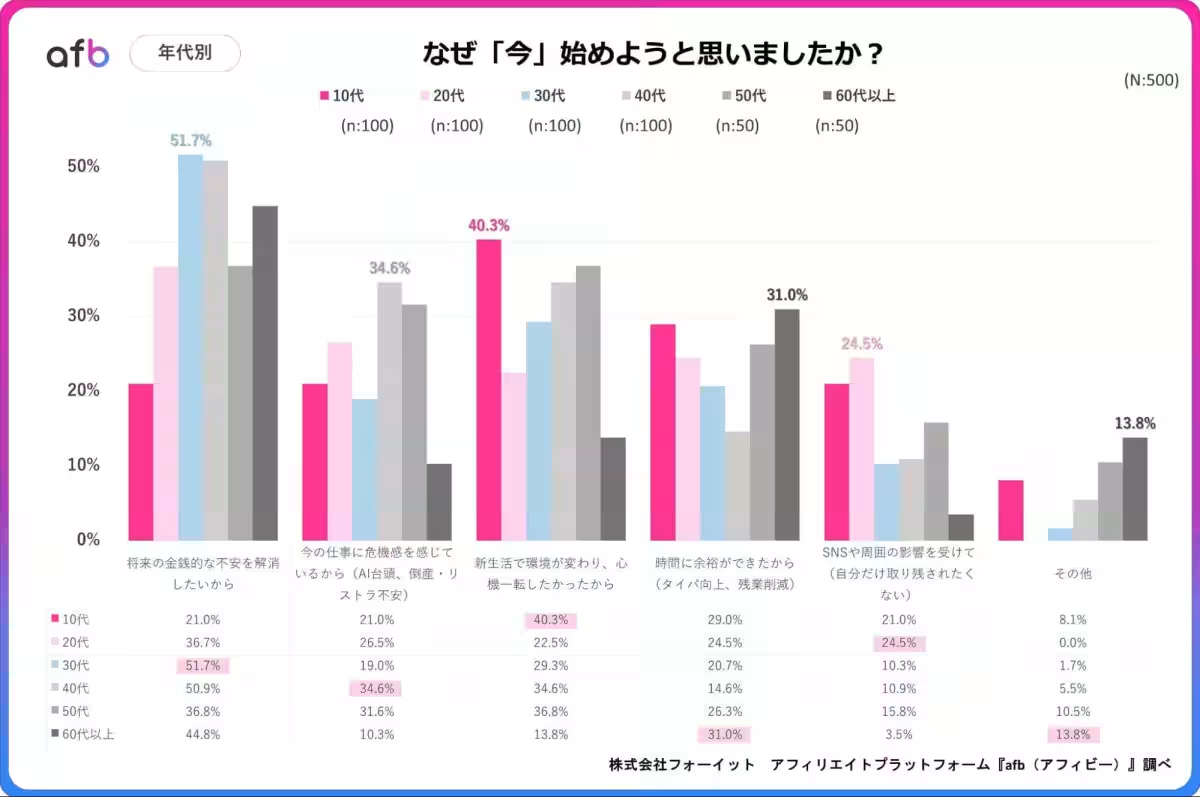
The survey uncovered distinct motivations related to the age of participants. The results indicated that:
- - Young Adults (20s-30s): Displayed a marked concern for financial stability, with a substantial percentage citing it as motivation. Participants in their 30s and 40s particularly felt the pressure of rising living costs and fears surrounding retirement, signaling a societal shift towards proactive financial planning.
- - Middle-aged Individuals (40s-50s): Experienced heightened anxiety towards job security as AI technologies evolve, revealing that even those in seemingly stable careers felt the need to bolster their skills.
- - Teenagers: Showed a remarkable inclination towards starting anew, with many correlating their motivation to significant life changes such as entering higher education or new jobs.
Notably, social influences—particularly from social media—were instrumental in shaping the motivations for individuals in their 20s.
Employment Insights: Impact of Job Types on Self-Investment
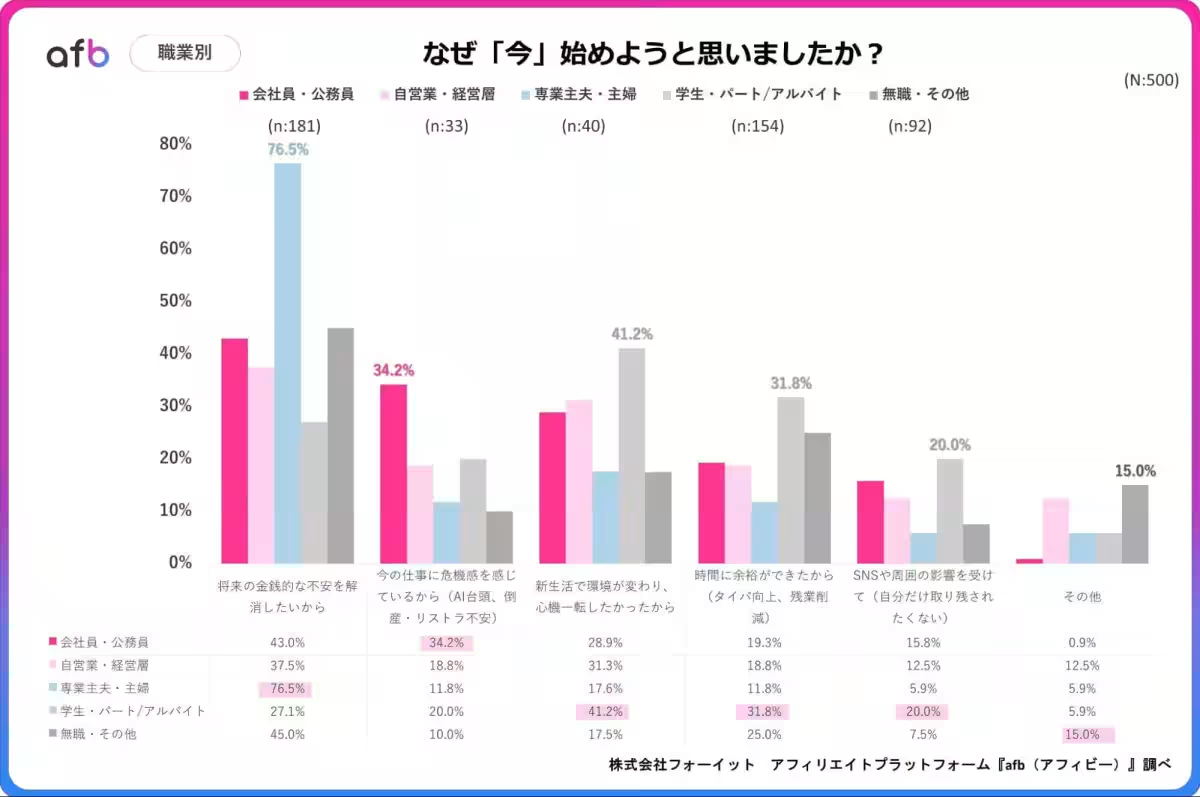
The survey results further illustrated variances based on employment types:
- - Employees: A noteworthy 43.0% reported wanting to tackle financial insecurity. Additionally, 34.2% felt threatened by their current jobs, indicating that even stable positions are no longer synonymous with security.
- - Self-employed and Executives: Adaptability to changing environments accounted for 31.3% of their responses, suggesting an inclination towards innovation and entrepreneurship in their self-investment strategies.
- - Stay-at-home Parents (76.5%): Almost three-quarters cited financial anxiety as the primary motivator. This demographic indicated a strong resolve to invest in skills that would secure family financial health amid rising costs of living.
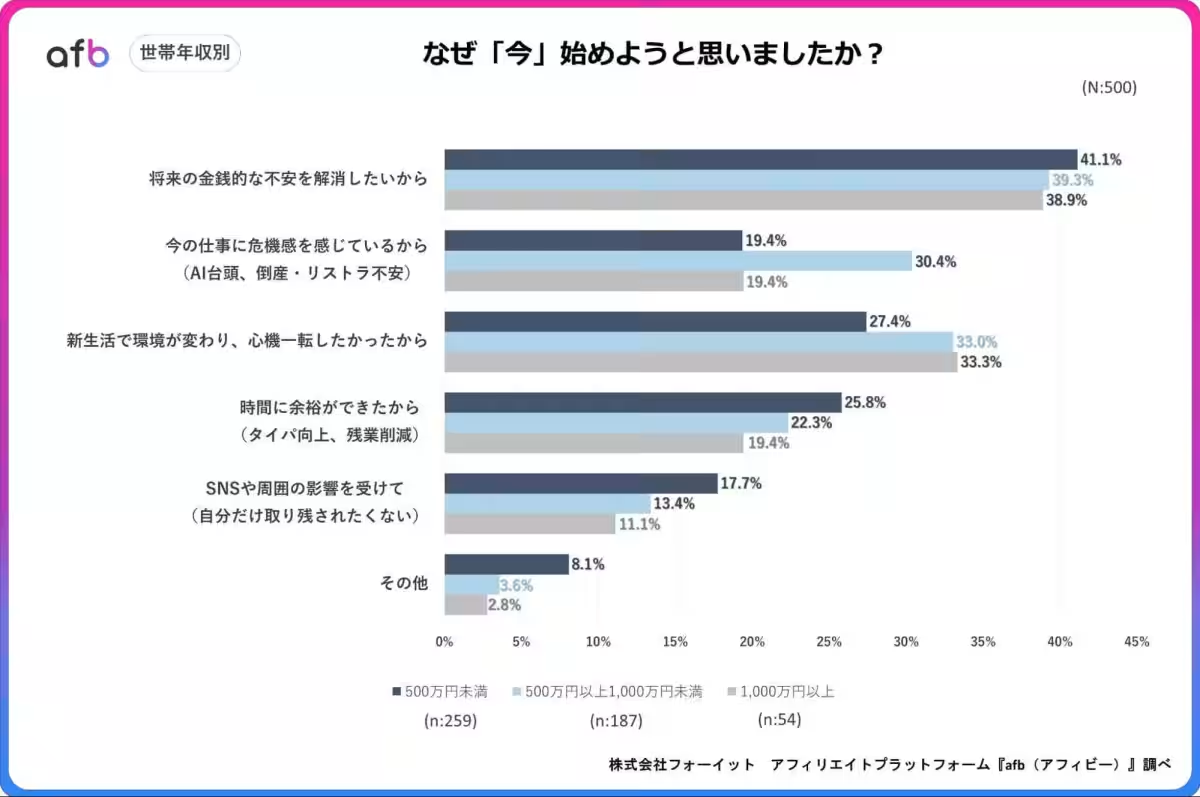
Income Influence on Self-Investment Motivation
Income level emerged as another crucial driver behind the decision to engage in self-investment:
- - Among households earning less than $50,000, the fear of financial instability accounted for 41.1% of motivators, indicating how critical cost of living changes impact personal investment decisions.
- - Even among those making over $100,000, 38.9% expressed that they were still concerned about their future, suggesting that financial security is a common apprehension across the board.
- - Middle-income earners were particularly impacted by pressures to maintain lifestyle standards, pushing them towards upskilling or pursuing additional income sources.
Conclusion: Trends and Implications
The overarching narrative that emerges from this survey suggests that self-investment is now viewed as a necessary endeavor, driven largely by economic variables and evolving job markets. Individuals across age groups recognize the importance of enhancing their skills for career resilience whilst addressing their financial fears. As societies continue to develop amidst rapid technological change, the call for proactive self-investment reflects a trend that may well shape future workforce dynamics.
The results underline the need for more discussions around personal finance education and the resources available to foster self-improvement across various demographics, ultimately serving to empower individuals amidst uncertainty.


Topics People & Culture)

【About Using Articles】
You can freely use the title and article content by linking to the page where the article is posted.
※ Images cannot be used.
【About Links】
Links are free to use.