



Yamanashi Junior Ambassador Program: Day Three Insights on Life, Environment, and Society
Yamanashi Junior Ambassador Program: Day Three Highlights
Introduction
The Yamanashi Junior Ambassador Program is designed to cultivate children aged 9 to 12 as ambassadors who can speak about the beauty and challenges of Yamanashi. On December 15, the program reached its third day, focusing on crucial themes such as life, environment, and society. Through various experiences, the participating children began to connect their emotions to actionable proposals aimed at improving their community.
Encountering Animal Welfare
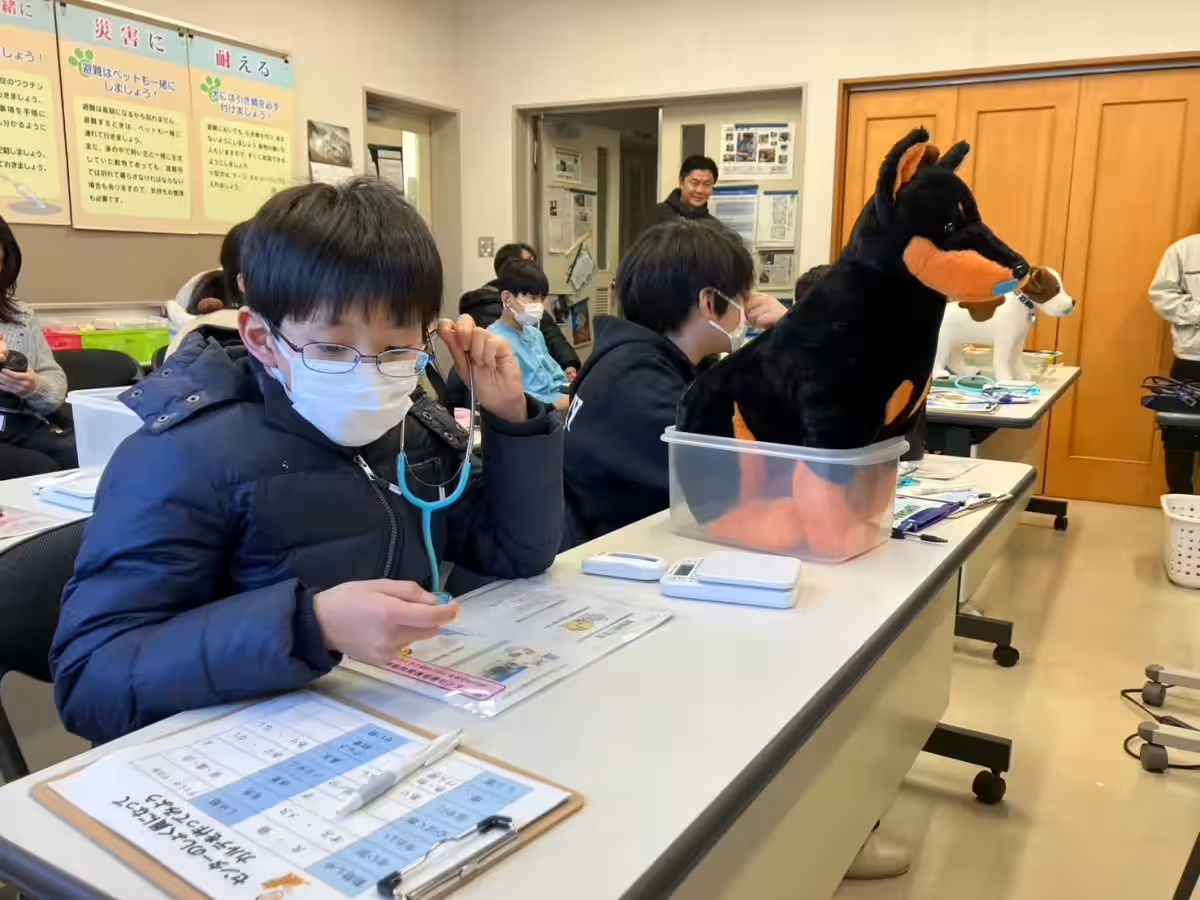
The morning began at the Animal Welfare Guidance Center, where the children learned about the center's operations and its role in protecting animals. Upon seeing the sheltered dogs, many children exclaimed, "How sad!" However, staff informed them that Yamanashi Prefecture has transitioned to a no-kill policy, focusing on initiatives that preserve life.
This realization allowed the children to understand that what starts as an emotional reaction—"sadness"—could lead to awareness about societal changes. They began to question why human involvement is necessary and what responsibilities we hold toward life itself. Through this experience, they embraced Yamanashi's commitment to facing the challenge of animal welfare.
Understanding Circular Societies
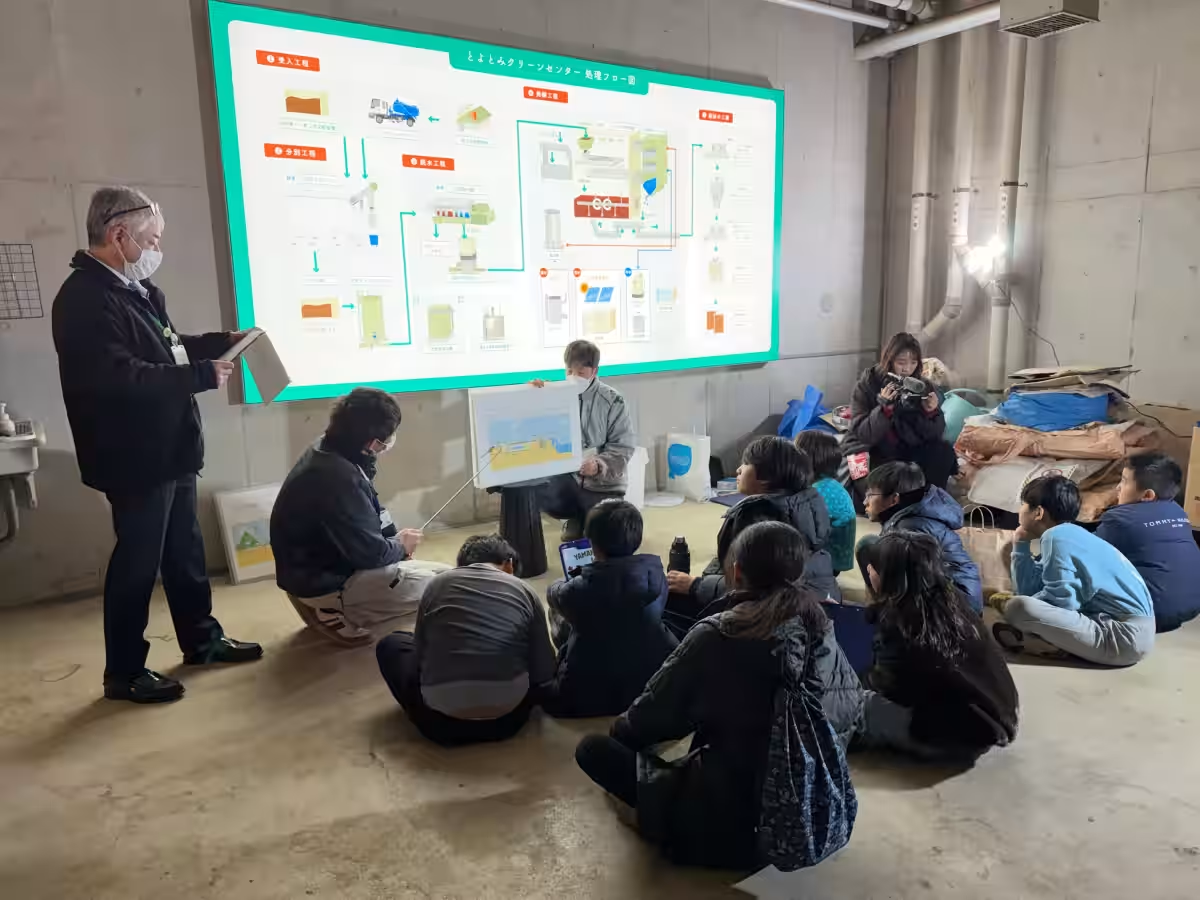
In the afternoon, the program moved to Toyotomi Clean Center where children explored how waste is processed and its link to agriculture and environmental sustainability. Upon arriving, the strong odor of the composting facility prompted some honest reactions of disgust. But shortly after, children exclaimed, "But this connects to the fields we grow food in!" and "Things we throw away can be repurposed!"
This transformative recognition emphasized that engaging with the environment personally allows children to internalize the issue of waste as part of their lives—an important aspect of building a sustainable future.
From Learning to Sharing
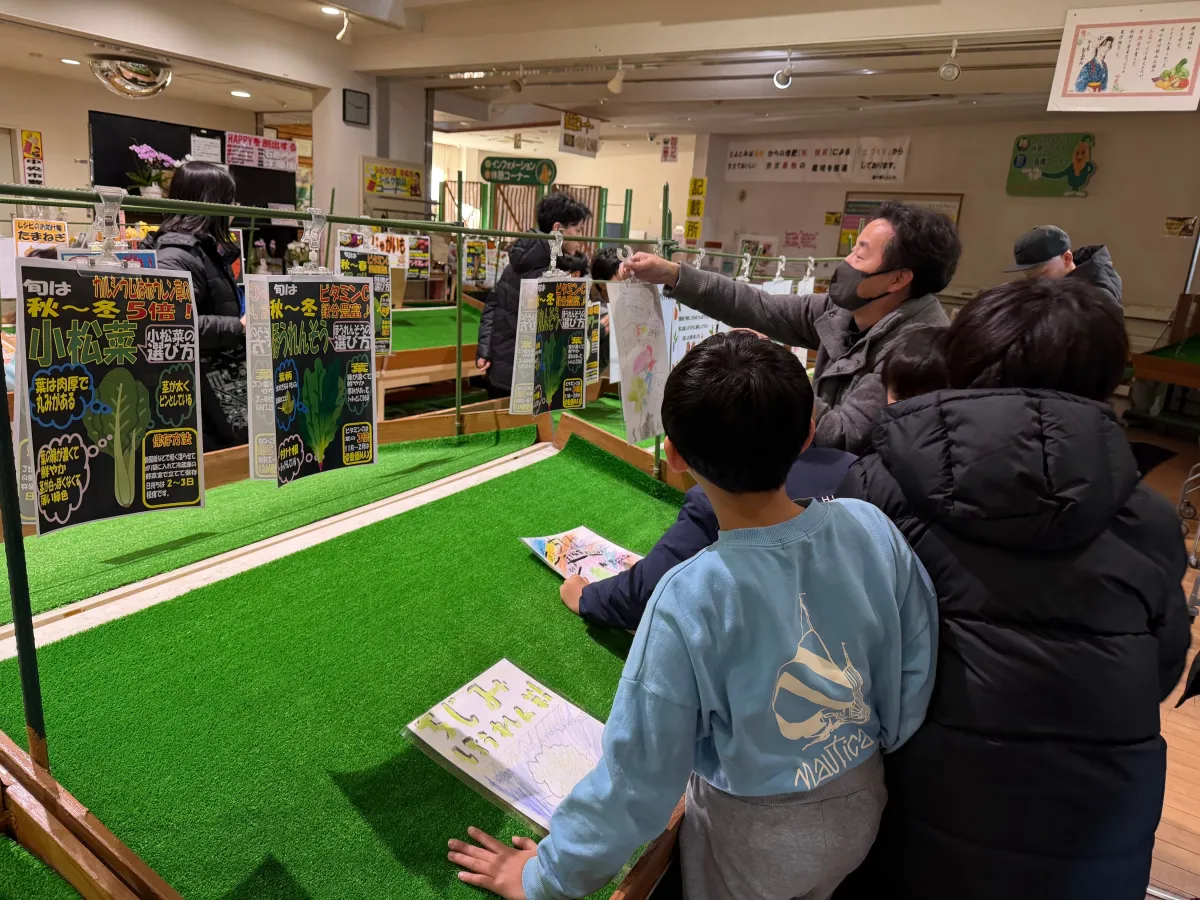
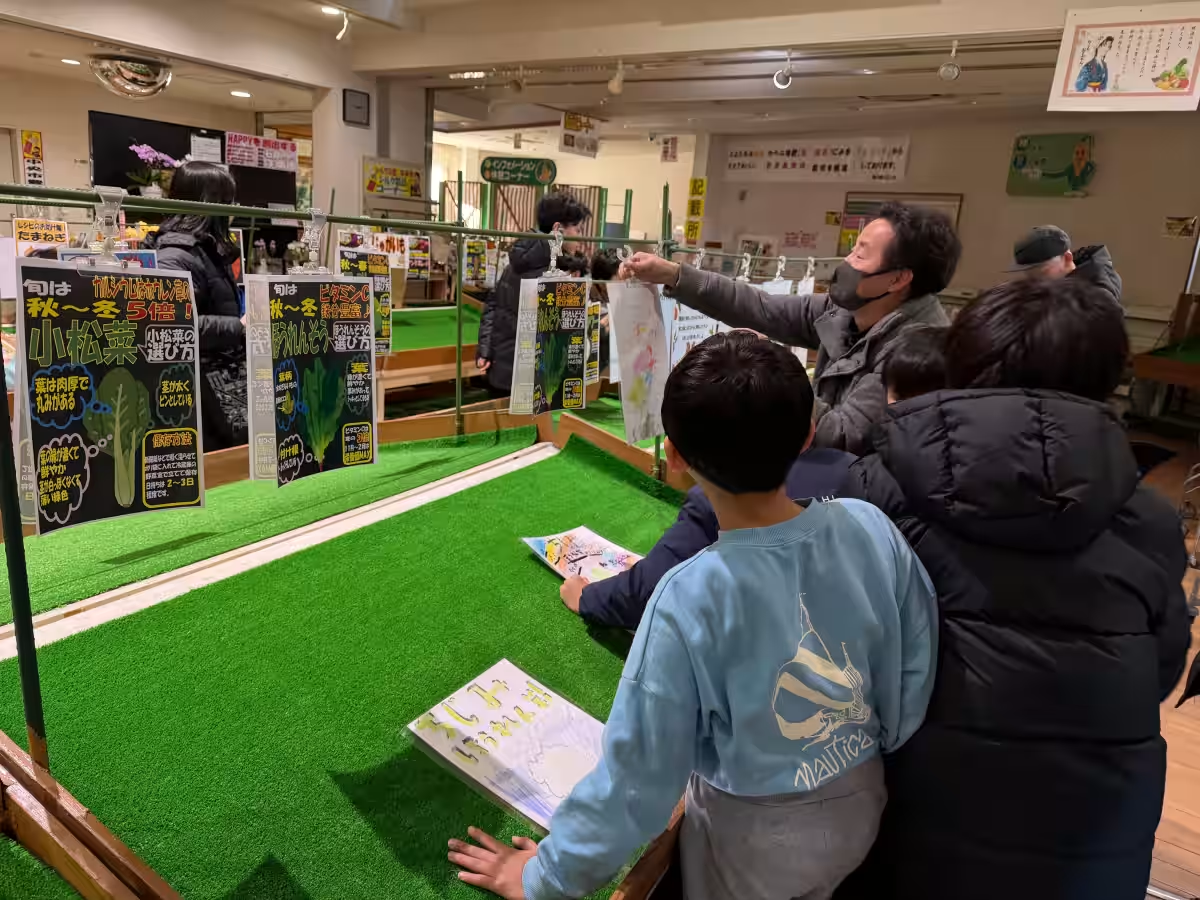
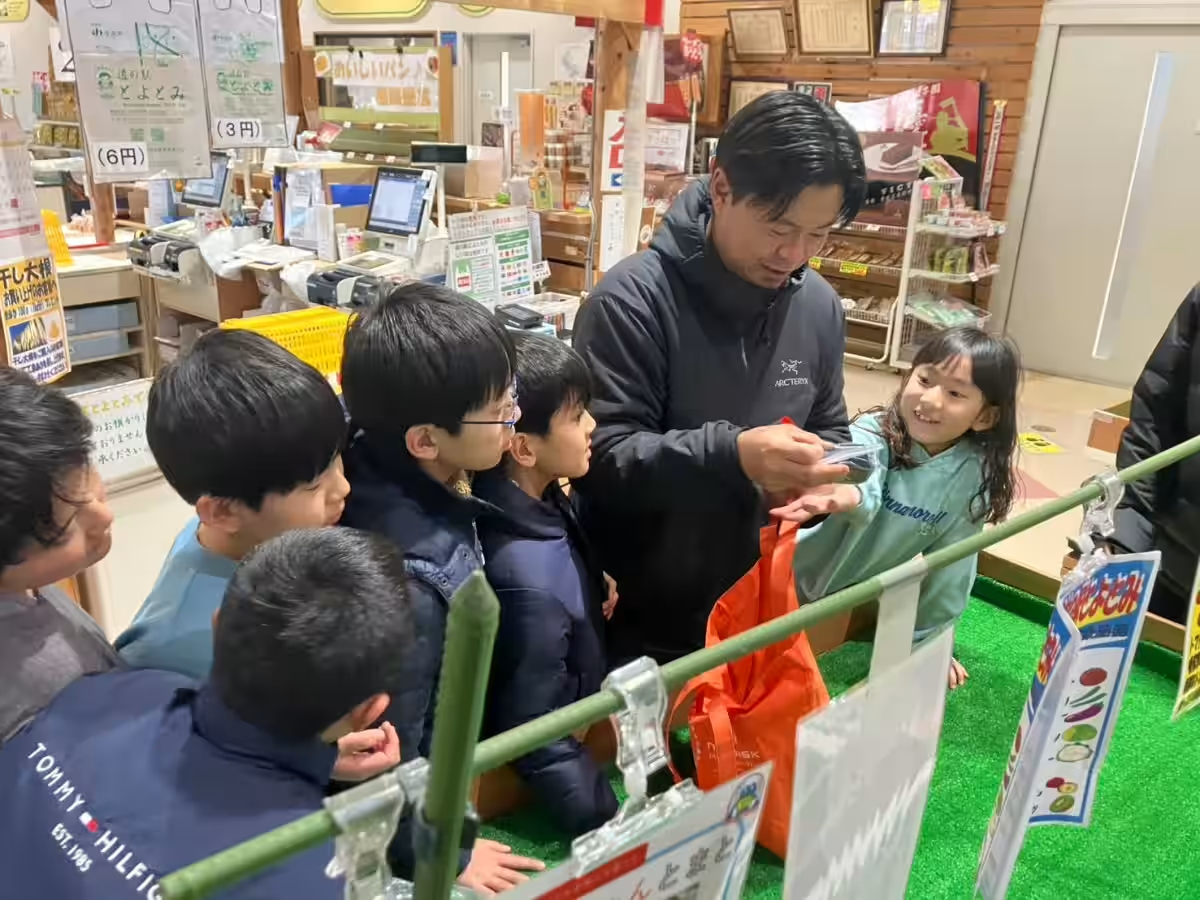
Later, at Toyotomi Road Station, the children saw their previously designed POP (point-of-purchase) displays for 'Chijimi Spinach' on actual shelves, confirming that their words and creativity influence others' actions. This realization reinforced their confidence and sense of ownership over their work.
As the day progressed, they officially prepared for their presentations to the prefectural governor scheduled for the following day. They reflected on their experiences and began to articulate what insights they had gained, why they viewed certain issues as problems or opportunities, and how they could contribute to enhancing Yamanashi’s appeal.
The Educational Approach of Yamanashi
Unlike traditional teaching models focused on rote learning, the Yamanashi Junior Ambassador Program emphasizes experiential education. The goal is to stimulate emotions and thoughts and empower children to express their ideas and proposals towards society. This approach aims to cultivate not just knowledge but critical thinkers who can engage with their community positively.
Looking Forward
On the final day, children will present their ideas directly to the governor of Yamanashi, showcasing innovative concepts they believe could enhance the prefecture's attractiveness. This isn't just a presentation; it's a chance to share their reflections and proposals stemming from their unique experiences throughout this journey.
Day three proved to be a pivotal moment—children transitioned from being solely learners to active participants eager to advocate for change in society. Their engagement instills life skills, commitment to environmental stewardship, and a strong community orientation.
Conclusion
As they prepare to pitch their proposals, these young ambassadors step into roles that could catalyze societal change. Through the Yamanashi Junior Ambassador Program, they are not just learning about Yamanashi's treasures but are also empowered to imagine and articulate a brighter future for their communities.
Topics People & Culture)

【About Using Articles】
You can freely use the title and article content by linking to the page where the article is posted.
※ Images cannot be used.
【About Links】
Links are free to use.