



Identifying Ideal Leadership Styles: Insights from Management Executives
Understanding Ideal Leadership: Insights from The New Survey
In today's rapidly changing corporate environment, the expectations for management roles are becoming increasingly diverse and complex. A collaborative effort by ALL DIFFERENT Inc., a consulting firm based in Chiyoda, Tokyo, and the Learning Innovation Research Institute, aimed to explore the perceptions of management roles among employees by conducting an extensive survey from May 20, 2025, to July 17, 2025. This survey targeted 531 managers across various sectors, focusing on their ideal leadership style and experiences that have influenced their leadership capabilities.
Background
The managerial role is evolving, and it's crucial to understand what constitutes an ideal leader in the eyes of various management levels. In a previous survey conducted among new employees, the most endorsed type of superior was someone who corrects mistakes. However, how do current managers envision their ideal leaders? This recent survey aimed to illuminate the leadership styles that managers aspire to embody and the factors that influence their leadership effectiveness.
Overview of Survey Results
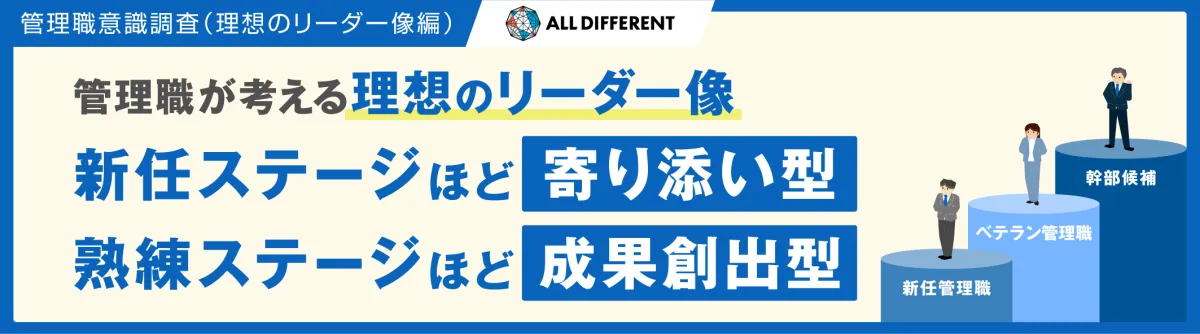
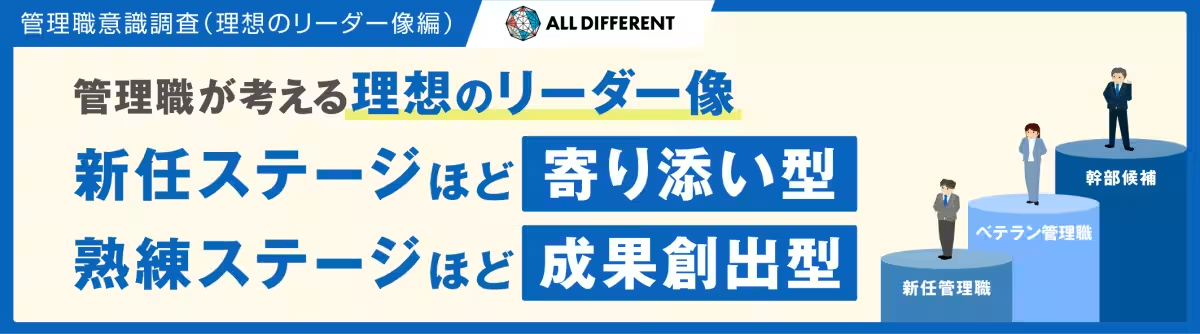
The survey reveals enlightening distinctions in the ideal leadership styles favored by managers at different career stages. While new and veteran managers tend to prefer a leadership style that focuses on supporting subordinates, potential executives are drawn toward leaders who are results-oriented and carry a strong sense of responsibility.
Key Findings:
1. Ideal Leadership Style Across Career Stages:
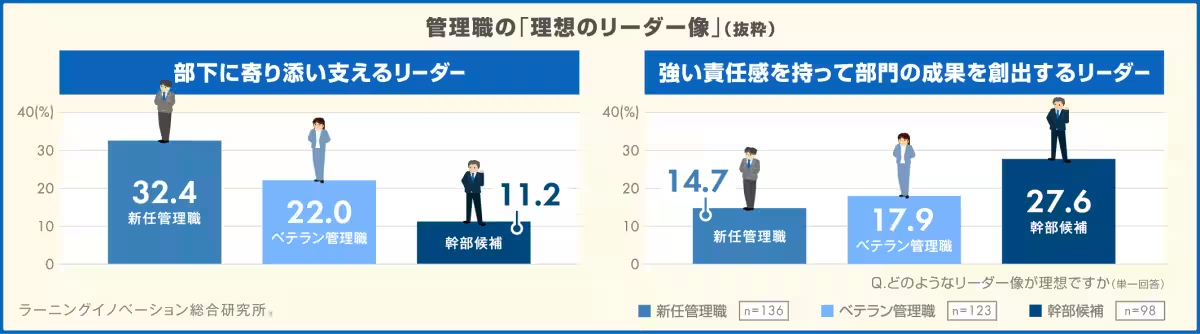
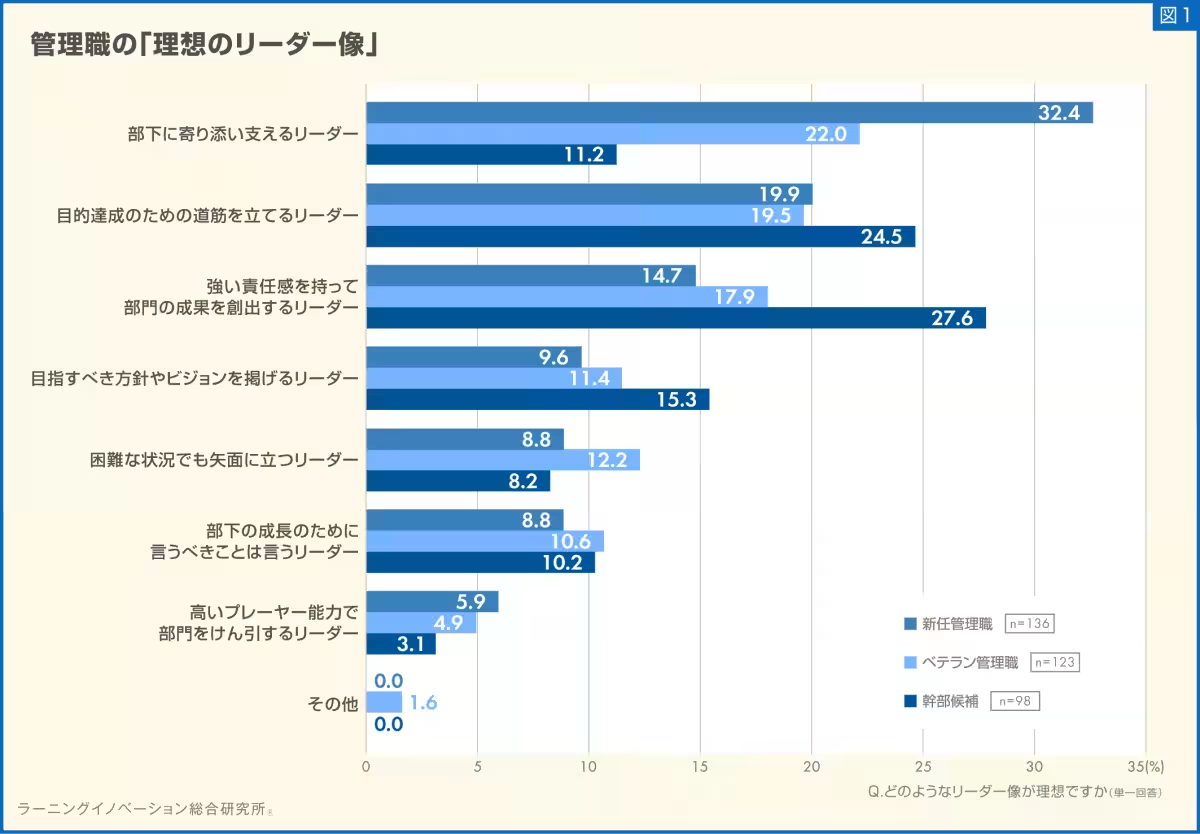
- For new managers (1 to 3 years), 32.4% expressed a preference for leaders who support and align with their teams.
- Veteran managers (4 or more years) favored similar traits, with 22% valuing supportive leaders.
- The highest preference for results-oriented leadership came from executive candidates, where 27.6% cited the importance of having a strong sense of responsibility in achieving departmental goals.
2. Positive Influences on Leadership Performance:
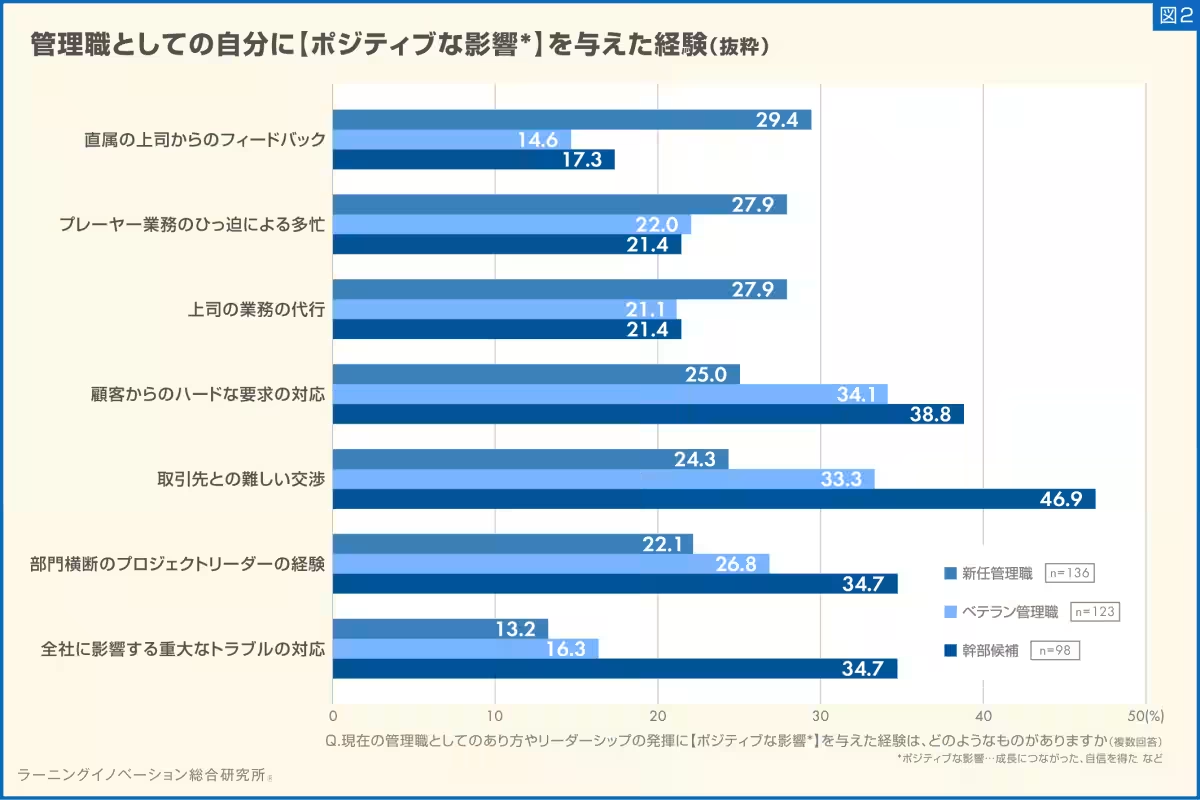
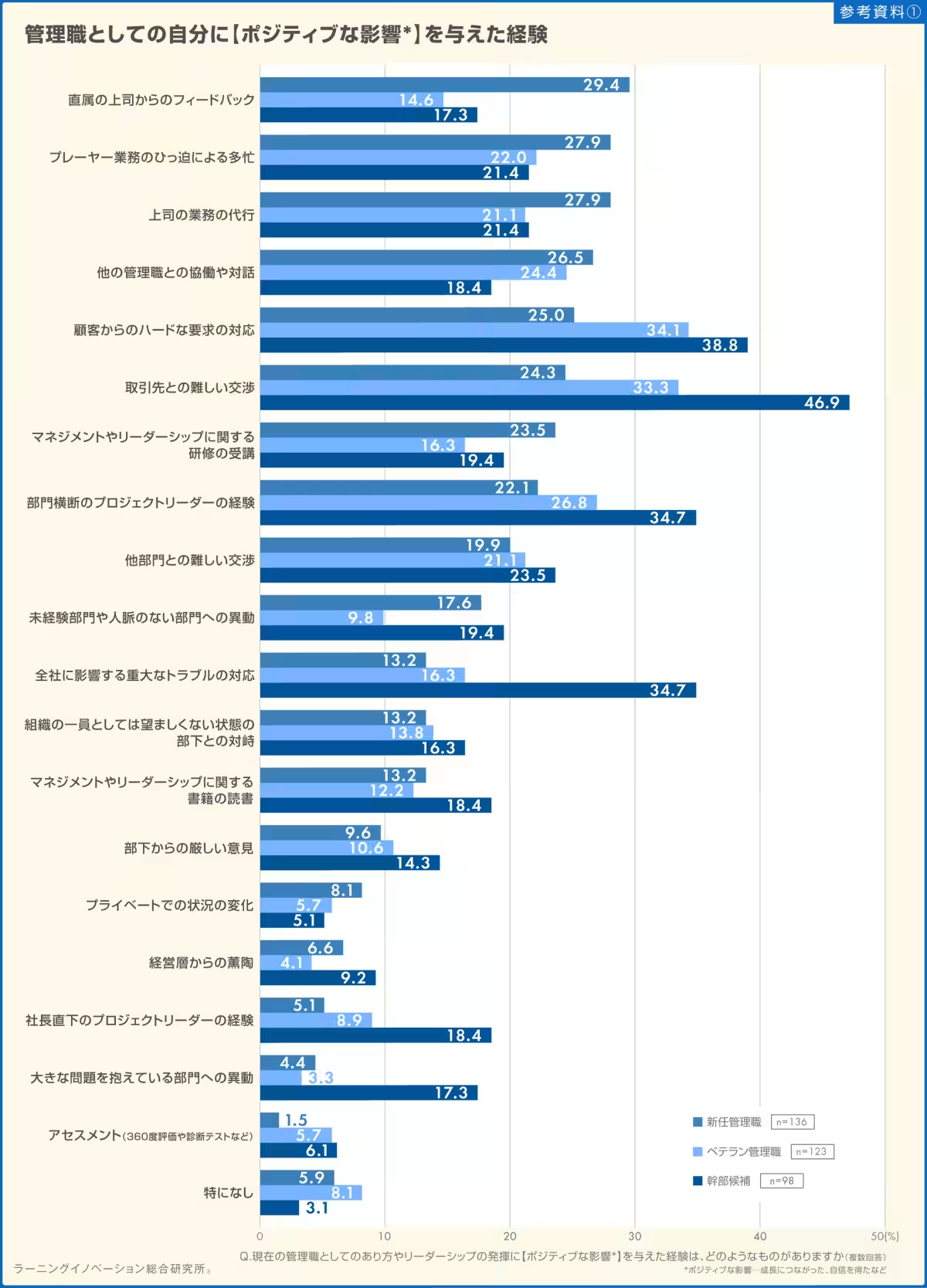
- New managers reported that feedback from supervisors (29.4%) positively influenced their leadership performance.
- Conversely, veteran managers highlighted their ability to meet tough customer demands (34.1%) as pivotal.
- Executive candidates attributed their success in leadership to navigating difficult negotiations with partners (46.9%).
3. Negative Impacts on Leadership Performance:
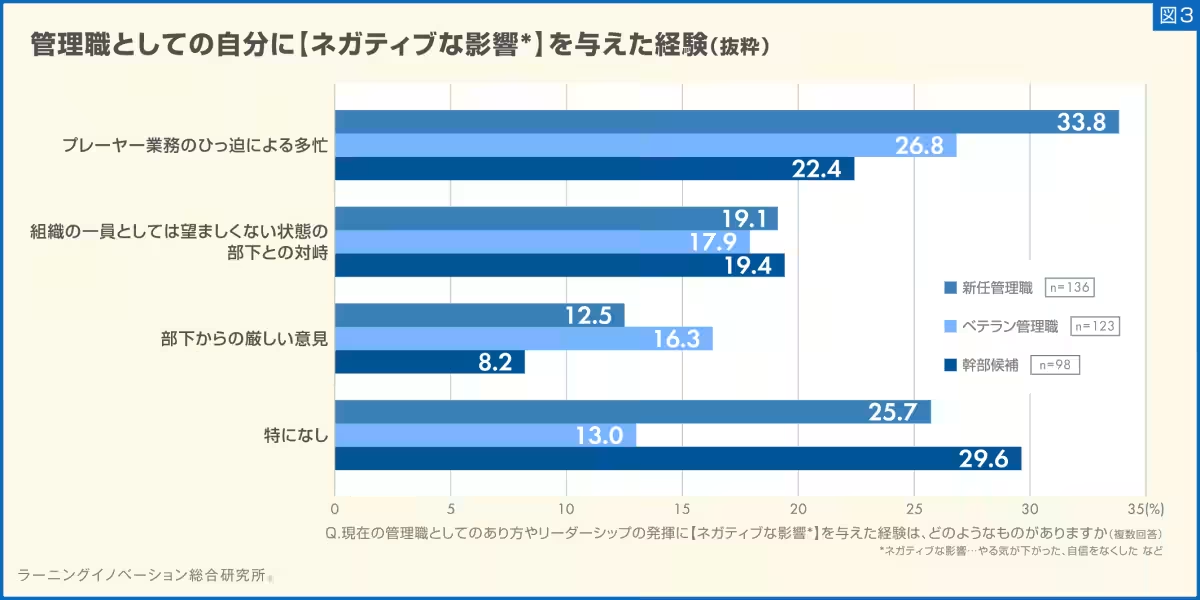
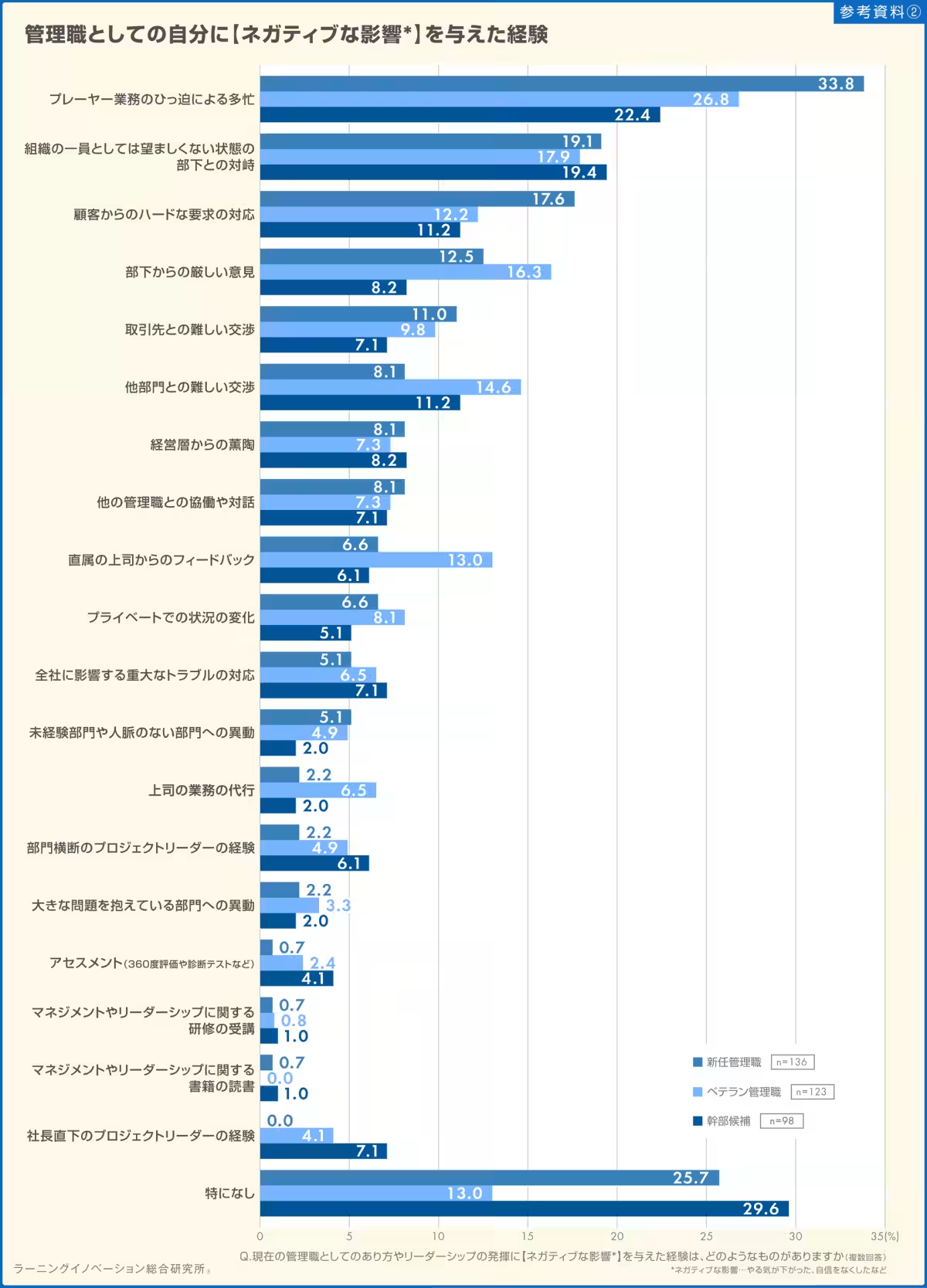
- A common challenge observed was the overwhelming workload faced by new and veteran managers due to essential player tasks (33.8% for new managers, 26.8% for veterans).
- Surprisingly, executive candidates mostly reported 'none' (29.6%) in negative influences, signaling their comfort with the pressures involved at their level.
Detailed Analysis
Upon dissecting the survey results, it becomes clear that supportive leadership is highly valued among new managers, likely due to their transitional phase where building trust with subordinates is crucial. This supports the notion that leaders in this early stage are focused on relationship building rather than immediate results. As managers gain more experience, however, there is a striking shift toward valuing strong responsibility and clarity in results, particularly for those on the executive track.
This inclination reflects an understanding that effective leadership evolves alongside experience and responsibility, with greater expectations for outcomes seen at higher managerial levels.
Conclusion
The findings from this survey provide significant insights into the expectations and experiences of management professionals. It highlights a clear trajectory from supportive leadership among new and veteran managers to results-driven leadership in executive candidates. The factors that positively influence leadership effectiveness also shift as managers climb the ranks, emphasizing the need for continued growth and adaptive strategies at various managerial levels.
Moving forward, organizations should incorporate mentorship and feedback systems to enable new managers to build strong foundations for their careers. For veteran and executive-level managers, creating opportunities for cross-departmental leadership experiences can enhance their problem-solving skills and broaden their perspective.
This study ultimately underscores the importance of understanding leadership development as a continuous journey influenced by both individual experiences and the evolving expectations within an organization.


Topics People & Culture)




【About Using Articles】
You can freely use the title and article content by linking to the page where the article is posted.
※ Images cannot be used.
【About Links】
Links are free to use.