



Preparedness Awareness and Stockpiling Survey: A Wake-Up Call for Disaster Preparedness
Awareness of Disaster Preparedness: Key Findings from a Recent Study
In a recent survey conducted by Loyalty Marketing Inc. in collaboration with the TOKYO FM radio program 'Mabuchi & Watanabe’s #BizTopi,' significant insights into disaster preparedness among residents in their 20s to 60s were unveiled. This survey, which ran from September 1 to September 3, 2025, has raised eyebrows particularly around the near 40% of individuals who admit not taking any disaster preparedness actions. Here are the core findings:
1. Earthquake Awareness Versus Inaction
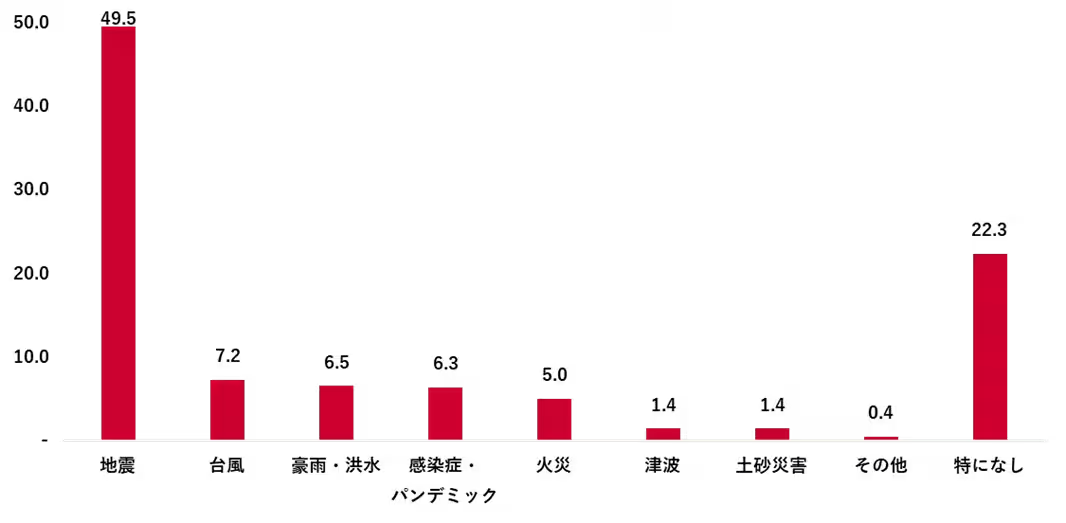
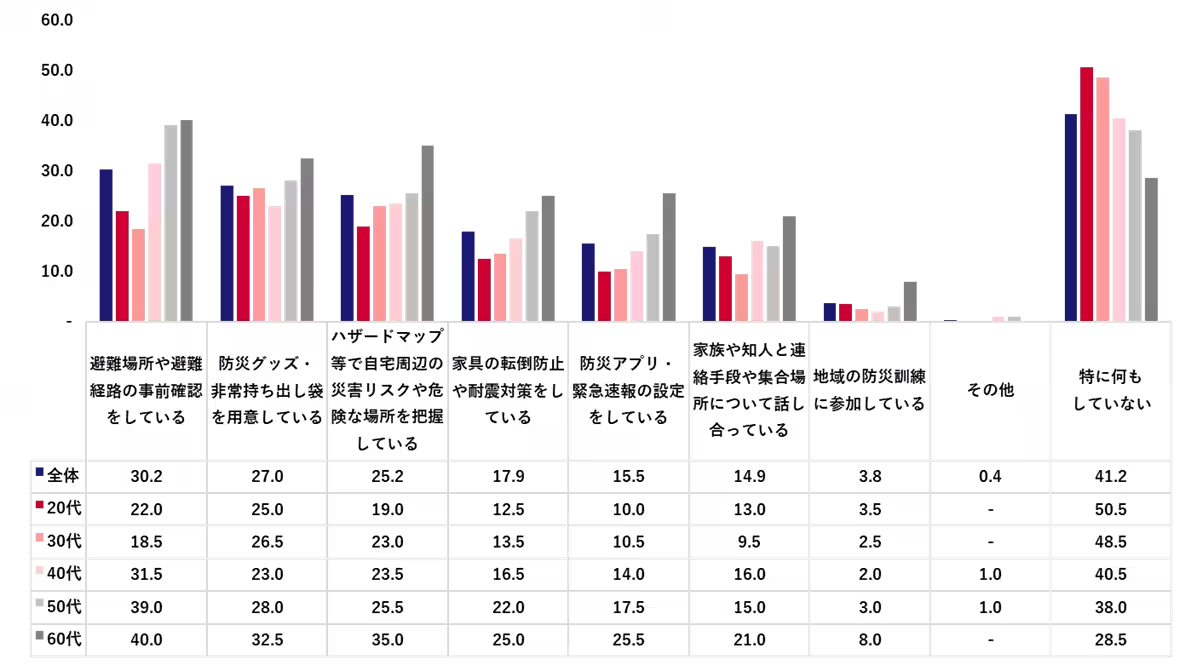
When asked about the disasters they are most concerned about, an overwhelming 49.5% of respondents cited 'earthquakes' as their top worry. In stark contrast, only 7.2% recognized 'typhoons' as a significant threat. Alarmingly, 22.3% of participants indicated that they felt no particular concern regarding any disaster at all. Moreover, when it came to actual preparedness measures, 41.2% admitted to doing nothing at all. The responses further revealed that only 30.2% checked evacuation locations and routes prior to disasters, while a mere 27% prepared emergency supplies.
2. Stockpiling: A Minor Concern
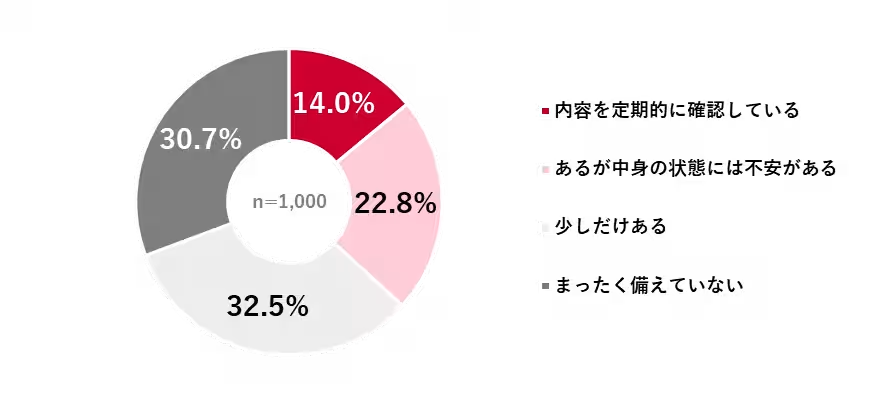
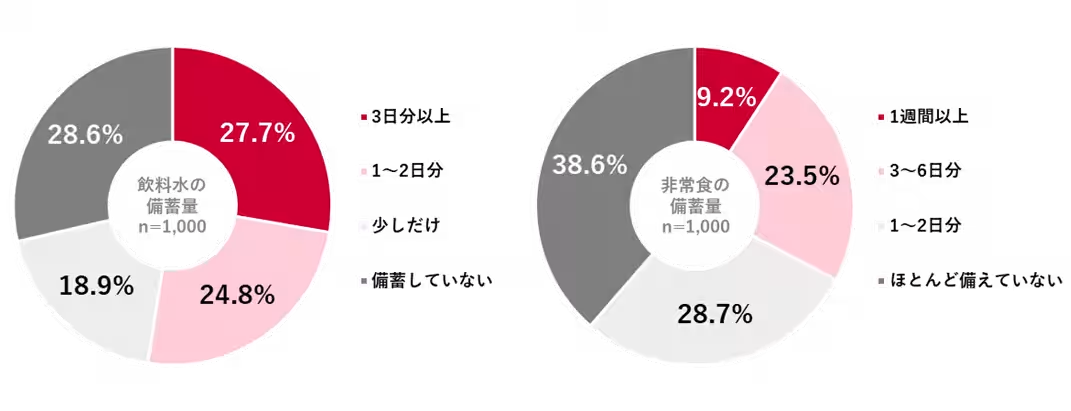
The survey also delved into the stockpiling habits of participants, revealing that 'only a small amount' of supplies was most common (32.5%), followed closely by 30.7% admitting to having no supplies at all. Only a small fraction felt confident in the status of their stockpile, with many admitting they didn’t even check it regularly. Specifically, 28.6% of respondents reported having no stored drinking water, while another 38.6% confessed to having hardly any emergency food supplies. These statistics are concerning considering the frequency and intensity of natural disasters.
3. Essentials: What Are People Stocking Up On?
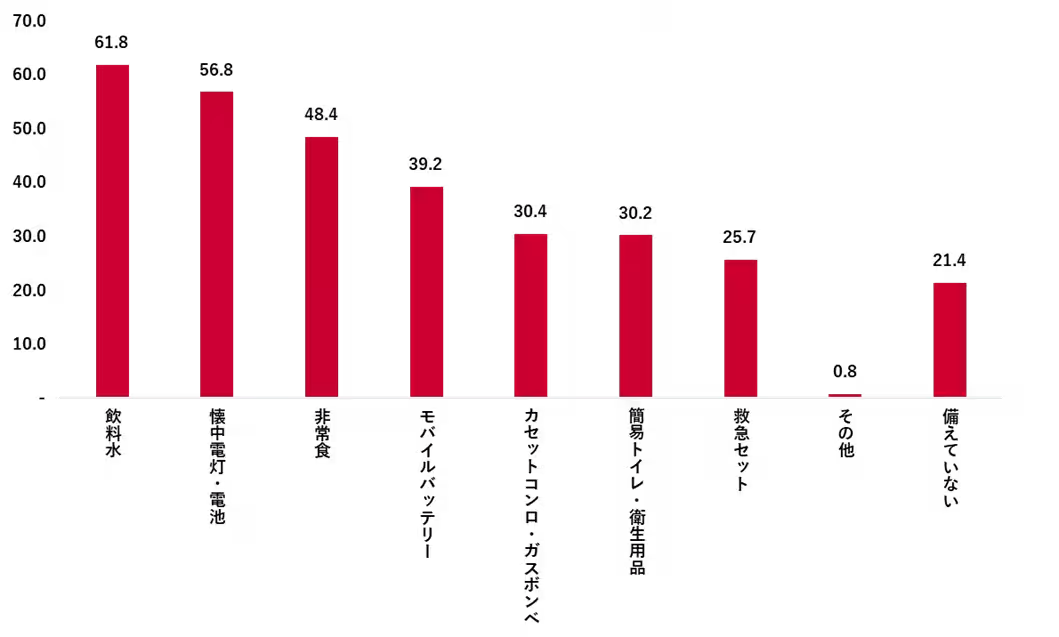
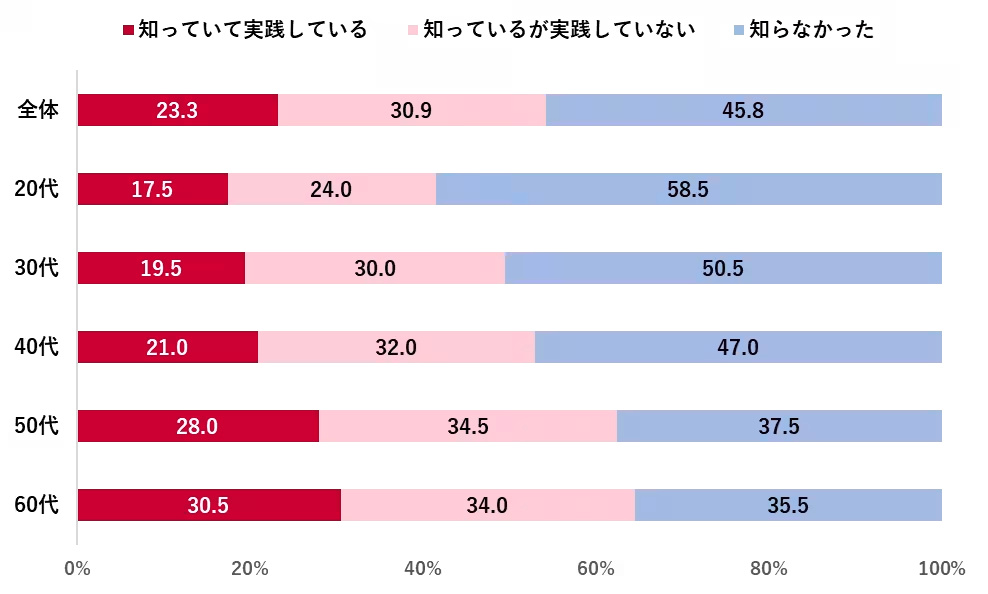
Among those who do have emergency supplies, the top items found in households included 'drinking water' (61.8%), 'torchlight and batteries' (56.8%), and 'emergency food' (48.4%). Additionally, nearly four out of ten households reported having a mobile battery supply. While basic preparations for outages are seen, many aren't aware of feasible strategies like the rolling stock method, a system that encourages households to purchase slightly more of what they normally consume.
4. Future Preparedness Intentions: A Mixed Bag
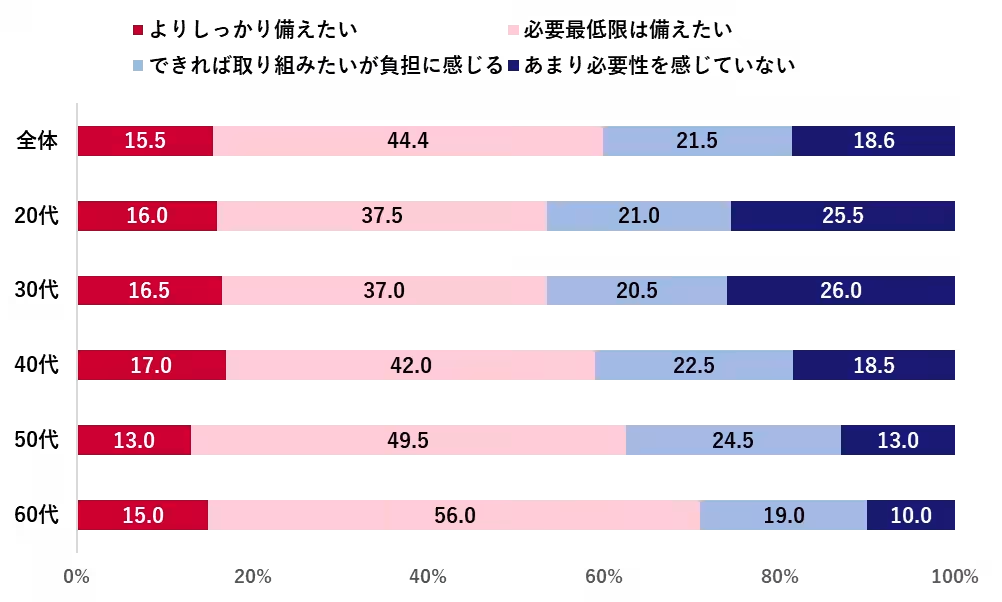
Looking ahead, 44.4% of participants expressed a desire to prepare at least the bare minimum for future disasters. However, a concerning 25% of young adults (20s to 30s) indicated they do not feel any necessity to prepare, showcasing a generational divide in disaster readiness that could have dire ramifications for both personal and community safety.
5. Everyday vs. Emergency Stock: A Mixed Awareness
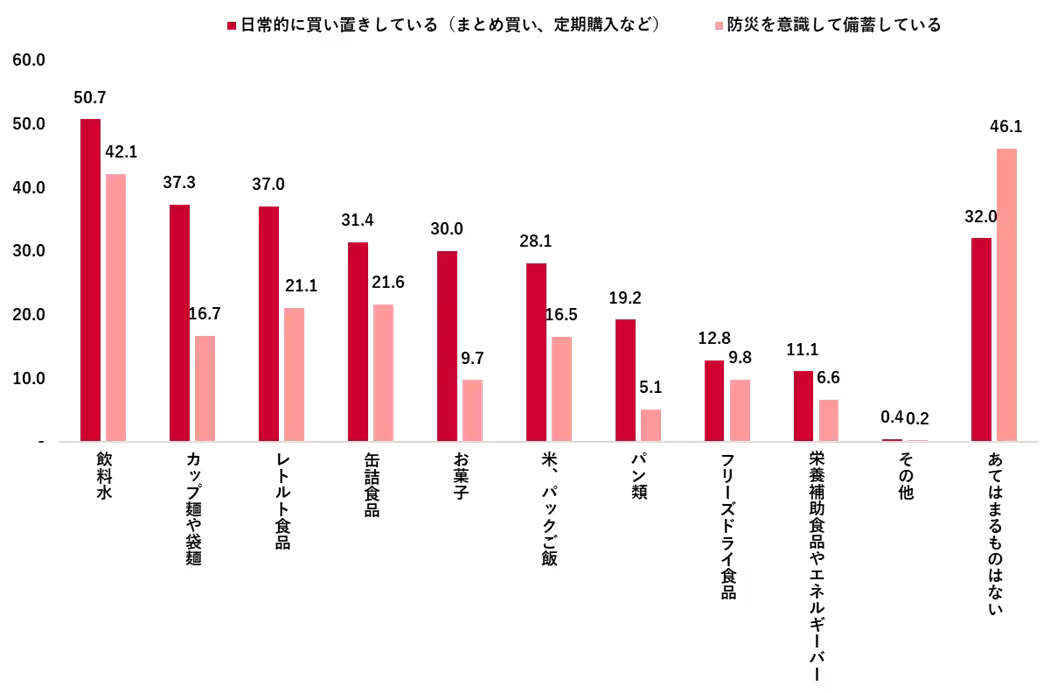
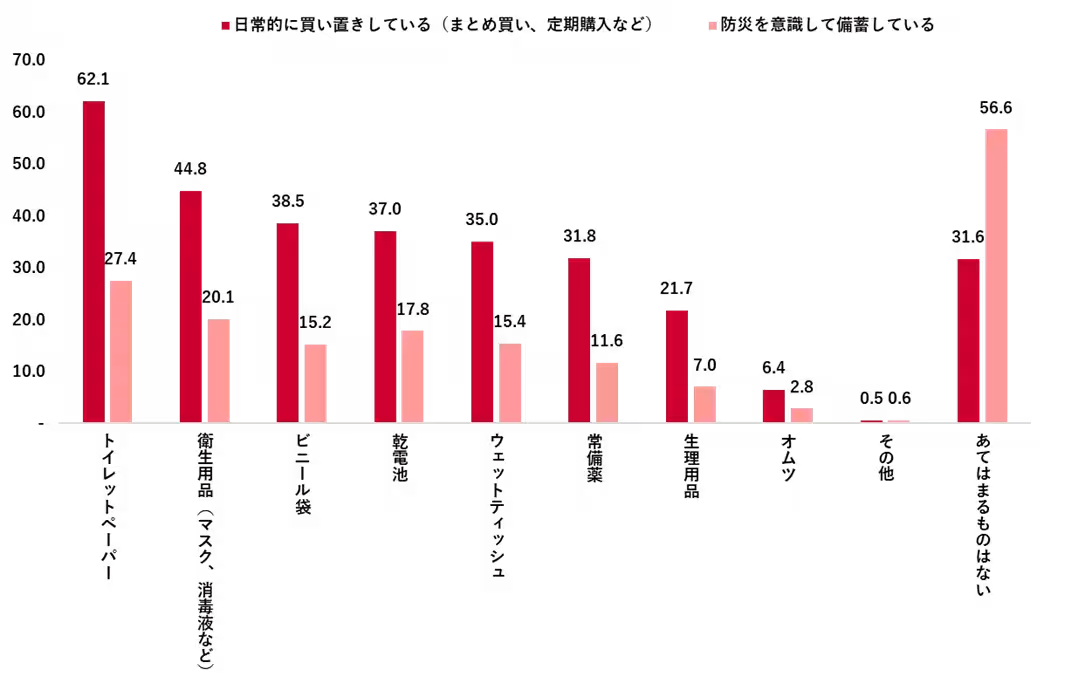
The study highlighted a significant discrepancy between daily stockpiling practices and emergency preparedness. While many routinely stock items such as bottled water and instant noodles, awareness of disaster-specific stockpiling was low, with 46.1% not stocking anything specifically for emergencies. Among essentials like toilet paper, over half (56.6%) did not make any provisions for disaster preparedness, revealing an urgent need for greater public awareness and education.
Expert Opinions
In response to the alarming statistics, experts from the 'BizTopi' program provided insight into the significant gap in disaster preparedness:
- - Mari Mabuichi, Economic Analyst: “This survey underscores a critical need for public awareness regarding disaster preparedness. With so many young adults unprepared, there is a pressing need for education and action to mitigate risks.”
- - Hiroaki Watanabe, Consumer Economics Analyst: “As we witness an increase in the frequency and variety of disasters, the necessity for preparedness cannot be overstated. The rolling stock method, while familiar to some, is yet to attain widespread implementation. Now is the time for individuals to commit to regular assessments of their preparedness plans.”
Conclusion
The need for increased awareness and proactive measures in disaster preparedness has never been greater. With a significant portion of the population feeling unprepared, there is a profound responsibility shared between individuals and communities to foster a culture of readiness. As the importance of disaster preparedness grows alongside the planet’s challenges, individuals can begin with simple steps this September, marking it as a month for revisiting and reinforcing their emergency protocols.
Topics Policy & Public Interest)
【About Using Articles】
You can freely use the title and article content by linking to the page where the article is posted.
※ Images cannot be used.
【About Links】
Links are free to use.