



Analysis of 2026 Graduate Recruitment Trends in Japan and Challenges Facing Companies
Analysis of 2026 Graduate Recruitment Trends in Japan and Challenges Facing Companies
In a joint analysis conducted by Recruit Management Solutions and Nikkei BP, insights into the landscape of graduate recruitment for 2026 have emerged, shedding light on the various challenges faced by companies. The study, which targeted HR professionals from companies with 100 or more employees, sought to explore the current state of graduate recruitment, the evolution of hiring strategies, and the pressing issues that organizations must address in their quest for talent.
Current Trends in Graduate Recruitment
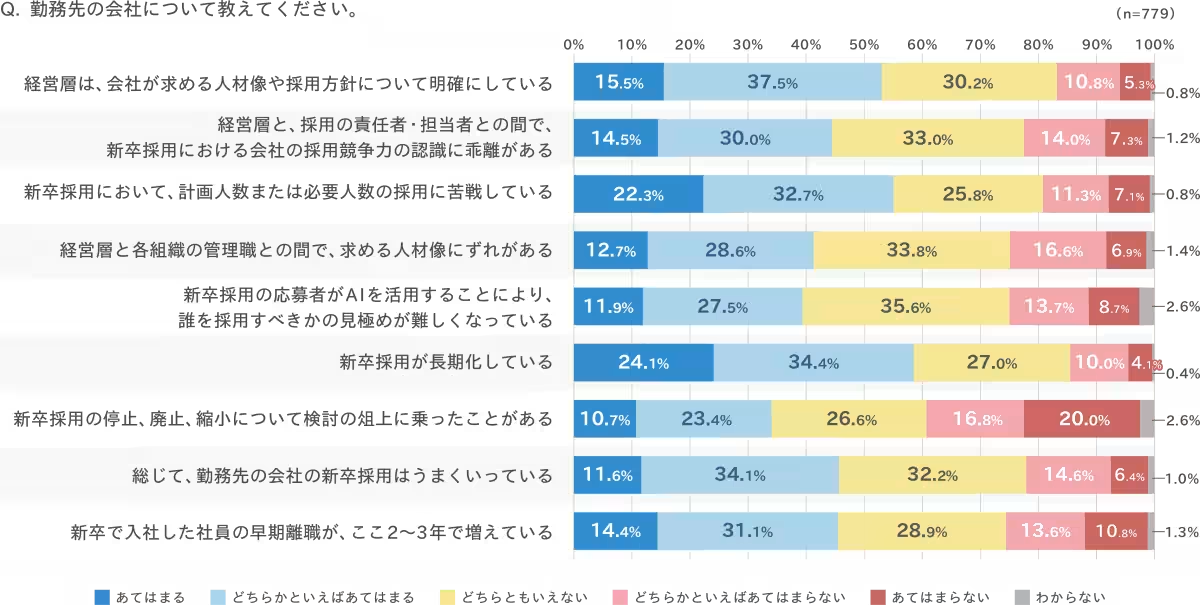
The survey findings indicate that a notable 60% of respondents are struggling to meet their planned hiring numbers for new graduates. Additionally, 60% reported an increase in the length of time taken to complete the recruitment process. Such statistics paint a bleak picture of the recruitment climate, suggesting heightened competition for fewer available candidates.
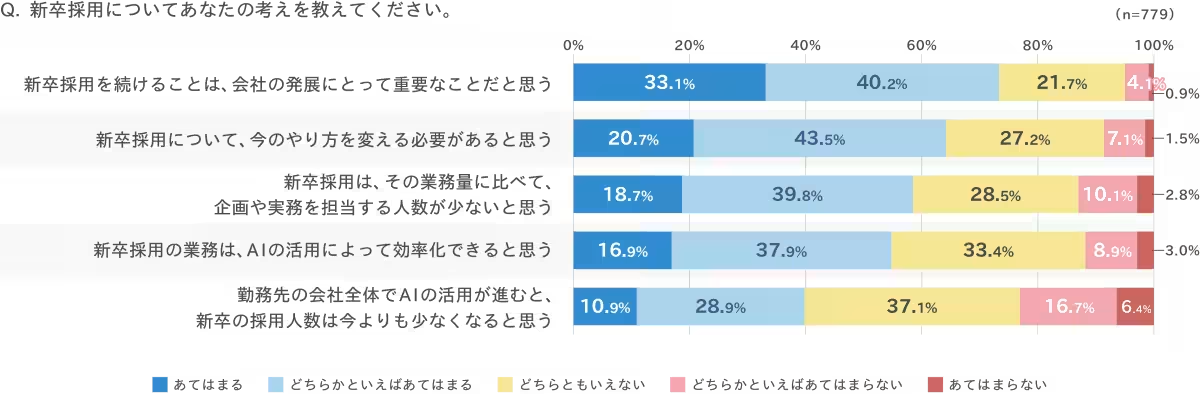
Despite these challenges, approximately 75% of companies affirmed that graduate recruitment remains a crucial element of their hiring strategy, perceiving it as vital for organizational growth and long-term talent development. However, two-thirds of respondents acknowledged the need for a change in current graduate recruitment practices, indicating a shift from traditional hiring methods is necessary.
Shifts in Hiring Structure
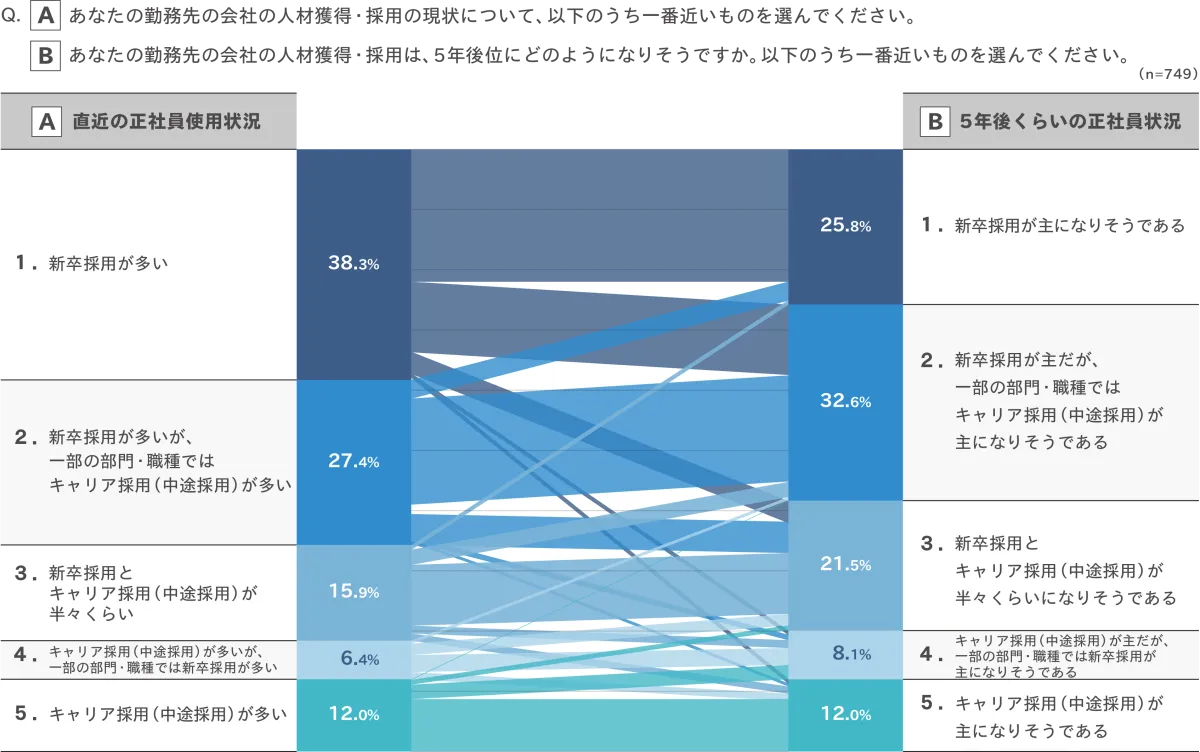
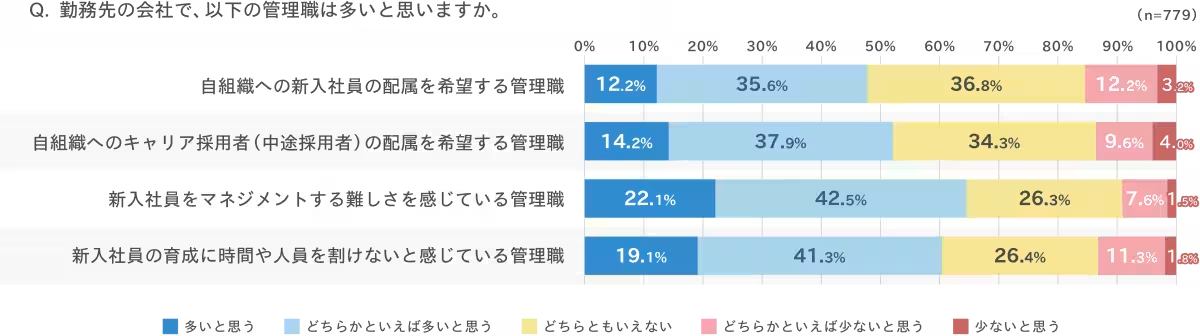
An observation from the research indicates a potential future trend where companies may increasingly diversify their hiring strategies by combining graduate recruitment with mid-career hiring. Currently, many organizations predominantly focus on recruiting recent graduates; however, the forecast suggests a gradual transition to a more balanced structure that incorporates experienced hires alongside fresh graduates. This shift could be linked to the evolving needs of businesses as they respond to market demands and the skills gap.
Challenges in Managing New Graduates
As companies strive to onboard new talent, they also face internal challenges. About 66% of managerial staff expressed a lack of resources, stating they cannot adequately support the professional development of new hires. Furthermore, around 60% admitted to difficulties in managing new employees, signifying an increasing burden on existing staff who must mentor and guide these recruits.
Adapting Recruitment Methods
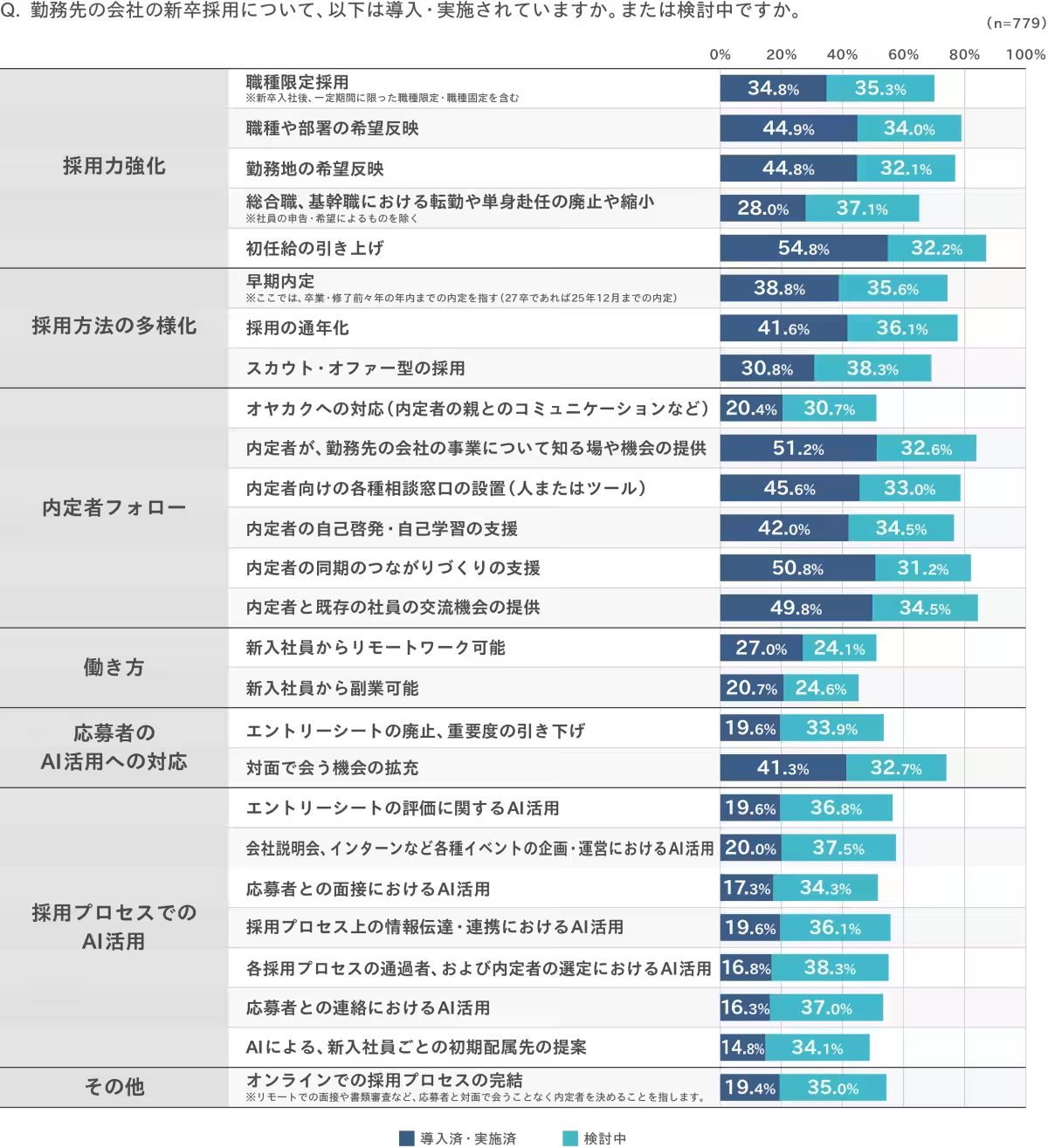
In response to these persistent challenges, organizations are reassessing their recruitment strategies and exploring innovative solutions. Efforts such as elevating starting salaries to attract talent and enhancing the support provided to candidates after job offers have become common practices. Moreover, around 40% of participating organizations have begun implementing AI tools within their hiring processes, indicating a trend towards integrating technology in recruitment efforts.
The Imperative for Change
The findings underscore that while graduate recruitment continues to play an essential role in securing organizational talent, there is a pressing need to adapt to the changing employment landscape. Companies must consider diversifying their recruitment approaches and leverage technology to streamline their processes. Moreover, developing robust onboarding and training programs for new employees will be essential to ensure long-term retention and employee satisfaction.
Through this survey, it becomes evident that understanding and adapting to the new reality of graduate recruitment is critical for Japanese companies aiming to succeed in a competitive environment. By re-evaluating hiring methods and investing in comprehensive employee development, organizations can ensure they attract and retain the talent necessary for sustained growth.
Conclusion
In conclusion, the 2026 survey on graduate recruitment presents a clear call for action among Japanese companies. While challenges remain, the acknowledgment of the need for change and innovation within recruitment practices can drive improvement and success in attracting the next generation of talent. Organizations that focus on integrating AI, rethinking their recruitment strategies, and establishing effective training practices will be better positioned for the future. As we look ahead, it is crucial for businesses to prioritize these areas in order to build a resilient workforce capable of meeting the demands of tomorrow.

Topics People & Culture)








【About Using Articles】
You can freely use the title and article content by linking to the page where the article is posted.
※ Images cannot be used.
【About Links】
Links are free to use.