



Exploring the Disconnect: Men's Reluctance and Women's Doubts on Marriage
Introduction
In a notable study conducted by Naresome, a marriage counseling service based in Tokyo, a large survey has unraveled the attitudes of both men and women towards marriage. Surprisingly, the findings indicate that approximately 70% of respondents have at some point considered the possibility of remaining single for life. This phenomenon appears to stem from various psychological factors that highlight the contrasting perspectives between genders.
Overview of the Research
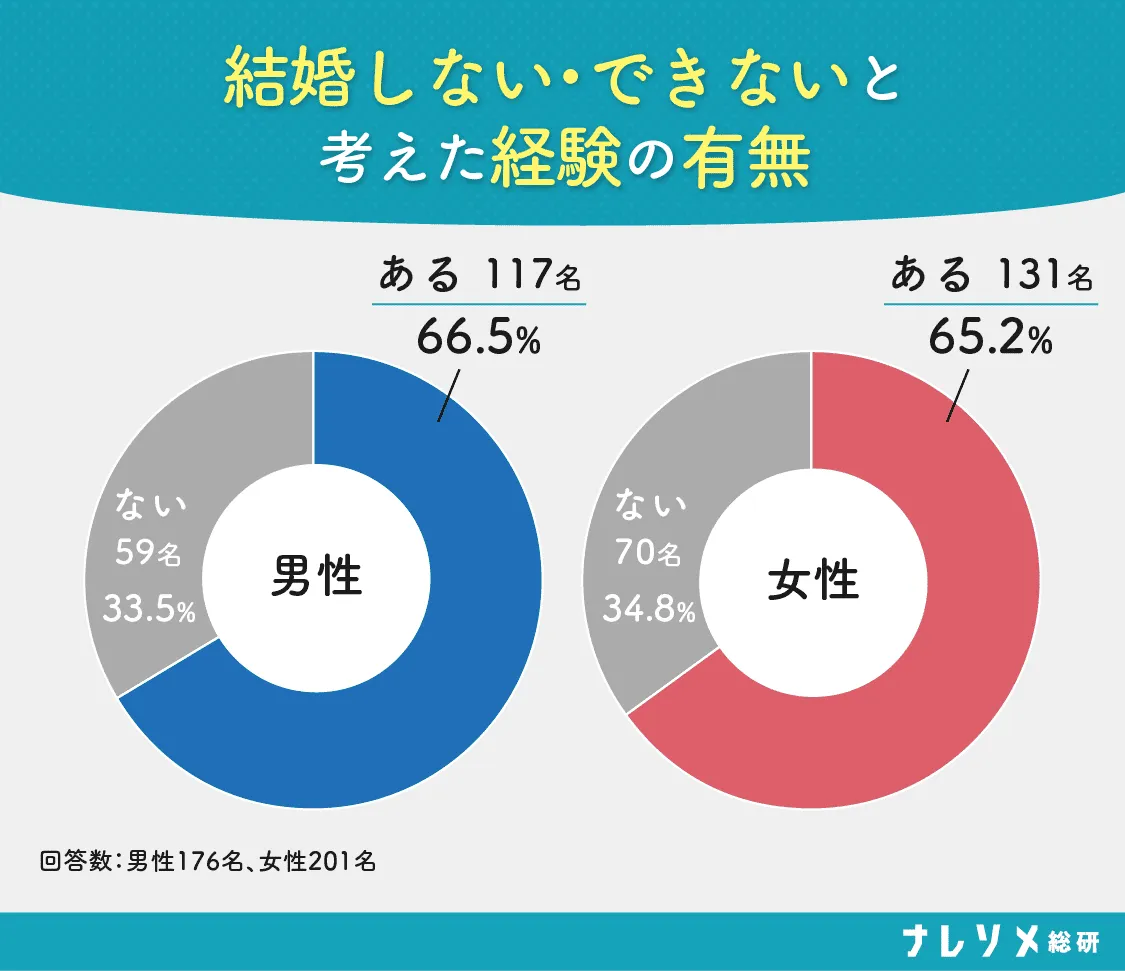
The survey, which encompassed 377 participants (ages 20 and above, currently single or married), sought to delve deep into the consciousness surrounding the idea of not marrying. Those questioned were asked whether they had ever thought about the concept of remaining unmarried and what influenced their decisions. The results pointed to significant gender differences, revealing not just a shared concern about marriage but also distinct anxieties that fuel their thoughts.
Common Ground: Fear of Being Single
A commonality emerged among the participants, with 66.5% of men and 65.2% of women admitting to questioning their chances of marriage. Many reported grappling with feelings of inadequacy, reinforcing the idea that contemplating singlehood has become a rite of passage for many in today’s society.
Gender Differences Revealed
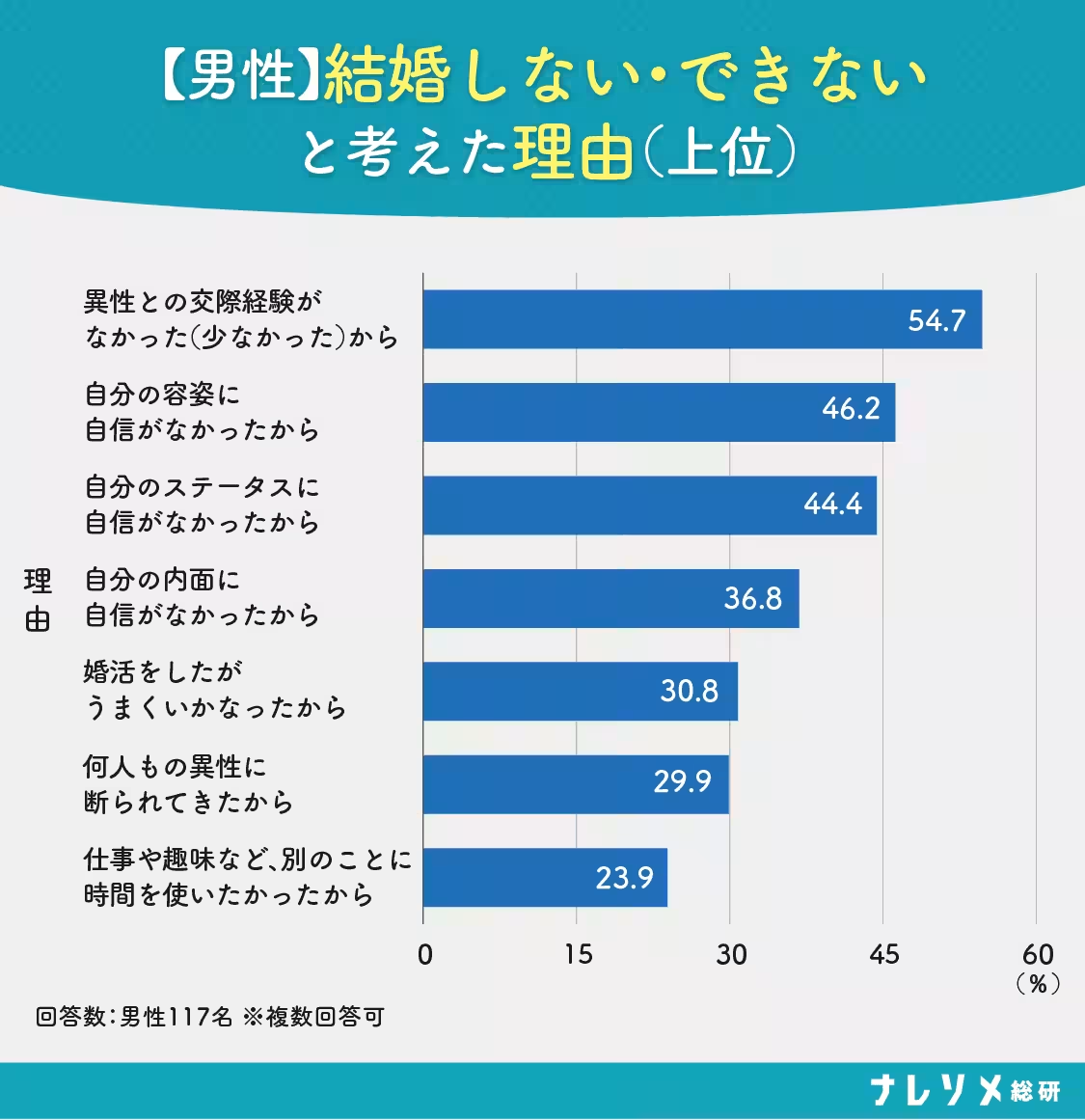
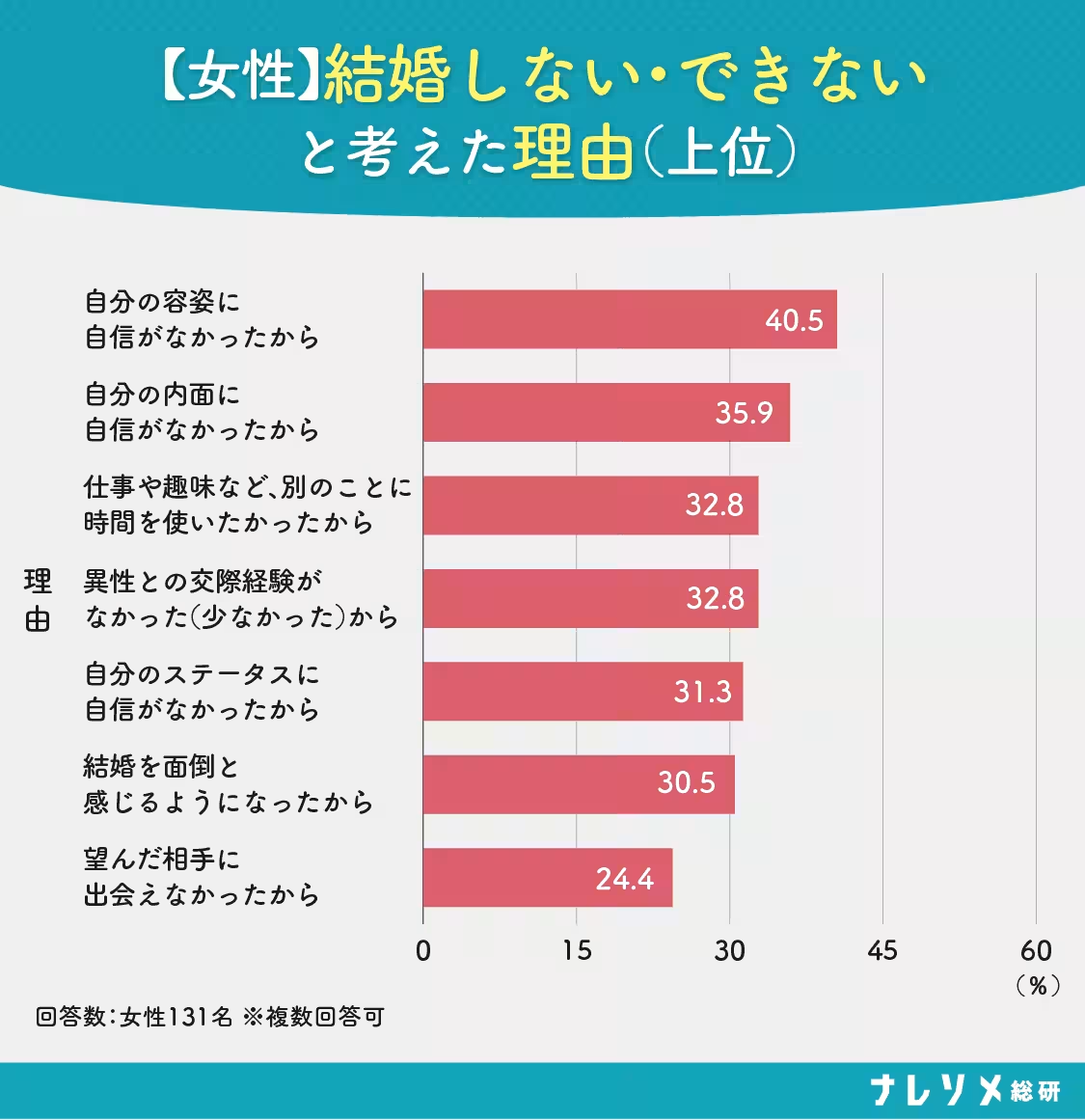
When we analyze the data further, it becomes clear that while both genders share feelings of self-doubt—particularly concerning their appearance, inner self, and social status—substantial differences exist in their reasons for contemplating marriage or the lack thereof.
Men's Perspective: Fear of Experience
Men displayed a unique trend; many expressed a substantial fear rooted in their lack of experience. A striking 54.7% stated that their limited dating history prevented them from feeling capable of pursuing relationships. Alongside this were responses claiming prior unsuccessful attempts at dating (30.8%) and being repeatedly rejected (29.9%). These concerns have potentially fostered a sense of defeat rooted in their experiences, leading to a relinquishment of hope towards finding companionship.
Women's Perspective: The Burden of Marriage
Conversely, women also rated issues related to self-image as significant hurdles. However, they were equally likely to raise concerns about the responsibilities that could accompany marriage, viewing it as burdensome. A striking 30.5% indicated they felt marriage had become too bothersome—an observation suggesting that they might prioritize their freedom and personal time (32.8%) over marital commitments. The insights into the realities of married life from their peers seem to provide them a more cautious outlook.
Insights from Relationship Psychologist
Keita Yamazaki, a recognized relationship psychologist and a consultant with Naresome, shared critical insights based on the results of this survey. He noted: "The fact that around 70% from both married and unmarried individuals consider not marrying indicates that this is a widespread psychological experience not limited to single individuals alone."
He goes on to stress the importance of recognizing gender-based differences in dating and marriage approaches. Men often feel hindered by their lack of relational experience, whereas women confront the potential downsides of married life. Understanding these distinctive concerns can aid in fostering a sense of trust and partnership between genders.
Conclusion
The findings from this comprehensive survey raise vital points regarding the perceptions of marriage in modern society. They not only mirror the evolving dynamics of relationships but also underscore an urgent need to address emotional barriers that individuals face. For more detailed insights, including the societal implications, comparative analysis between genders, and potential pathways to navigate these concerns, readers are encouraged to explore the full research.
Further information on the topics discussed, including real-life experiences of individuals who overcame these obstacles, can also shed light on the broader societal implications of romance and marriage today.
For those interested in discovering the factors that contribute to successful relationships and marriage, we invite you to read the entire report at Naresome's Website.
Topics People & Culture)
【About Using Articles】
You can freely use the title and article content by linking to the page where the article is posted.
※ Images cannot be used.
【About Links】
Links are free to use.