



Understanding Workplace Incivility: Challenges and Solutions Across Generations
Understanding Workplace Incivility: Challenges and Solutions Across Generations
Introduction
Workplace incivility, often defined as low-intensity deviant behavior that violates workplace norms of mutual respect, has become a significant issue in modern organizations. A recent study by CORNER, a human resources consulting firm based in Shibuya, Tokyo, has shed light on this persistent issue, focusing especially on the structural challenges that prevent effective management of workplace incivility.
Key Findings
The analysis reveals that two critical factors contribute to the stagnation of workplace incivility: a lack of awareness around the issue and a gap in how different generations perceive and respond to such behaviors. The survey, which involved 624 participants from various age groups in Japan, specifically highlighted how responses to incivility tend to favor avoidance rather than confrontation.
Behavioral Tendencies
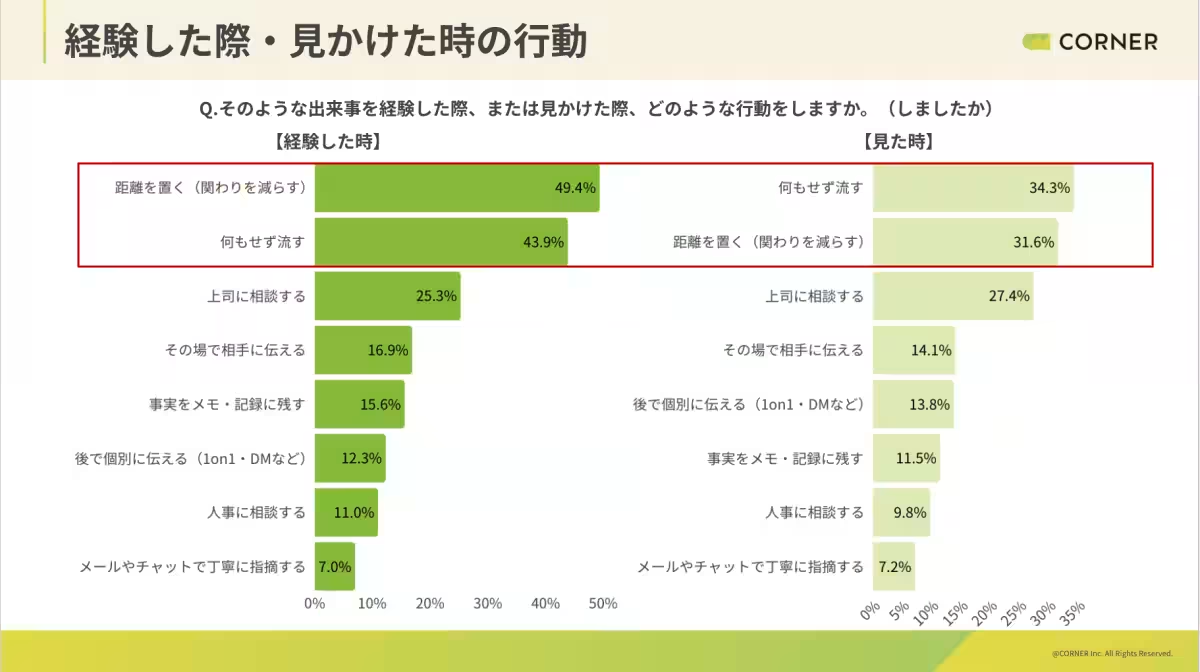
When encountering incivility, individuals predominantly chose to either ignore the situation or maintain distance. Only a small percentage opted for direct confrontation or consultation with management to address the issue. This avoidance can often stem from fears of escalation or a belief that reporting would yield no practical change.
Age and Gender Differences
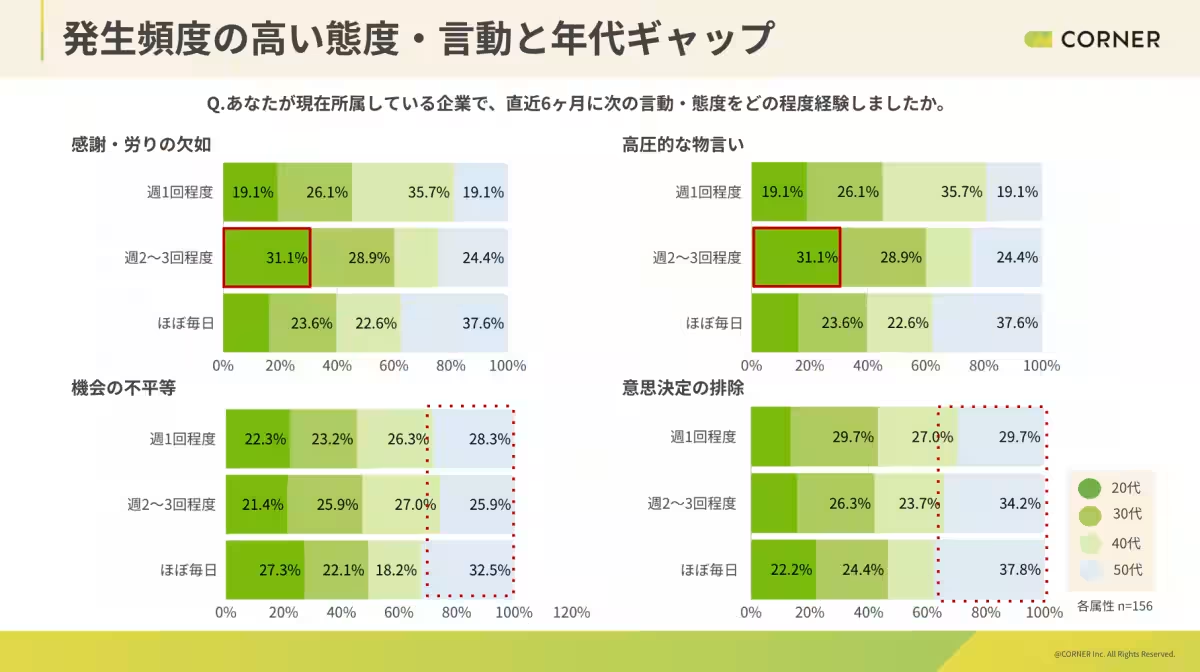
The study found notable differences in how various demographic groups experience and interpret incivility. For instance, individuals in their 20s were more likely to experience feelings of being undervalued or disrespected, such as a lack of appreciation and domineering attitudes. Conversely, those in their 50s often reported feeling excluded from decision-making processes or facing opportunities for advancement. The findings suggest that incivility is not only an issue for younger employees but also significantly affects mid-career and senior employees.
Recognition of Harassment
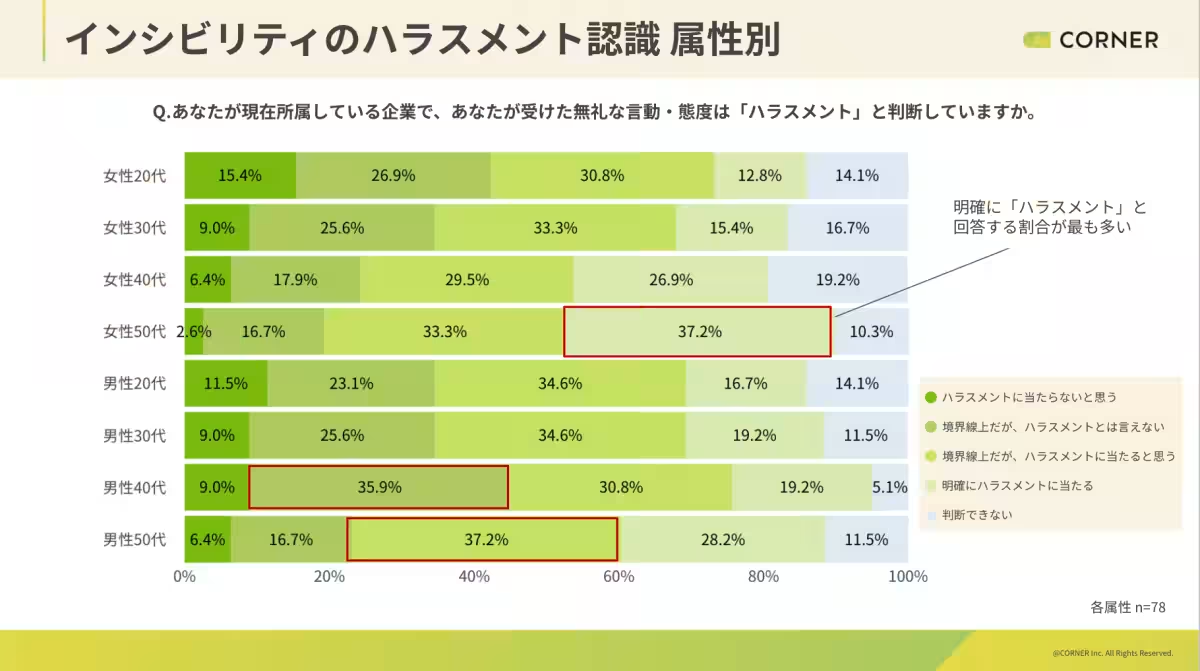
Interestingly, perceptions around incivility as potential harassment differ markedly across age and gender groups. While half of the respondents recognized incivility as potentially falling under harassment, only 22% definitively categorized it as such. The survey indicated that women tend to perceive incivility as harassment more strongly as they age, whereas men are more inclined to view incivility within the gray areas, particularly in their 40s and 50s.
Structural Issues
Part of the findings highlights how workplace factors such as busy workloads and power imbalances contribute to the emergence of incivility. The study emphasizes that these issues are systemic rather than solely dependent on individual behaviors. This perspective urges organizations to focus on structural adjustments, such as clarifying rules, refining roles, and enhancing communication frameworks within teams.
Conclusion
Ultimately, the CORNER study presents a crucial opportunity for organizations to reflect on their workplace culture. Understanding the nuances of incivility and addressing the root causes can help foster a more respectful and collaborative working environment. As workplace dynamics evolve, so too must our strategies to combat incivility—turning attention from individual blame to organizational responsibility is essential in cultivating a workplace that promotes psychological safety and collaboration.
About CORNER
Founded in 2016 by Takahiro Monma, CORNER specializes in human resource solutions, including recruitment, labor management, and diversity initiatives. With a growing network of professionals, CORNER aims to connect businesses facing human resource challenges with skilled individuals looking to contribute to transformative workplaces. For more information, visit CORNER's website.

Topics People & Culture)
【About Using Articles】
You can freely use the title and article content by linking to the page where the article is posted.
※ Images cannot be used.
【About Links】
Links are free to use.