



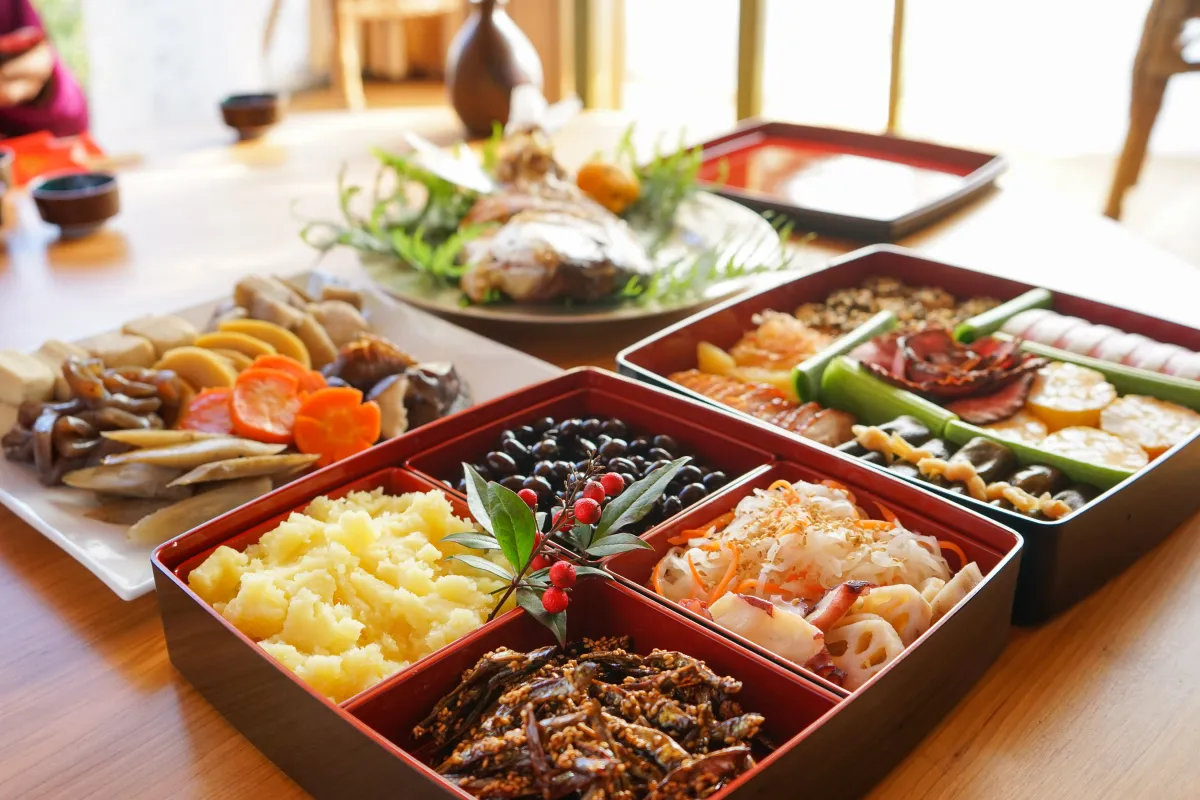
98% of Participants Believe in the Tradition of Osechi for New Year Celebrations
The Tradition of Osechi: A Deep Dive into Japanese New Year's Cuisine
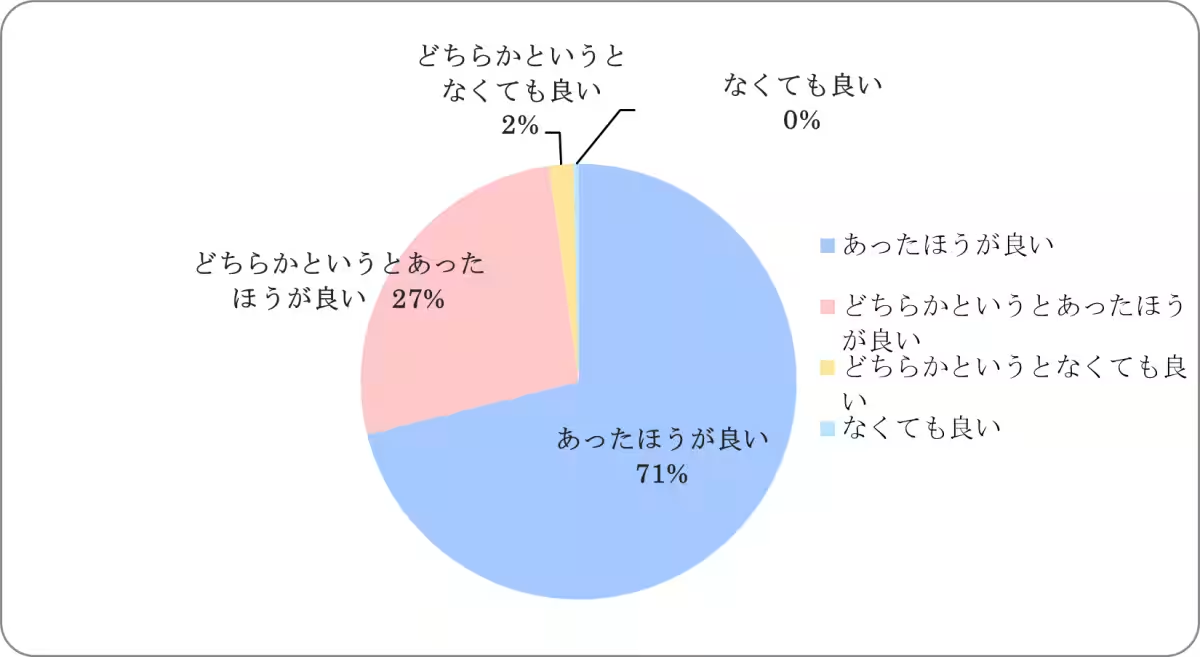
The annual tradition of preparing and enjoying Osechi, a special Japanese meal served during the New Year, remains overwhelmingly popular among older generations. According to a recent survey conducted by the Asahi Shimbun's Re-Life Project, which targets active individuals aged 50 and above, a staggering 98% of participants believe that Osechi is essential for New Year's celebrations.
The Results of the Osechi Survey
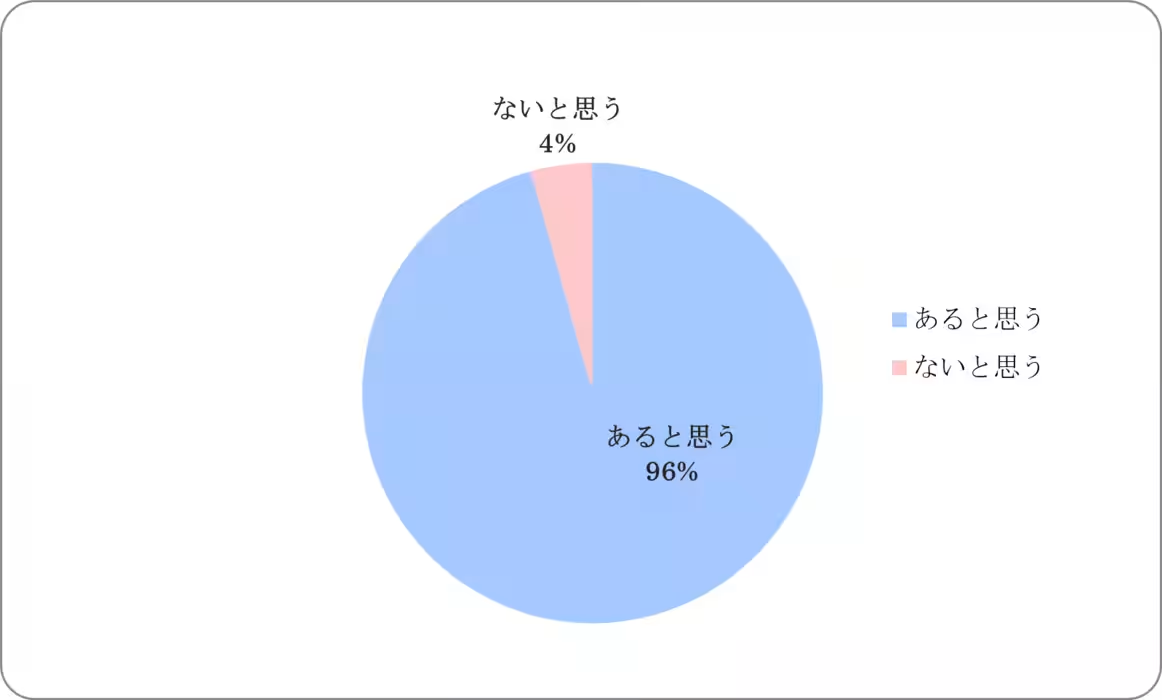
The survey, which received responses from 277 community members who participated in a tasting event, aimed to explore how this active demographic perceives their New Year festivities and the significance of Osechi in their lives. The results indicate that 96% of respondents plan to consume Osechi in the upcoming year, pointing to its continued relevance in Japanese culture.
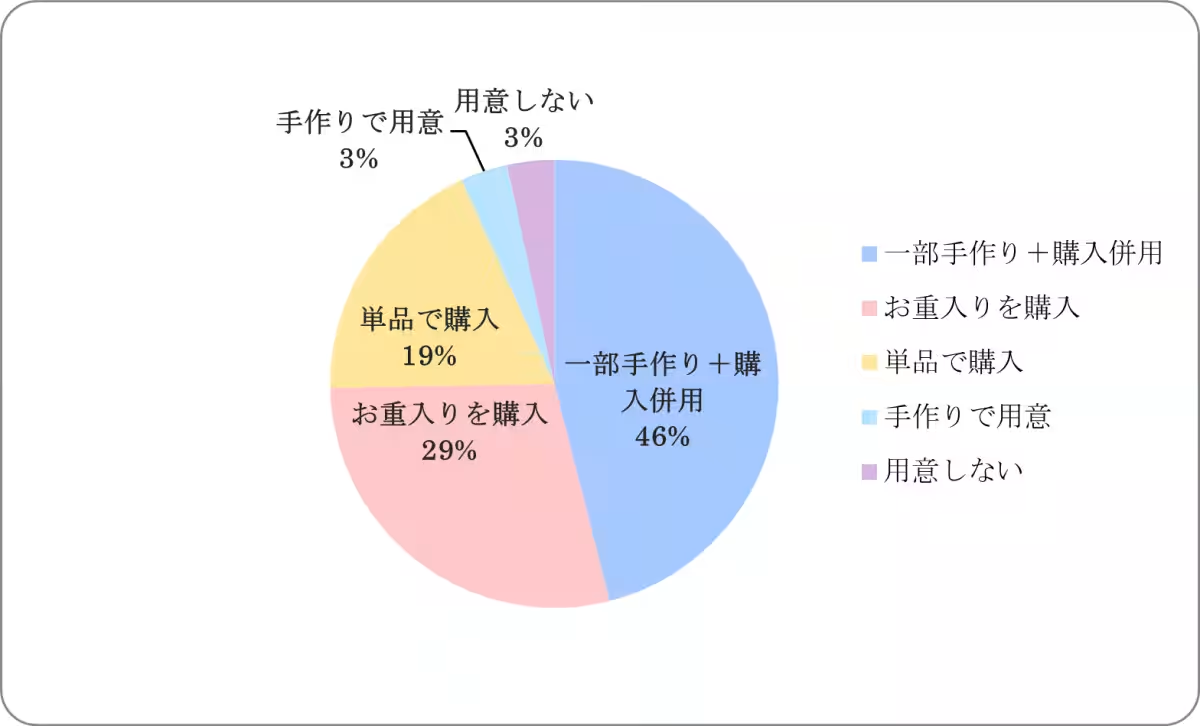
Interestingly, the most popular way to prepare Osechi is a hybrid approach: 46% of respondents prefer a combination of homemade and store-bought dishes. Only 3% designated that they would make their Osechi entirely from scratch. This evolution in preparation reflects a broader trend towards convenience while still honoring tradition.
Financial Insights and Purchasing Preferences
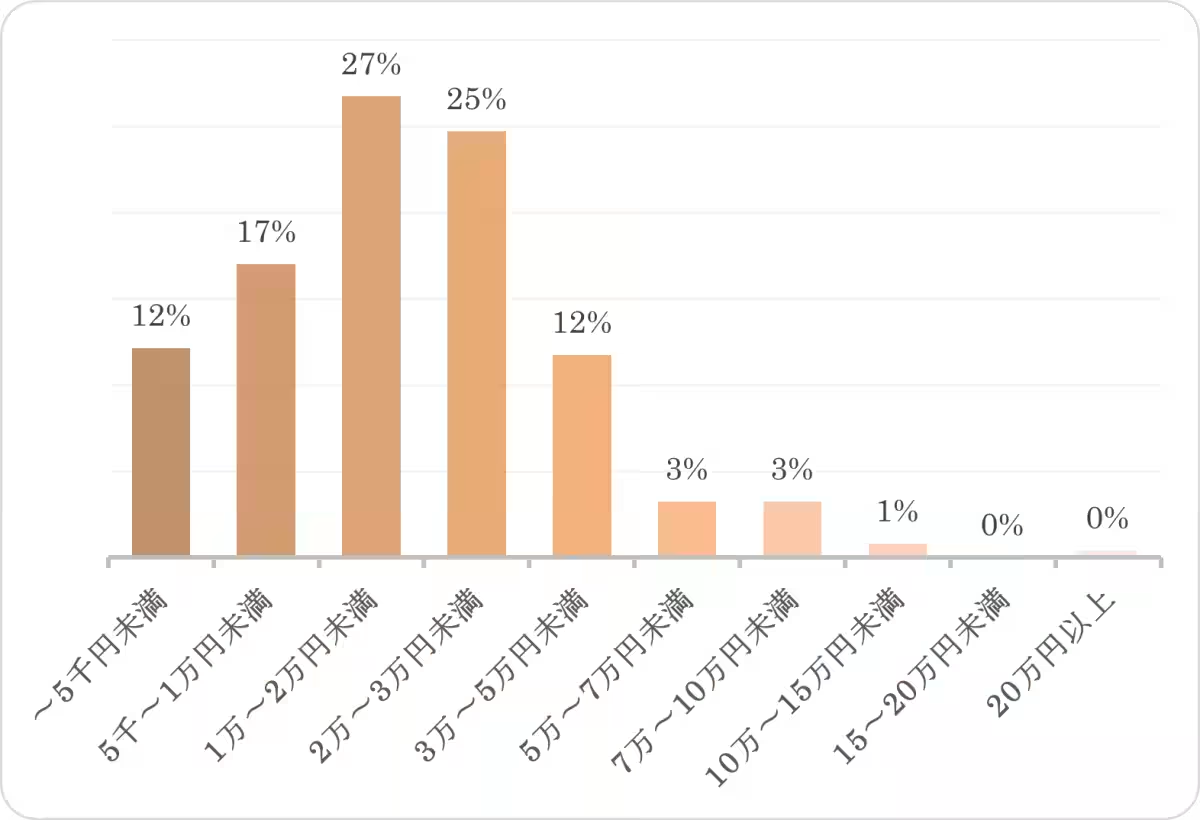
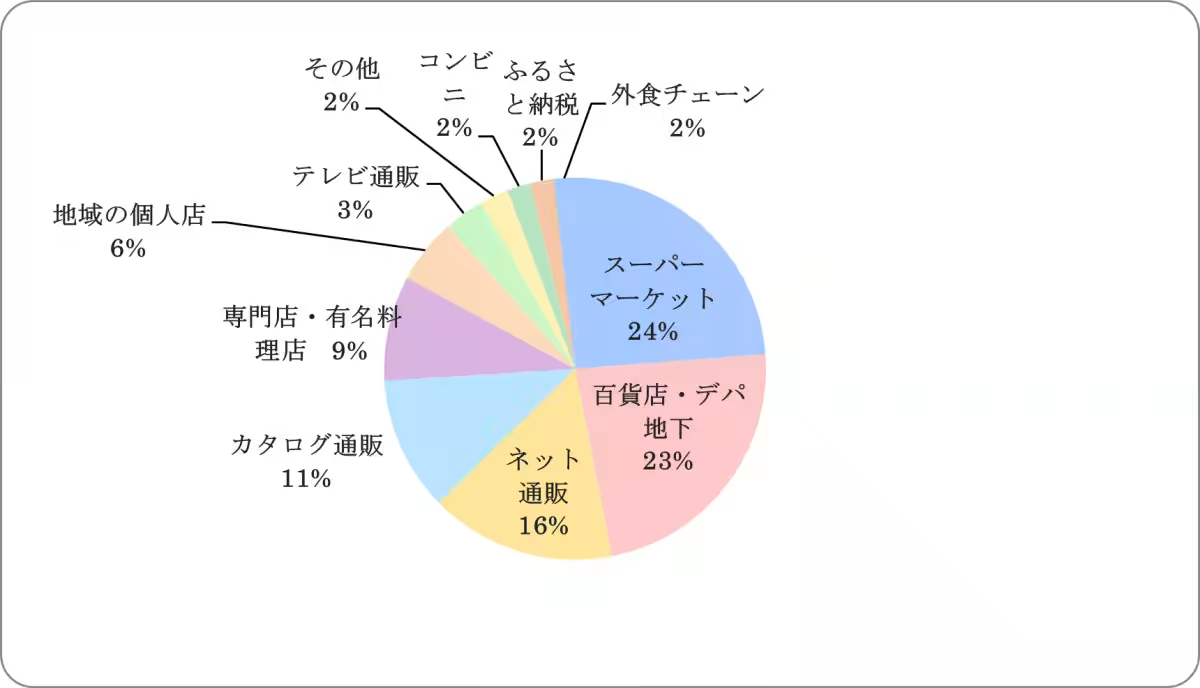
The survey also shed light on consumer behavior regarding Osechi. Approximately 26.7% of participants plan to spend between 10,000 to 20,000 yen, while 24.7% expect to spend between 20,000 to 30,000 yen on their Osechi selections. Supermarkets (23.8%) and department stores (23.1%) are the primary sources for purchasing Osechi ingredients or ready-made meals.
Reasons for Purchasing Osechi
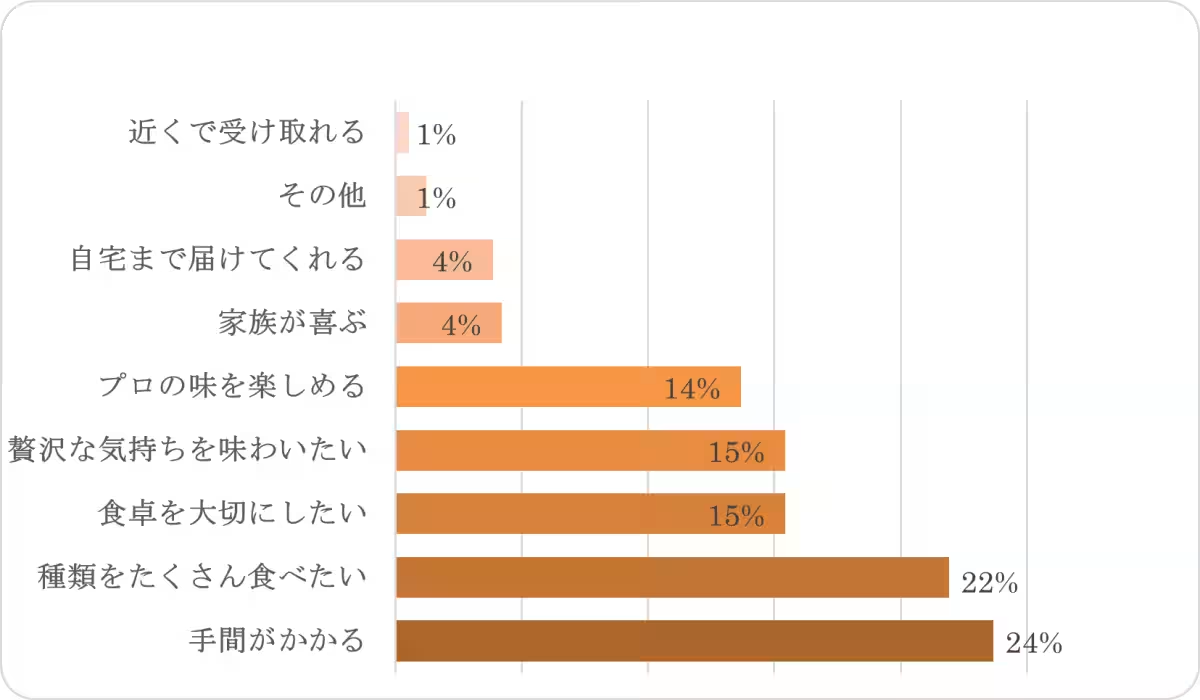
The reasons behind these purchases are quite revealing. A significant percentage (24%) cite the time-consuming nature of preparation as a primary factor, while 22% want to enjoy a variety of dishes and 15% wish to indulge in a luxurious experience. These insights indicate that while tradition is cherished, practicality and enjoyment are also important during the busy New Year season.
Top Osechi Favorites
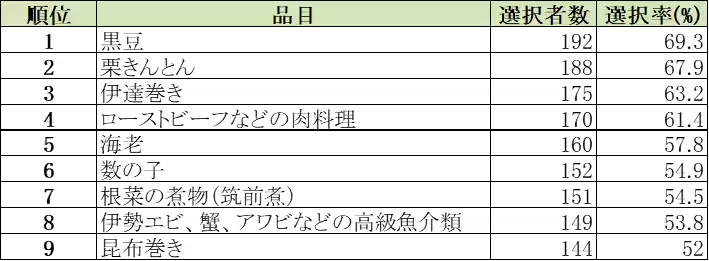
When it comes to favorite Osechi dishes, black beans, sweet chestnut paste, and datemaki (sweet rolled omelette) emerged as favorites among respondents. The preference for these traditional sweet items shows a deep-seated appreciation for classic flavors, with roasted beef, shrimp, and kazunoko (herring roe) trailing closely as additional beloved options.
The Importance of Family Connections
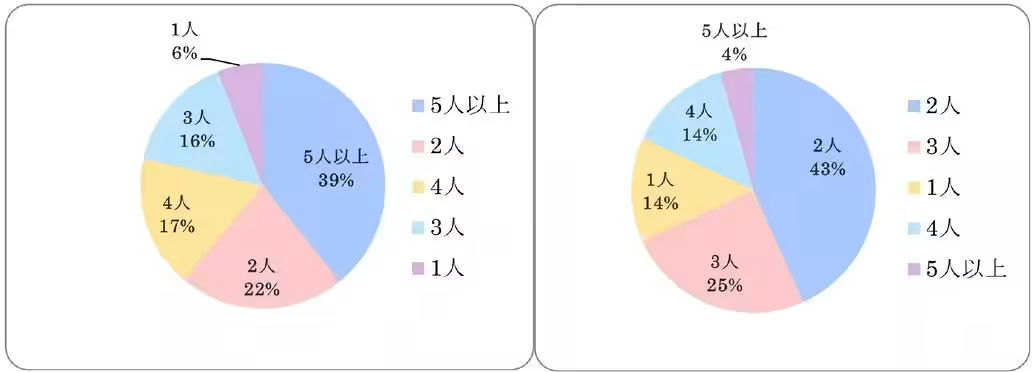
Family is central to the Osechi experience. The survey revealed that while 43% of households consist of two members, a notable 39% of respondents expect to share their Osechi with five or more people. This underscores the importance of family gatherings during the New Year, bringing people together over food and shared memories.
Personal Reflections and Stories
Participants were also given the opportunity to share personal anecdotes related to Osechi, highlighting the emotional connections tied to this tradition. Many shared fond memories of helping their parents prepare Osechi or the joy of seeing family members—ranging from young children to elderly relatives—gather around the table.
One respondent noted, “Opening the Osechi box is the moment when I hear my family's delight for the first time in the year; it feels like receiving my first New Year gift.” This sentiment resonates deeply with many Japanese families, illustrating that Osechi is not merely food, but a vessel for reminiscing and celebrating familial bonds.
Conclusion
As represented through this survey, the tradition of Osechi for the New Year remains a beloved practice among older generations in Japan, showcasing an intertwining of tradition, family, and modern convenience. With 2026 on the horizon, it’s evident that Osechi will continue to play a vital role in Japanese New Year celebrations for years to come, proving that while times and habits may evolve, the spirit of togetherness remains a steadfast part of Japanese culture.
Topics People & Culture)
【About Using Articles】
You can freely use the title and article content by linking to the page where the article is posted.
※ Images cannot be used.
【About Links】
Links are free to use.