




Survey Reveals Key Factors in Choosing Side Jobs Among Different Age Groups and Genders
Survey Highlights on Choosing Side Jobs
In recent years, there has been a significant increase in the number of companies acknowledging the importance of side businesses. As a result, more individuals are either starting or considering side jobs, creating a diverse set of needs and preferences when it comes to selecting the best option. A recent survey conducted by For-it Co., Ltd., the firm behind the affiliate platform afb, explored the factors people consider most significant when choosing side jobs, covering a broad demographic of 2,000 participants across Japan, from their 20s to over 60s.
Background of the Study
As side jobs gain popularity, understanding the important factors that impact choice is essential. Participants had varying preferences that included income potential, risk levels, and opportunities for skill enhancement. With these diverse requirements, the survey aimed to capture insights regarding what matters most when selecting a side job.
Survey Overview
- - Participants: 2000 individuals aged 20 and above nationwide
- - Method: Online research
- - Date Conducted: April 21, 2026
Key Question
The survey asked participants: "What is the most important factor for you if you were to take on a side job?"
Participants had multiple choices:
1. Potential for income increase
2. Stability of income
3. Time-efficiency
4. Enjoyment in the work
5. Opportunity to acquire new skills
6. Low initial costs
7. Low risk
8. Support structure
9. Other
Findings
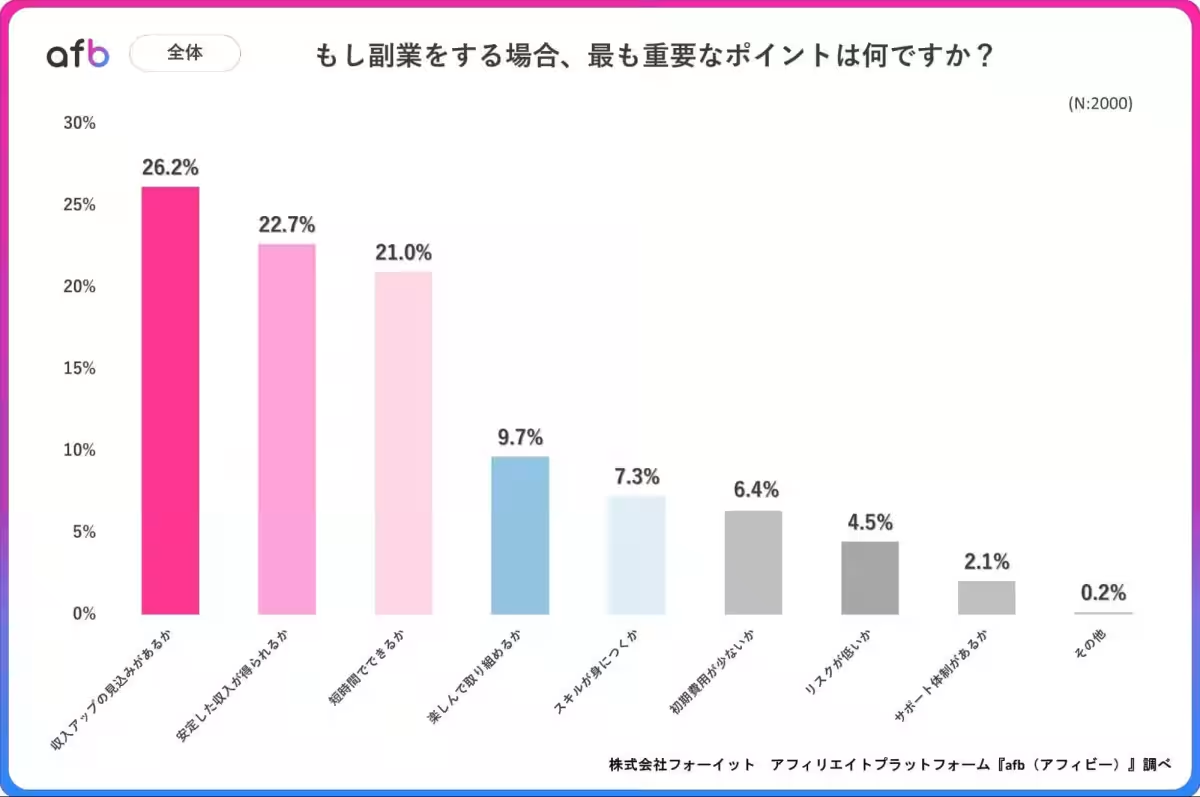
The dominant response from participants indicated that income considerations are paramount. Approximately 26.2% expressed that the potential for increased income is vital, followed by 22.7% prioritizing stable income, and 21.0% emphasizing time-efficiency. This data reflects a clear desire to balance side jobs with main careers without overwhelming stress.
Interestingly, 9.7% mentioned enjoyment as a necessary factor, and 7.3% highlighted the importance of skills acquisition, suggesting that not all respondents were purely numbers-driven; many seek passion and growth in their pursuits.
Lower initial costs (6.4%) and reduced risks (4.5%) also received attention, underscoring the importance of accessible entry points for those considering side work. These emerging patterns suggest a breakdown in perceptions among age groups regarding their priorities.
Generational Perspectives on Side Jobs
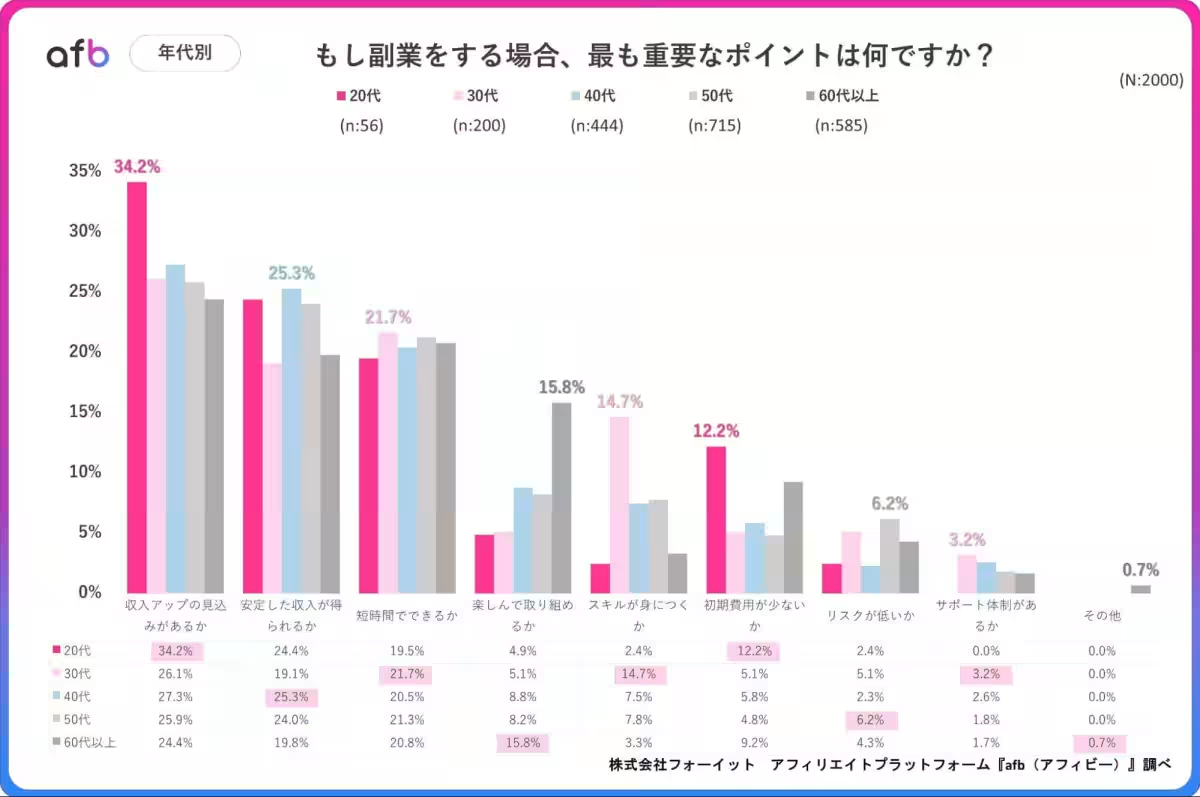
Looking closely at responses by age group reveals distinct preferences. Notably, all age ranges predominately indicated income increase as a high priority. However, the emphasis varied:
- - In their 20s, 34.2% deemed income potential crucial, reflecting their desire for growth and financial advancement. They also showed a high interest in low-startup-cost options at 12.2% compared to other age brackets.
- - Those in their 30s prioritized skill acquisition (14.7%), indicating a greater focus on career development alongside side endeavors.
- - Participants in their 40s and 50s displayed stability in their views, with around 25% highlighting the necessity for consistent income.
- - Interestingly, those over 60 placed a higher value on enjoyment (15.8%) compared to younger generations, demonstrating a shift towards seeking fulfillment in work over purely financial outcomes.
Gender Variations
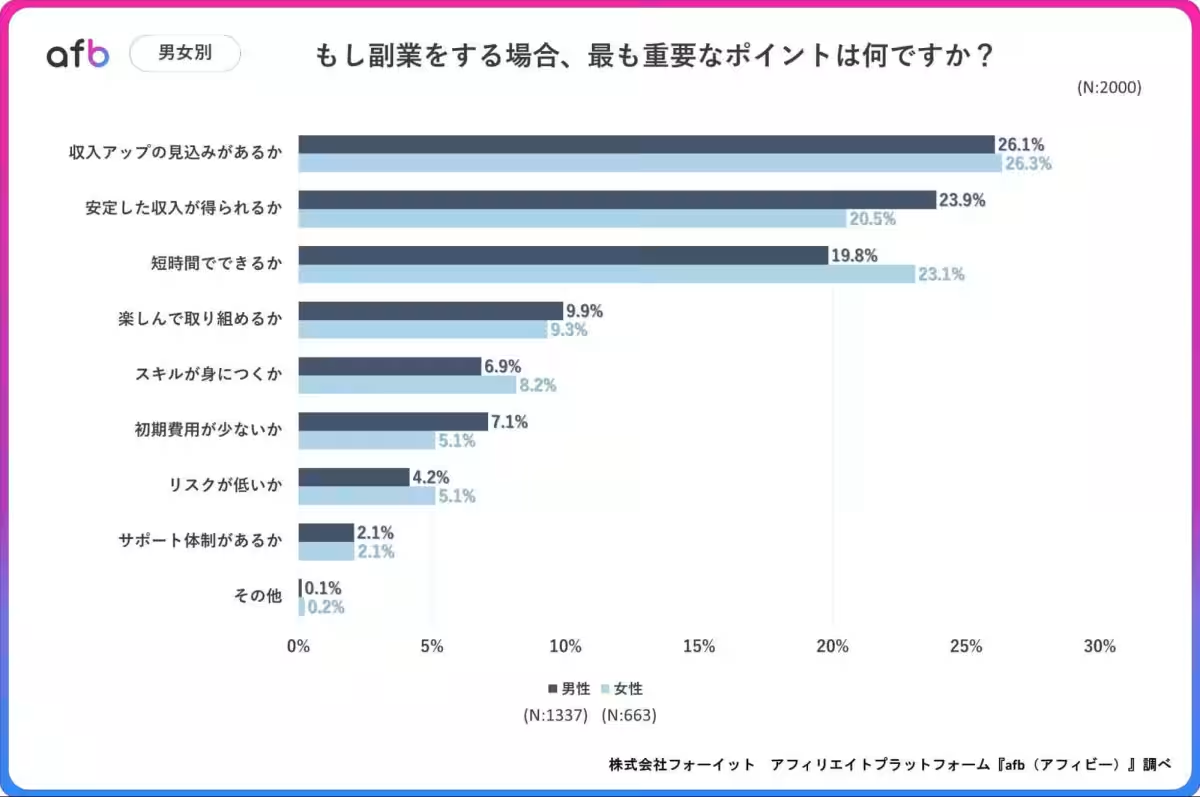
Examining the responses by gender, both men and women agreed on the importance of income-related factors, with nearly identical percentages; however, notable differences emerged in terms of time-efficiency. A higher percentage of women (23.1%) prioritized the ability to perform tasks efficiently compared to men (19.8%), indicating an inclination towards manageable commitments due to time constraints.
Men’s higher emphasis on stable incomes suggests a more consistent risk-averse approach as financial security remains a key priority.
Occupational Differences
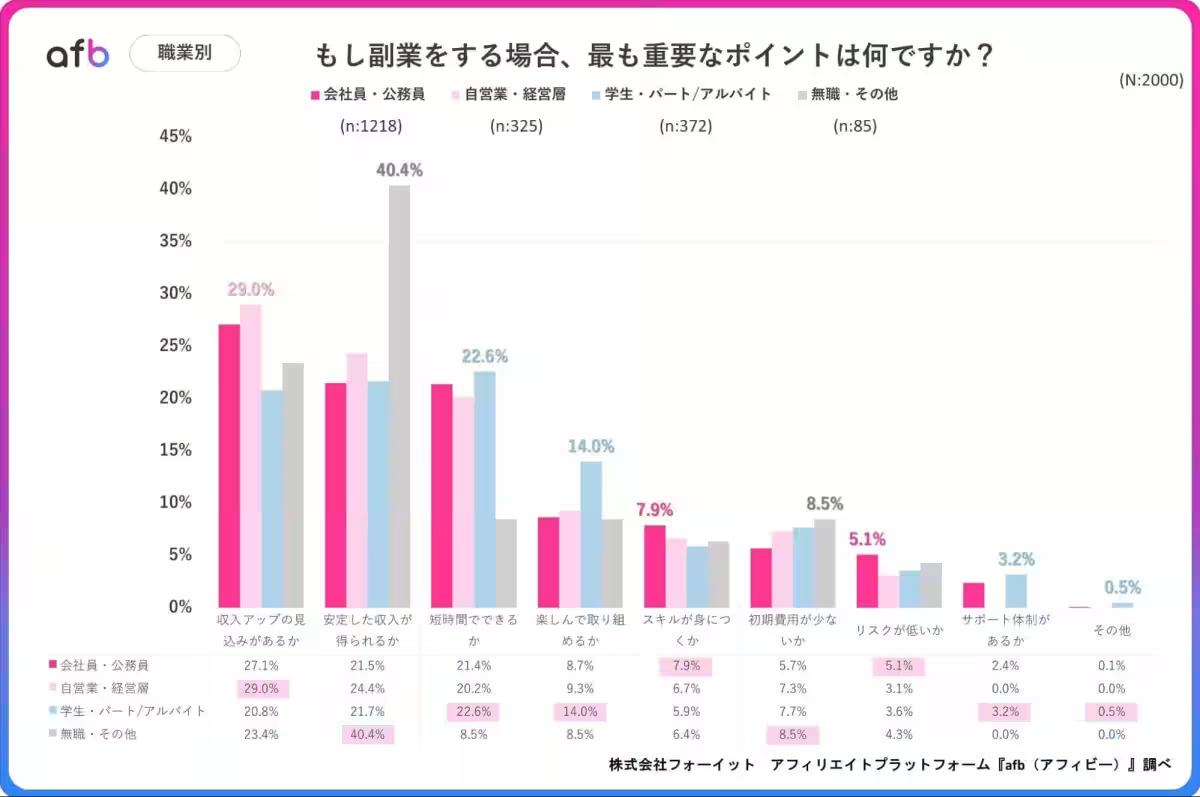
Responses varied across different employment sectors. Company employees emphasized efficiency in income generation (27.1% for income potential and 21.4% for time-efficiency). Conversely, self-employed individuals expressed an even greater focus on income potential (29.0%). Students showed a notable interest in finding enjoyment in their work (14.0%), while the unemployed most heavily prioritized stable income (40.4%).
Income Level Influence on Side Job Preferences
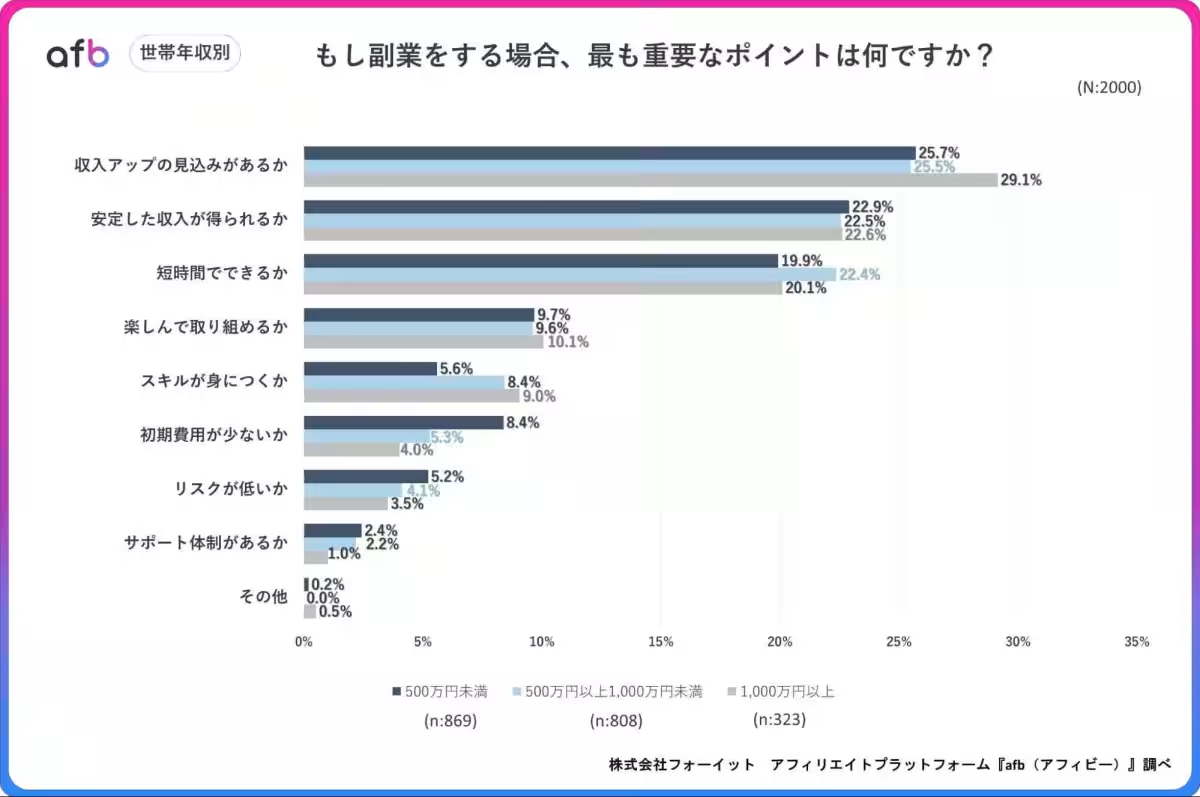
Interestingly, preferences shifted with respondent income levels; all income categories found income potential and stability vital. Those earning less than 5 million yen had a heightened concern for low startup costs (8.4%), while those above the 10 million yen mark exhibited stronger leanings toward income potential (29.1%) and skills acquisition (9.0%). The findings indicate that while the basic need for income remains consistent, people’s priorities within their financial situations vary significantly.
Conclusion
The survey's findings indicate that when choosing a side job, approximately 70% of individuals prioritize income and ease of continuity. As people navigate their opportunities, understanding that preferences evolve based on generational and professional backgrounds remains crucial. Ultimately, a side job that aligns with one’s lifestyle, financial goals, and personal aspirations will pave the way for sustainable engagement and satisfaction.
For more information on side jobs and affiliate marketing opportunities, visit afb's platform here.


Topics Consumer Products & Retail)




【About Using Articles】
You can freely use the title and article content by linking to the page where the article is posted.
※ Images cannot be used.
【About Links】
Links are free to use.