



The Shift to Remote Work: How Telecommuting is Changing Living Spaces
The Shift to Remote Work: How Telecommuting is Changing Living Spaces
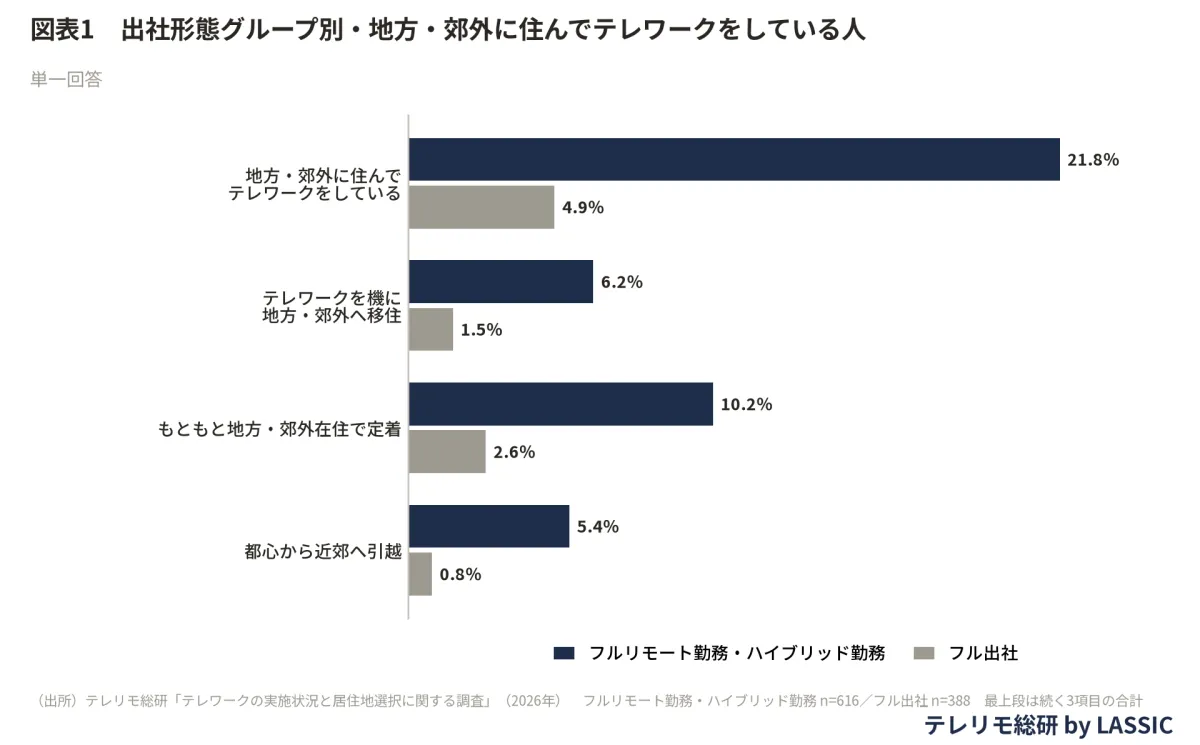
In recent years, the conventional work-from-office model has undergone a significant transformation spurred by the rise of remote work. A study conducted by a Japanese firm, Lassic, reveals that approximately 21.8% of those engaged in full remote and hybrid work are now residing in rural or suburban areas. Conversely, only 4.9% of traditional office workers have made similar relocations. This shift underscores the evolving landscape of employment, prompting individuals to reconsider their living arrangements in favor of more flexible work conditions.
Overview of the Study
Lassic, which operates the Telework Research Institute, a platform dedicated to promoting location-independent working styles, surveyed over 1,000 remote workers to assess their living choices post-transition to telecommuting. The results indicated a growing inclination among workers to embrace rural living, catalyzed by the flexibility associated with remote jobs. The study reported that a subset of those working remotely chose to move to these areas, either by migrating during their telework experience or by integrating remote work into their existing rural lifestyles.
Insights from the Data
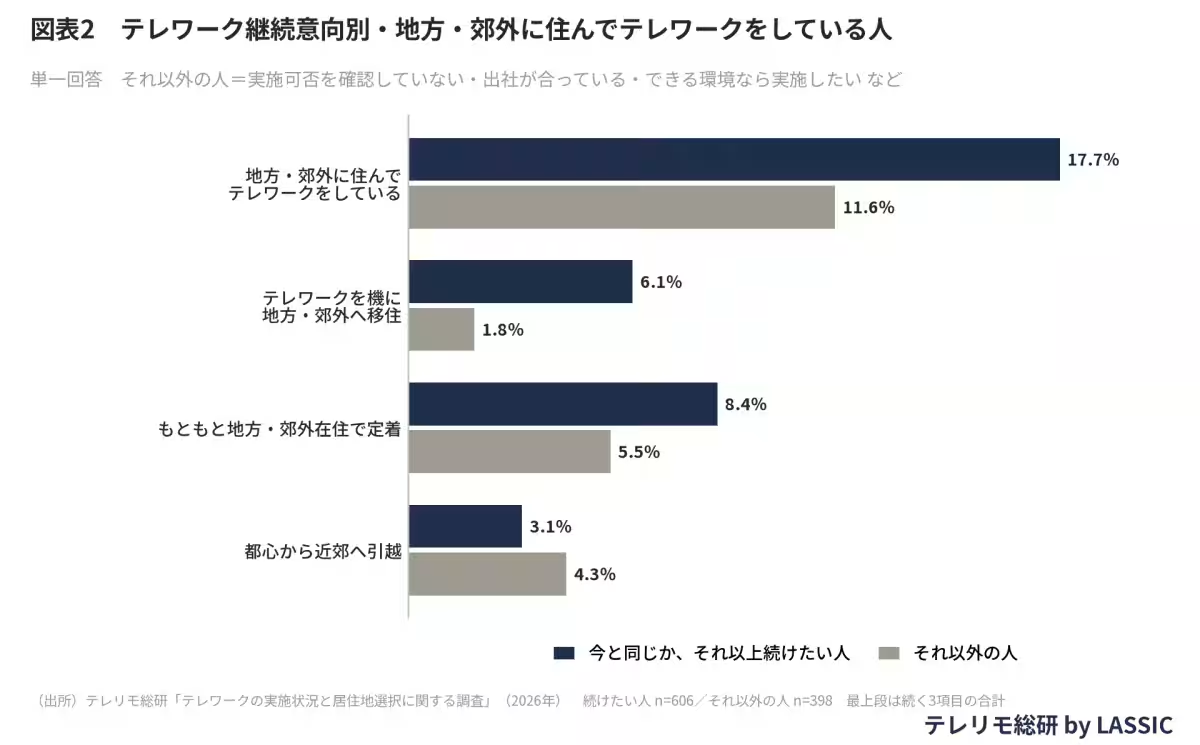
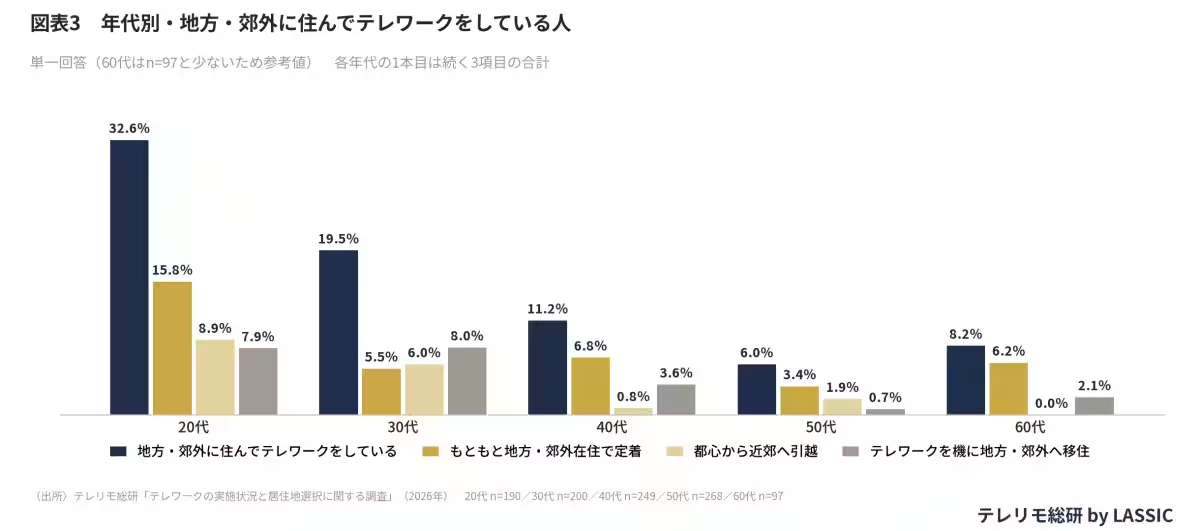
Among the surveyed population, the distinction in living situations based on work patterns was particularly striking. Of the individuals engaged in full remote and hybrid schemes, 21.8% reported residing in rural areas, contrasting sharply with the mere 4.9% who remained in such regions while engaging in full-time office work. Notably, those preferring to continue with their current remote arrangements or to increase their telecommuting frequency accounted for 17.7% of respondents. Interest was particularly high among younger demographics, with 32.6% of those in their 20s expressing a desire to maintain or enhance their remote working status.
When broken down by work arrangements, the statistics illustrated that a larger portion of remote workers are choosing or are in a position to live in areas outside city centers. Individuals who transitioned to the countryside accounted for 6.2% of respondents, while those who had always lived in rural settings and adapted to remote work represented 10.2%. In stark comparison, those working in traditional office settings had significantly lower percentages across these categories. Only 1.5% had migrated due to work, while 2.6% had long-term residence in rural locales.
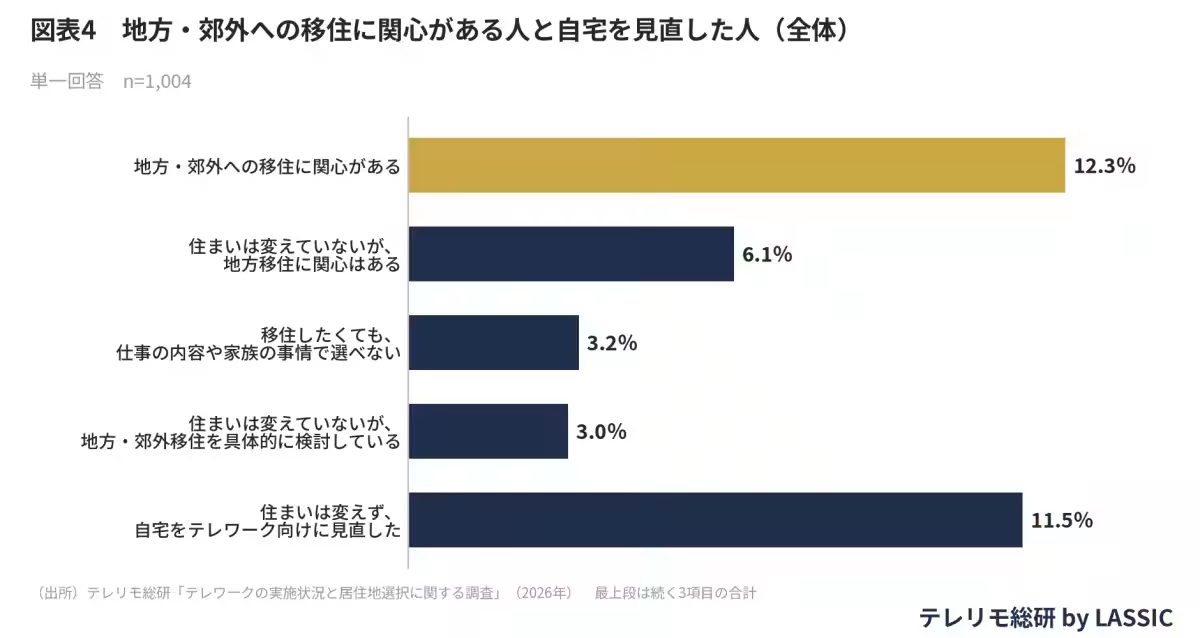
Additionally, 11.5% of participants chose to improve their home offices instead of relocating, further indicating the focus on optimizing work-life balance rather than geographic relocation.
Future Intentions Regarding Telework
The desire to continue telecommuting is closely linked to geographical choices. With 17.7% of remote workers indicating intentions to sustain or increase their working from home frequency, this is a significant factor in their living conditions. Comparatively, only 11.6% of traditional office workers demonstrated similar intentions. Such trends prompt a reevaluation of physical workspaces, particularly among younger workers who show the highest interest in adapting their living environments for remote work.
Age Demographics and Relocation Interest
The data highlighted a stark age-related divide in remote work preferences. Those in their 20s showed the strongest propensity towards rural living linked to telework (32.6%), while only 6% of respondents in their 50s were similarly inclined. The younger generation's comfort with technology likely contributes to their ease in embracing a new lifestyle that blends work with rural amenities.
Moreover, 12.3% of surveyed individuals expressed interest in moving to rural areas without having made any changes to their current residences. This curiosity indicates a potential trend towards spaced-out living, even among those reluctant to leave their current jobs or locations due to family or job constraints.
Conclusion
In summary, the study conducted by Lassic paints a significant picture of how remote work influences residential choices. With a marked shift towards rural living by remote and hybrid workers, the conventional city-center workplace faces intensified competition from the promise of a balanced lifestyle in suburban and rural areas.
As companies continue to embrace remote work, understanding these trends will be essential in adapting to this evolving employment landscape. Lassic's continued research plays a crucial role in shaping our understanding of the future of work-life integration and residential choices that reflect these new norms.


Topics Consumer Products & Retail)
【About Using Articles】
You can freely use the title and article content by linking to the page where the article is posted.
※ Images cannot be used.
【About Links】
Links are free to use.