


The Rising Trend of End-of-Life Planning Support Requested by Seniors
Understanding the Need for Children's Support in End-of-Life Planning
In recent years, the concept of 'end-of-life planning' (shukatsu in Japanese) has gained significant attention in Japan, especially among the elderly population. A recent survey conducted by the 'Shukatsu and Inheritance Gateway' has revealed that over 30% of parents aged 60 and above, who are currently engaged in end-of-life planning, wish for their children to provide assistance during this crucial phase of their lives.
Survey Background
The term 'end-of-life planning' encompasses the preparations one undertakes to better face their final stages of life. As older adults become increasingly familiar with digital technologies, new challenges have arisen, notably in managing 'digital legacies' such as smartphones, online banking accounts, and social media. For many seniors, the idea of sorting through their digital data alone can be daunting, leading to desires for familial support. Many express concerns about burdening their children during this sensitive time.
Key Findings
The survey elucidates several important points regarding the expectations seniors have of their children:
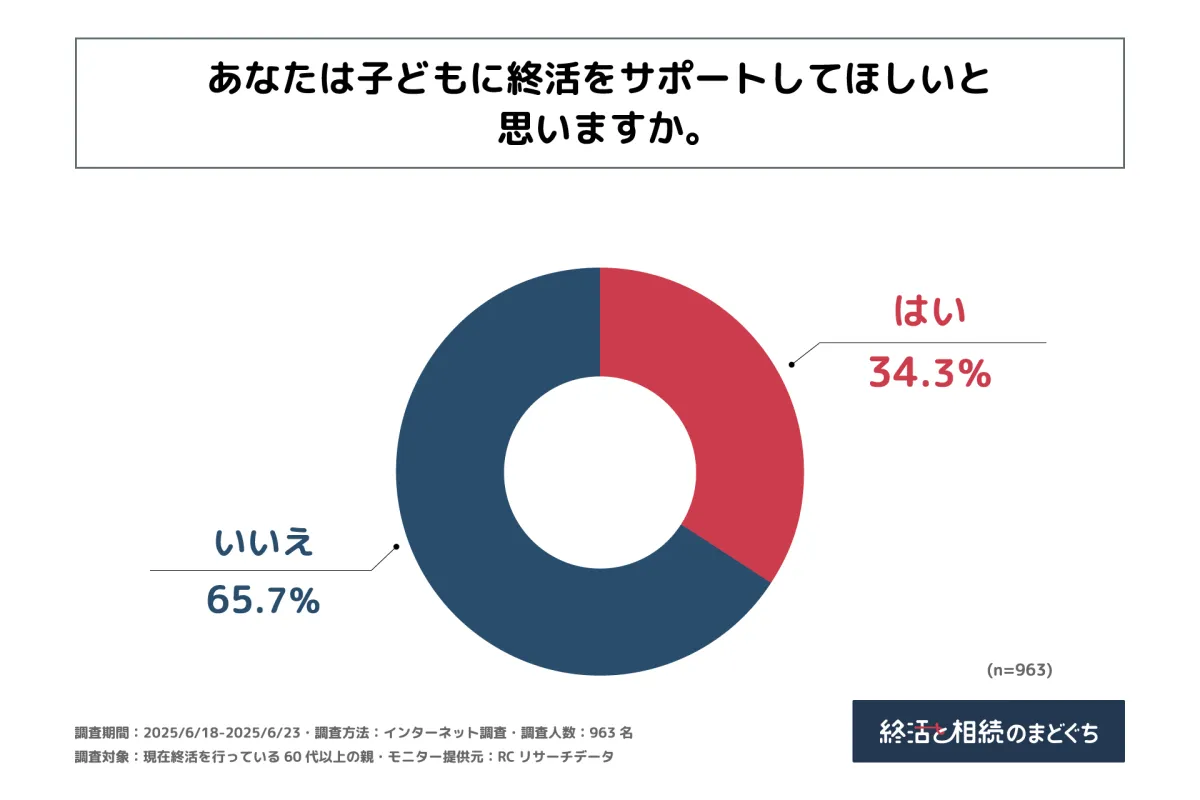
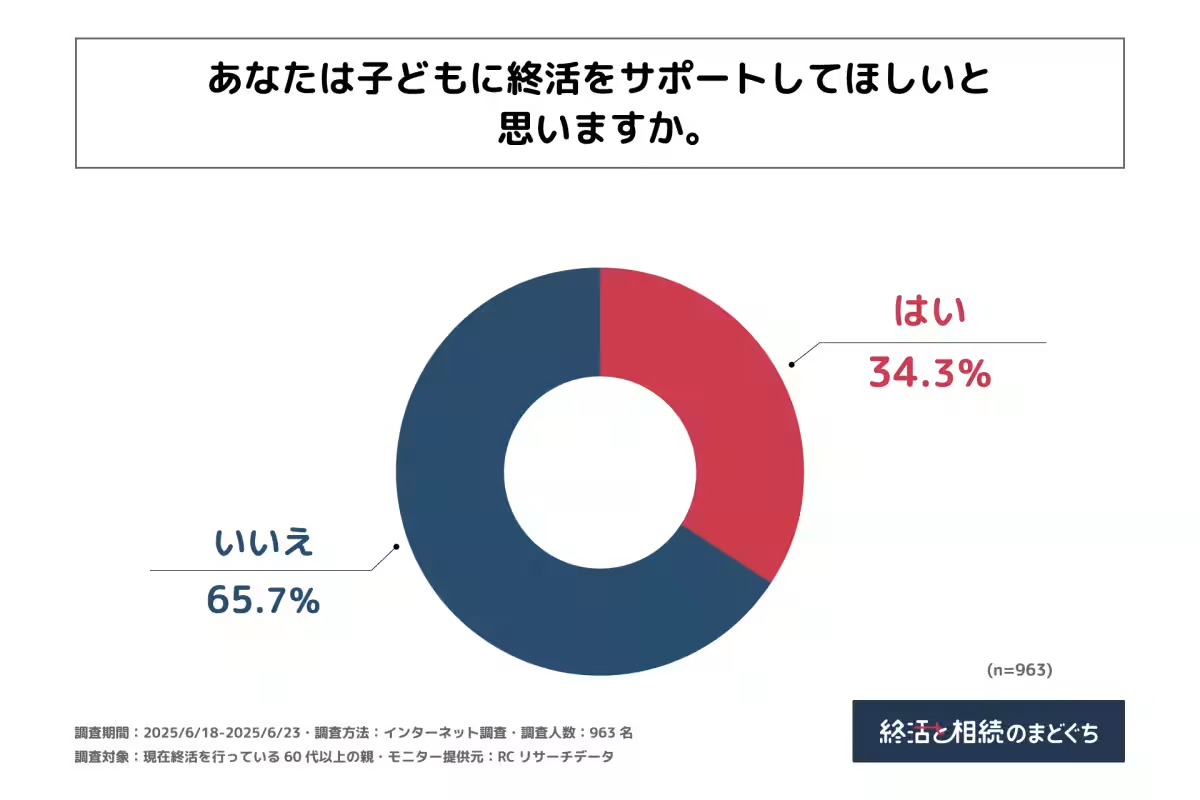
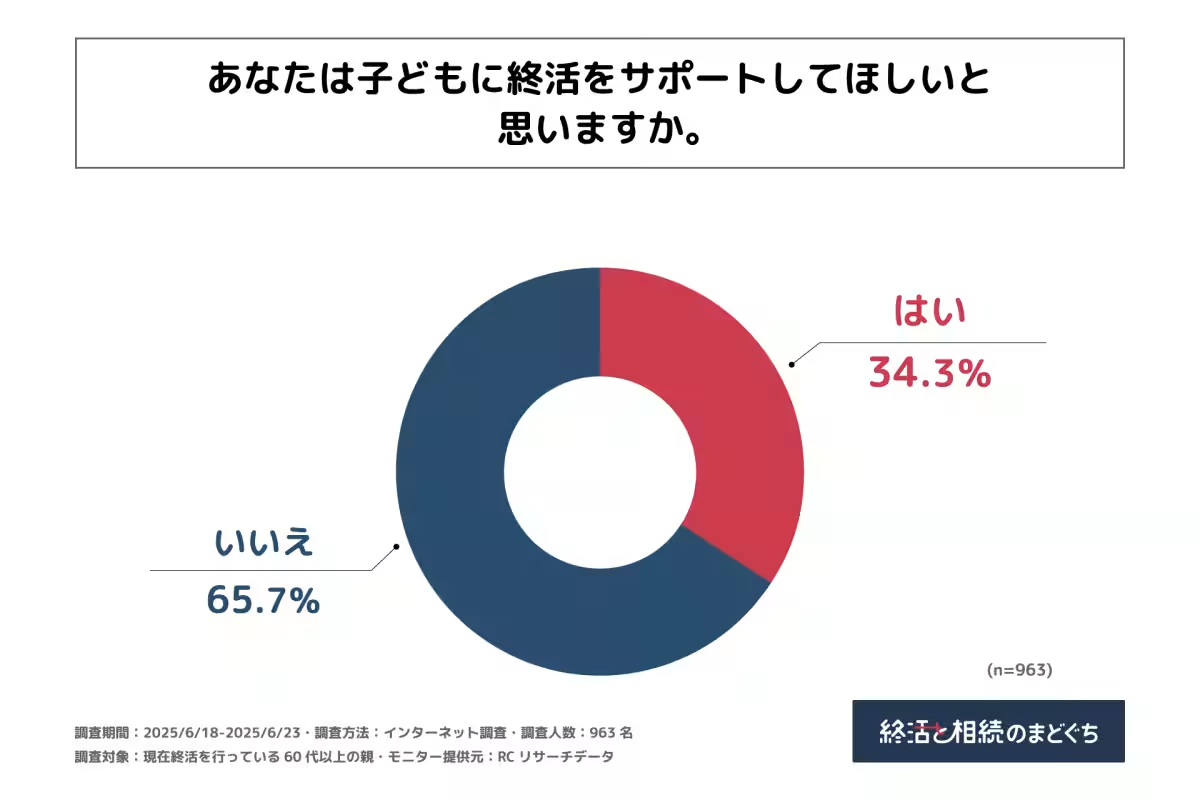
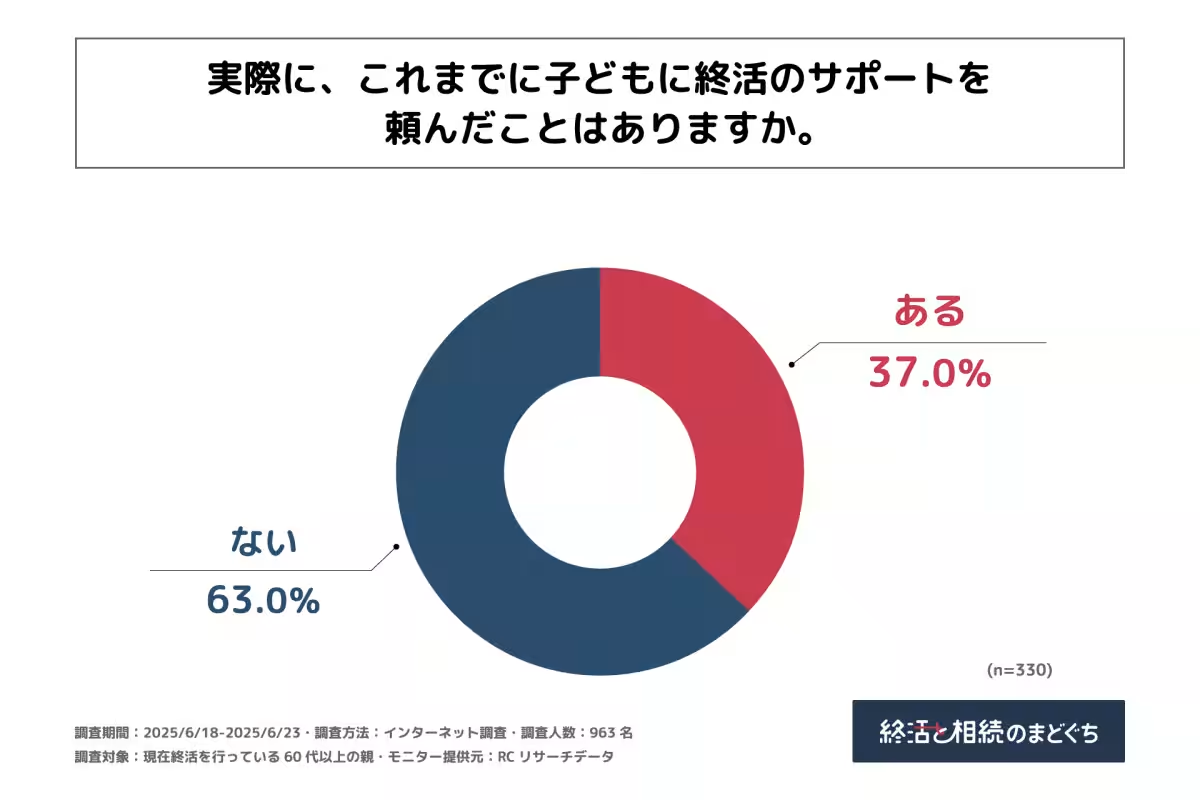
1. Support Desire: Over 34% of seniors currently engaged in end-of-life planning indicated that they wish their children would offer assistance. When asked if they desire help, only 65.7% responded negatively, while 34.3% expressed the need for support.
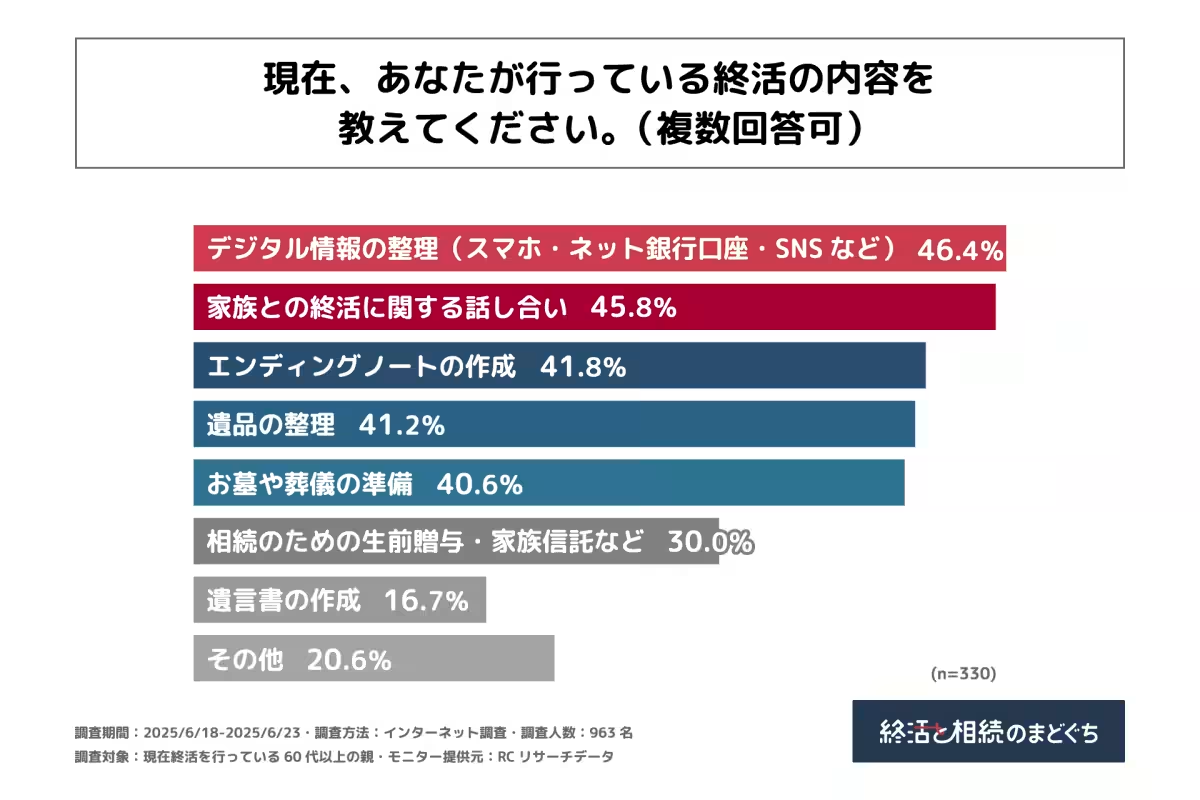
2. Current Activities: Among those seeking help, the primary activities they engaged in include:
- Organizing digital information (46.4%)
- Discussions with family about end-of-life plans (45.8%)
- Creating ending notes (41.8%)
This highlights that many parents involve their children particularly in the contextual and digital preparations necessary for end-of-life logistics.
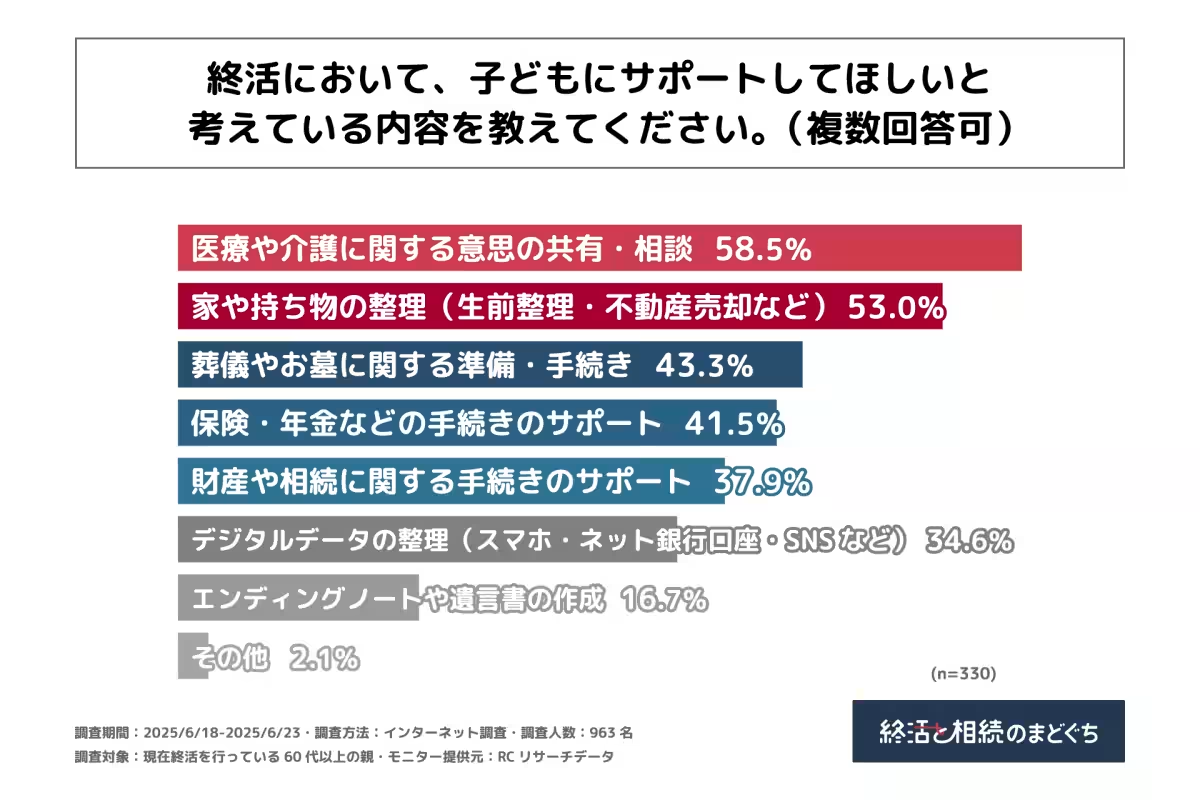
3. Requested Support Topics: The most sought-after assistance includes:
- Sharing or consulting about medical and caregiving wishes (58.5%)
- Sorting belongings and property management (53.0%)
- Arranging funerals and gravesite preparations (43.3%)
These areas indicate a focus on ensuring that parental wishes are respected and fulfilled posthumously.
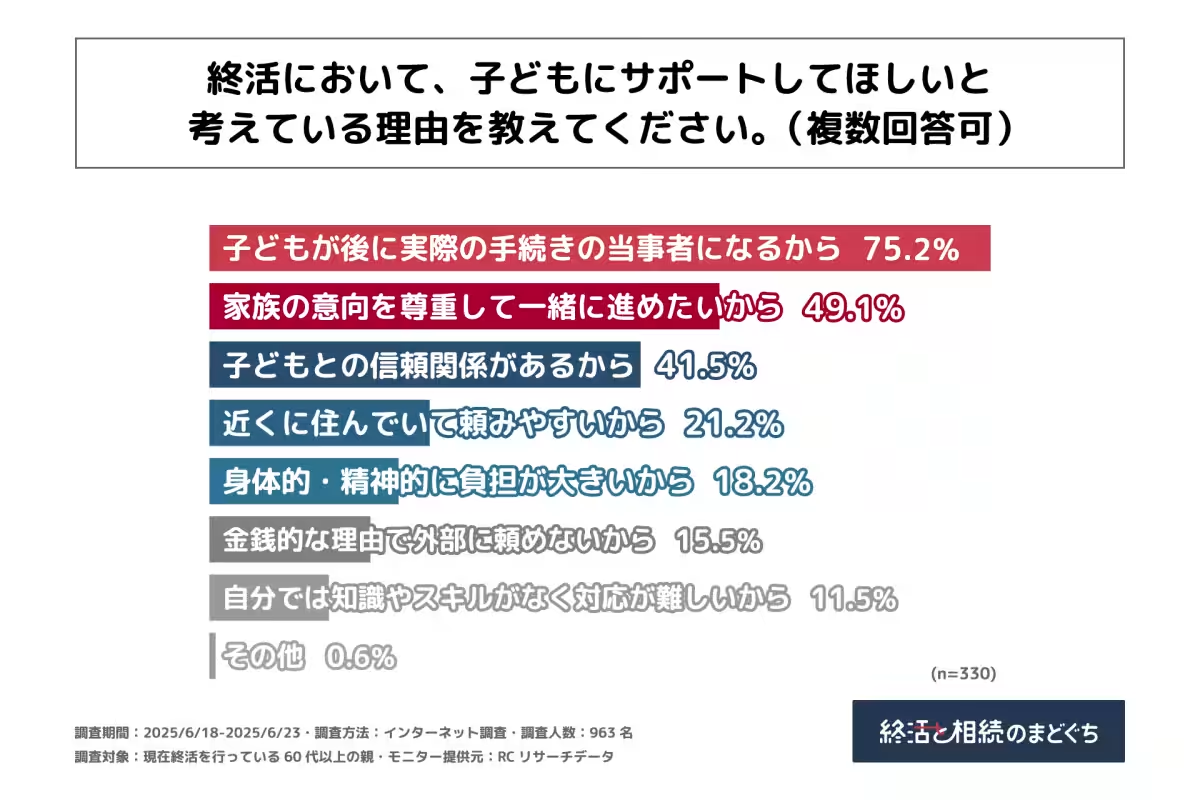
4. Underlying Motivations: When discussing why they seek their children's involvement, the most common response (75.2%) was that their children will be responsible for actual procedures later on. Other reasons include wanting to respect family intent together (49.1%) and having a trusting relationship with their children (41.5%).
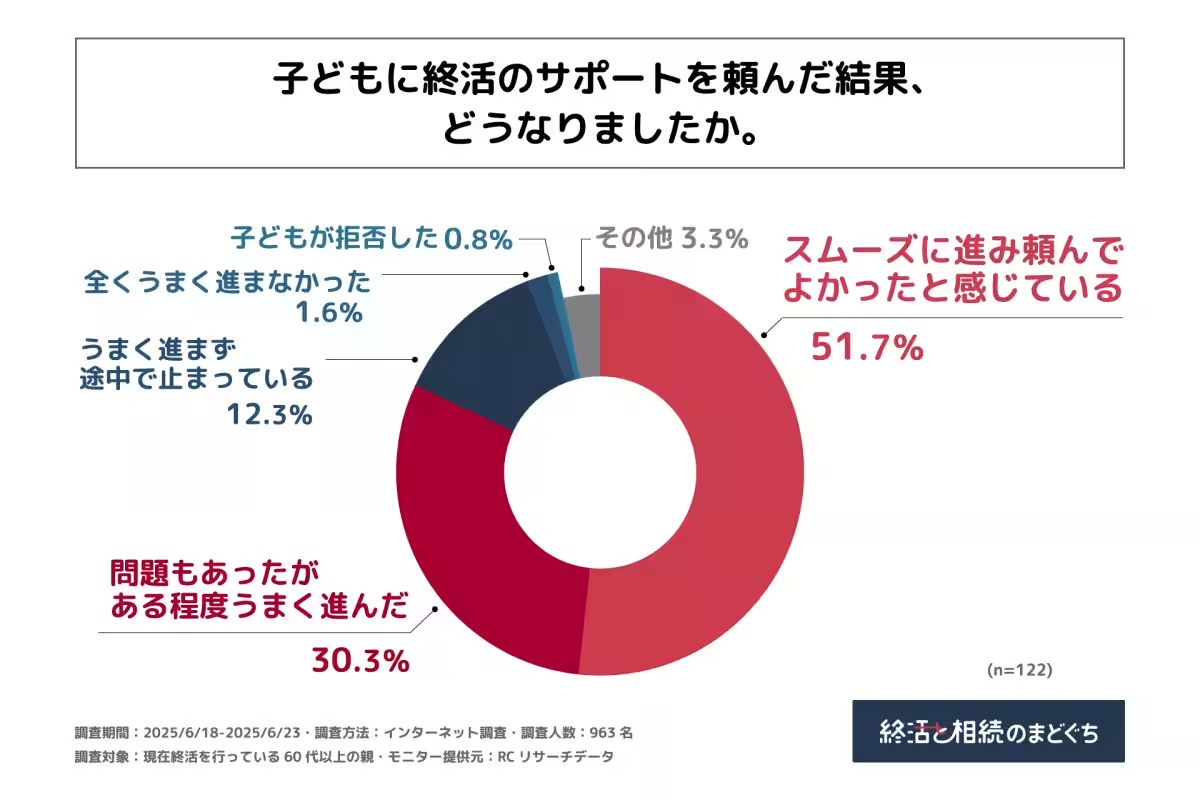
5. Actionable Requests: Approximately 40% of parents who desire support have indeed asked their children for help. Among those who have previously requested aid, over 80% reported feeling that their end-of-life planning progressed positively as a result, suggesting that the involvement of children is beneficial.
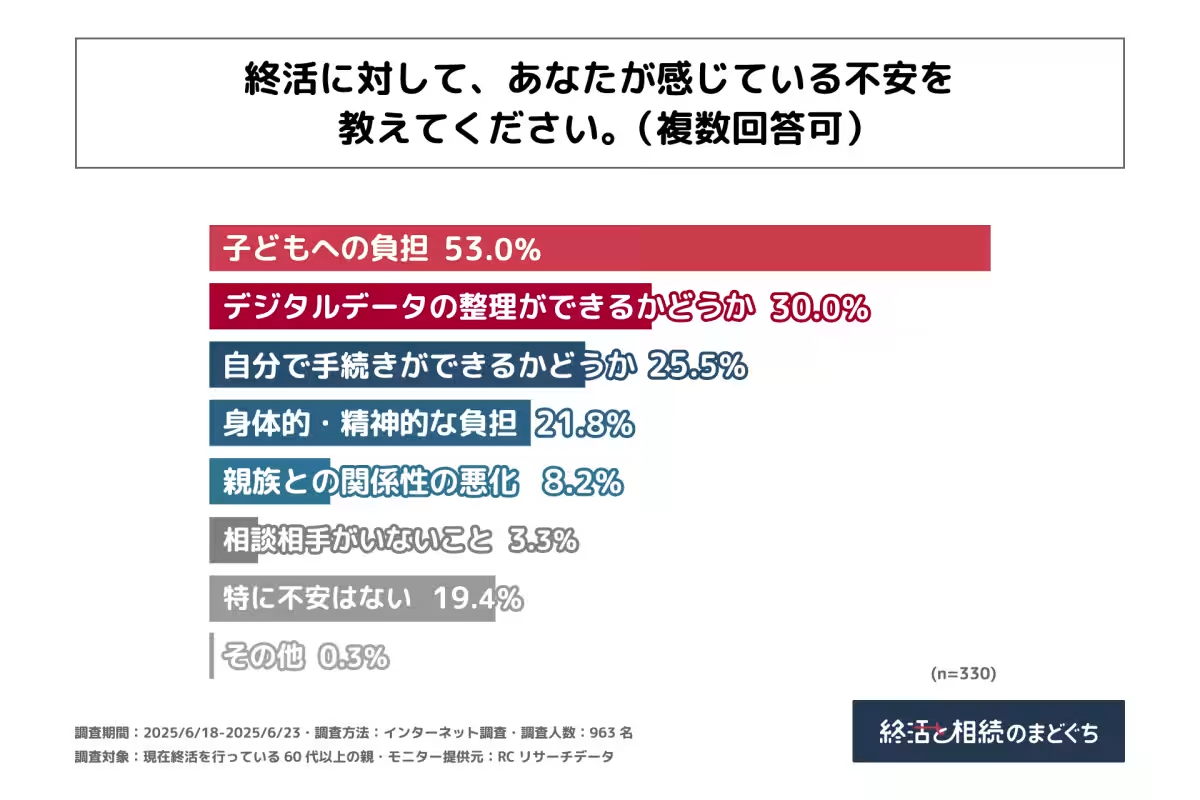
6. Concerns Expressed: Despite the positive findings, the survey also revealed that the most significant concern among parents was the burden placed on their children (53.0%). Others worried about their ability to manage digital data (30.0%) and their capacity to navigate procedures independently (25.5%).
Conclusion
The survey underscores a profound shift where seniors actively seek assistance from their children during the sensitive process of end-of-life planning. The findings indicate that many feel initial discomfort but ultimately benefit from familial involvement. Furthermore, for individuals without supportive family structures, professional services, such as those at 'Shukatsu and Inheritance Gateway', provide robust alternatives. By offering free consultations, they ensure that even those without familial support can progress confidently through their end-of-life preparations, addressing various preferences and needs.
The commitment to respecting individual wishes while navigating complex procedures is at the heart of the initiatives undertaken by Shukatsu and Inheritance Gateway, reinforcing the importance of community resources in end-of-life planning.

Topics People & Culture)




【About Using Articles】
You can freely use the title and article content by linking to the page where the article is posted.
※ Images cannot be used.
【About Links】
Links are free to use.