



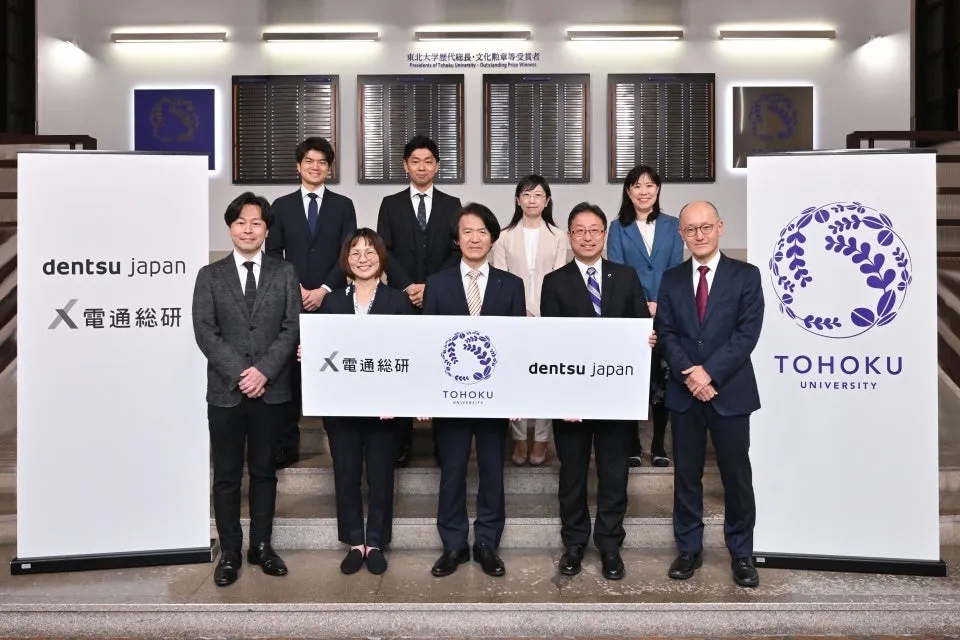
Dentsu Japan and Tohoku University Collaborate to Create a Diversity Work Model Research Institute
Dentsu Japan x Tohoku University Collaboration
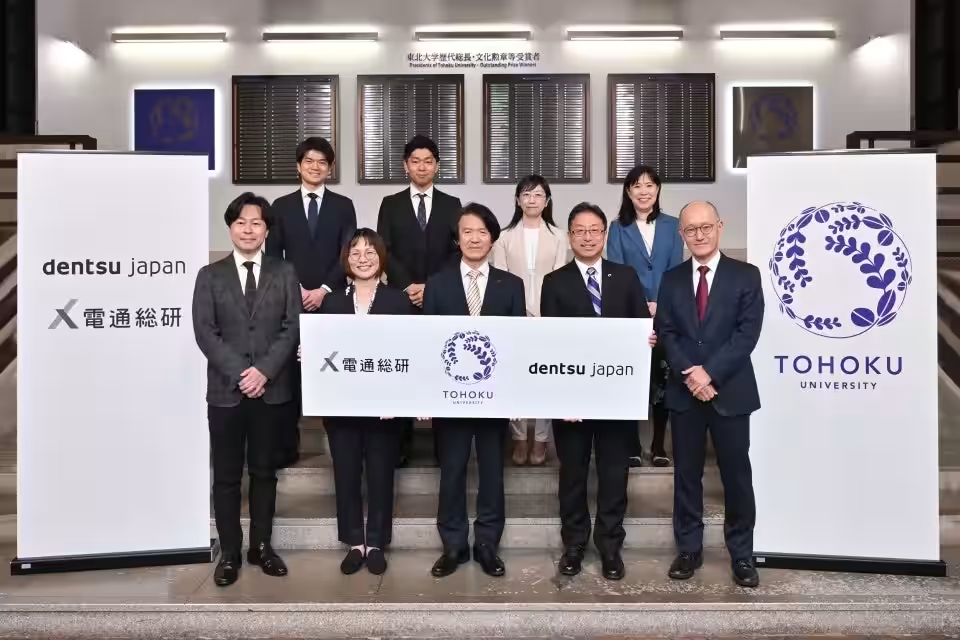
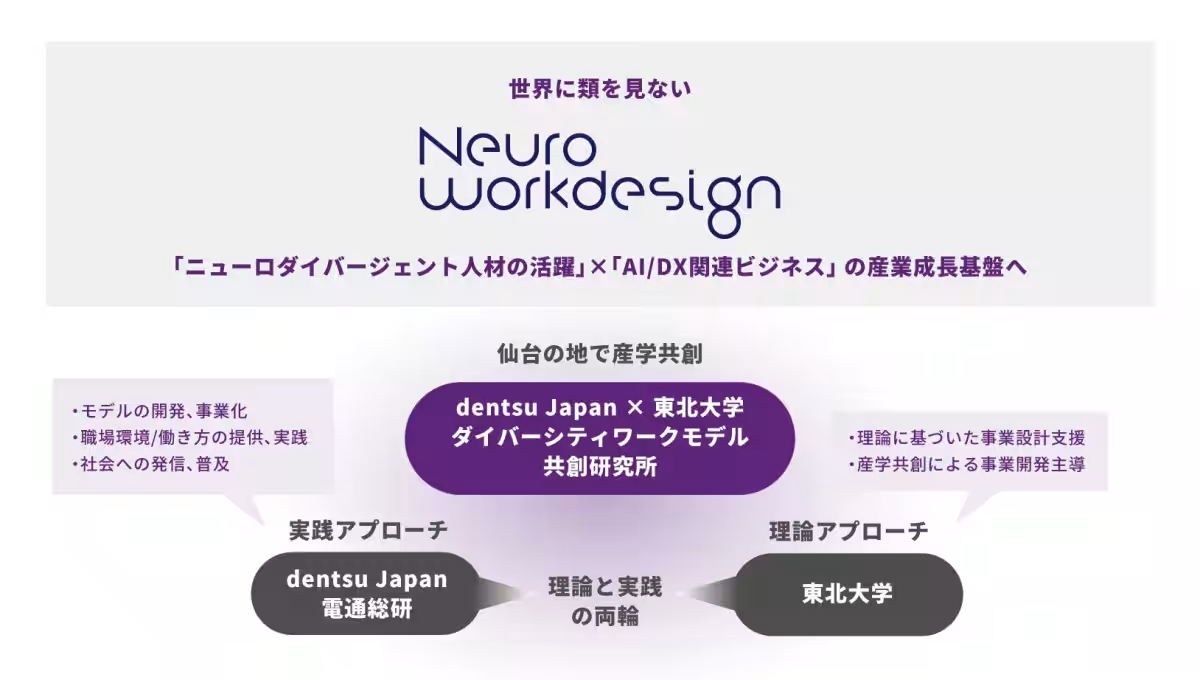
In a groundbreaking initiative, Dentsu Japan, Tohoku University, and Dentsu Research Institute have announced the establishment of the "Dentsu Japan x Tohoku University Diversity Work Model Research Institute". This new research hub aims to harness the potential of neurodivergent individuals, including those with ADHD and ASD, by creating a workplace model known as "Neuro-Workdesign". Set to open on November 1, 2025, on Tohoku University's Kawauchi campus, the institute is committed to developing innovative approaches that allow these individuals to exhibit their unique talents within corporate environments.
The Importance of Neurodiversity
Neurodiversity has emerged as a significant concept in recent years, emphasizing acceptance of individual neurological differences as part of the natural human variation, rather than viewing them as deficits. This framework encourages the appreciation and integration of diverse cognitive profiles within society. However, traditional workplace structures, often requiring fixed hours and in-office presence, can present barriers for neurodivergent individuals, making it challenging for them to thrive.
The new research institute will endeavor to create an enabling environment that supports the employment of neurodivergent talents by developing a flexible work model, the 'Neuro-Workdesign'. Through collaborations with industry and academia, the institute aims to explore and implement effective workplace practices that cater to diverse neurological needs.
Goals and Activities of the Research Institute
The Dentsu Japan x Tohoku University Diversity Work Model Research Institute will focus on several key activities:
1. Developing Adaptive Working Platforms: The research will explore various flexible working arrangements tailored specifically for neurodivergent individuals.
2. Creating Organizational Development Models: The institute aims to devise sustainable organizational frameworks that alleviate the challenges faced by neurodivergent professionals in the workplace.
3. Implementation within Dentsu Japan: The models and platforms developed will initially be rolled out within Dentsu Japan, with potential applications in broader sectors.
4. Economic Growth in Miyagi: With a focus on Miyagi Prefecture, the institute will contribute to the growth of industries intersecting neurodivergence and AI/DX (Digital Transformation).
Led by Professor Mitsutoshi Oshta of the Dentsu Research Institute and Professor Hideki Kojima of Tohoku University, the research institute's operations will extend until October 31, 2028, as part of a broader initiative to promote neurodiversity in workplaces across Japan.
Forward-Looking Initiatives
This collaborative effort not only represents a significant advancement in inclusive workplace practices but also positions Dentsu Japan and Tohoku University at the forefront of a movement aimed at redefining how companies innovate and harness the strengths of neurodivergent individuals. As they embark on this journey, their work is expected to create a more inclusive environment where every individual can excel, thereby enhancing the overall dynamic of the workforce.
By acknowledging and supporting diverse neurological profiles, organizations can leverage the unique perspectives of all employees, ultimately leading to a richer and more productive workplace culture. The Dentsu Japan x Tohoku University Diversity Work Model Research Institute is set to become a beacon of change, inspiring others to embrace neurodiversity as a source of strength in the corporate world.
Topics People & Culture)

【About Using Articles】
You can freely use the title and article content by linking to the page where the article is posted.
※ Images cannot be used.
【About Links】
Links are free to use.