



Exploring Changes in Boss-Employee Relationships Due to Remote Work Dynamics
Changing Dynamics of Boss-Employee Relationships in Remote Work
The rise of remote work during the COVID-19 pandemic has significantly altered workplace interactions, especially between bosses and employees. While remote work was once heralded as the 'new standard' for employment, companies are grappling with the challenges it brings, including communication deficits and management complexities. As major corporations worldwide exhibit a trend of returning to full office operations, a strong desire remains, particularly among younger generations, to continue remote or hybrid work models.
Generational Differences in Perception of Remote Work
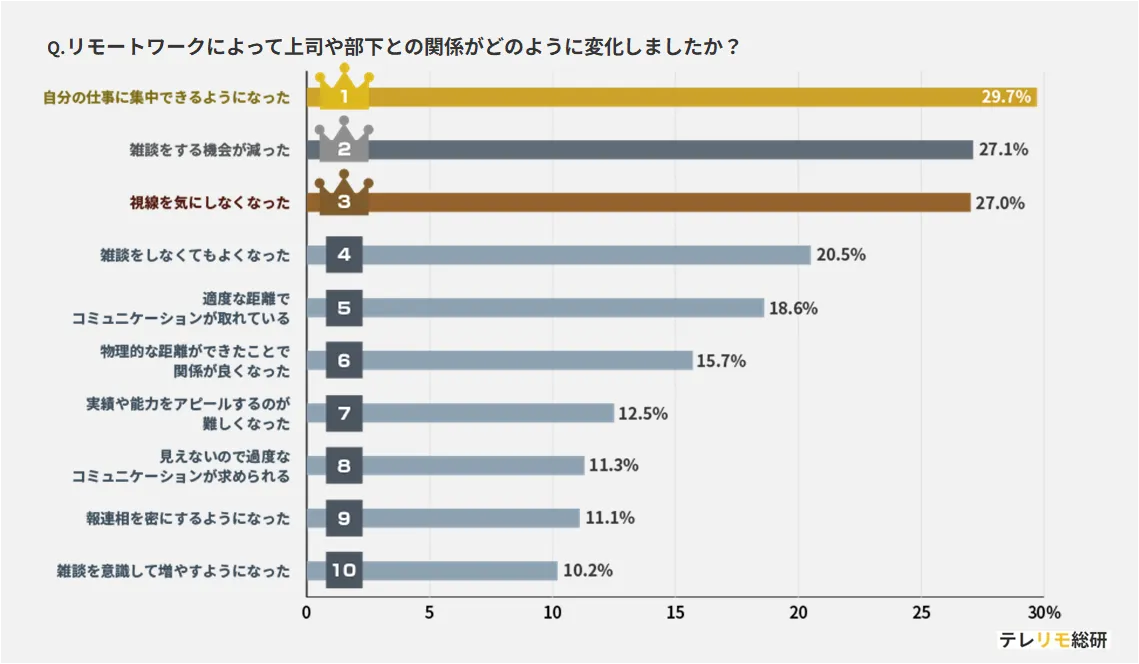
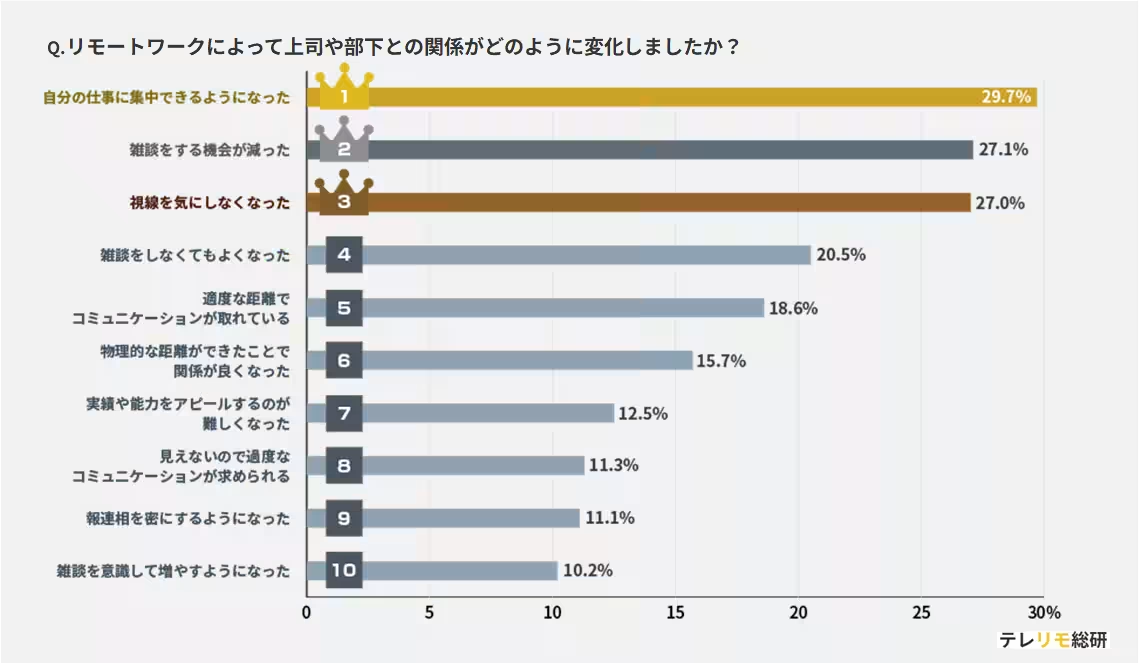
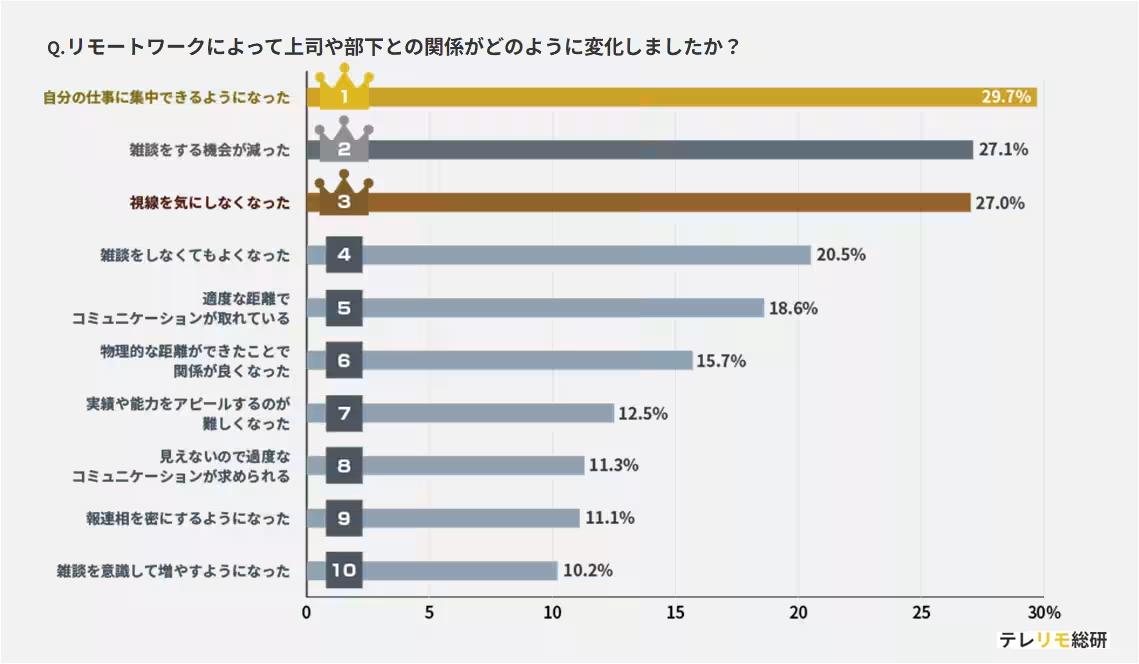
Recent surveys have illuminated variations in how different age groups perceive their work relationships in a remote setting. Among the top changes noted in these relationships, the most prominent was employees reporting an increased ability to focus on their tasks without distractions. Interestingly, respondents also indicated that remote work established a 'suitable distance' that mildly improved interactions and allowed for a level of comfort in communication.
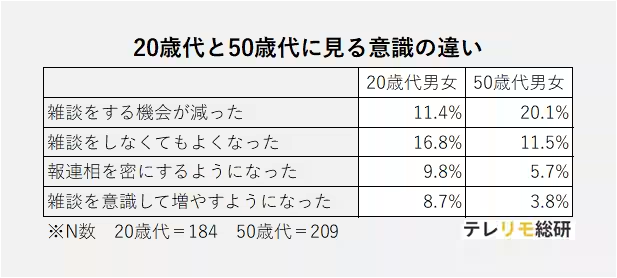
These results indicate that some employees appreciate the reduced interference in their workflow, highlighting a clear division in perspectives based on age. For example, surveys revealed that older workers (those in their 50s) felt a more significant impact due to reduced informal conversations at work compared to younger employees in their 20s, who often did not view this lack of casual interaction as a negative change. This highlights a trend where younger employees are more inclined to prioritize concentration and productivity over social interactions.
Variances Among Age Groups
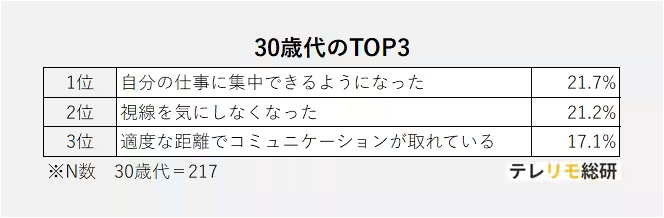
The top responses from different age demographics paint a more nuanced picture. Participants in their 30s largely expressed that they could concentrate better (21.7% reported feeling this way), cared less about the presence of others (21.2%), and maintained a comfortable communication distance (17.1%). This suggests that for many in their working years, remote work potentially boosts productivity and concentration more than traditional office dynamics. Conversely, the older generation reported feeling the loss of casual conversations more acutely, as evidenced by the nearly two-fold increase in concern regarding this issue among the 50s age group (20.1%) compared to those in their 20s (11.4%).
Gender Insights: A Contrast in Comfort
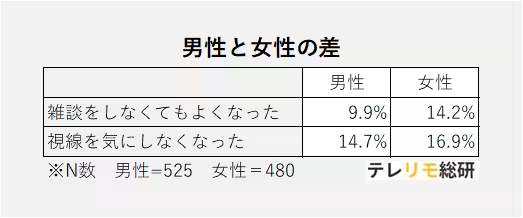
Differences based on gender also emerged within the survey, providing additional insight into remote work's impact. Women reported a higher percentage of comfort in minimizing casual interactions (14.2%) when compared to men (9.9%), alongside a similar trend regarding concerns over others' focus on them (their gaze): 16.9% for women versus 14.7% for men. This indicates that remote work may liberate women from societal expectations tied to casual workplace interactions, a sentiment perhaps less recognized among their male counterparts.
Implications for Management and Workplace Culture
The nuances in feedback from different demographics suggest a necessity for management to be conscious of varying perspectives, especially when considering that most leadership roles remain dominated by men. Such dynamics imply that male supervisors may need to adapt their understanding of workplace relationships to foster more inclusive and supportive environments.
The data paints a broader picture; those over 50 emphasize the necessity of personal interaction, while younger workers actively seek ways to overcome the isolation that remote work can sometimes bring. The latter group appears to embrace the situation creatively, finding ways to adjust their work styles in ways that enhance their efficiency.
Navigating Future Work Environments
As companies now face shifting tides between embracing remote work and reverting to traditional office settings, it is clear that perspectives on remote engagements diverge widely across age and gender. Older workers often lament the social interactions lost in remote structures, while younger age groups appreciate the focus and flexibility afforded by working from home.
To strike a balance, businesses should consider designing work environments that move beyond binary choices of remote versus in-office work. This could include providing flexible arrangements that respect the preferences and concerns of all employees, across various demographics.
Ultimately, remote work should be viewed as more than merely a logistical change; it reflects the evolving values and expectations of workers. Understanding these differences will be crucial in shaping healthier boss-employee relationships moving forward, as businesses work to foster environments where every member can thrive.
Survey Overview
- - Survey Period: May 23 - May 28, 2025
- - Participants: 1,005 working individuals (ages 20-65) who have experience with telecommuting/remote work
- - Method: Internet survey
Topics People & Culture)
【About Using Articles】
You can freely use the title and article content by linking to the page where the article is posted.
※ Images cannot be used.
【About Links】
Links are free to use.