



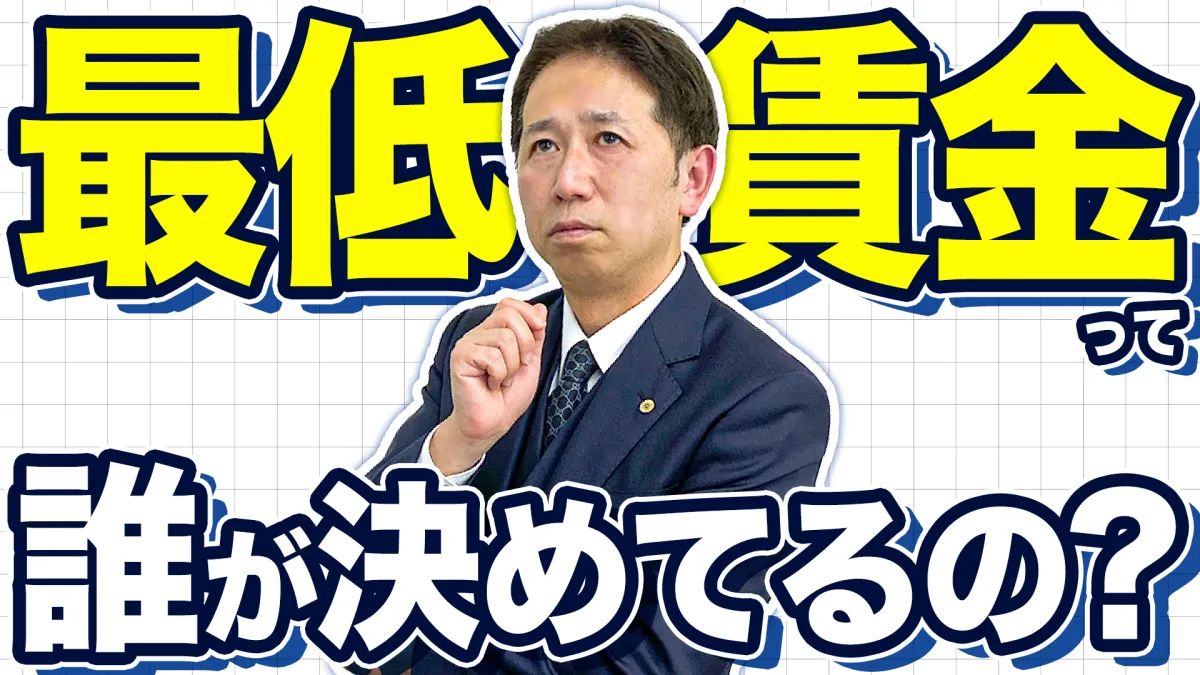
Understanding Minimum Wage Determination: Who Is Involved and How It Works
Understanding Minimum Wage Determination: Who Is Involved and How It Works
Have you ever wondered, "Who decides the minimum wage?" It's a common question that highlights a complex process involving various stakeholders. Contrary to the idea that the government alone sets these wages, the reality is much more collaborative. The minimum wage is determined through discussions between three main parties: workers, employers, and the state. In this article, we will explore how this process unfolds and delve into the critical nuances behind minimum wage decisions.
The Role of Advisory Councils
The process begins at the national level with the Central Minimum Wage Advisory Council, which divides the country into three distinct blocks: A, B, and C. This council provides a framework for what minimum wages should look like across different regions, taking into consideration economic factors and living costs.
Once the central advisory council presents these guidelines, attention shifts to the regional stage. Local Minimum Wage Advisory Councils take over, comprised of workers’ representatives, employers, and experts. They engage in discussions tailored to regional economic realities and labor conditions.
Ultimately, the decision is finalized by the Prefectural Labor Bureau Chief, who has the authority to officially set the minimum wage for that specific area. This multi-layered process ensures that decisions are not made in isolation but rather reflect the diverse economic landscapes across the nation.
Media Reporting vs. Ground Realities
It’s important to note that media reports often announce decisions as if they are finalized. However, behind the scenes, the actual process is a careful negotiation influenced by various factors such as the cost of living and individual companies’ financial capacities. Decisions about minimum wage are not merely numerical values; they represent societal values and the collective will of different communities.
Seminar on Minimum Wage Insights
To shed light on this critical topic, a seminar is being held by the Clea Human Resources Development Association. Scheduled to take place frequently at their headquarters located in Kioicho, Chiyoda-ku, this seminar seeks to answer pressing questions regarding minimum wage determination:
- - How is the minimum wage set, and who influences it?
- - What are the distinctions between central and local advisory councils?
- - What’s the difference between the media's announcement of a "decision" and the actual "confirmation"?
- - Whose interests – employers or employees – are more reflected in these discussions?
- - What does it mean for the minimum wage to indicate “social balance”?
Meet the Speaker: Jun Ono
The seminar will feature Jun Ono, a certified social insurance labor consultant with extensive experience in labor training. Jun has conducted over 400 workshops on topics related to harassment and labor regulations at various firms and educational institutions. His approach emphasizes practical application, focusing on how laws affect workplace realities. He also supervises training related to hiring clean plans, further showcasing his commitment to thorough educational practices.
About Clea Human Resources Development Association
Founded in 2023 as a group company under SA Corporation, the Clea Human Resources Development Association is dedicated to providing training and certifications related to employment, labor, and harassment prevention. With a strong emphasis on the “Employment Clean Project,” the association aims to protect workers and their families by offering practical, applicable learning experiences. Over 650 individuals have obtained the status of “Employment Clean Planner,” showcasing their dedication and expertise in various fields, including corporate sectors, local government, and educational venues.
For more details, visit the official website: Clea Association.
Topics People & Culture)
【About Using Articles】
You can freely use the title and article content by linking to the page where the article is posted.
※ Images cannot be used.
【About Links】
Links are free to use.