



Okayama University Launches Carbon Footprint Project for Kibi Dango: A Sustainable Future Discussions
Introduction
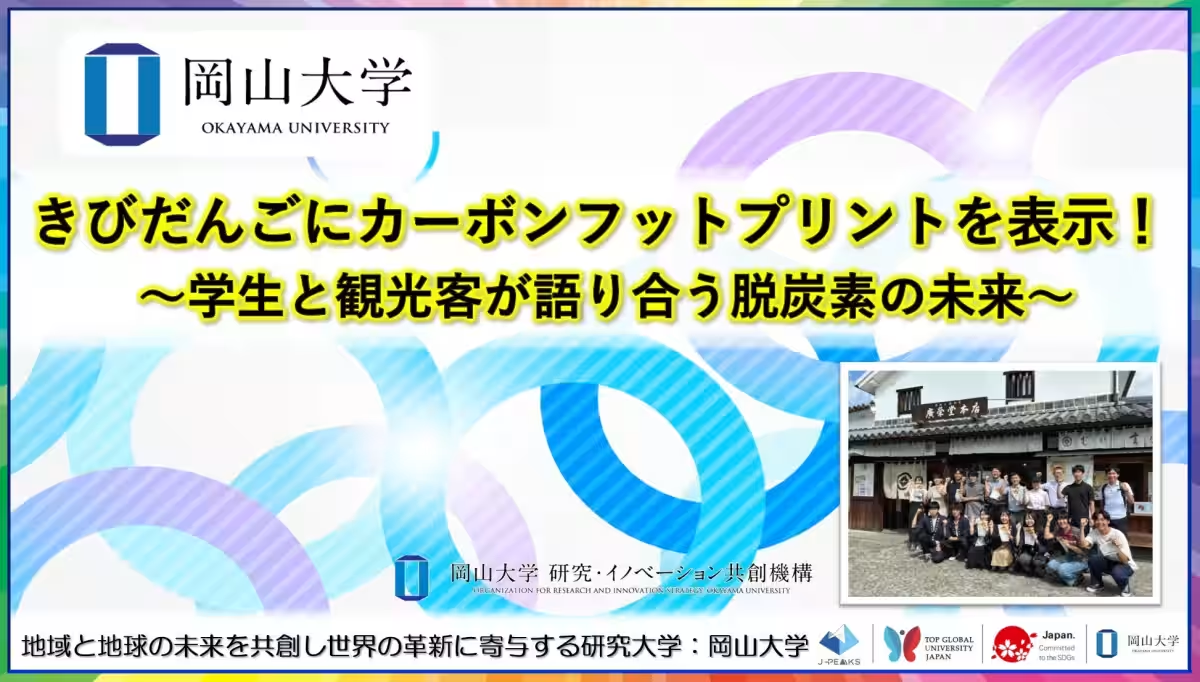
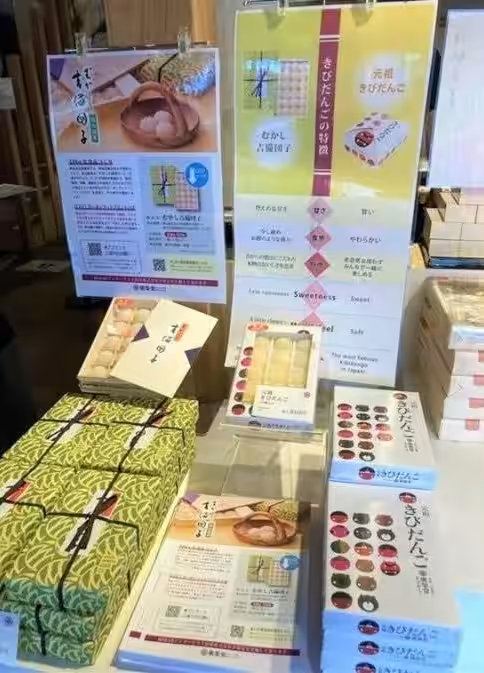
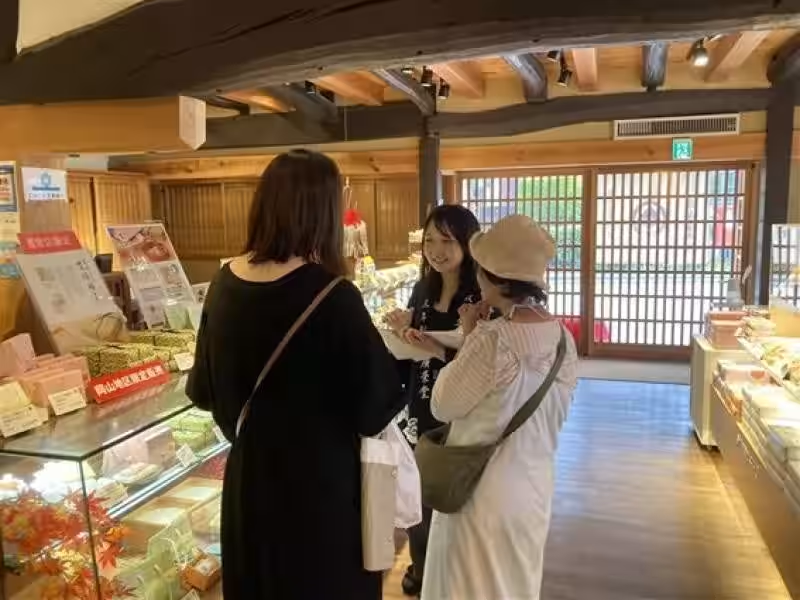
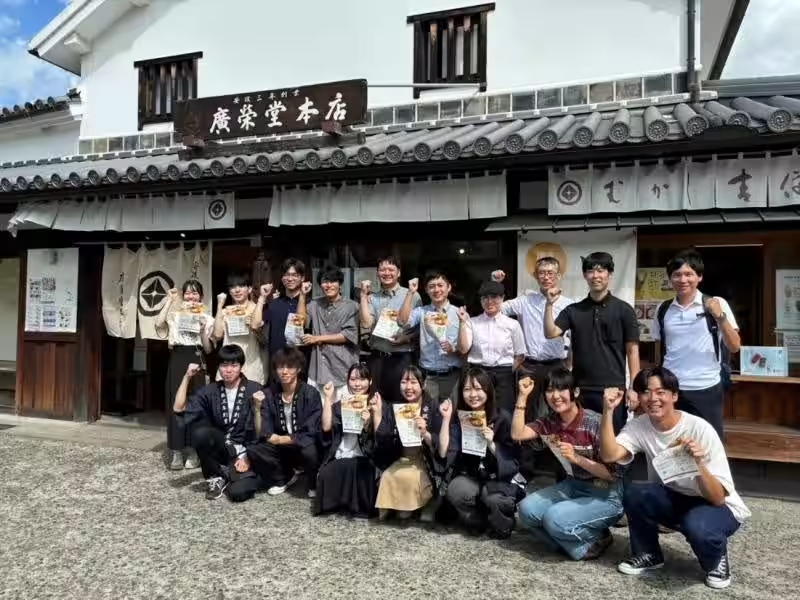
Okayama University, in collaboration with Koeido Co., Ltd. and MS&AD InterRisk Research Institute, has launched a significant initiative to measure and display the Carbon Footprint (CFP) of its famous traditional sweet, Kibi Dango. This project, started on September 1, 2025, showcases the carbon emissions associated with the production and distribution of two varieties: 'Ganso Kibi Dango' and 'Mukashi Kibi Dango.' The display is taking place at the Koeido Kurashiki Yudate store located in the picturesque Kurashiki Bikan Historical Area, allowing visitors to interact with the project and learn about the environmental impact of these sweets.
Context and Research
This innovative project was spearheaded by Associate Professor Tatsuaki Tenwaki’s lab at the Faculty of Economics, in collaboration with MS&AD InterRisk Research Institute. The research team conducted surveys and interviews with tourists to gauge their awareness and understanding of the Carbon Footprint initiative. They aimed to inform consumers about the environmental impact of the products they choose and encourage sustainable decision-making.
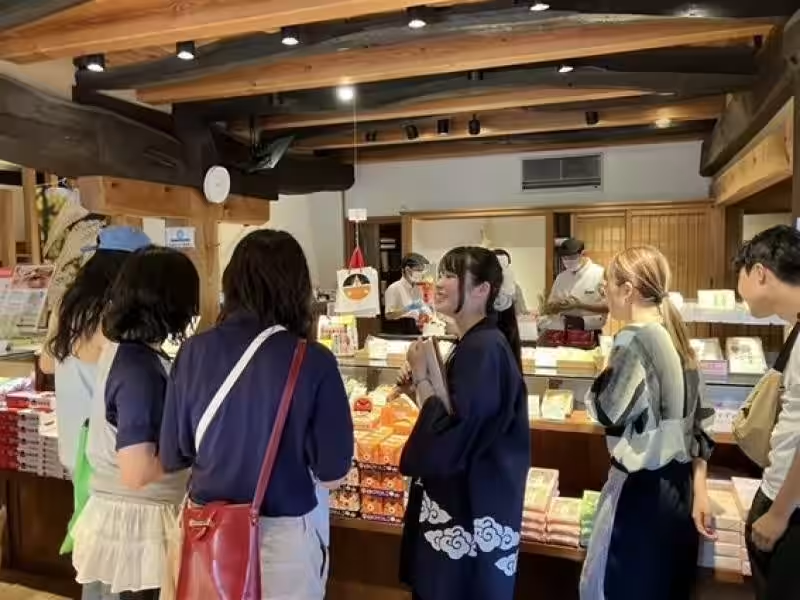
During the first week of September, students from Okayama University's economics department engaged directly with visitors, explaining the significance of the Carbon Footprint and how it varies between different products. The results revealed that the 'Ganso Kibi Dango' has a carbon footprint of 766 g-CO₂e per box (15 pieces), while 'Mukashi Kibi Dango' registers at 638 g-CO₂e, illustrating a notable 17% difference.
Insights from Tourists and Students
Tourists responded positively to the information provided at the display. Many expressed curiosity not just about the numerical differences in CFP but also about the sustainable practices behind the products, such as the use of wooden boxes and locally-sourced rice from Okayama Prefecture. Comments from visitors included, "I had no idea that packaging could influence the environment" and "It's fascinating how using local materials can be a more environmentally friendly choice."
The students involved in this initiative shared their reflections on the interactions. One student remarked, "Seeing the interest of tourists and having the opportunity to shift their perspectives was an incredible experience." Another student noted, "I’ve learned about global warming since elementary school, but putting this data into context made environmental issues feel more real and relevant."
Business Perspective
Yuki Konishi, the head of Koeido’s president’s office, emphasized that this initiative adds new value to traditional Japanese sweets. He expressed the desire to integrate the fresh perspectives of students and the voices of tourists into future product development. Furthermore, Yoshizumi Asai, a senior consultant at MS&AD InterRisk, highlighted the importance of Carbon Footprint labeling, stating it offers a new value proposition to consumers and enhances the value of products and services. He expressed optimism about expanding this model to other small and medium-sized enterprises.
Conclusion
This collaboration between students, businesses, and research institutions is a promising step toward raising awareness of environmental issues among visitors to tourist destinations. The Carbon Footprint display project will continue until October 31, with ongoing surveys conducted by students every Friday from 2 PM to 4 PM (except September 12). It is hoped that this initiative will pave the way for more sustainable practices rooted in local traditions and further the goals of carbon neutrality.
Okayama University's commitment to sustainability aligns with the United Nations Sustainable Development Goals (SDGs) and stands as a beacon of innovation and education in addressing contemporary environmental challenges. As they continue this vital work, there are high expectations for the university's impact on both the local community and the broader environmental movement.
Topics People & Culture)
【About Using Articles】
You can freely use the title and article content by linking to the page where the article is posted.
※ Images cannot be used.
【About Links】
Links are free to use.