



Survey Reveals the Rising Trends in End-of-Life Planning Among Seniors in Japan
Survey Insights on End-of-Life Planning in 2025
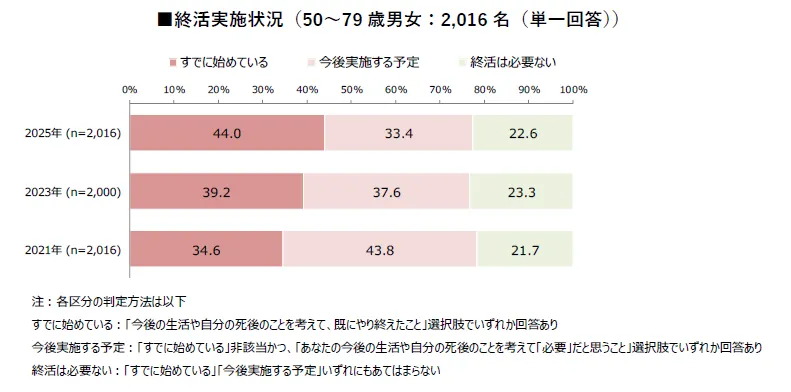
In a recent survey conducted by the Harumeku Ikikata Jouzu Research Institute, it was revealed that 44% of respondents aged 50 to 79 have already begun their end-of-life planning, referred to as "shukatsu" in Japan. This shift is not merely a trend; it signifies a growing awareness and acceptance of preparing for life’s later stages.
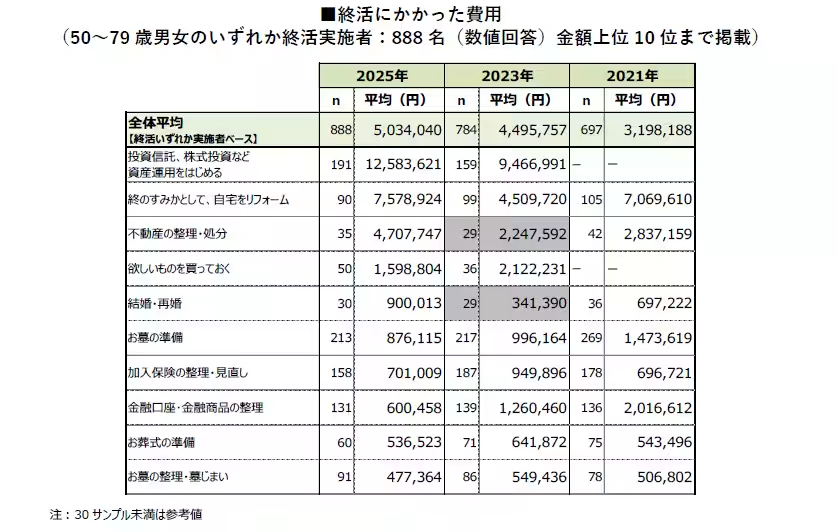
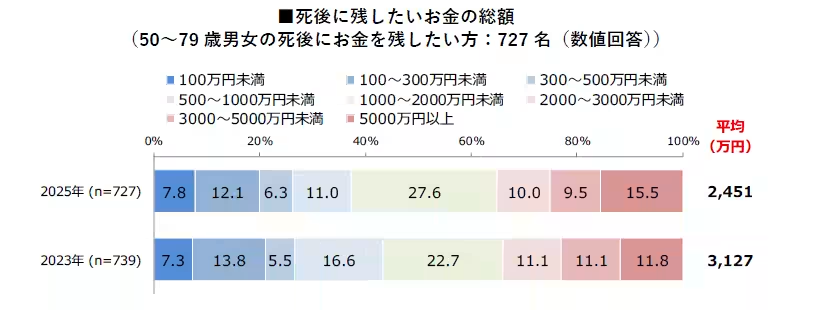
Realizing the importance of end-of-life preparations, individuals are not only focusing on traditional practices but increasingly engaging in activities that enhance their current living conditions. The average expense related to end-of-life planning stands at approximately 5.03 million yen, reflecting a significant investment in ensuring peace of mind. Furthermore, those aiming to leave behind wealth desire an average inheritance of about 24.51 million yen.
Key Findings
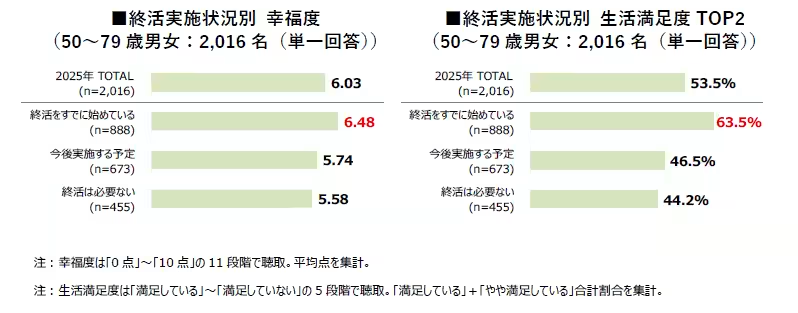
- - Happiness and Satisfaction: Those who have commenced their end-of-life planning report higher happiness and life satisfaction levels. The average happiness score among these individuals is 6.48 compared to the total average of 6.03. Moreover, 63.5% expressed they are satisfied or somewhat satisfied with their lives.
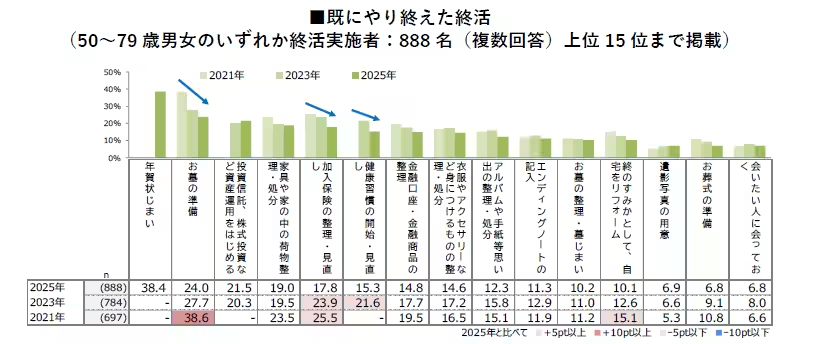
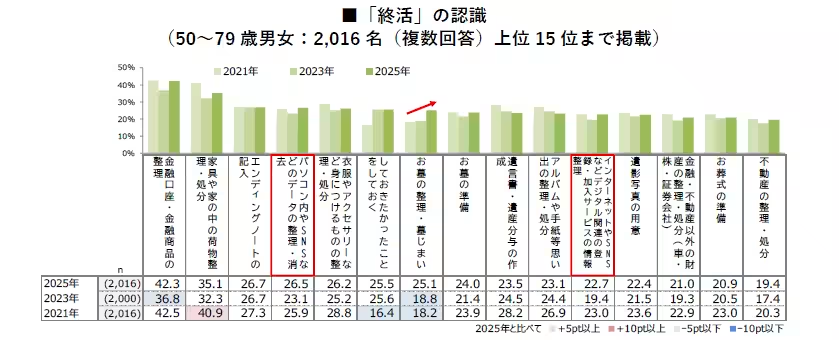
- - Popular Activities: The most common activity already completed is the discontinuation of sending New Year’s cards (38.4%). In terms of recognized planning activities, 42.3% identified organizing financial accounts and products as essential, while there is a noticeable increase in the trend of cemetery management.
- - Awareness and Costs: Notably, average costs for end-of-life planning have increased compared to previous surveys, indicating a growing recognition of its importance. High cost areas include investments in financial assets, home renovations, and the disposal of real estate.
Emerging Trends
The growing awareness of “letting go” through activities such as discontinuing New Year’s cards, signifies a deeper, reflective approach towards personal life management. It's increasingly observed that end-of-life planning is transforming from a preparatory measure for death into actionable steps for improving everyday living. In light of recent cultural shifts, figures like actress Pinco Izumi have publicly rejected conventional end-of-life norms in favor of personal expression, reinforcing that these choices now reflect individuality.
The data suggests a remarkable transition toward digital end-of-life management as well. Over 20% of individuals are concerned with organizing their digital footprints, including social media and online registrations.
Expert Insights
According to Yukie Umedzu, the director of the Harumeku Ikikata Jouzu Research Institute, the survey results illustrate a trend where end-of-life planning is beginning to redefine how individuals perceive their life stages. No longer viewed merely as preparations for death, planning is now contributing to improved quality of life. The gap in awareness versus action—where 77.4% feel end-of-life planning is necessary while only 44% have taken tangible steps—calls attention to a persistent issue that many individuals still face in confronting their future.
This juxtaposition of awareness and action suggests that actively engaging in planning can enhance overall life satisfaction. Individuals who embrace the practice of organizing and letting go may find themselves in more control of their future happiness. Engaging in end-of-life planning not only lays foundations for posthumous affairs but also presents opportunities to enhance current life enjoyment.
Importance of the Harumeku Brand
With the motto of supporting women in their 50s and beyond, Harumeku has established itself as a leading magazine offering valuable insights on various topics, including health, lifestyle, beauty, and financial planning. The institute’s dedicated research focuses on the senior demographic, revealing crucial insights that influence how products and services for this age group are developed. This commitment to understanding and serving the needs of seniors has solidified Harumeku’s position as a trusted resource in facilitating informed choices for a fulfilling life.
Amidst changing cultural landscapes, the narrative around end-of-life planning in Japan is evolving, reflecting broader societal changes that encourage seniors to live life with intention and agency. Marrying the ideas of preparation with present satisfaction, end-of-life planning is not just a conclusion; it’s a means to live fully, embracing both the present and the future.
Topics People & Culture)


【About Using Articles】
You can freely use the title and article content by linking to the page where the article is posted.
※ Images cannot be used.
【About Links】
Links are free to use.