



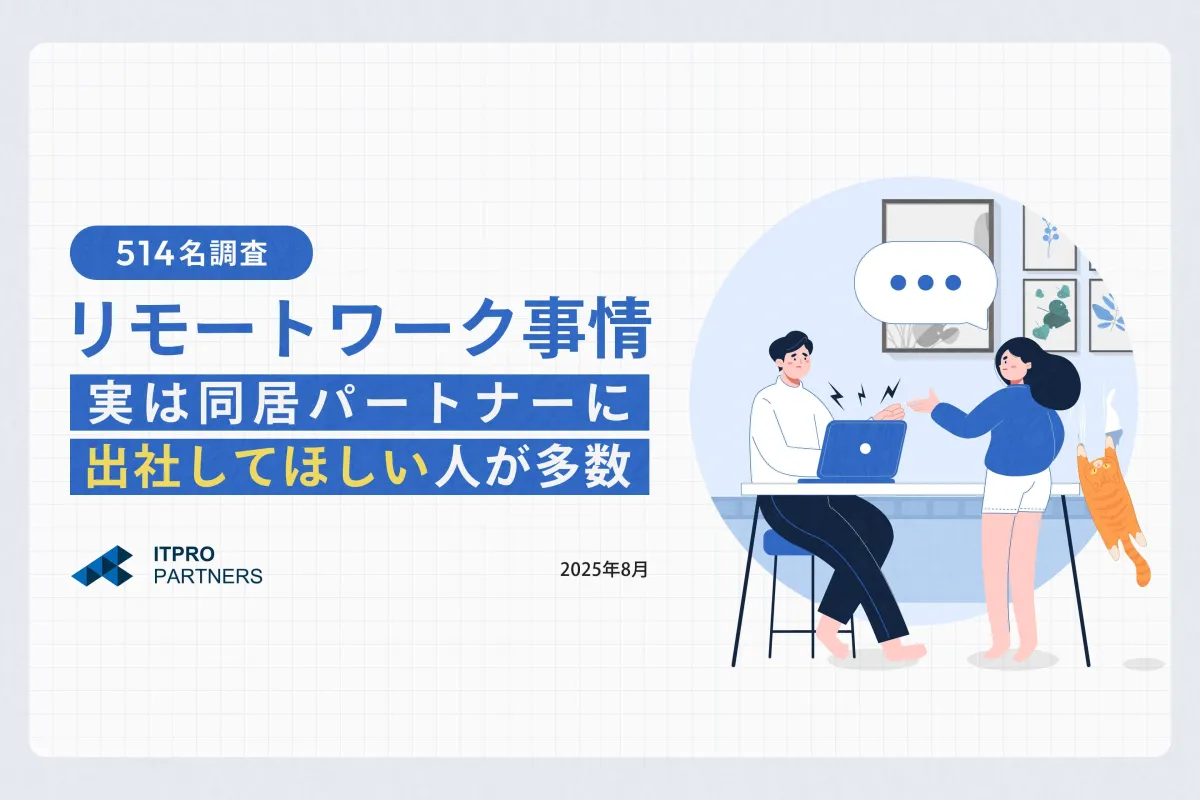
Survey Reveals Couples Want Partners to Return to Office More Frequently
Insights into Remote Work Preferences Among Couples
In a recent survey conducted by Hajimari, the company that operates IT Pro Partners, it was revealed that nearly 46% of participants would prefer their partners to return to the office at least three times a week. The study involved 514 couples living together and aimed to explore the dynamics of remote work and its impact on stress levels among partners.
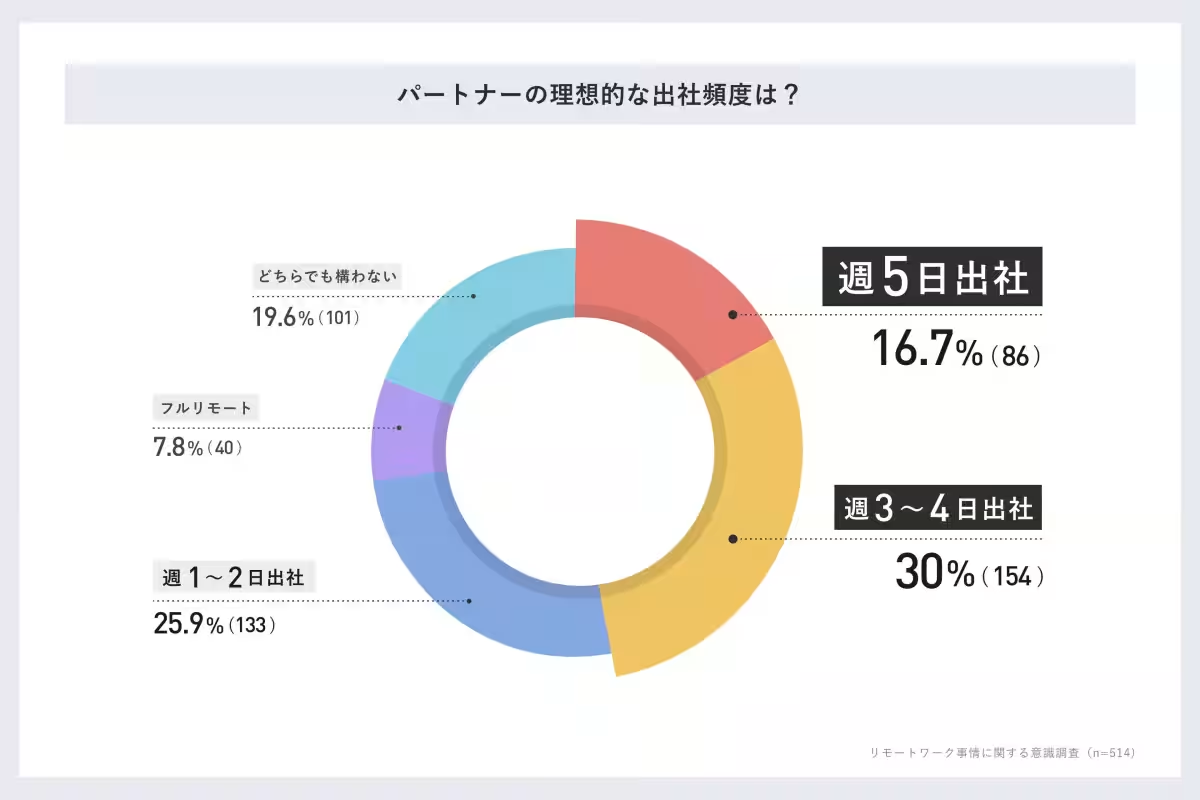
The survey unveiled a strong preference for working in the office. The majority of respondents expressed a desire for their partners to come into the office three to four times weekly, in stark contrast to the mere 8% who preferred complete remote work. These findings highlight a prevalent sentiment: many people feel that having their partners work from the office more can alleviate stress and enhance work-life balance.
Despite the ongoing trend of remote work among large and foreign companies, there remains a significant portion of the workforce that favors traditional office environments. The survey noted a remarkable disconnect between how frequently individuals prefer to work remotely and the frequency they expect from their partners.
Key Findings from the Survey:
1. Ideal Office Attendance: Most respondents preferred their partners to be in the office three to four days a week, with 30% expressing this opinion. On the other hand, only a small fraction expressed a preference for full remote work.
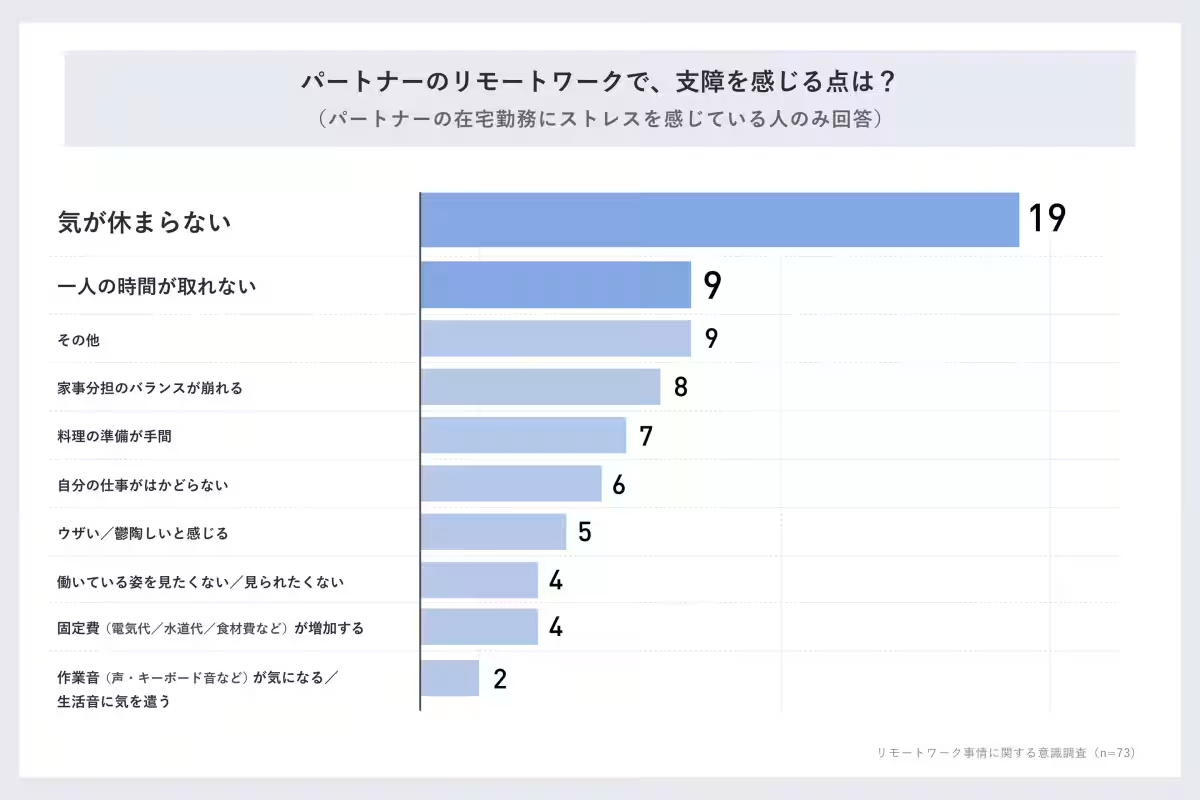
2. Sources of Stress: A substantial 26% reported that their primary stressor was the inability to relax when their partner worked from home. The lack of personal time was also cited, indicating a strong psychological burden rather than just physical inconvenience.
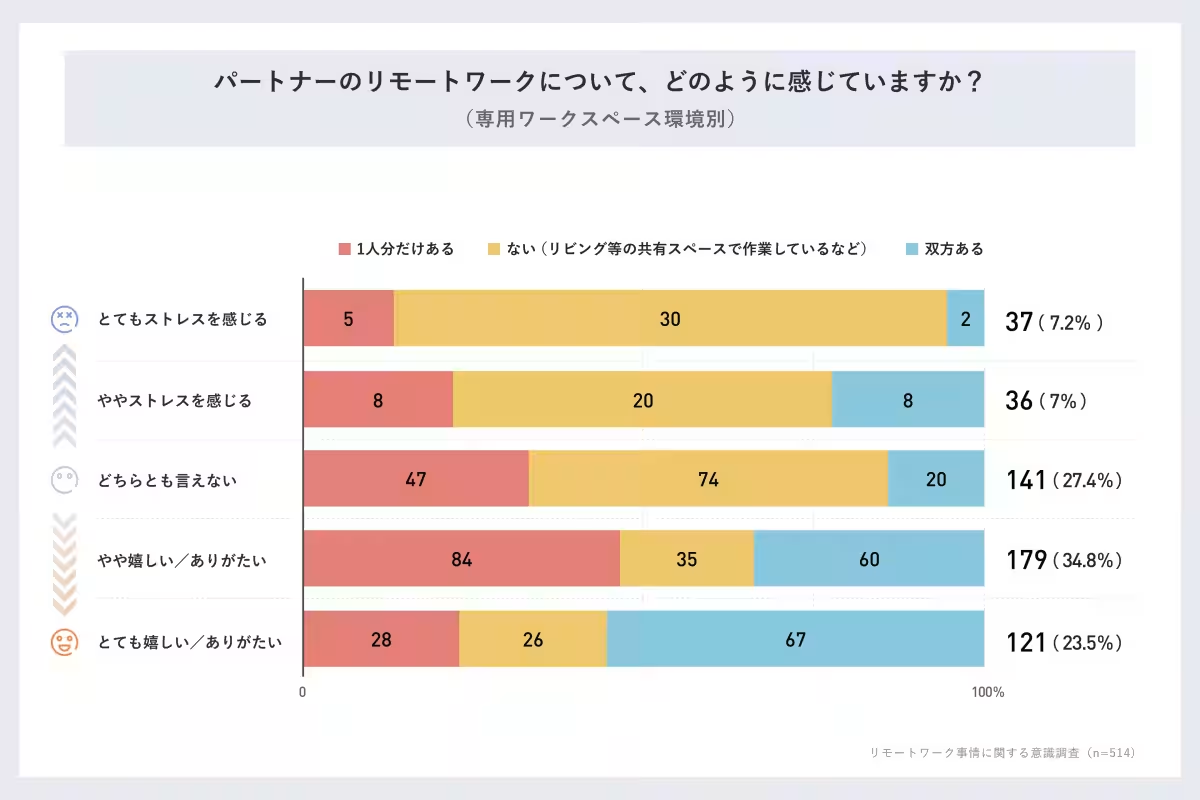
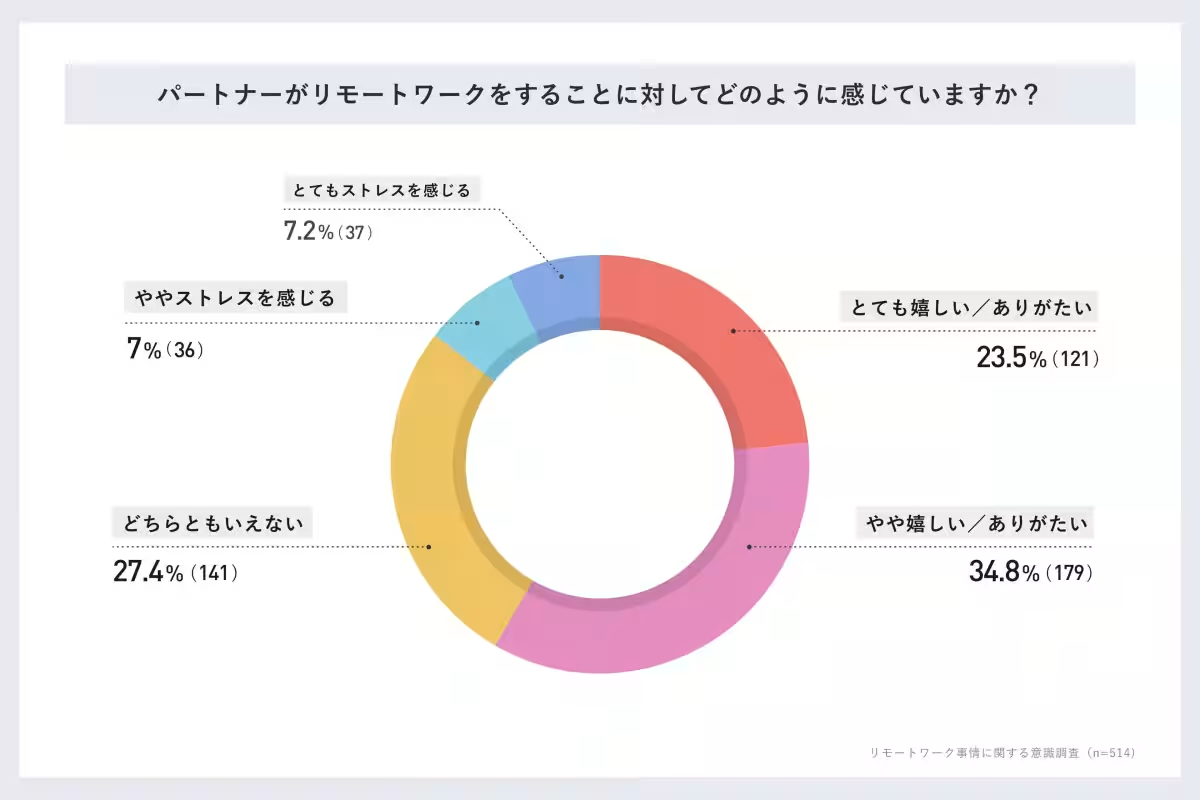
3. Attitudes Towards Partner’s Remote Work: While more than half (58.3%) viewed their partner working from home positively, there was still a notable group (14.2%) who found it stressful. This highlights a nuanced relationship with remote work; although some partners are happy to have more time together, it comes with its own set of challenges.
4. Workspace Matters: The study also emphasized the importance of dedicated workspaces. Couples with separate workspaces reported a drastically lower rate of stress (6.4%) compared to those who did not have designated areas (27%). This suggests that creating a conducive work environment is essential for minimizing stress in remote working households.
Deeper Insights:
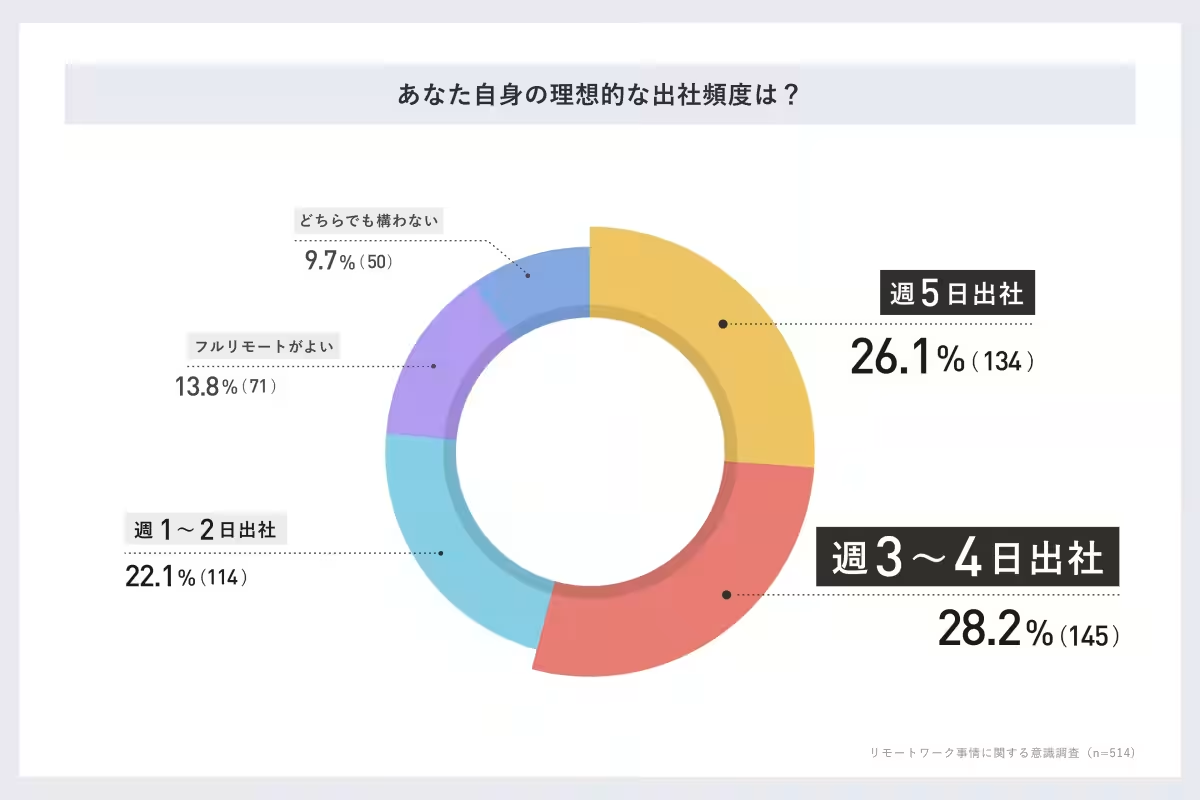
The survey illustrated an essential contrast between how respondents viewed their own working conditions versus their expectations for their partners. Specifically, 28.2% of respondents indicated a preference for working in the office three to four days, while only 11% wanted a partner who works entirely remotely. This lays bare the complexity of modern partnerships in the face of evolving workplace norms.
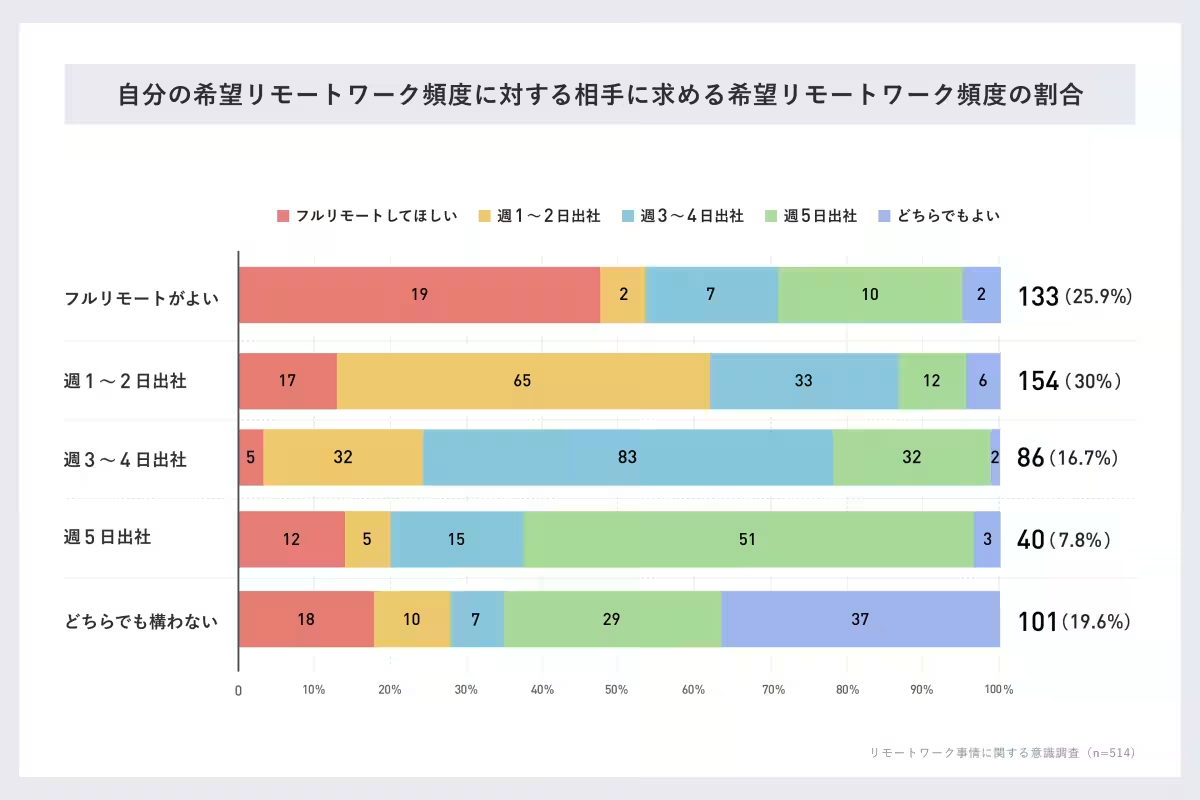
Furthermore, the survey indicates a significant divide in attitudes towards work setups. For example, within the group that preferred to work three to four days in the office, a considerable number (83 out of 145) expected their partners to adhere to the same schedule. Conversely, amongst those favoring full-time office work, roughly 40% wanted their partners to work remotely part-time.
Conclusion:
This survey underscores the complicated dynamics of remote work and its impact on relationships. While many partners appreciate the flexibility that comes with remote work, the pressure to maintain personal space and quality alone time is evident. As more couples navigate this new normal, creating supportive work environments and addressing stress factors will be crucial for maintaining healthy partnerships.
As Hajimari continues to adapt to the shifting workforce landscape, the findings serve as valuable insight for both employees and employers looking to foster healthy workplace relationships while balancing the demands of modern work.
About Hajimari
Founded in February 2015 and led by CEO Naoto Kimura, Hajimari operates from Shibuya, Tokyo, providing a platform for connecting skilled freelancers and businesses in need of talent. The company's efforts extend across various sectors, ensuring tailored solutions meet the needs of a rapidly evolving job market.
Topics People & Culture)
【About Using Articles】
You can freely use the title and article content by linking to the page where the article is posted.
※ Images cannot be used.
【About Links】
Links are free to use.