




The Dynamics of Human Relationships: Insights from the 2026 Survey by Cross Marketing
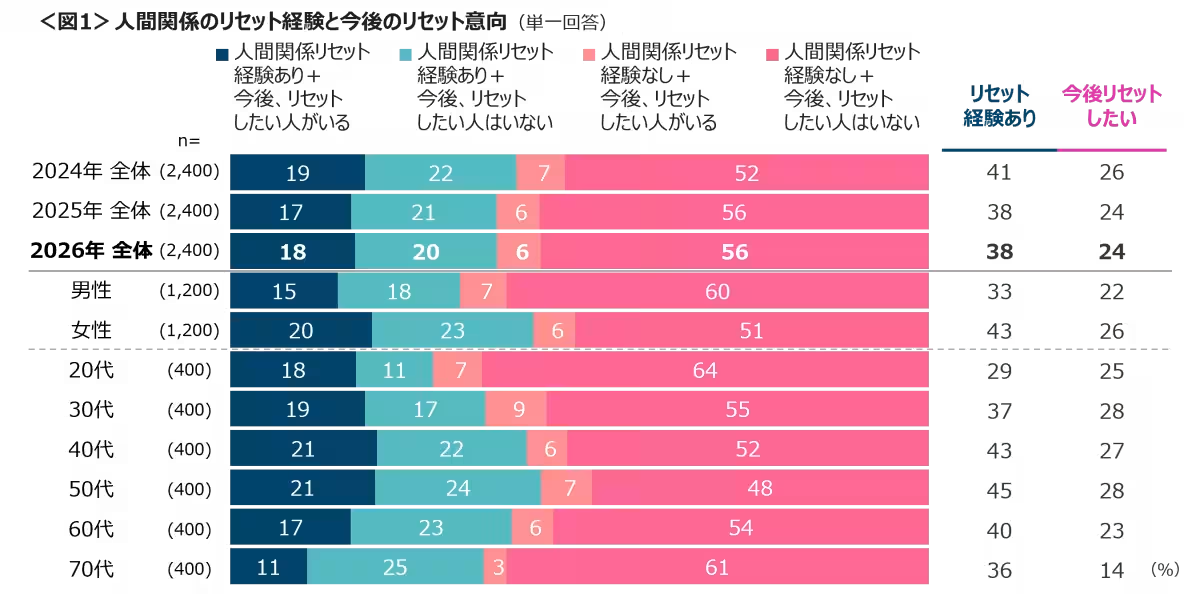
In a comprehensive study conducted by Cross Marketing in January 2026, 2,400 Japanese individuals aged 20 to 79 across all 47 prefectures were surveyed to explore the intricate nature of human relationships. This study highlights the significance, challenges, and shifts in friendships and professional connections, shedding light on trends that remain consistent over the past year. The findings reveal that 38% of respondents have experienced a reset in their relationships, while 24% express a desire to do so in the future, a number that remains unchanged from the previous year.
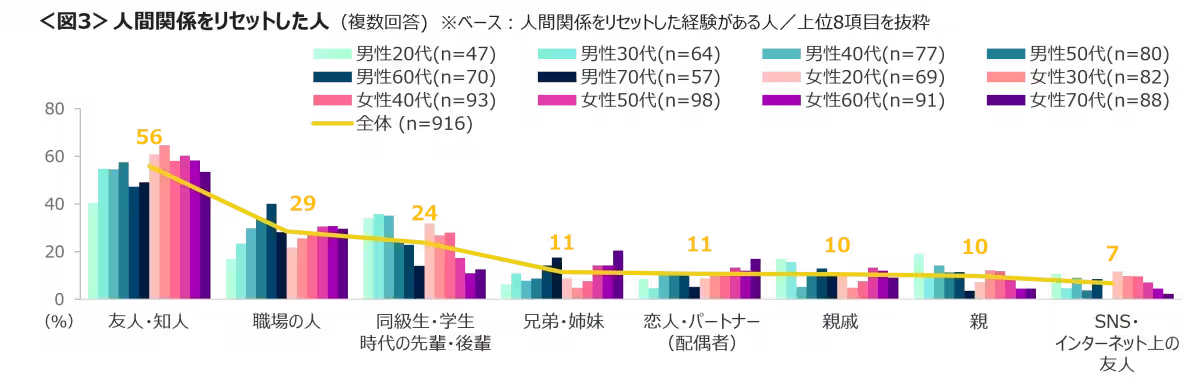
The reasons for resetting relationships are diverse and multifaceted. Among those who reported having reset their associations, friends and acquaintances topped the list at 56%. Meanwhile, interactions with co-workers and classmates accounted for approximately 20%. Gender and age differences were apparent in this phenomenon, with women predominantly resetting friendships and men more likely to cut ties with colleagues in their 60s. The 20s to 40s age group showed a distinct pattern, particularly in the context of resetting ties with classmates or school seniors.
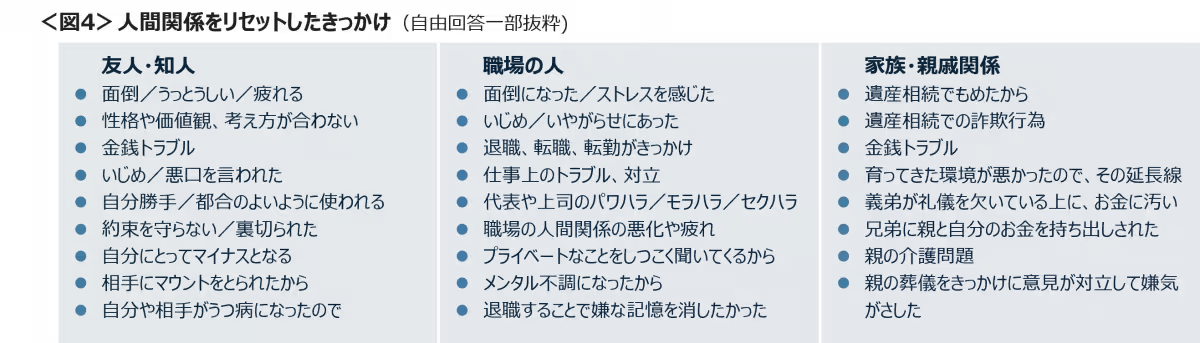
The triggers for these resets were varied. Many individuals cited feelings of being burdened, aggravated, or simply worn out by certain relationships. Others pointed out discrepancies in values and ideas as a significant reason for distancing themselves. In workplace environments, stress and bullying were also highlighted as significant factors leading to relationship resets, while familial ties often strained by inheritance disputes or financial issues were noted as particularly touchy points.
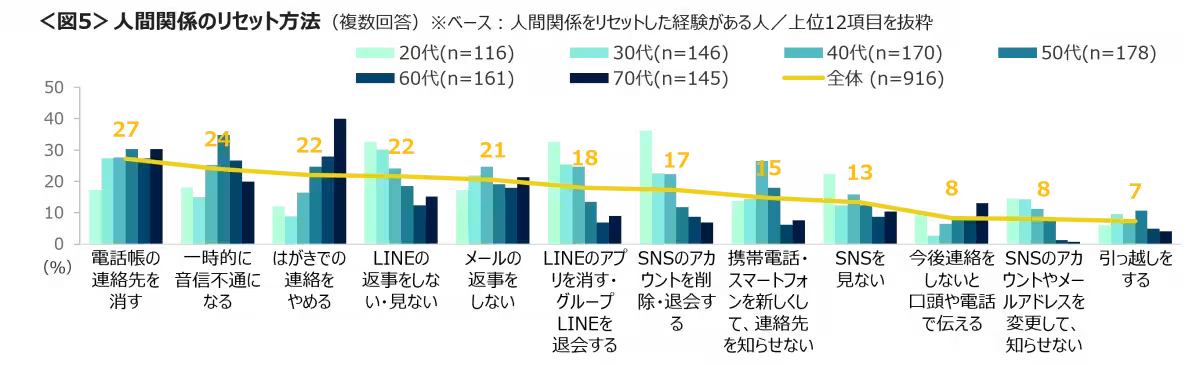
The methods employed to sever these ties were telling of the modern landscape of communication. Top among the strategies were deleting contacts from phone books and temporarily cutting off communication. Interestingly, younger demographics, especially those in their 20s, showed a higher tendency to utilize social media platforms like LINE for their resets, while older respondents were inclined towards more traditional methods, like ceasing to send postcards. Such trends underscore the generational differences in communication styles and relationship management.
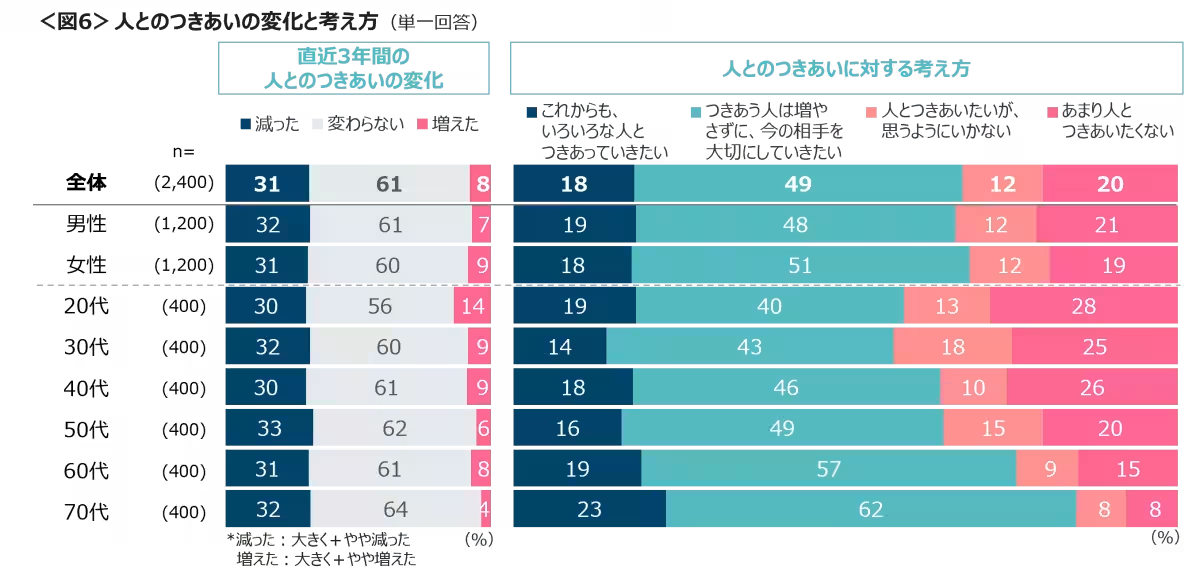
When respondents were asked about their current relationships, a significant majority (61%) responded that their social interactions had remained consistent over the past three years, while 31% reported a decrease in social engagement. Notably, 14% of individuals aged 20s found themselves engaging more with others. The inclination toward upholding existing relationships over expanding social networks was prevalent, with 49% expressing a desire to cherish current companions rather than seeking out new ones.
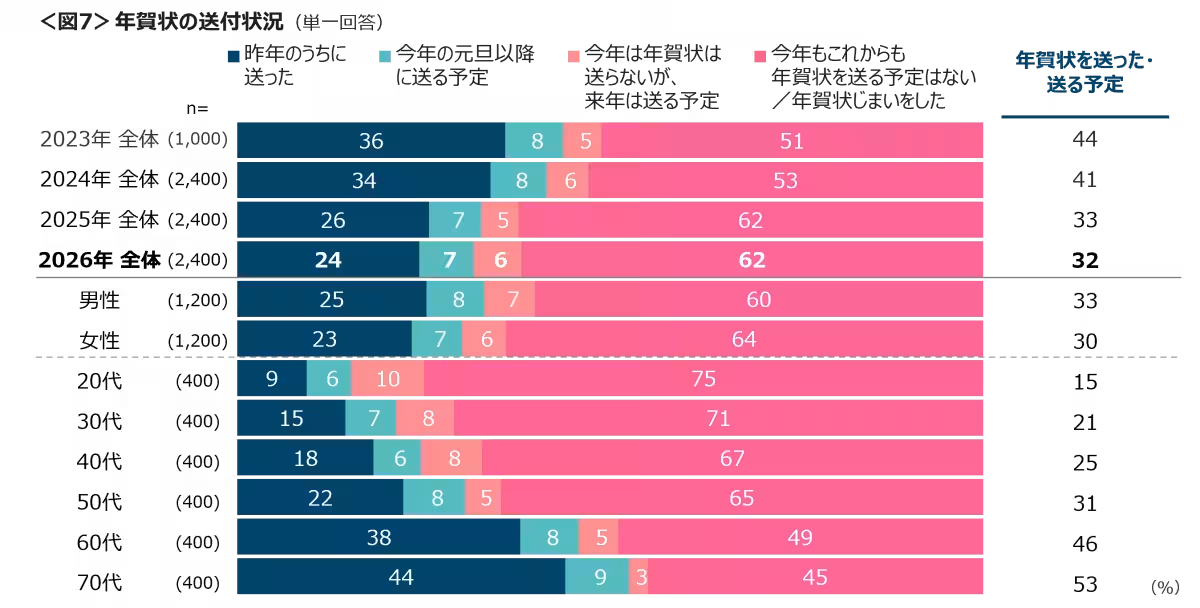
As for traditional practices, 32% of respondents intend to send New Year cards, a significant reflection of age dynamics where older generations are more likely to adhere to this custom. Conversely, a notable 62% of participants have ceased sending New Year cards, aligning with previous trends as postage costs have increased, emphasizing a shift in relationship maintenance practices and communication.
This study provides valuable insights into how relationships are valued and altered in today’s society, not only reflecting personal preferences but also shedding light on cultural practices that are becoming increasingly rare in the midst of a digital revolution.
The complete findings from this study can be further explored via the Cross Marketing report available at their official website.

Relationship Reset Experience
The reasons for resetting relationships are diverse and multifaceted. Among those who reported having reset their associations, friends and acquaintances topped the list at 56%. Meanwhile, interactions with co-workers and classmates accounted for approximately 20%. Gender and age differences were apparent in this phenomenon, with women predominantly resetting friendships and men more likely to cut ties with colleagues in their 60s. The 20s to 40s age group showed a distinct pattern, particularly in the context of resetting ties with classmates or school seniors.
The triggers for these resets were varied. Many individuals cited feelings of being burdened, aggravated, or simply worn out by certain relationships. Others pointed out discrepancies in values and ideas as a significant reason for distancing themselves. In workplace environments, stress and bullying were also highlighted as significant factors leading to relationship resets, while familial ties often strained by inheritance disputes or financial issues were noted as particularly touchy points.
Methods of Resetting Relationships
The methods employed to sever these ties were telling of the modern landscape of communication. Top among the strategies were deleting contacts from phone books and temporarily cutting off communication. Interestingly, younger demographics, especially those in their 20s, showed a higher tendency to utilize social media platforms like LINE for their resets, while older respondents were inclined towards more traditional methods, like ceasing to send postcards. Such trends underscore the generational differences in communication styles and relationship management.
Current Relationship Dynamics
When respondents were asked about their current relationships, a significant majority (61%) responded that their social interactions had remained consistent over the past three years, while 31% reported a decrease in social engagement. Notably, 14% of individuals aged 20s found themselves engaging more with others. The inclination toward upholding existing relationships over expanding social networks was prevalent, with 49% expressing a desire to cherish current companions rather than seeking out new ones.
New Year Cards and Relationship Maintenance
As for traditional practices, 32% of respondents intend to send New Year cards, a significant reflection of age dynamics where older generations are more likely to adhere to this custom. Conversely, a notable 62% of participants have ceased sending New Year cards, aligning with previous trends as postage costs have increased, emphasizing a shift in relationship maintenance practices and communication.
This study provides valuable insights into how relationships are valued and altered in today’s society, not only reflecting personal preferences but also shedding light on cultural practices that are becoming increasingly rare in the midst of a digital revolution.
The complete findings from this study can be further explored via the Cross Marketing report available at their official website.
Topics People & Culture)



【About Using Articles】
You can freely use the title and article content by linking to the page where the article is posted.
※ Images cannot be used.
【About Links】
Links are free to use.