



Exploring the Power of Mid-Level Employees to Overcome Constraints in the Workplace
The Power of Mid-Level Employees to Overcome Constraints
The ability of mid-level employees to step beyond their boundaries and exhibit leadership is increasingly recognized as pivotal for organizational success. Recently, Shake Corporation, located in Tokyo, undertook a survey targeting regular employees who have completed between four and ten years at the company but do not hold managerial positions. This study examined these employees' perceptions about their 'power to transcend boundaries' in the workplace.
The Search for Growth
Many mid-level employees grapple with an unsettling question: "Is this enough?" Feelings of stagnation and monotony can seep into their daily tasks, leading to a sense of unfulfillment. Common echoes among these individuals include doubts about how to further their growth or how to become more proactive when they are unsure where to start.
Interestingly, there is also a subset of mid-level employees who boldly venture beyond their designated roles, initiating challenges that involve and inspire their peers. These experiences can lead to meaningful changes, be it more positive responses from their supervisors, increased confidence, or the tangible acknowledgment of their contributions.
Key Findings from the Survey
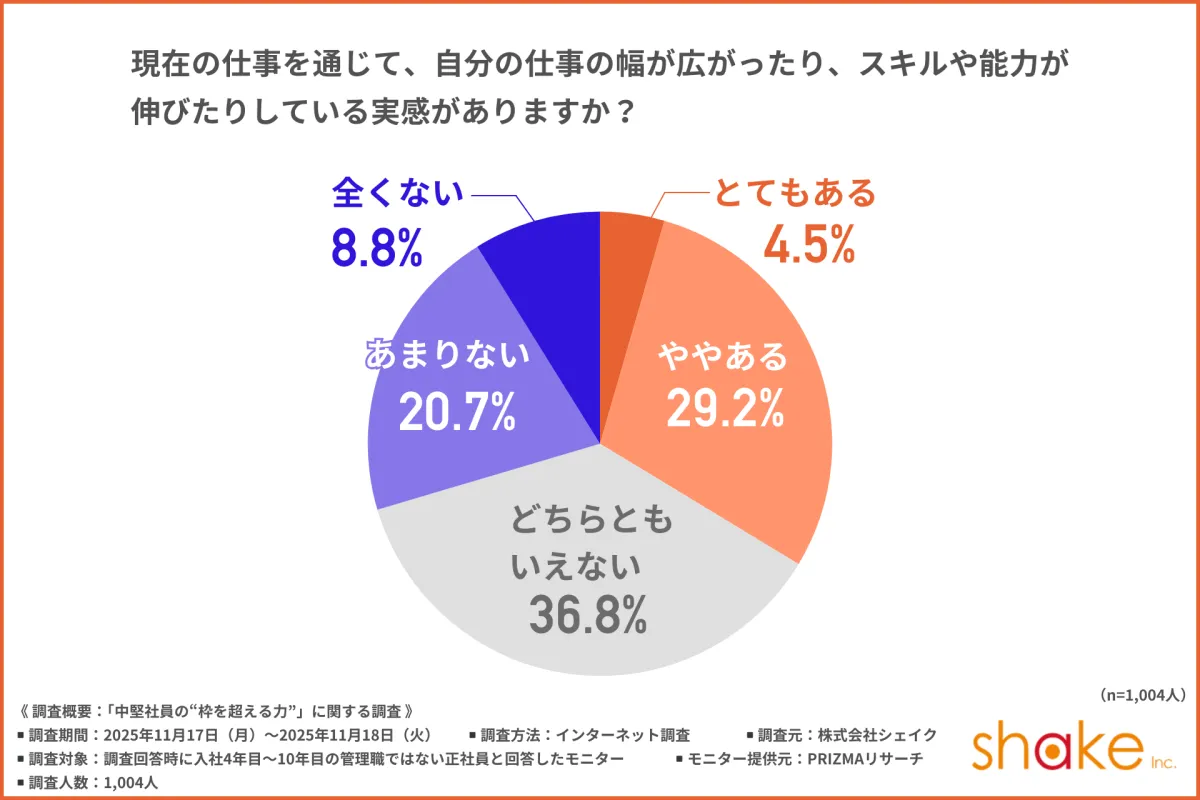
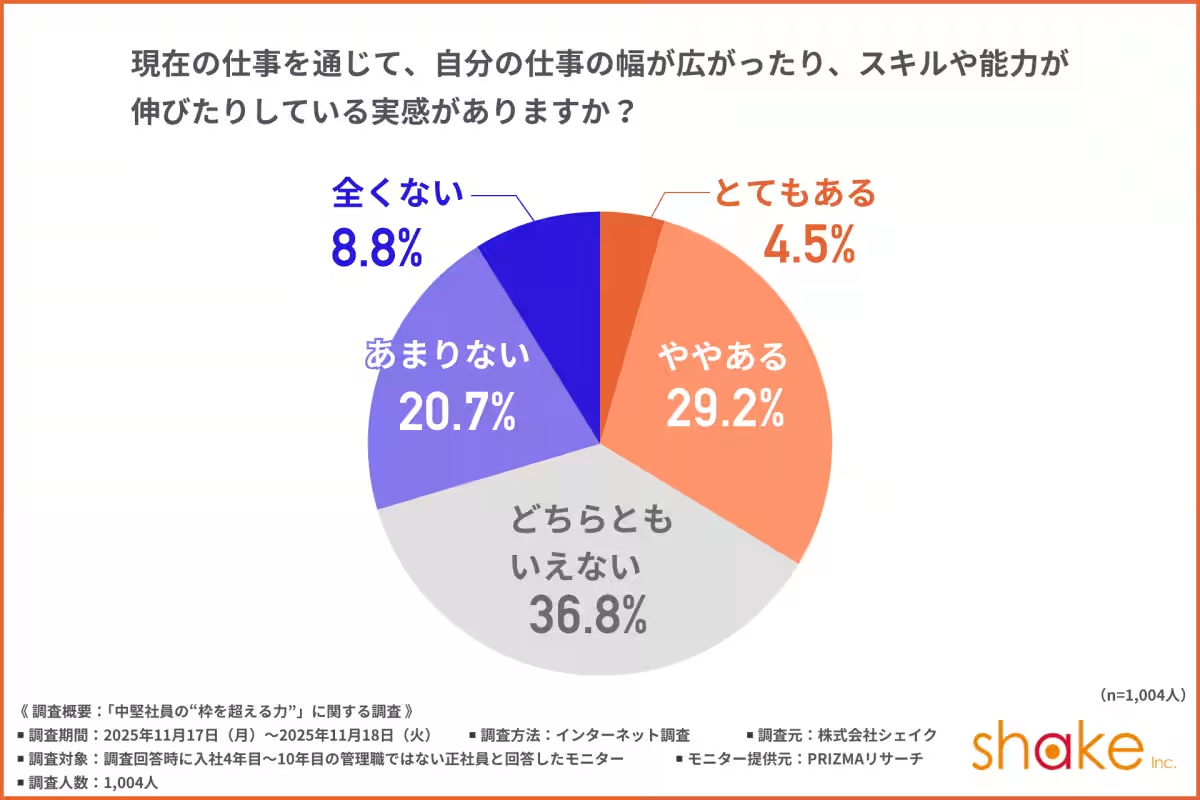
The survey conducted from November 17 to 18, 2025, utilized the PRIZMA internet research platform, gathering insights from 1,004 individuals. Respondents reported fluctuating levels of growth perception, with about 30% feeling they are growing, while another 30% did not feel any growth. Furthermore, around 40% were ambivalent about their development. This indecision underlines a troubling trend—while opportunities for advancement may exist, achieving visible outcomes can often be elusive.
Respondents’ Perceptions of Growth
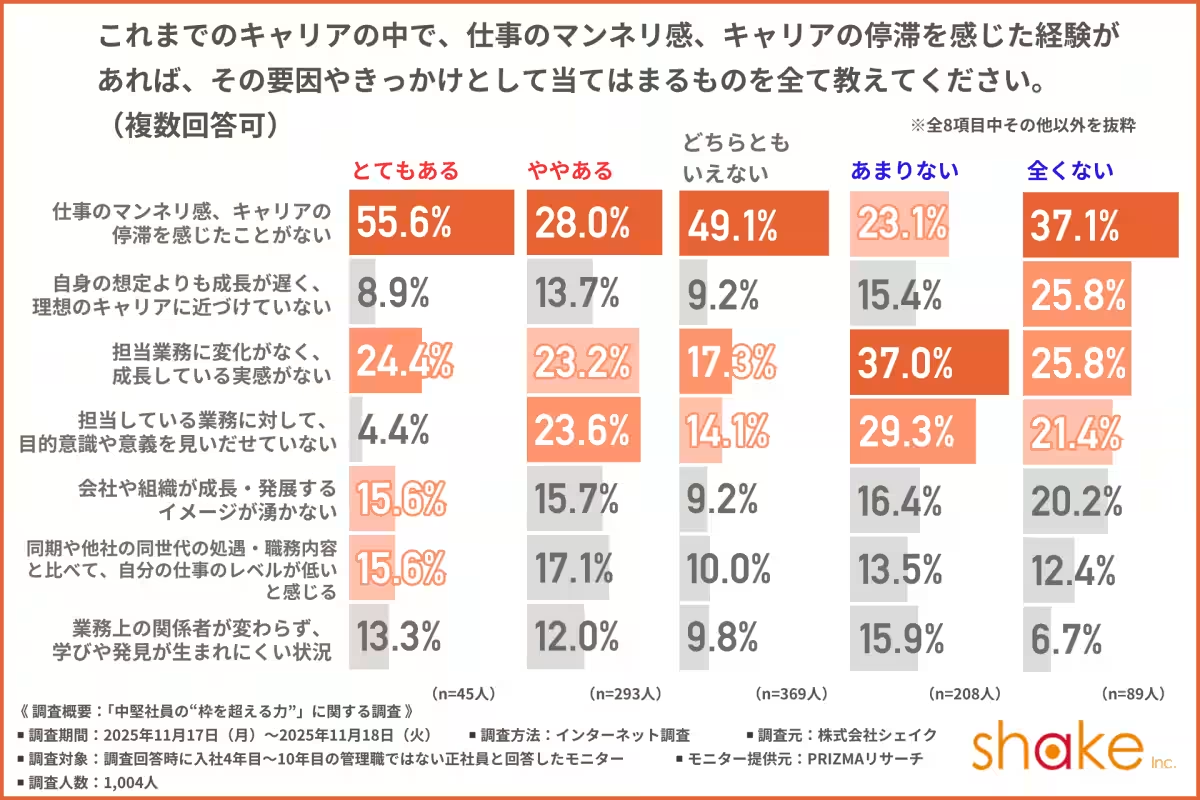
When asked about their perceived professional growth, nearly 36.8% of participants fell into the "neutral" category, indicating a lack of clarity in their development as it relates to their current tasks. Many cited stagnant responsibilities and the absence of change as barriers to feeling accomplished in their roles. Interestingly, those who felt they were failing to grow did so in part because they lacked a defined sense of purpose or meaning in their tasks, a sentiment absent in those who perceived growth positively.
The Challenge of Expanding Horizons
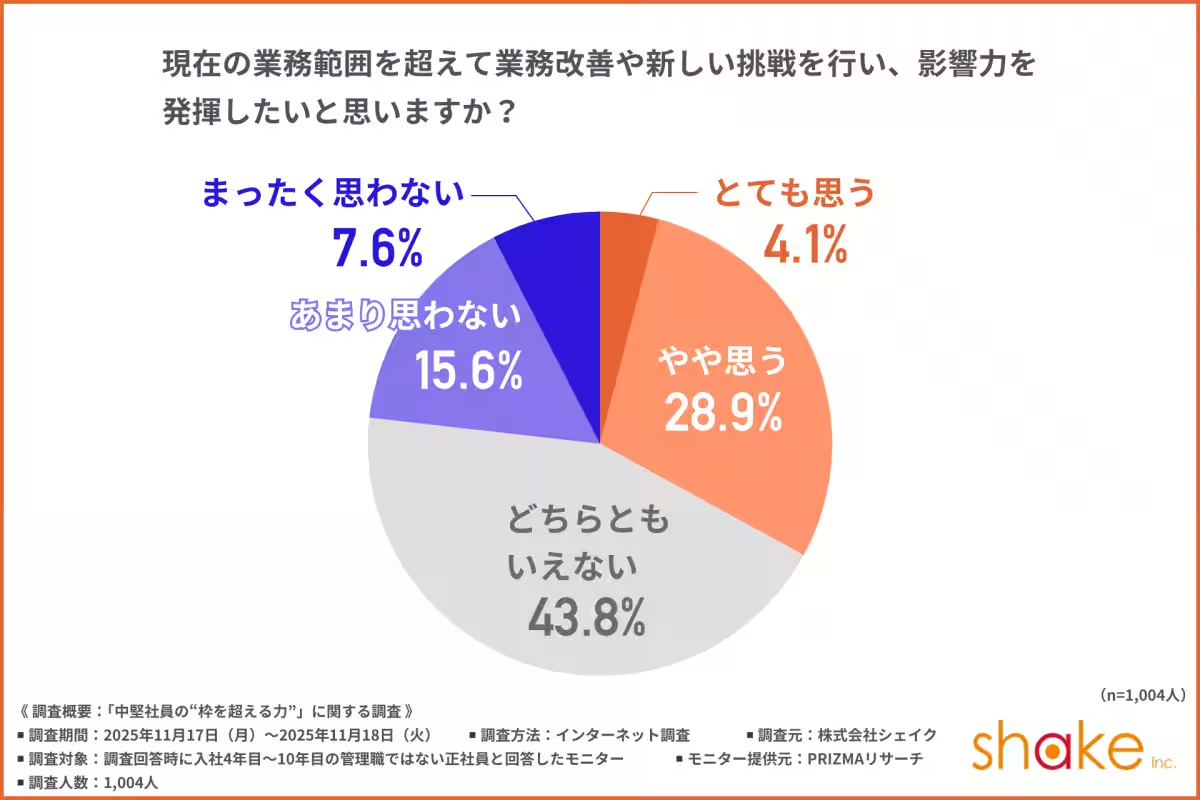
Despite the difficulties, a significant portion of employees express a desire to influence operations and take on new challenges. The survey results show that nearly 33% have a strong inclination to expand their roles, while about 22% show hesitance. The findings further illuminate a division between those looking to assert themselves and those who hesitate due to self-doubt.
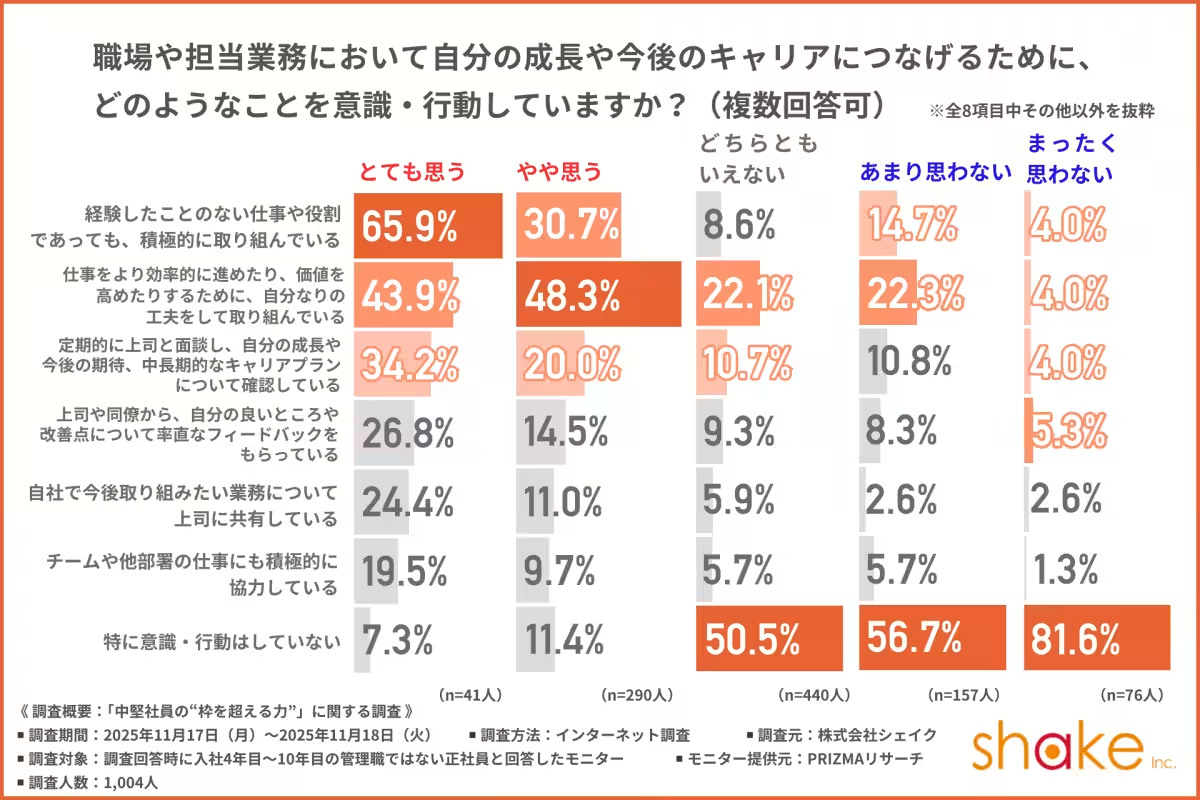
For those eager to grow, their actions speak louder than words. Approximately 65.9% of these respondents expressed they actively take on unfamiliar roles, while 34.2% engage in regular discussions with supervisors regarding their career aspirations and developmental trajectory.
The Importance of Leadership and Support
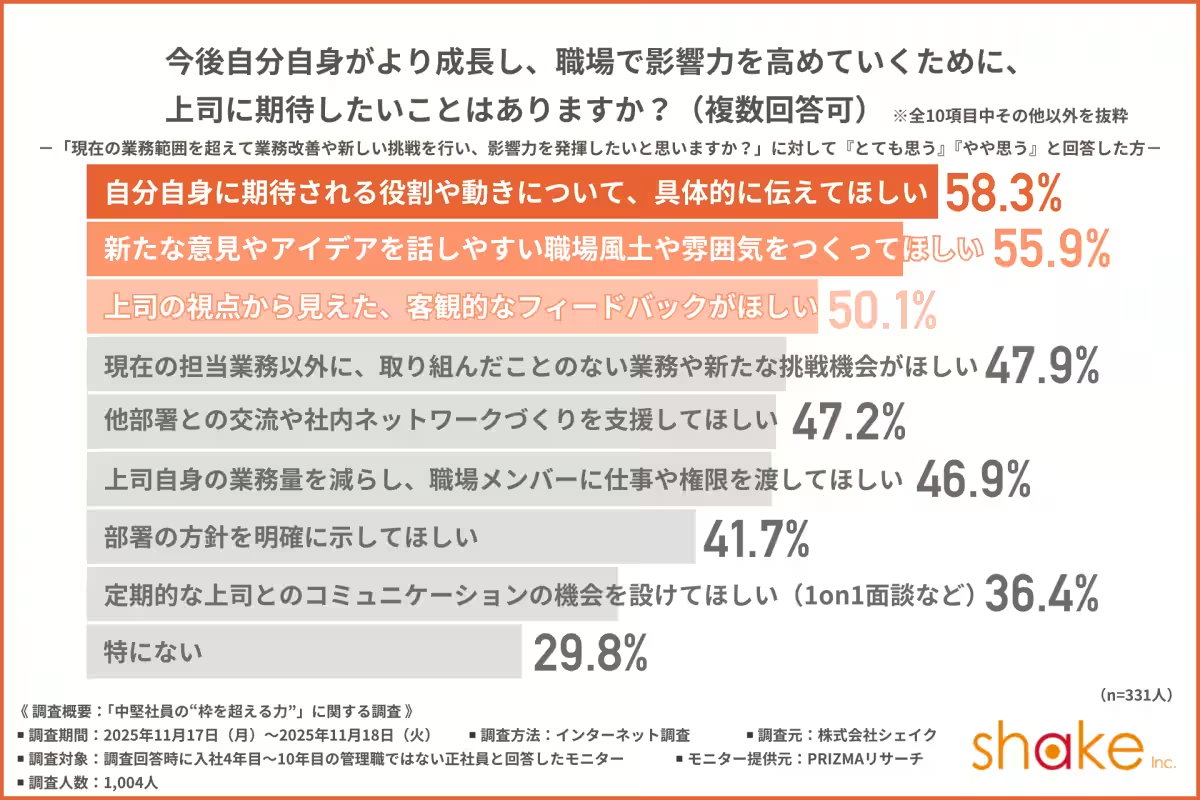
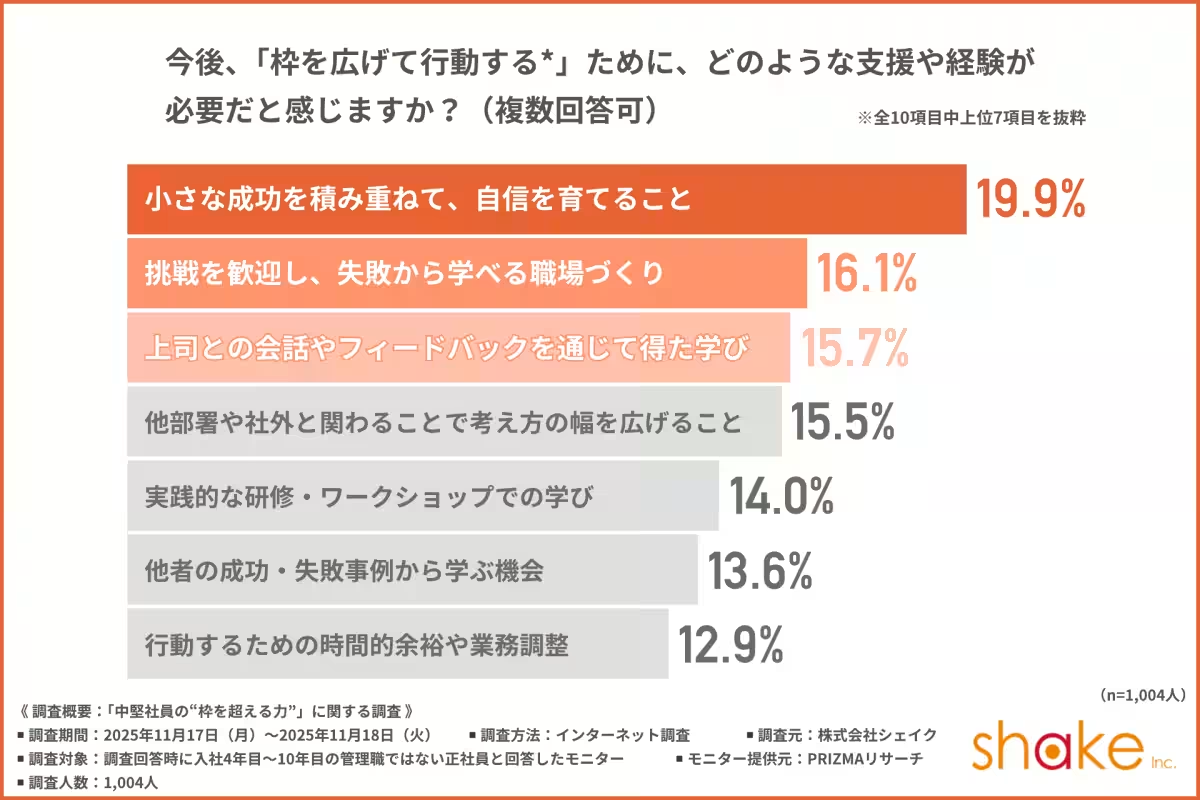
In assessing how to cultivate this courage among employees, many identified crucial support from management. More than half indicated they would benefit from clearer expectations regarding their roles and responsibilities, as well as a workplace atmosphere conducive to open dialogue and creative expression. These desires show an essential foundation of leadership—a partnership where both staff and management recognize potential and strive for development.
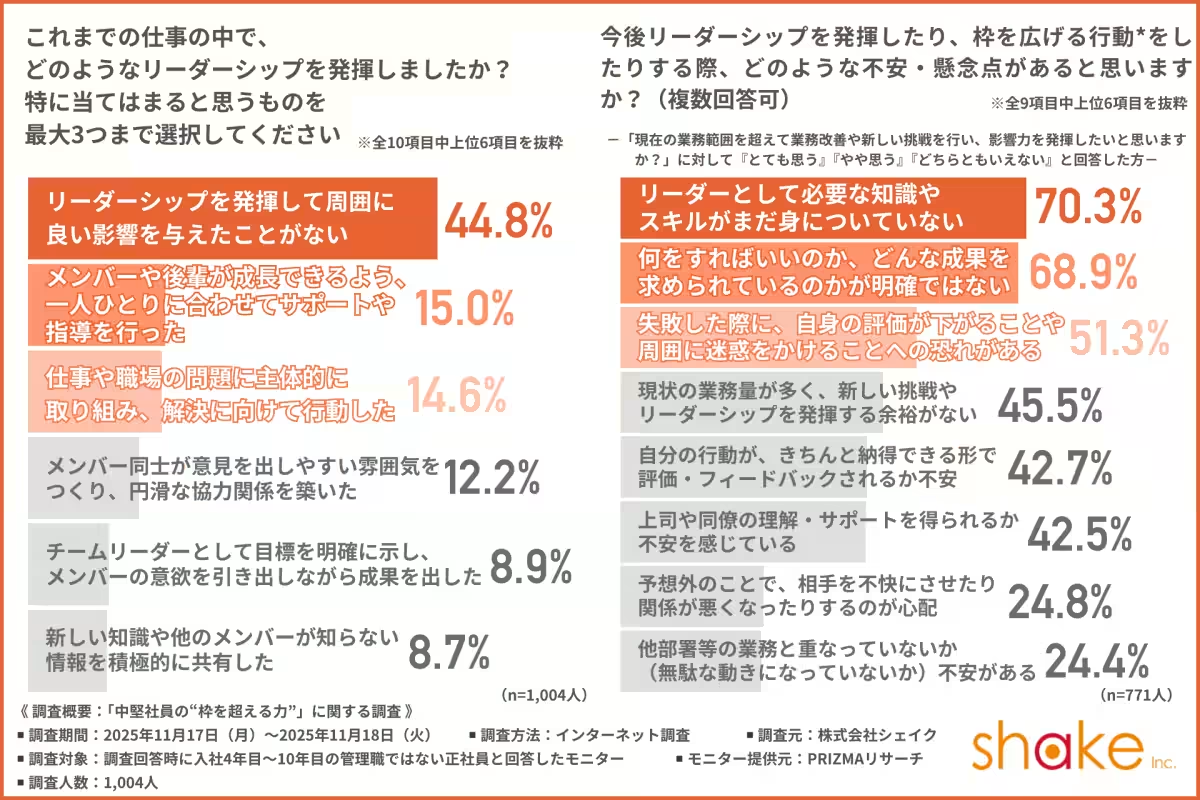
Conversely, a troubling trend arose when employees discussed their previous experiences leading others. Approximately 44.8% reported they had never influenced their peers positively, which suggests a missed opportunity. However, a portion of respondents shared moments where they guided others to success, hinting at potential leadership emerging from various forms of collaboration.
Moving Forward: A Framework for Change
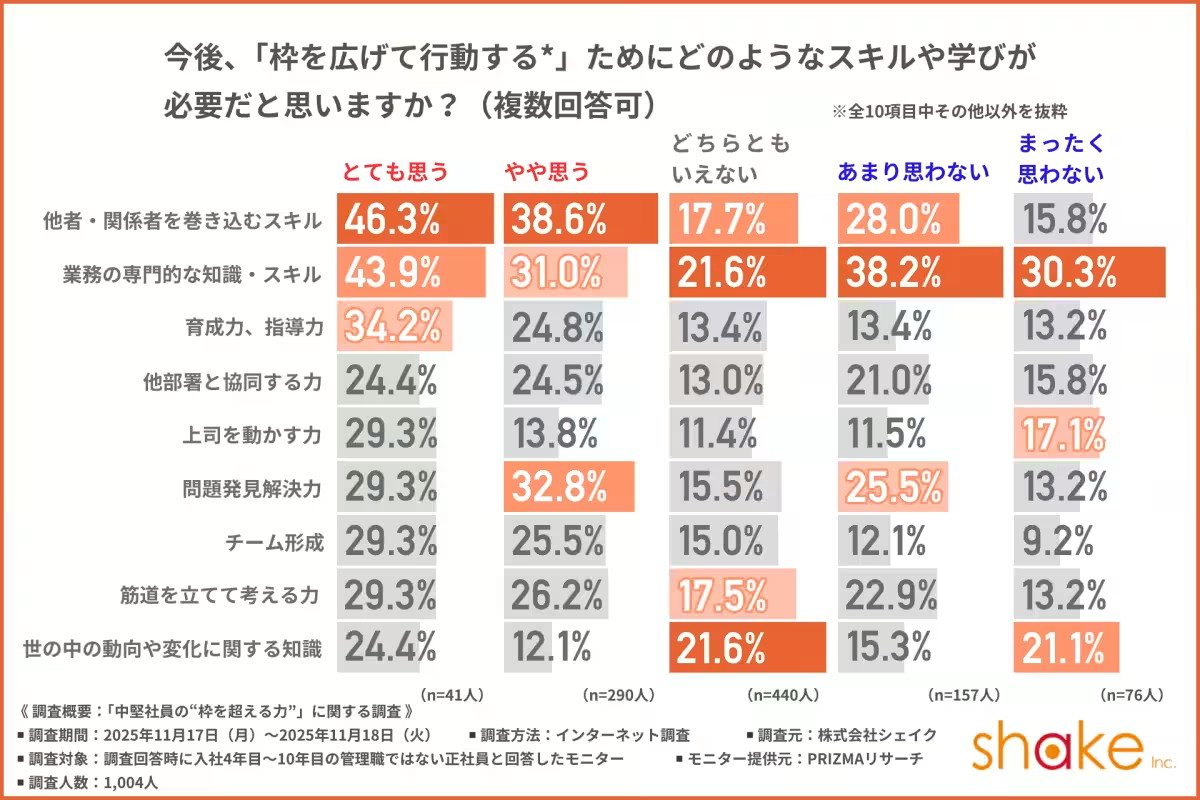
Through these findings, it is clear that mid-level employees have the capability to push beyond conventional limits. Nonetheless, they require a supportive environment, focused on the cultivation of skills such as effective communication, problem-solving, and the ability to inspire others. Shake Corporation emphasizes the necessity of establishing a framework conducive to individual decision-making and the nurturing of leadership qualities, irrespective of job titles.
The ability to navigate through uncertainties harnesses both personal growth and organizational enrichment. By embedding an ethos of risk-taking and learning from failures into workplace culture, companies can foster a more dynamic and engaged workforce. Shake Corporation promotes this by availing training and development opportunities aimed at helping employees discover and cultivate their leadership potential, a critical pillar for the sustainable future of any organization.
In conclusion, as mid-level employees strive to expand their influence and capabilities, organizational leaders must remain committed to providing a context where aspiring leaders can be empowered to act confidently, facilitating a culture of proactive, engaged employees ready to meet the challenges of tomorrow.

Topics People & Culture)


【About Using Articles】
You can freely use the title and article content by linking to the page where the article is posted.
※ Images cannot be used.
【About Links】
Links are free to use.