



High Stress Rates in Hospitality and Food Services, While Real Estate Shows Improvement
Understanding the High Stress Rates in Various Industries
Introduction
Stress has become a significant concern across different sectors, influencing employee well-being and productivity. Recently, Doctor Trust, headquartered in Shibuya, Tokyo, conducted a comprehensive study analyzing the stress levels of over 600,000 individuals across various industries. This article delves deep into the findings, providing insights into which sectors are struggling with high stress levels and which are showing optimistic developments.
Key Findings
The analysis focused on approximately 600,000 stress check results from around 2,000 companies and organizations for 2025. The results highlighted the industries with the highest and lowest stress levels as well as the overall health risks associated with each sector.
High Stress Rates
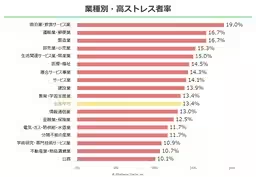
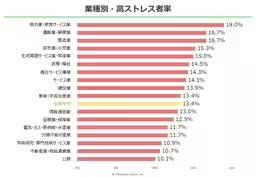
The data reveals that the top three industries with the highest levels of high-stress individuals are:
1. Hospitality and Food Services
2. Transport and Postal Services
3. Manufacturing
On the other hand, sectors like public service, real estate, and professional services are experiencing significantly lower stress levels.
Major Health Risks
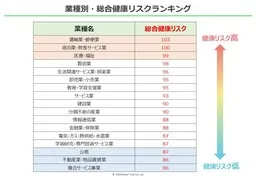
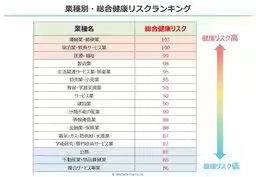
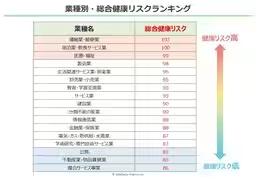
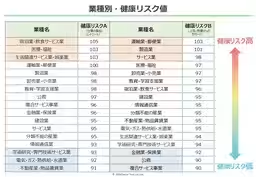
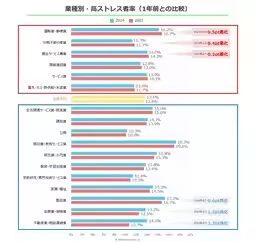
The transportation and postal services, hospitality and food services, and medical and welfare sectors emerge as the industries facing the most critical health risks in 2025. These sectors often require shift work, which disrupts regular life patterns and places additional stress on employees. Simultaneously, this also aligns with three consecutive years of consistently high rankings, indicating persistent stress challenges within those industries.
Moreover, the report delineates the general health risk profiles made up of two indicators: workload/control risks and support risks from superiors and colleagues. It emphasizes how sectors with high health risks often lack adequate support, exacerbating employee stress levels.
Improvement Highlights
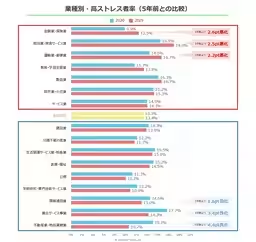
In contrast to the high-pressure atmospheres of hospitality and transport, the real estate sector has seen marked improvements over the past five years, reducing its high-stress rates significantly. The report indicates a reduction of 4.4 points from 2020, indicating a positive trajectory and a constructive approach toward employee welfare through enhancements in work-related processes and the adoption of technology.
Stress Check Policy
The stress check program, mandated since 2015 for workplaces with over 50 employees, provides insights into individual and organizational stress levels. Doctor Trust has evolved this service, offering an extensive range of stress metrics along with consultation services.
Detailed Insights
Exploring the Elevated Stress Levels
The stress check outcomes signify more than just numbers; they reflect the underlying issues facing various industry workers:
- - Transport and Postal Services: High workload combined with limited support has placed workers under immense pressure. The logistics of managing heavy workloads without adequate backing leads to significant mental health challenges.
- - Hospitality and Food Services: As noted, not only is this industry enduring substantial stress, but it also faces ongoing challenges due to irregular working hours and heightened expectations for service quality from guests.
Support Mechanisms
In tandem with the findings, the report emphasizes crucial support mechanisms. The ability to communicate effectively within teams and receive guidance from supervisors profoundly impacts the stress levels of workers. Sectors that foster a supportive environment tend to report better health outcomes.
Sectoral Comparisons
Comparing the hospitality industry's metrics with those from sectors like public service and real estate reveals a stark contrast. While hospitality struggles with over 19% of its workforce classified as highly stressed, industries such as public service maintain a much lower risk profile. The reasons pivot around structured support systems in various workplaces and the effective management of workloads.
Conclusion
The stress analysis presented by Doctor Trust highlights the broader dynamics of workplace health within numerous industries. As certain sectors—especially hospitality and transport—continue grappling with a high-stress environment fueled by operational demands, others like real estate show that improvements are genuinely achievable through strategic changes and advancements.
In the face of persistent issues related to staffing shortages and operational strains, it is evident that industry-wide changes must focus on both reducing workloads and enhancing support systems for employees. Ultimately, a balanced approach can lead to healthier, more productive workplaces, emphasizing the need for ongoing dialogue and reform in occupational health practices.
Topics Health)
【About Using Articles】
You can freely use the title and article content by linking to the page where the article is posted.
※ Images cannot be used.
【About Links】
Links are free to use.