



Exploring the Ambivalence of Management Aspirations Among Japanese Professionals
The Complex Reality of Aspiring Managers in Japan
A recent survey conducted by Workport, a recruitment agency headquartered in Tokyo, sheds light on the aspirations and anxieties of Japanese business professionals regarding management positions. The research, involving 588 participants from diverse backgrounds aged between their 20s and 40s, explores the motivations behind the desire for promotion and the psychological hurdles that accompany it.
Significant Aspirations Amidst Growing Hesitations
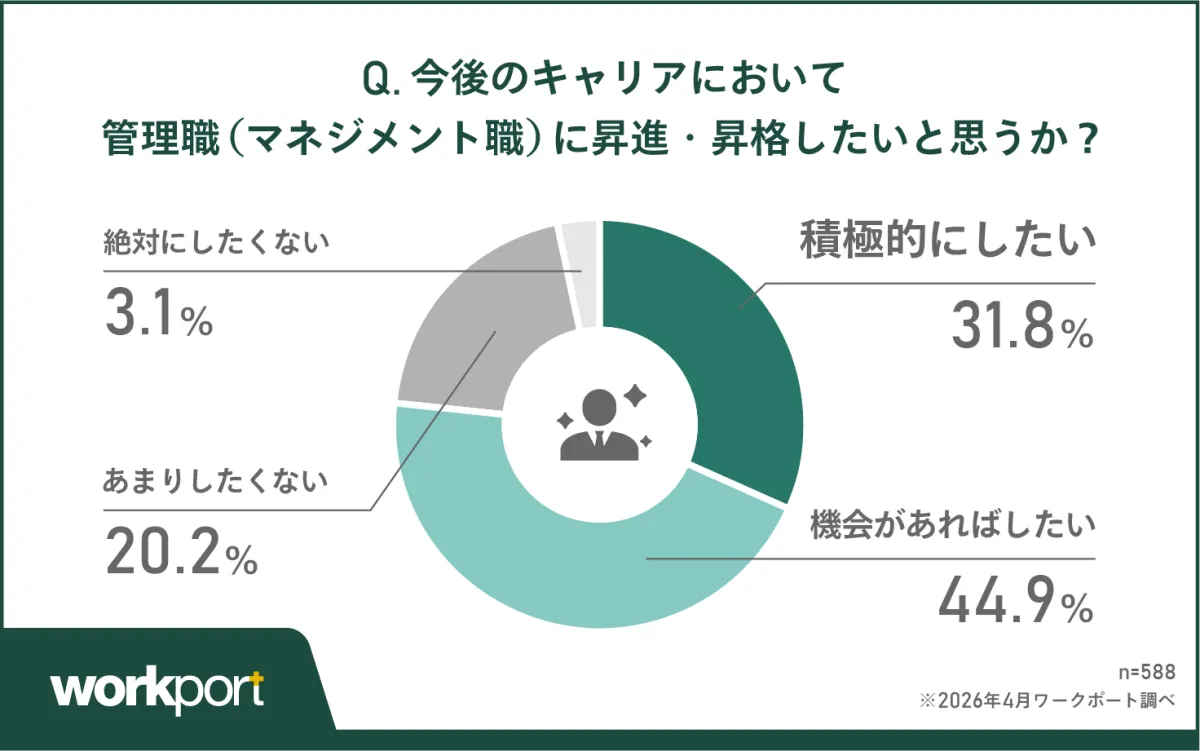
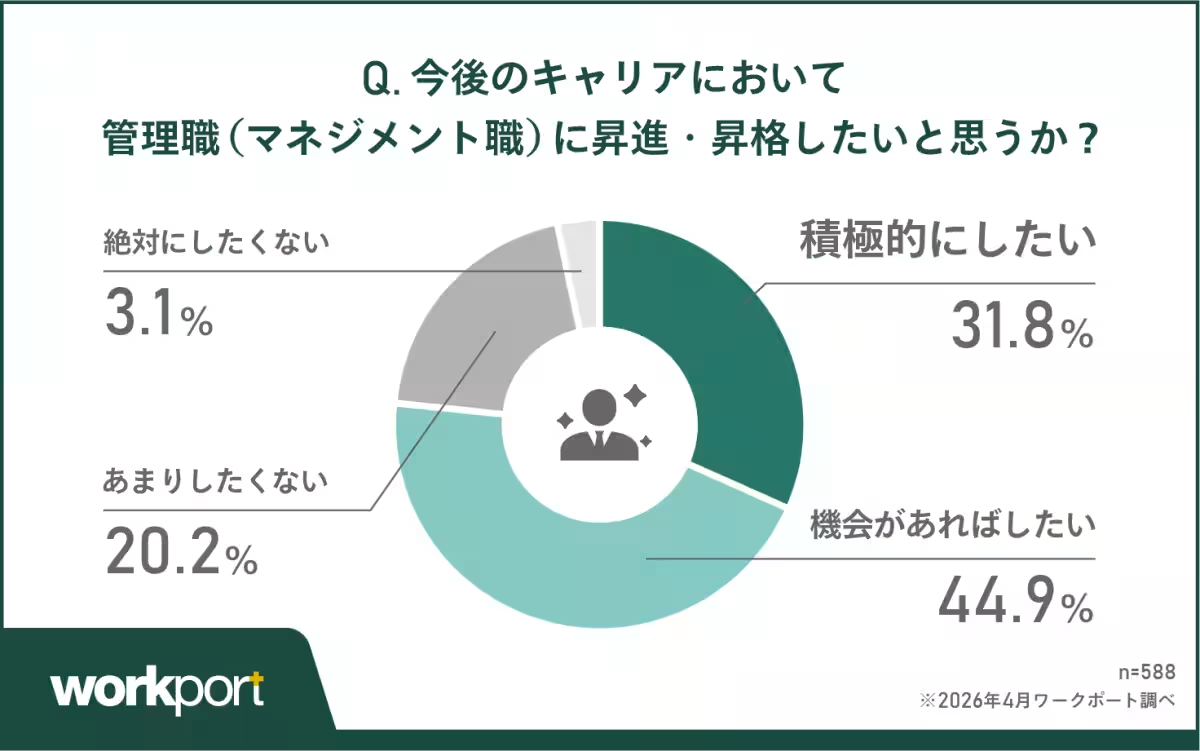
Shockingly, about 76.7% of respondents indicated that they are either eager to pursue management roles or would welcome the opportunity if it arose. This figure stands in stark contrast to the prevailing notion that workers are increasingly moving away from management positions. Despite reports of a “management exodus,” this survey suggests a proactive mentality among those eyeing leadership roles, indicating a genuine desire to contribute to their organizations in more impactful ways.
Motivations for Seeking Management
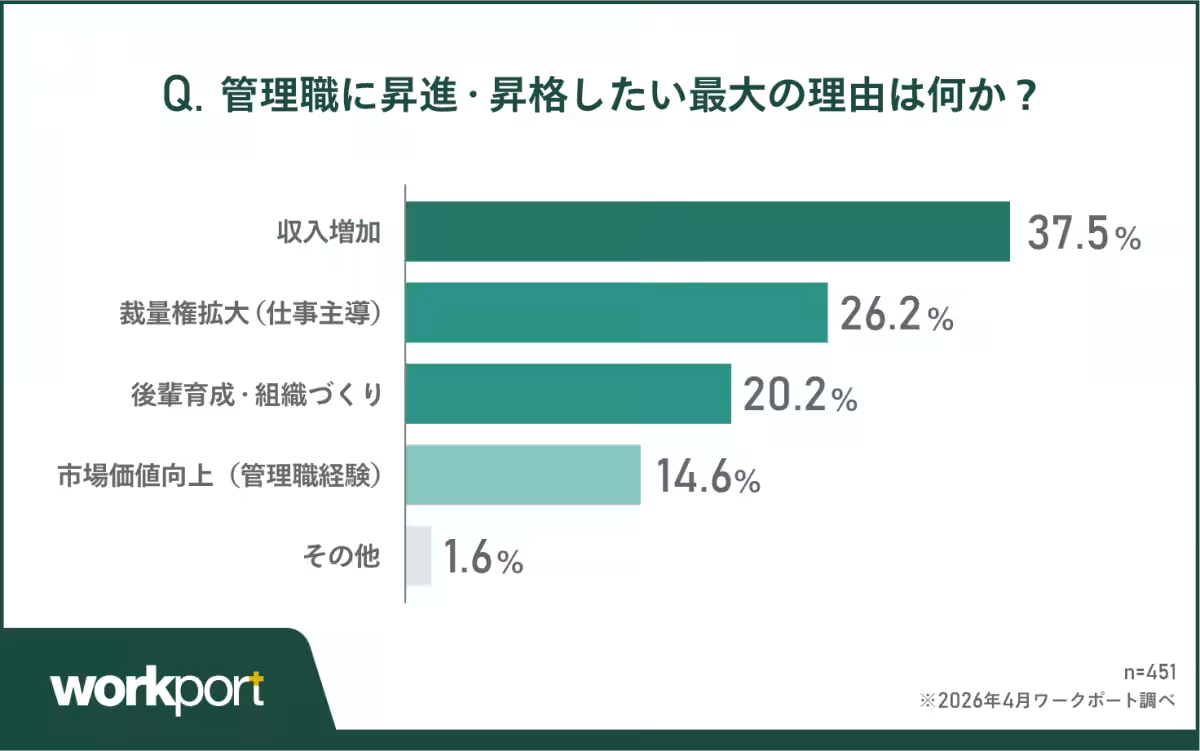
When prompted about their motivations for pursuing management roles, the most common response—cited by 37.5%—was the desire for increased income. This was followed by the ambition to hold a greater degree of discretion at work (26.2%) and an interest in nurturing junior staff and participating in organizational development (20.2%). Clearly, while compensation is a significant factor, there’s also a strong appeal towards the broadening of their responsibilities and influence within their companies.
Concerns Leading to Reluctance
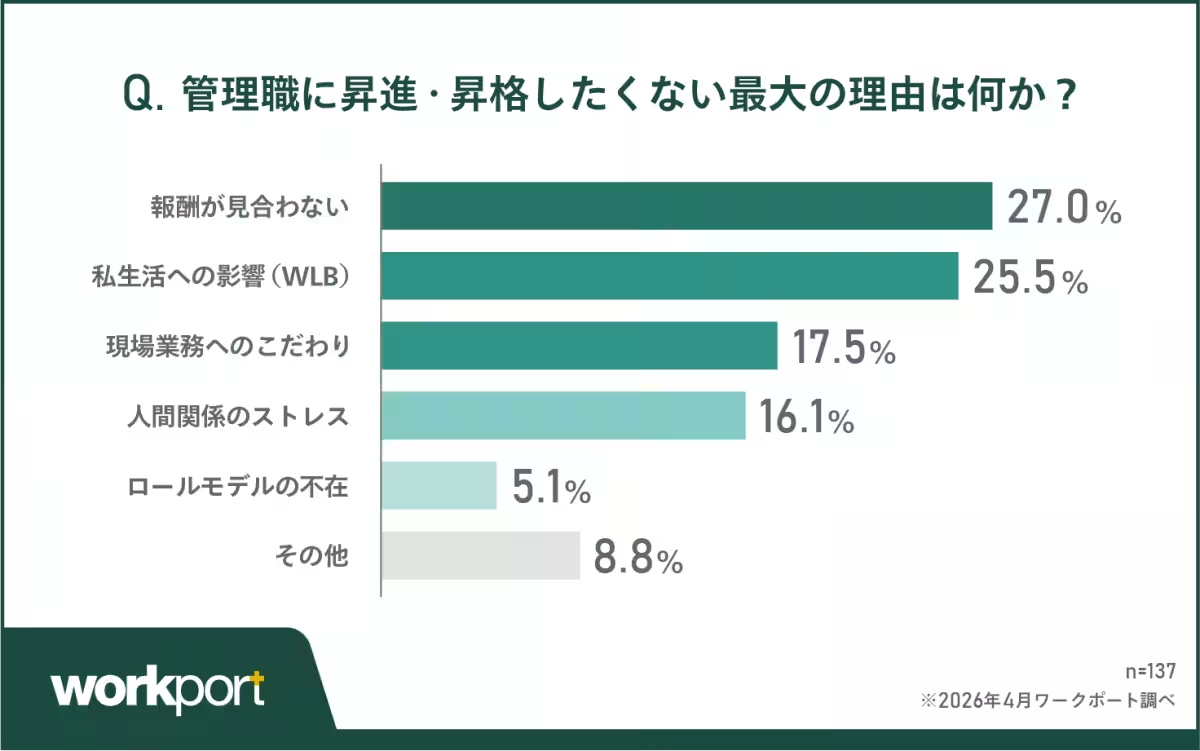
Conversely, those who were hesitant to accept management roles highlighted several concerns. A predominant 27.0% of this group identified inadequate compensation as the top reason for their reluctance, fearing that the responsibilities of management would not justify the resultant stress and workload. Additionally, 25.5% expressed worries about the potential negative impact on their work-life balance.
Interestingly, specific grievances also emerged, including feelings of being ill-suited for management roles or a general lack of appeal towards such positions. For example, comments included sentiments like, “I don’t feel my skills fit the management paradigm,” illustrating the multifaceted nature of these concerns.
The Heavy Burden of Responsibilities
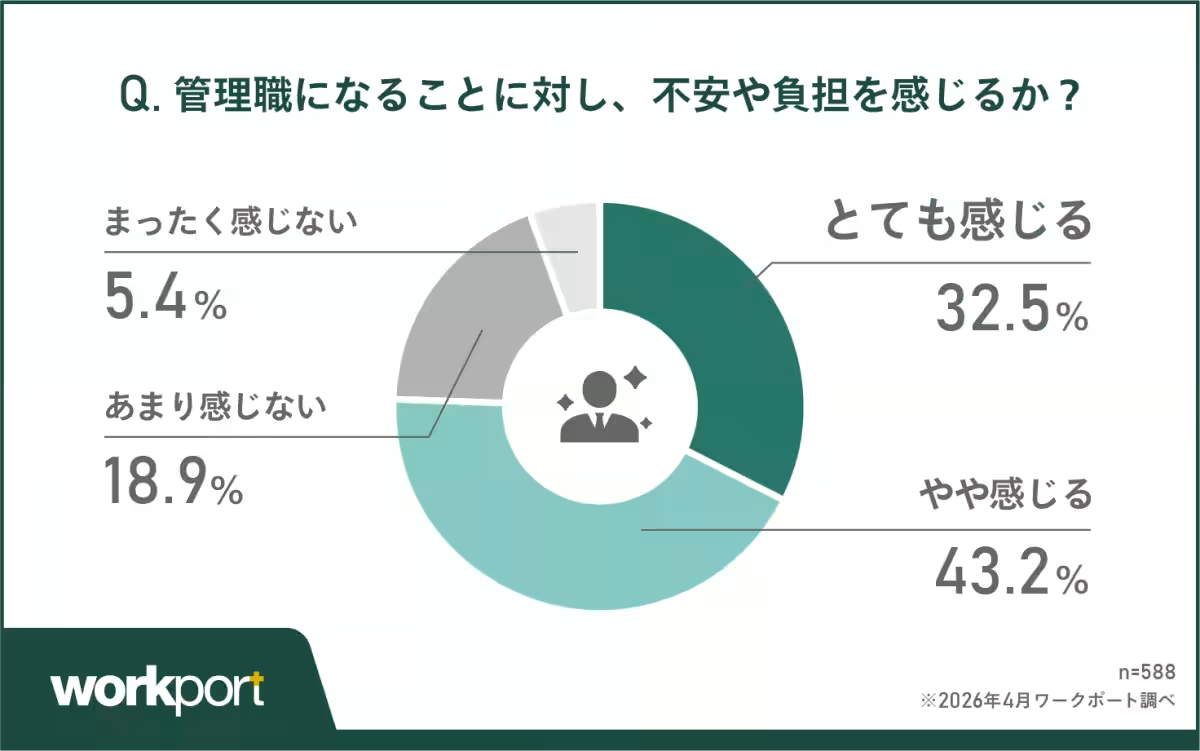
The survey further highlighted that a considerable 75.7% of respondents felt anxiety or pressure associated with the prospect of stepping into management roles. Out of these, 32.5% expressed this feeling very strongly. This discrepancy presents a complex scenario where the desire for advancement coexists with a palpable fear of increased accountability and responsibilities.
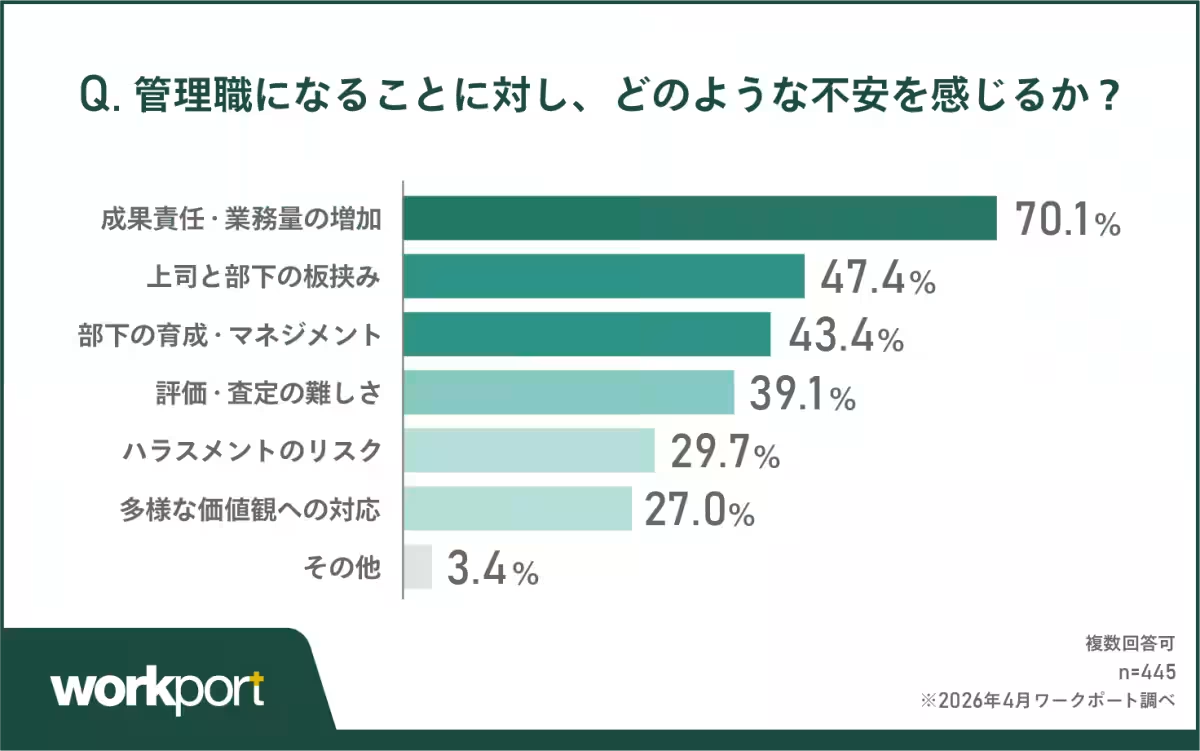
Concerns about rising workload and accountability were underscored by 70.1% of respondents. Issues such as being stuck between the demands of superiors and the needs of subordinates were shared by approximately 47.4%. Further, 43.4% felt daunted by the task of managing and developing their teams—all of which highlight the intricate dynamics tied to managerial positions that extend beyond mere organizational roles.
Conditions for Accepting Management Roles
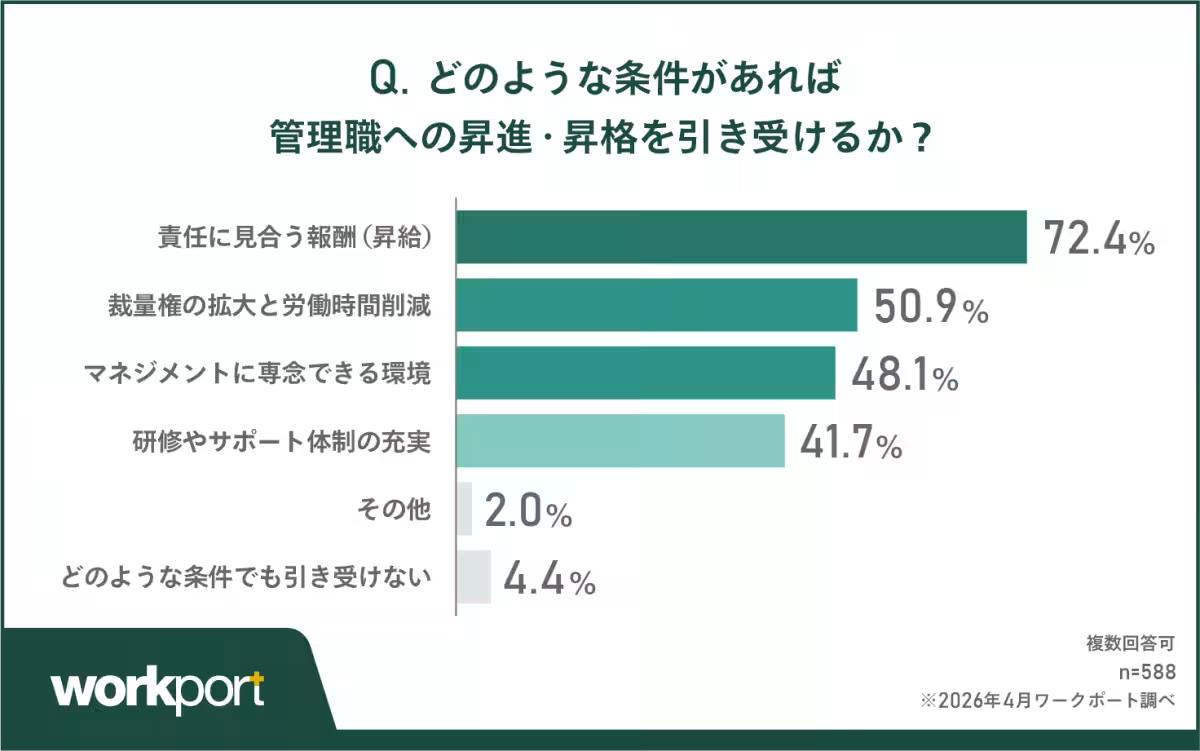
The survey explored the conditions under which professionals would be willing to accept management positions. Over 72% indicated that adequate compensation matching their responsibilities was essential. Notably, about half of the respondents highlighted the importance of expanded decision-making power and alleviated workloads. An environment that facilitates focused management duties also ranked as a crucial condition, with 48.1% advocating for improved operational conditions.
The Broader Implications
The findings from this survey unveil a significant paradox in the workplace: while a substantial proportion of professionals express a desire to climb the management ladder, their enthusiasm is often tempered by substantial fears related to compensation, work-life balance, and inter-personal pressures.
To effectively cultivate future managers, companies must provide more than just promotions; they must reassess their compensation structures, ensure reasonable workloads, and foster supportive management environments. Addressing these needs will not only facilitate the development of the next generation of leaders but also contribute to a healthier organizational culture that values both personal aspirations and professional growth.
- ---
Survey Overview
- - Research Topic: Aspirations toward management roles
- - Conducted by: Workport
- - Participants: 588 Business Professionals (ages 20s to 40s)
- - Survey Duration: April 21-28, 2026
- - Method: Online survey
For more insights on career development and recruitment, visit Workport's official website.

Topics People & Culture)

【About Using Articles】
You can freely use the title and article content by linking to the page where the article is posted.
※ Images cannot be used.
【About Links】
Links are free to use.