



In-Depth Analysis of New Childcare Leave Law and Its Challenges for Caregivers
Analysis of the Impacts of the 2025 Childcare Leave Law Reform
In July 2025, a significant overhaul of Japan's childcare leave law is set to take effect, raising numerous discussions about its implications for childcare workers and parents alike. Conducted by Asuka Corporation's "Konnect Labo", a recent survey involving 146 childcare professionals from various institutions reveals a complex landscape of expectations and apprehensions surrounding these legal changes.
The Current Landscape of Childcare Leave
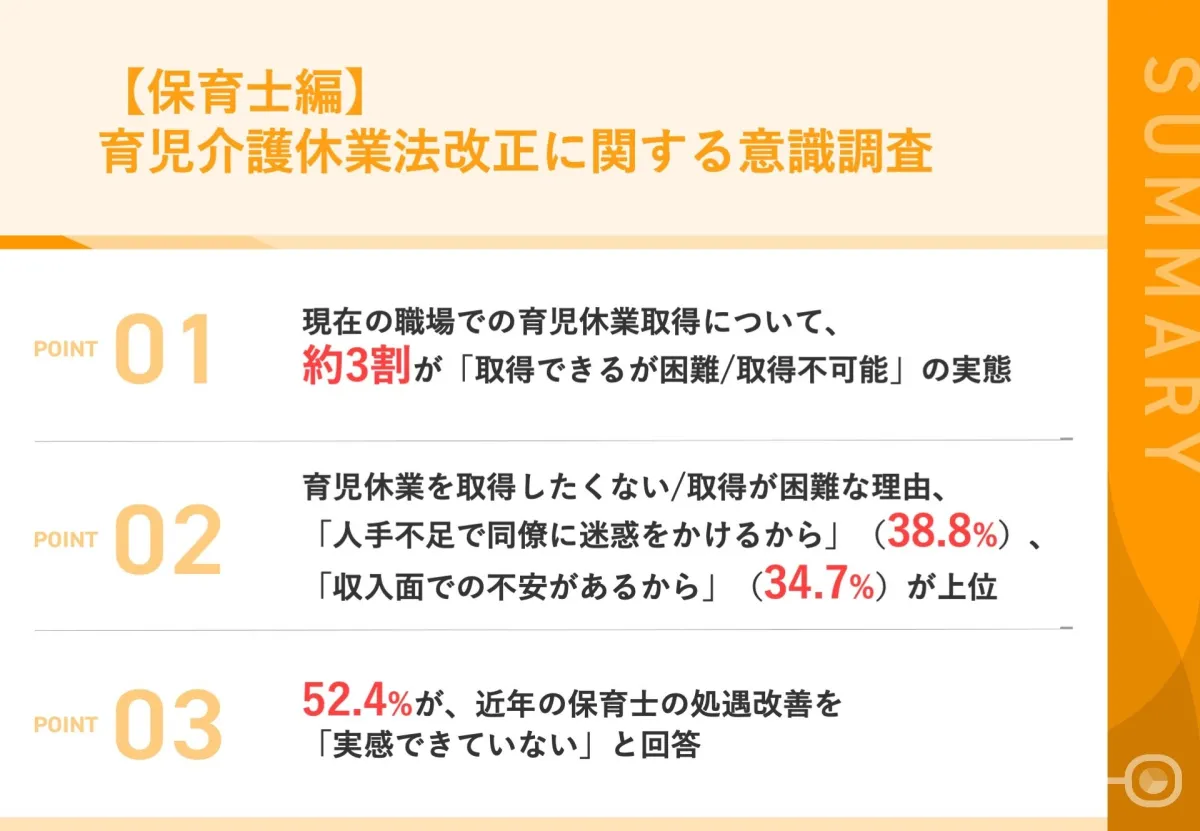
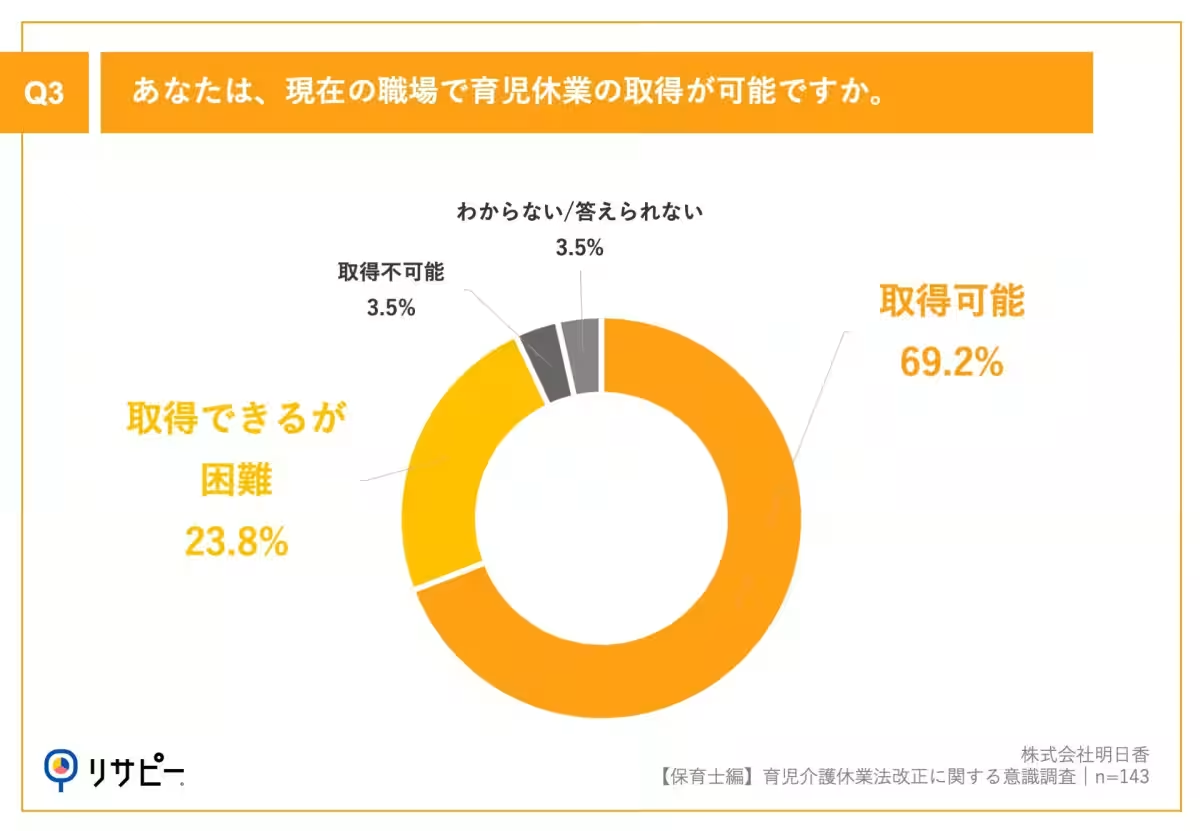
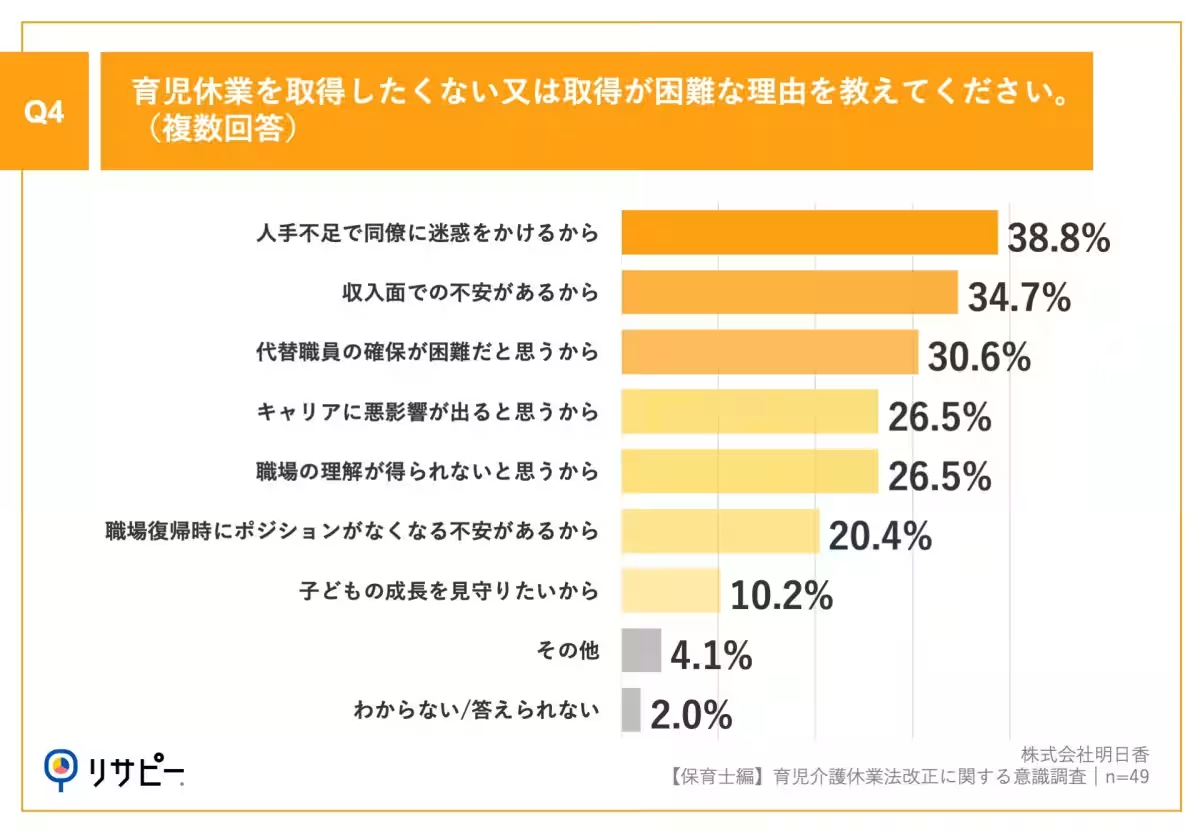
Approximately 30% of respondents indicated that while childcare leave is technically available at their workplace, obtaining it is fraught with difficulties. The survey responses illustrated a worrying trend where childcare professionals feel constrained by a lack of staff, leading many to avoid taking leave out of concern for overburdening their colleagues. This sentiment is echoed by 38.8% of respondents, who cited concerns about being a burden due to insufficient staffing as their primary reason for hesitating to take leave. Financial anxiety was also a key factor, with 34.7% noting that worries about income impeded their desire to take parental leave.
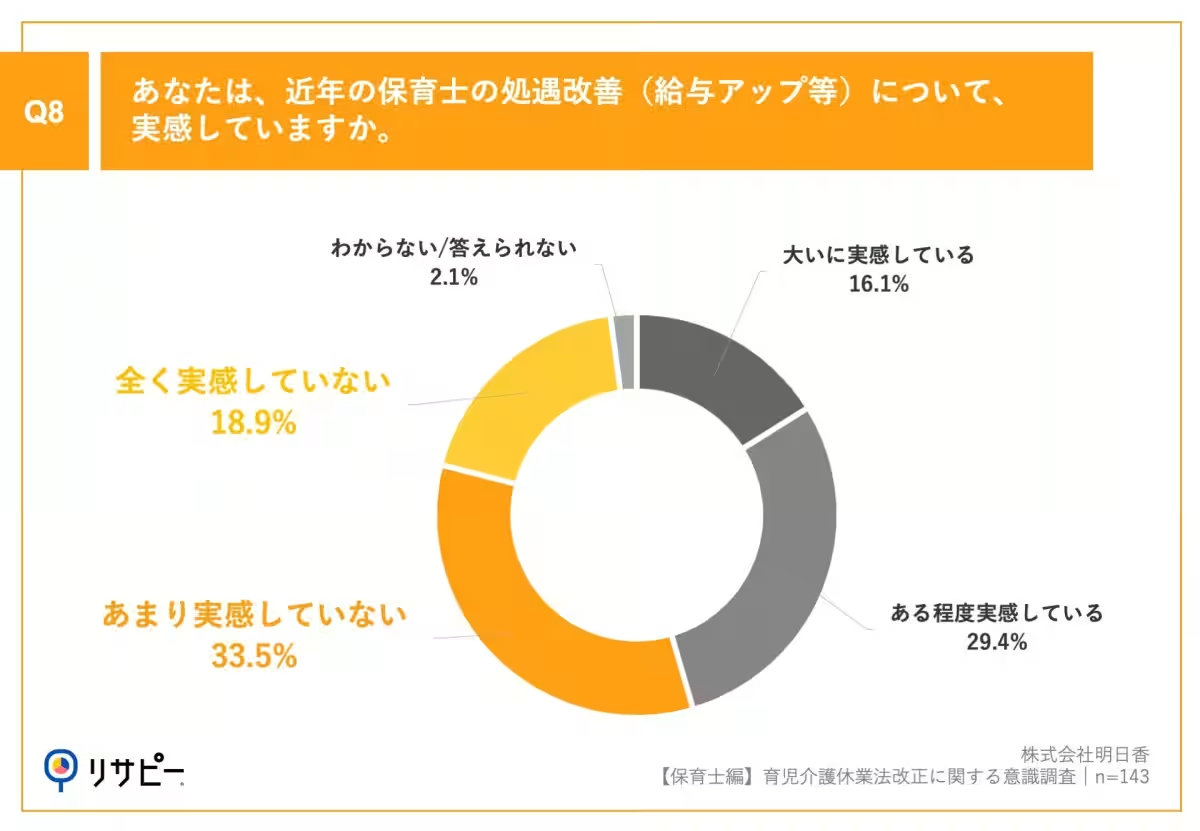
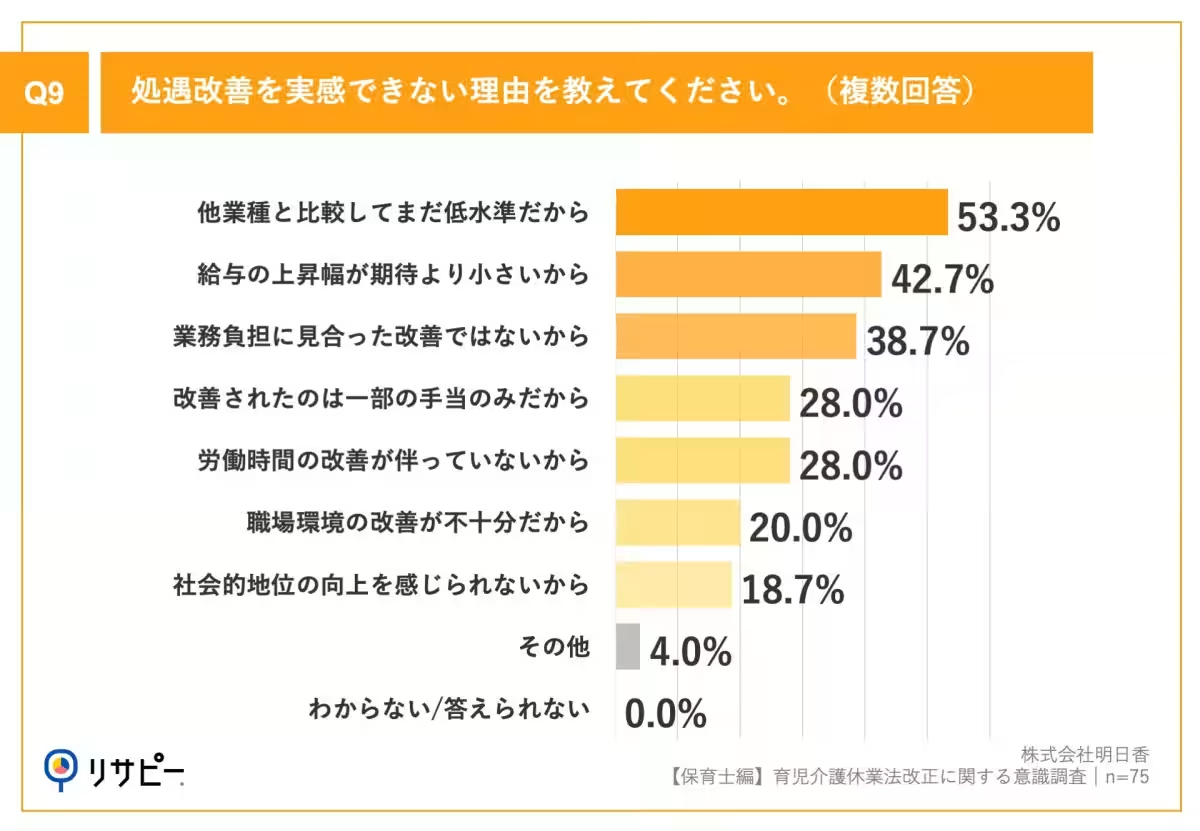
The findings resonate with the general sentiment in the industry. More than half of the respondents, specifically 52.4%, stated that they do not feel the effects of recent improvements in compensation for childcare workers, with many arguing that their salaries remain low compared to other sectors. This perception of stagnation may fuel the hesitancy to take advantage of the newly proposed law.
Awareness of the Law Reform
The survey also gathered data on awareness levels regarding the upcoming law changes, revealing that 74.1% of participants were aware of the April 2025 amendments and 72.1% of the October 2025 changes. This indicates a decent level of knowledge within the industry; however, mere awareness does not correspond to optimism about the practical outcomes. Respondents expressed concerns that while the reforms signal change, their impact on quality of care remains uncertain.
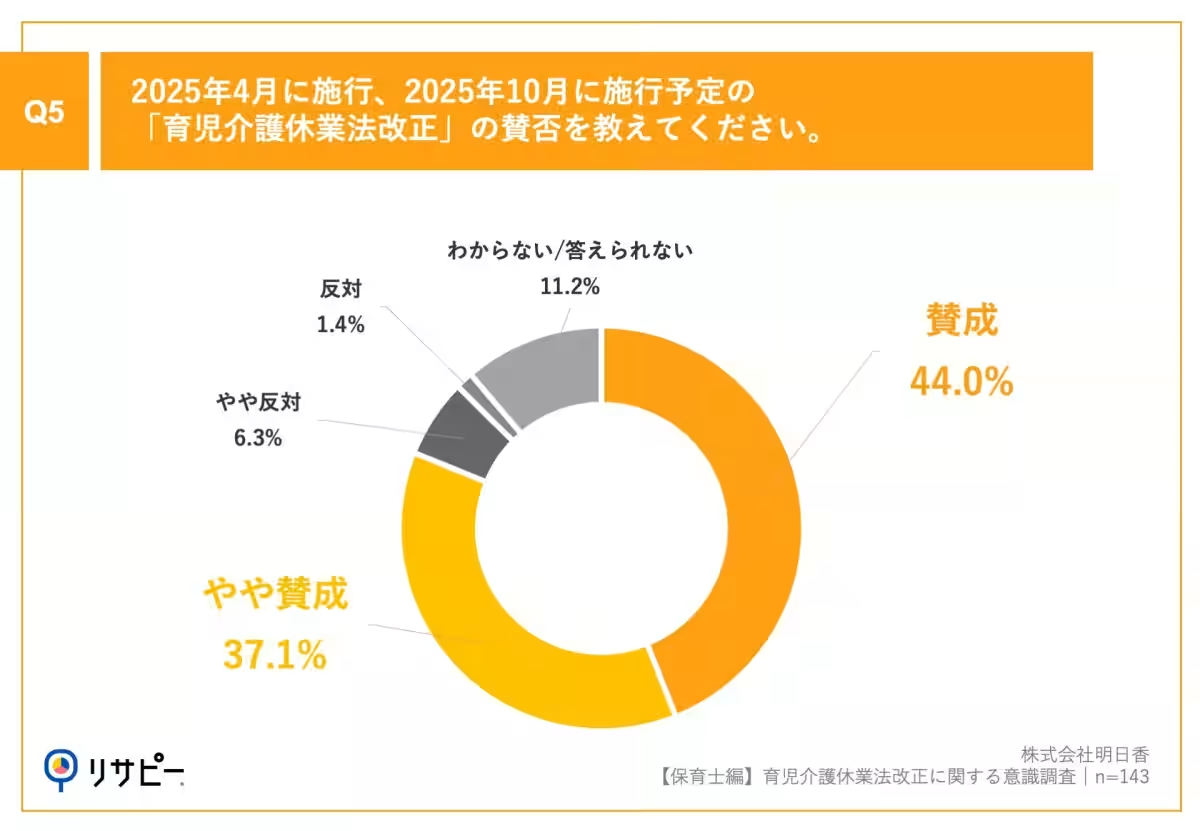
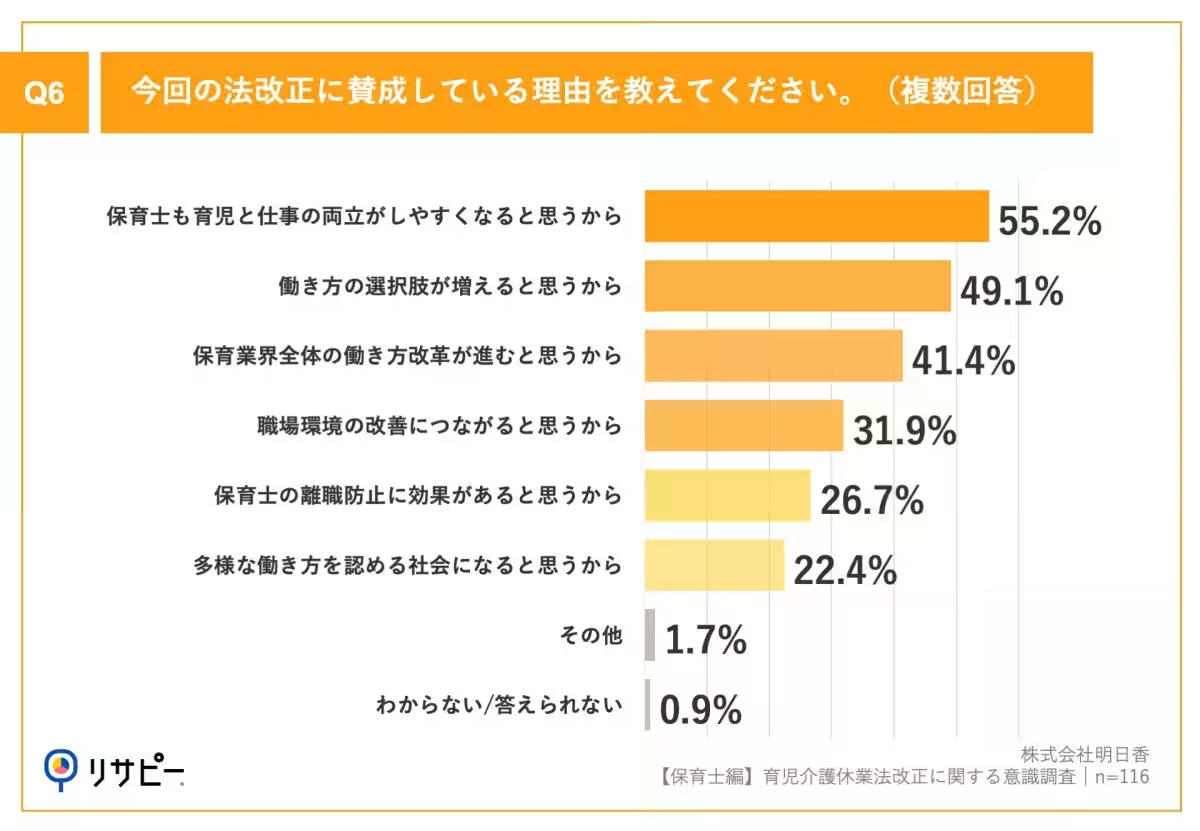
Interestingly, 81.1% of surveyed childcare professionals expressed support for the childcare leave law reform. The prevailing reasons included the belief that it will allow better work-life balance for parents and enhance the overall working conditions within the childcare sector. A significant 55.2% of supporters pointed out that the proposed reforms could facilitate easier balancing of work and family life, which is a growing priority for current workers.
Challenges to Implementation
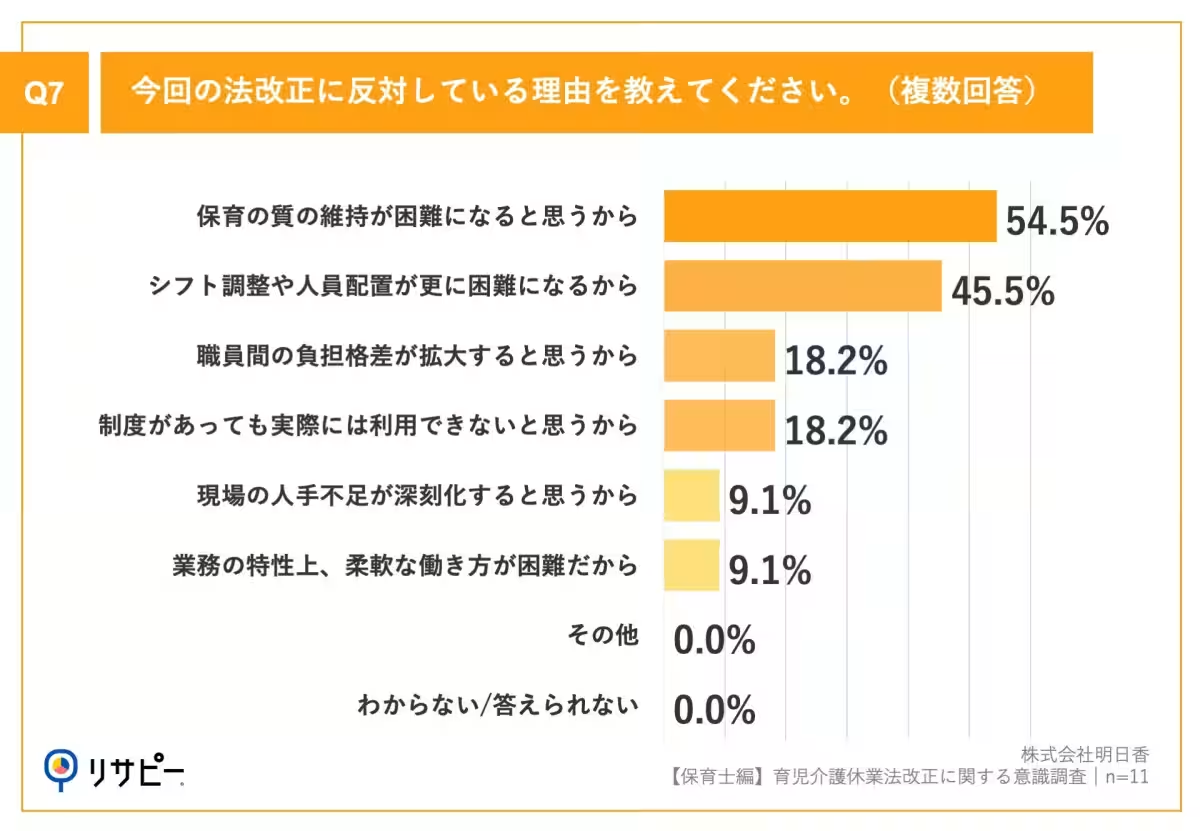
Despite the optimism exhibited by many professionals, fears regarding the potential deterioration of care quality loom large. A common perception among those who oppose the law is that it could hinder the consistency and effectiveness of care provided. Concerns were voiced about adjustments to schedules and staffing, with apprehensions that these changes might make it more challenging to adequately support children’s needs. With 54.5% of dissenters noting that maintaining the quality of care could be jeopardized, there is a clear need for stakeholders to address these apprehensions head-on.
A Call for Comprehensive Support
The survey illustrates the need for comprehensive support systems for childcare professionals as they navigate these changes. There is a crucial requirement for resources dedicated to retaining staff and ensuring adequate replacements during parental leave. Flexible child care solutions, such as home visit care services, are paramount in creating a supportive environment that allows professionals to thrive both at work and home.
Moreover, as the government requires transparency around childcare facility operations, it becomes critical to track how public funds support the workforce effectively. Enhanced communication about operational improvements can contribute to fostering trust and assurance among childcare professionals.
The revelations from this survey not only highlight the significant shifts expected in the childcare sector with the upcoming law reform but also emphasize the systemic challenges still to be addressed. Amidst an environment of insufficient staffing and concerns over quality, ensuring a well-supported workforce is essential for the ongoing success of childcare systems across Japan.
This analysis underscores the importance of addressing the void between policy reform and practical application. As the childcare sector prepares for these substantial changes, the collective voice of childcare professionals must be prioritized to foster an environment conducive to both professional fulfillment and high-quality child care delivery.


Topics People & Culture)



【About Using Articles】
You can freely use the title and article content by linking to the page where the article is posted.
※ Images cannot be used.
【About Links】
Links are free to use.