



The Allure of Japanese Black Tea: A Reward for Yourself
The Allure of Japanese Black Tea: A Reward for Yourself
In today's busy world, many individuals treat themselves to small luxuries to elevate their motivation. Recent research conducted by Sakuras Corporation, the operator of SuQ Cha, has shed light on the relationship between black tea and self-reward, specifically among women who enjoy tea. The survey aimed to uncover what they seek from black tea as a reward for themselves.
Survey Summary
- - A majority responded that they consider purchasing "more luxurious food and beverages" as a self-reward.
- - Over half of respondents indicated they have bought black tea as a self-reward.
- - Desired qualities in rewarding black tea included "rich aromas and flavors," "a relaxing taste," and "a slightly indulgent price point." The ideal scenario for enjoying black tea as a treat was during moments of "relaxation."
- - The findings suggest that black tea serves as a source of relaxation and happiness, rather than just a motivational boost.
- - The appeal of Japanese black tea (or 'Wakocha') lies in its "safety from being domestically produced," "easy-to-drink nature," and "gentle flavor."
View the full report here.
Survey Overview: "Black Tea x Self-Reward"
- - Survey Period: April 15-16, 2025
- - Method: Internet survey via PRIZMA
- - Number of Respondents: 1,009 women who identified as tea enthusiasts
- - Conducted By: Sakuras Corporation
- - Provided By: PRIZMA Research
Insights on Self-Rewarding Tea Choices
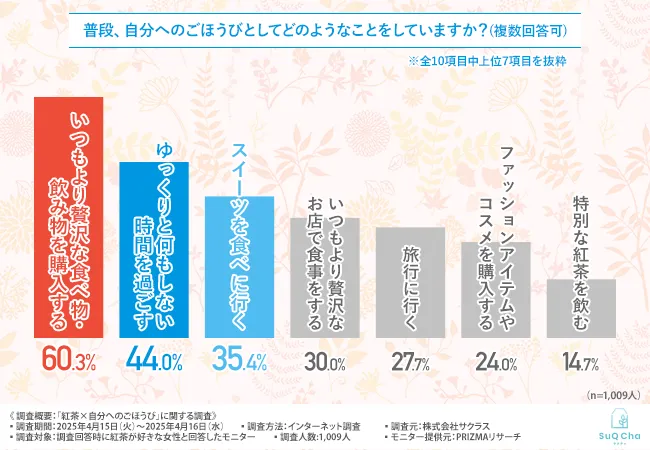
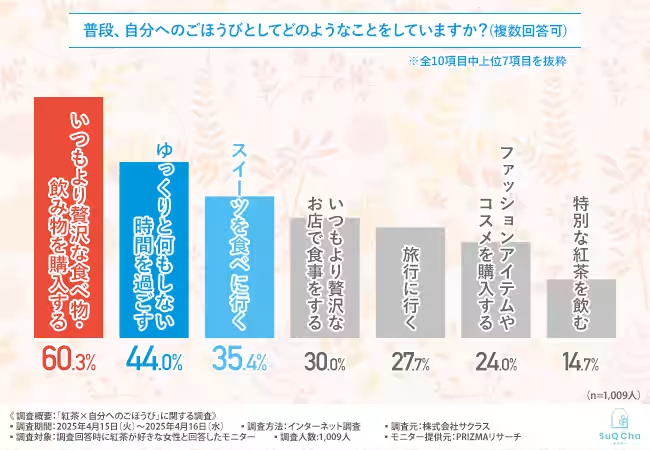
In response to inquiries about their usual self-reward practices, 60.3% ranked purchasing luxurious food or beverages as a priority, with 44% enjoying time to do nothing and 35.4% indulging in sweets. This indicates that contemporary women often seek satisfaction through taste, with many valuing accessible sources of happiness over extraordinary experiences.
Even a small percentage expressed a desire to "drink special black tea" as a form of self-reward. This raises an interesting question: in what situations do they prefer to indulge in rewarding black tea?
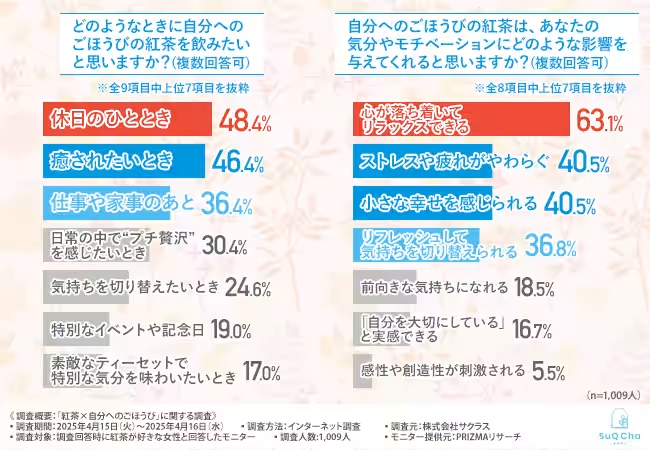
Findings showed that 48.4% favored enjoying it during weekend relaxation, 46.4% during moments of needing comfort, and 36.4% after work or chores, illustrating that black tea is often desired during everyday activities rather than special occasions.
The Impact of Rewarding Tea on Mood and Motivation
When asked about the effects of self-rewarding tea on their mood and motivation, 63.1% reported that it helps them feel calm and relaxed, followed by 40.5% believing it alleviates stress and fatigue, and another 40.5% feeling a sense of small happiness from it. A significant number also indicated that it helps them refresh their mindset (36.8%).
These results highlight tea's restorative role in daily life, transcending mere consumption for comfort and enjoyment. The observations about red tea’s calming effects resonate well with the current trend, where many coffee chains and convenience stores now offer specialty tea drinks, signaling a growing appreciation for black tea.
The Growing Popularity of Wakocha: Japanese Black Tea
As interest in accessible and enjoyable black tea options expands, Wakocha has recently gained attention. Described as domestically produced tea with less astringency and a gentle flavor, Wakocha's appeal lies in its unique characteristics. The growing presence of specialty shops and bottled products from large beverage brands indicates that its recognition is on the rise.
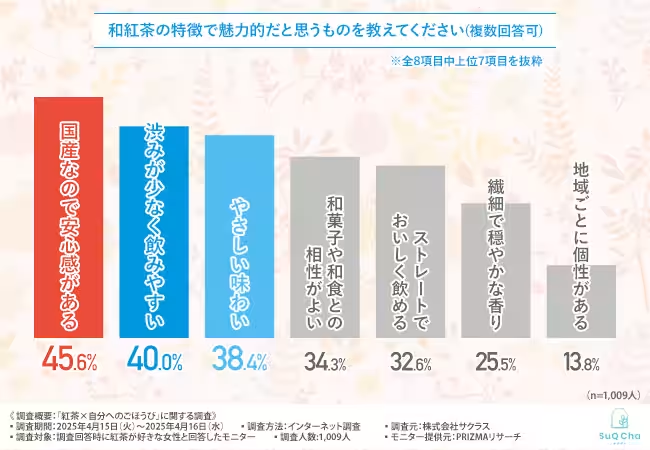
According to our survey, about 90% of respondents think that Wakocha is perfect for self-rewards. Reasons include the comfort of its domestic production (45.6%), ease of drinking with less bitterness (40.0%), and its gentle flavor (38.4%). These qualities align with a desire for security and a delicate taste rooted in Japanese culture.
While some answers regarding Wakocha's "subtle and gentle aroma" and "regional individuality" received less emphasis, they may still be key factors to promote further, as they reflect the nuanced appeal of Japanese tea culture.
Conclusion: About 90% of Tea Lovers Find Wakocha Ideal for Pampering Themselves
This research reveals that the value that women who love tea expect from their self-rewarding beverage revolves around experiences that soothe the heart rather than merely flavor or price. The snacks and drinks they choose as self-rewards tend to provide sensory fulfillment, with black tea emerging as an accessible option that contributes to daily comfort.
Yet, responses indicating interest in black tea but an inability to maintain the practice suggests there is still room for advocacy in adopting tea as an everyday luxury. The favorable perceptions around Wakocha emphasize its appeal as an everyday indulgence, suggesting a serene and natural lifestyle choice.
Switching to Wakocha could be a delightful option to incorporate sensory pleasures into everyday life — providing aromas, relaxation, and a touch of indulgence as a reward for yourself.
About SuQ Cha: Your Gateway to Japanese Black Tea
Sakuras Corporation, which conducted the survey related to "Black Tea x Self-Reward," operates SuQ Cha, a service dedicated to delivering various kinds of Wakocha across Japan.
SuQ Cha's Commitment
- - We source black tea from different regions, presenting it alongside the stories from the producers, aiming to make Wakocha a staple of Japanese cultural lifestyle.
- - SuQ Cha fuses traditional tea culture with top-quality leaves, ensuring you experience rich flavors and moments of joy.
- - Our offerings change with the seasons, influenced by unique soil conditions and climate, ensuring variety and freshness.
Experience the depth of Wakocha as we strive to share the beauty of Japan's tea heritage. Visit us at SuQ Cha.

Topics Consumer Products & Retail)
【About Using Articles】
You can freely use the title and article content by linking to the page where the article is posted.
※ Images cannot be used.
【About Links】
Links are free to use.