



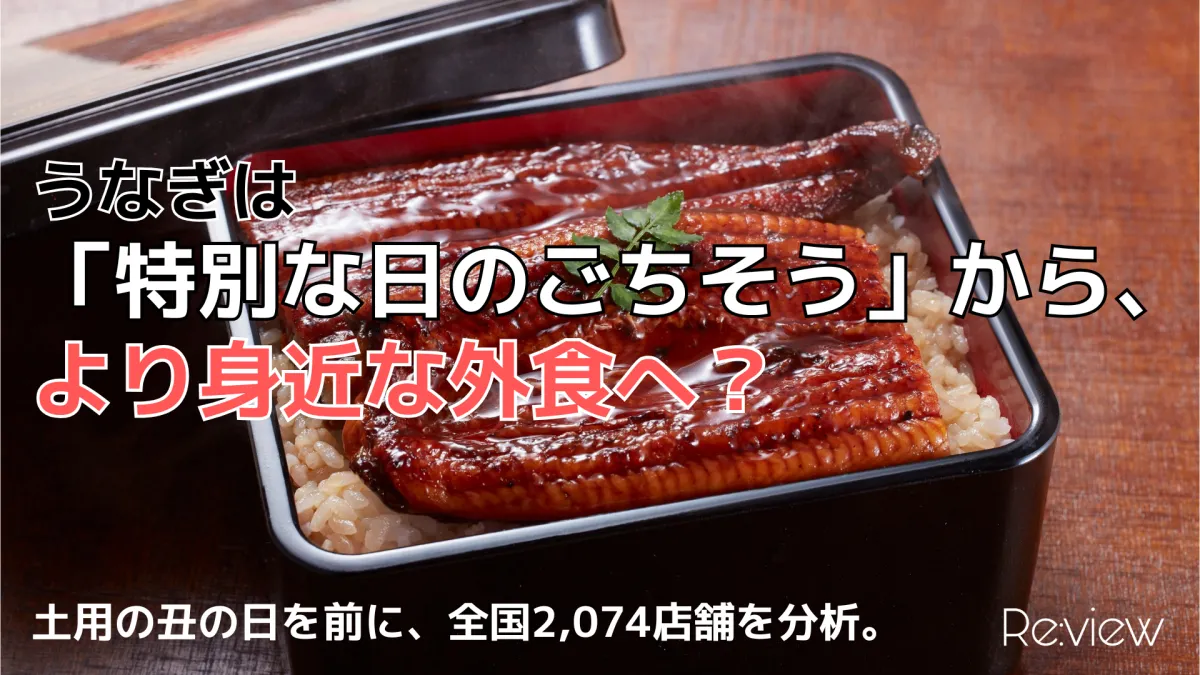
Eel Dining Experiences Transitioning from Luxury to Everyday Options in Japan
- ---
As the season for the “Doyo no Ushi no Hi” approaches, a traditional day for savoring eel in Japan, it appears that specialized eel restaurants are experiencing a surge in popularity across the nation. While eel has long been viewed as a luxury dish reserved for special occasions, recent trends show that affordable eel restaurants and chains are becoming increasingly common, indicating a potential shift in consumer culture around this delicacy.
In a significant analysis conducted by Review, a data company based in Osaka, the eating landscape of eel was scrutinized. The study focused on 2,074 establishments nationwide that included the word “unagi” (eel) in their names or menus. The results suggest a fundamental change in how eel cuisine is perceived—moving from an exclusive treat to a more accessible dining experience.
A Surge in Eel Restaurant Openings
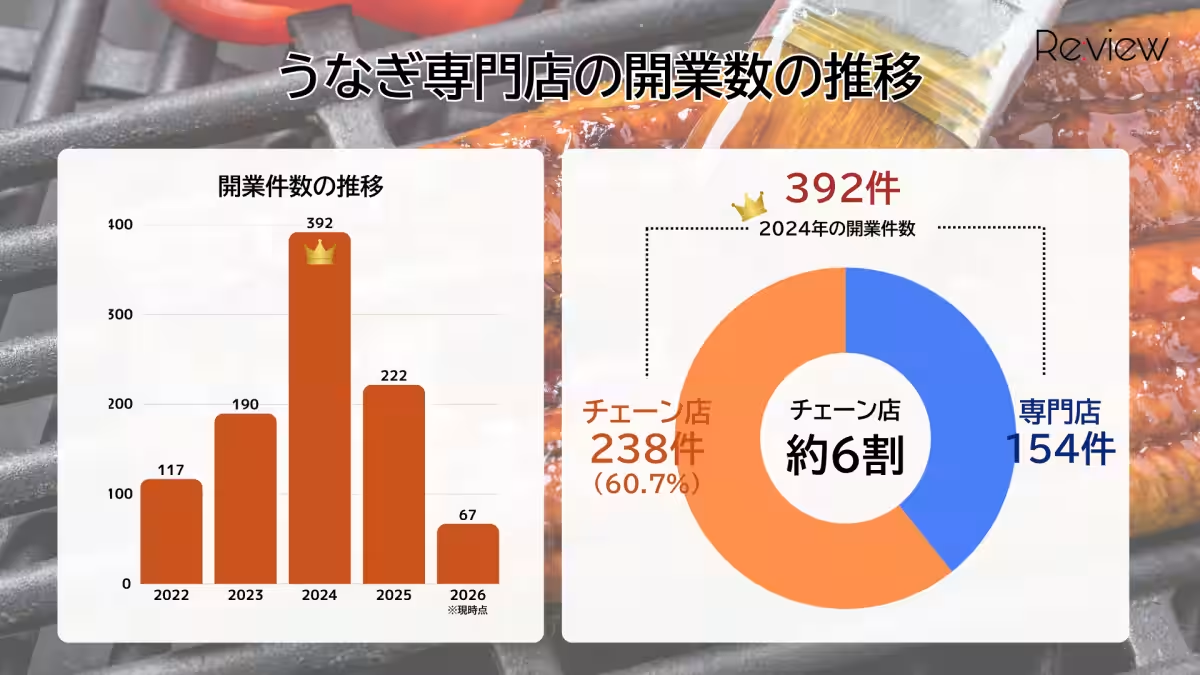
The data reveals a striking increase in new openings. From just 117 establishments in 2022, the number jumped to 190 in 2023, and is projected to reach 392 in 2024. Although a slight decrease is anticipated in 2025, with 222 new openings, this number still surpasses prior years, indicating the continuation of a trend rather than a temporary spike. Notably, 60.7% of the anticipated openings in 2024 are chain restaurants, with one particular chain accounting for 221 of these establishments.
On the other hand, independent eel specialty shops are also on the rise. Their numbers increased from 101 in 2022 to 154 in 2024, and this robust growth is expected to continue into 2025 and beyond. This shift illustrates that the market is expanding, appealing to both massive chain operations and local fisheries.
Changing Trends in Store Names
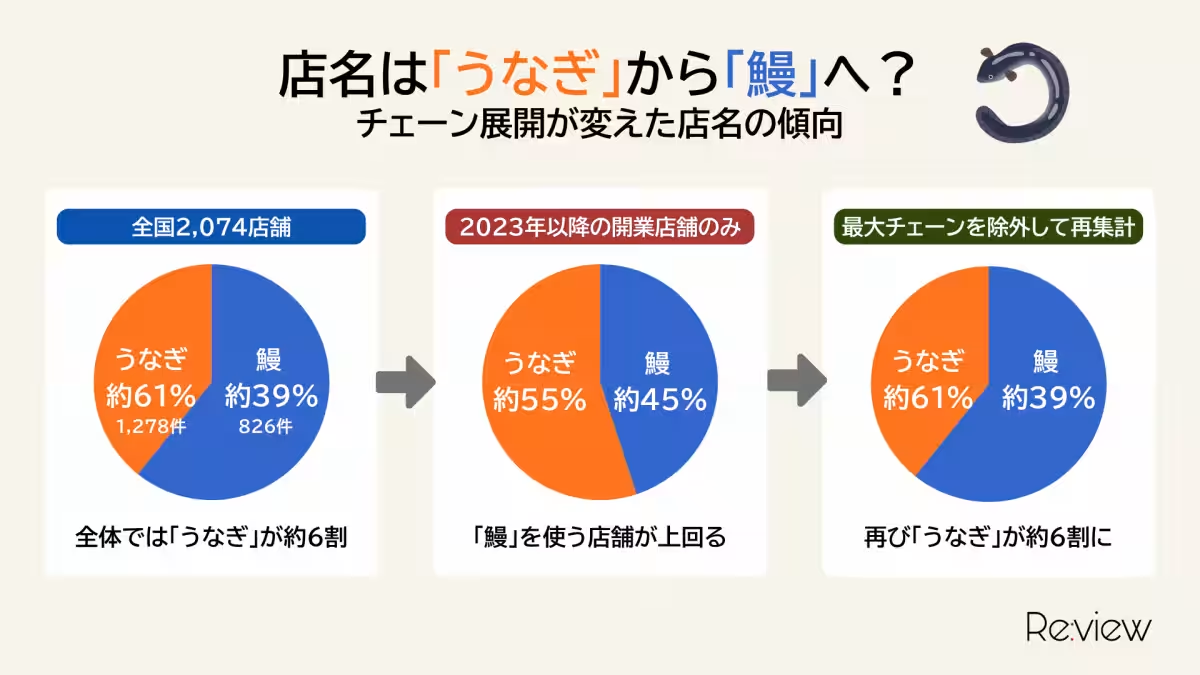
Election of terminology in store names also suggests an evolution in consumer attitudes. Of the 2,074 establishments surveyed, 1,278 feature the word “unagi,” while 826 have chosen “unagi” or “unagi.” However, a fascinating trend emerges when focusing on stores that opened after 2023, where names containing “unagi” have begun to overshadow those using “unagi.” This may indicate a gradual shift influenced by the growing number of chains that popularize modernized terminology.
It’s interesting to note that when excluding the highest volume chain, the balance shifts back, reinforcing that change in naming conventions is closely linked to these chains' branding strategies rather than a widespread cultural shift.
The Shift from Tradition to Modernity
An additional pattern has surfaced in how eel restaurants present their culinary styles. Prior to 2019, many establishments leaned towards traditional terms such as “kappo” (Japanese cuisine), which evokes a sense of elegance and tradition. However, the trend now favors straightforward, appealing terminology reflecting preparation methods like “charcoal-grilled” (sumibiyaki), which underlines their cooking style and draws attention to the dining experience over the establishment's prestige.
In today’s landscape, where searching for restaurants via smartphones is ubiquitous, names now also serve as a guide to the restaurant's style and specialties, shaping customer expectations more than ever before.
Regional Insights into Eel Culture
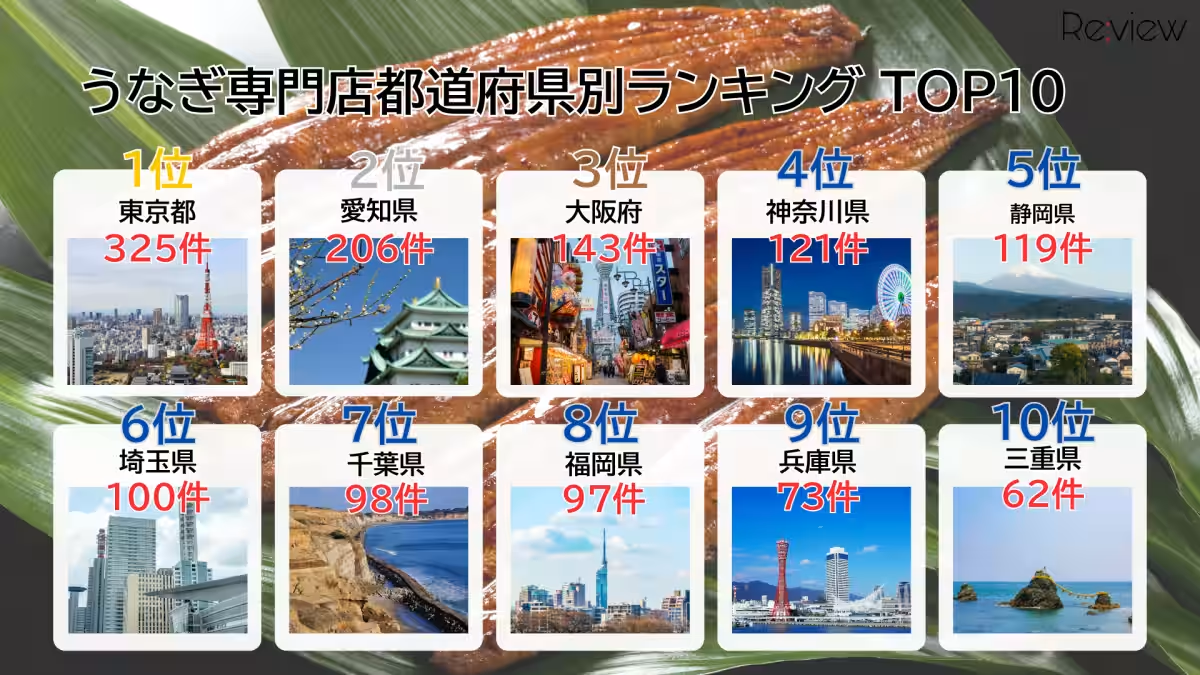
From a geographical perspective, Tokyo leads with 325 eel restaurants, propelled partly by its large population. Other regions such as Aichi, Shizuoka, and Mie—areas steeped in eel culture—also rank highly in the number of establishments. The upward trend of new openings across various regions indicates a growing normalization of eel cuisine in Japanese culture, easing its classification strictly as a luxury item.
Conclusion: An Evolving Dining Culture
The findings of this comprehensive study bring to light an important narrative: the dining culture surrounding eel is changing. What was once exclusively a luxury option is evolving into an everyday meal choice, propelled by both national chains and local specialists. The evolution of store names from traditional terms to modern cooking methods captures this shift, signaling a newfound accessibility that embraces culinary variety.
This nuanced change, albeit evident through raw numbers, highlights a broader transformation in Japanese consumer sentiment and dining expectations. At Review, we aim to visualize societal changes through data and deliver valuable insights for corporations, media, and consumers alike.
- ---
Research Overview
- - Study Data: All establishments as of July 2026
- - Geographical Focus: Nationwide, Japan
- - Sector: Restaurants with “unagi” or “unagi” in the name
- - Study Size: 2,074 establishments
- - Analysis Method: Data cleansing and aggregation by Review, based on publicly available business opening information from government sources.
This study doesn’t just reflect an increase in the number of establishments; it provides a deep insight into the changing attitudes towards eel as a dining option in Japanese culture.


Topics Consumer Products & Retail)







【About Using Articles】
You can freely use the title and article content by linking to the page where the article is posted.
※ Images cannot be used.
【About Links】
Links are free to use.