



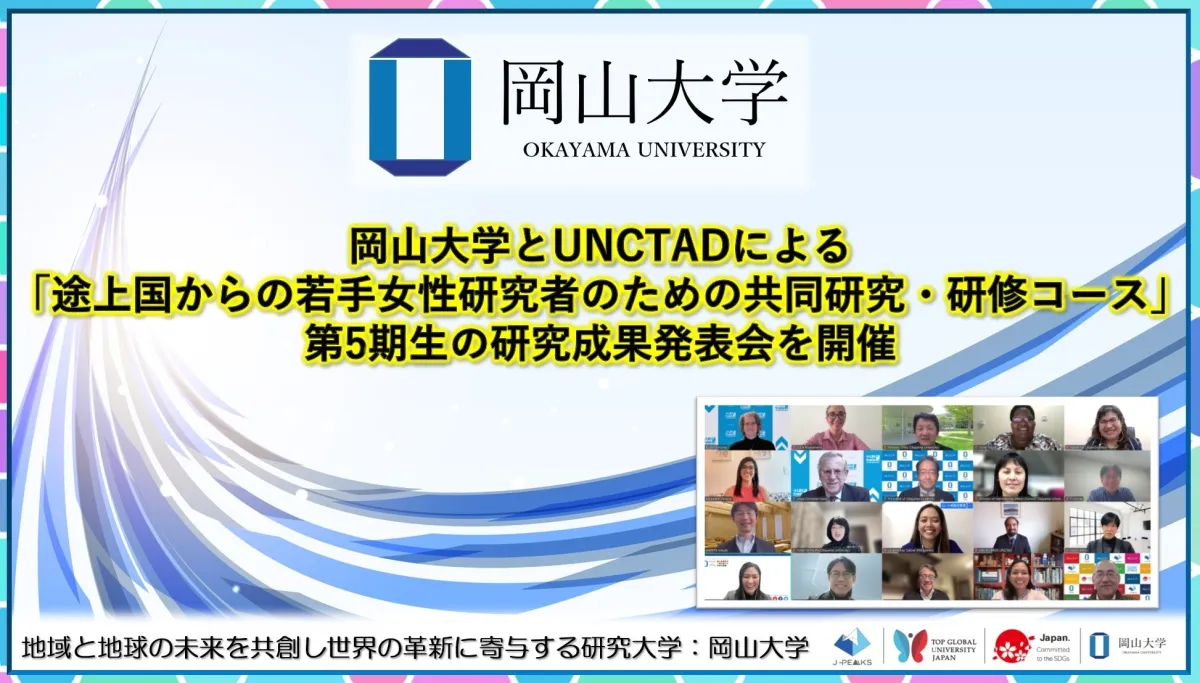
Okayama University and UNCTAD Present Research Outcomes of Young Female Scientists from Developing Countries
Okayama University and UNCTAD Present Research Outcomes
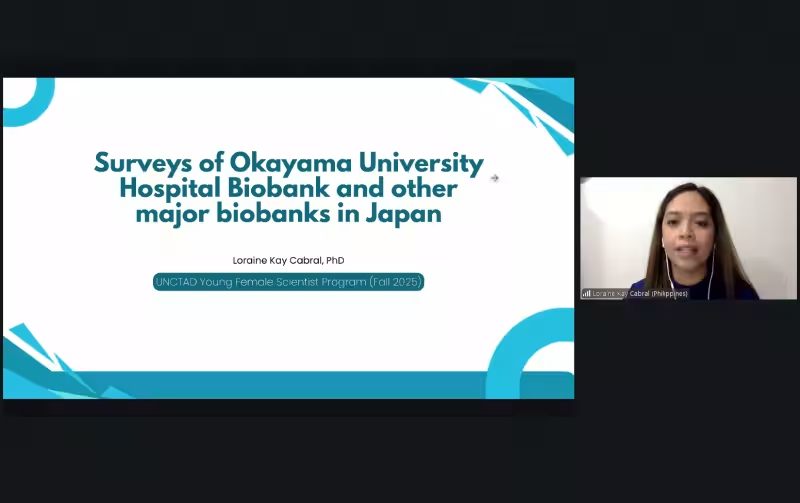
On February 12, 2026, Okayama University hosted an online presentation showcasing the research achievements of participants in the Young Female Scientist Programme, a collaborative effort between Okayama University and the United Nations Conference on Trade and Development (UNCTAD). This program, aimed at young female researchers from developing countries, held its fifth session this year, with five talented researchers from the Philippines, Tanzania, Guatemala, Ecuador, and Peru presenting their findings.
Since the establishment of a comprehensive partnership agreement for talent development aimed at achieving the Sustainable Development Goals (SDGs) on January 9, 2020, this program has been recognized globally for its innovative approach. Under this agreement, selected female researchers undergo research training for two weeks to a month at Okayama University. So far, 27 researchers have completed the program, with this year's cohort marking its fifth intake.
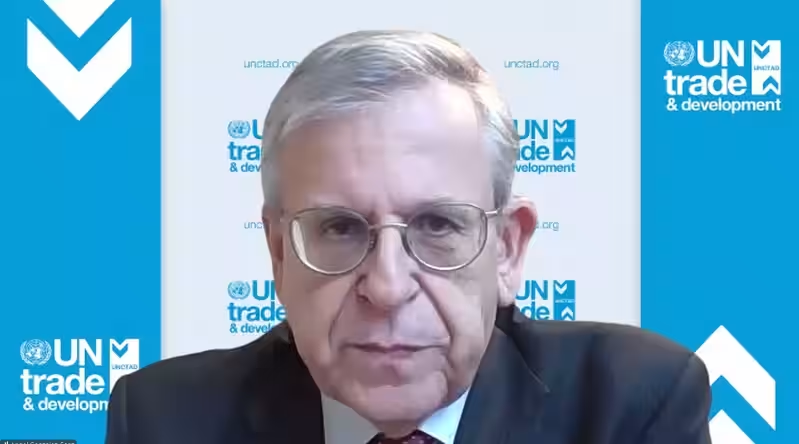
The presentation event was attended by notable figures including Angel Gonzalez Sanz, the head of the Innovation and Knowledge Development Division at UNCTAD, and several leaders from Okayama University, including President Yasuto Nasu and Vice Presidents at the university. They encouraged the young female researchers and fostered an atmosphere of warmth and camaraderie, highlighting the joy of reuniting and reminiscing about their research experiences.
Additionally, a presentation was given by the fourth cohort graduates and their supervising professors, discussing how their participation in this program has led them to collaborate on research funding applications. This exemplifies the program's success in fostering collaboration among researchers.
Okayama University continues to strengthen its partnership with UNCTAD, promoting talent development around the globe and sharing initiatives aimed at achieving the SDGs. The university is committed to becoming a core research university that emphasizes regional characteristics and excellence in research.
This presentation and the program it derives from reflect Okayama University's dedication to empowering women scientists and supporting innovative research that has a positive impact worldwide. With the ongoing support from UNCTAD, the university will continue to promote education, innovation, and sustainable development initiatives on a global scale.
The representation of diverse countries and backgrounds in this program not only enriches the participating researchers' experiences but also enhances the collaborative research environment within the university. Together, these initiatives represent a forward-thinking approach to tackling global challenges through education and scientific research.
As Okayama University proceeds, it is poised to remain at the forefront of research and development, making meaningful contributions to international efforts in sustainable development. Interested parties are encouraged to follow the university's future developments in this important area of research involvement.
References
Conclusion
The collaborative efforts between Okayama University and UNCTAD shine a light on the importance of supporting young female scientists from developing nations. With initiatives like the Young Female Scientist Programme, the university not only reinforces its commitment to the SDGs but also focuses on building a better future through education and research.


Topics Other)
【About Using Articles】
You can freely use the title and article content by linking to the page where the article is posted.
※ Images cannot be used.
【About Links】
Links are free to use.