



A Comprehensive Analysis of Job Type-Based Wage Trends in Japan for July 2025
Analyzing Wage Trends Across Employment Types in Japan
In a recent report by Hrog, a leading provider of job big data based in Chiyoda, Tokyo, the wage growth rates by job type for July 2025 have been revealed. The analysis draws from a variety of major job platforms, providing insights into how different employment categories have fared in terms of salary increases.
Overview of Wage Growth
The report analyzed job postings from various media outlets, focusing on part-time, dispatch, and full-time employment formats. The platforms included:
- - Part-time Jobs: "e-Aidem", "Baitoru", "Mynavi Baito"
- - Dispatch Jobs: "Hatarako-net", "En Haken"
- - Full-time Jobs: "Doda", "Type", "En Tenshoku", "Mynavi Tenshoku"
According to a recent article in the Nihon Keizai Shimbun, discussions surrounding the minimum wage across Japan are heating up, especially with a third meeting scheduled to set the minimum wage guidelines for fiscal year 2025. With significant public interest in wage discussions, this analysis serves as a crucial reference for understanding current wage trends.
Key Findings for July 2025
Employment Type Wage Changes
For the month of July 2025, the wage change rates showed a wide range:
- - Part-time Jobs: From a decrease of 3.56% to an increase of 6.11%
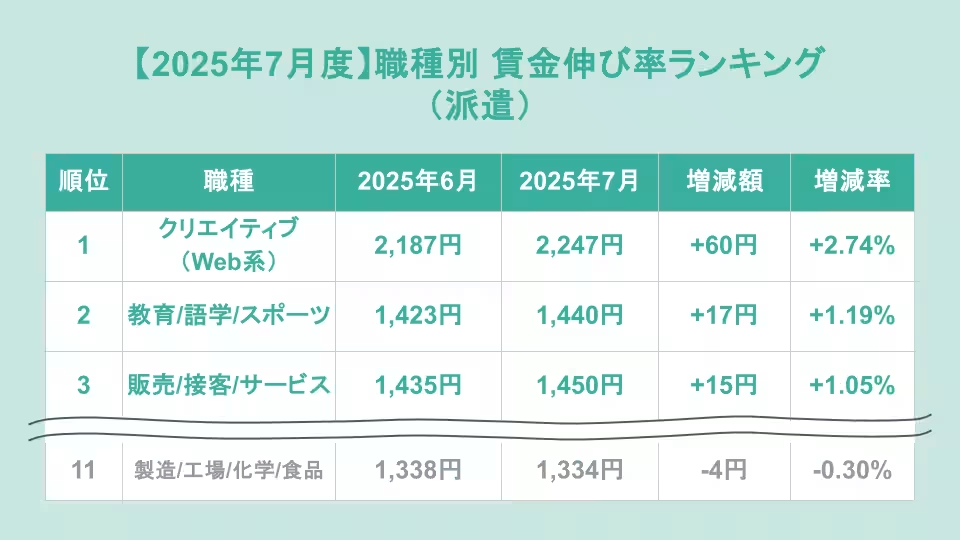
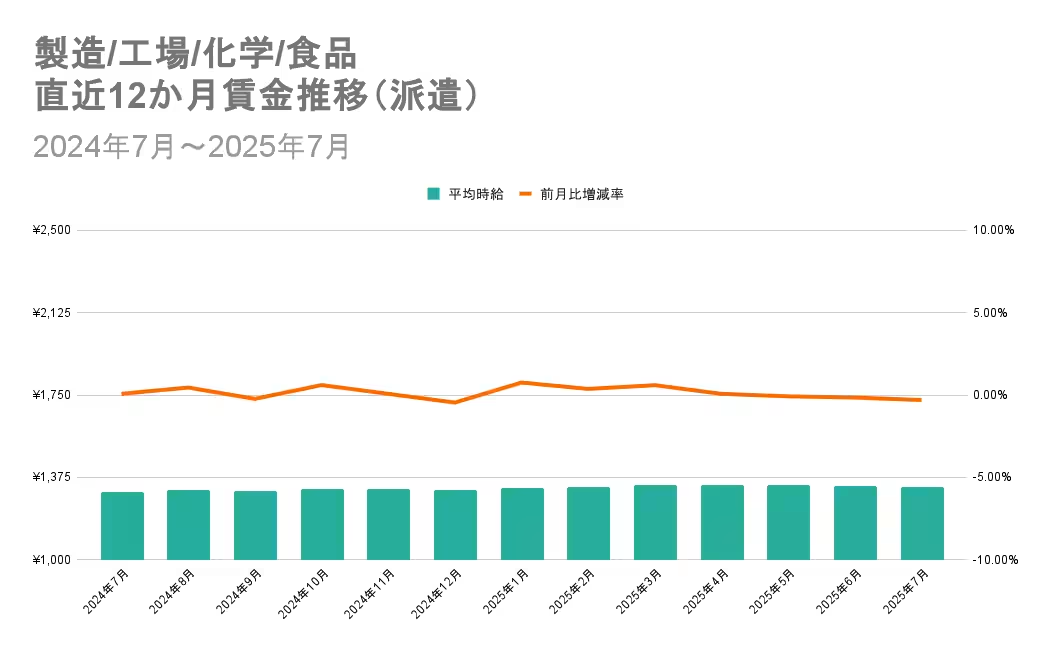
- - Dispatch Jobs: From a decrease of 0.30% to an increase of 2.74%
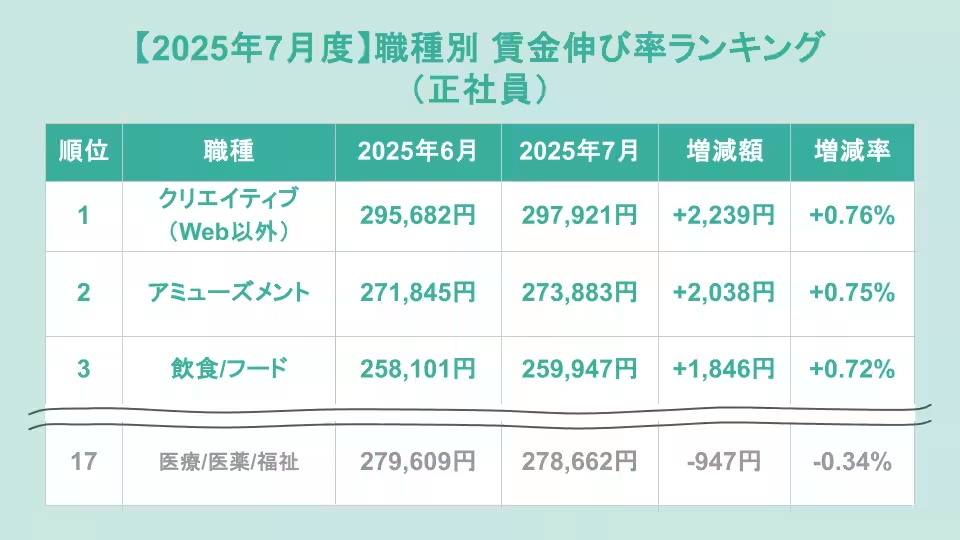
- - Full-time Jobs: From a decrease of 0.34% to an increase of 0.76%
Top Wage Increasing Job Types
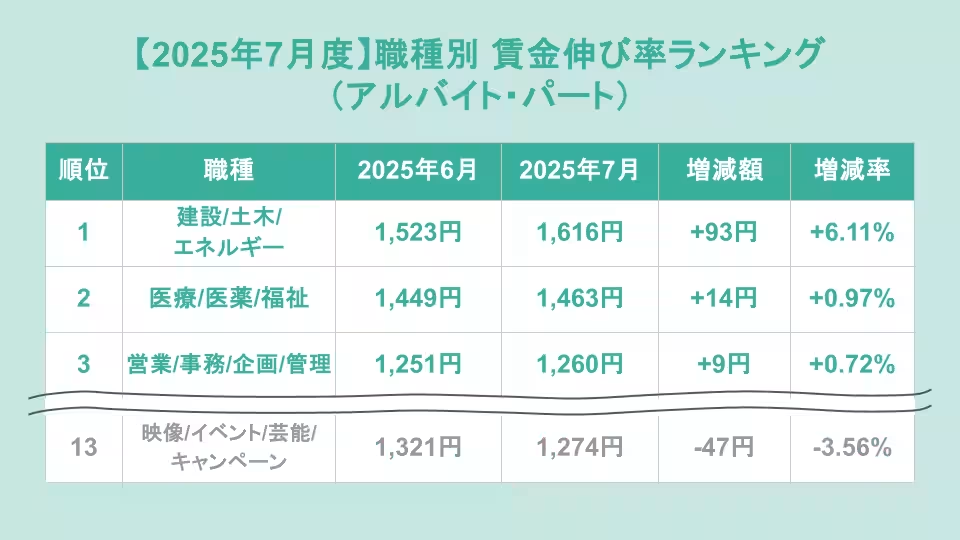
1. Part-time Jobs: The highest growth was seen in the construction/civil engineering/energy sector, with an impressive 6.11% increase. This translates to an average increase of 93 yen per hour.
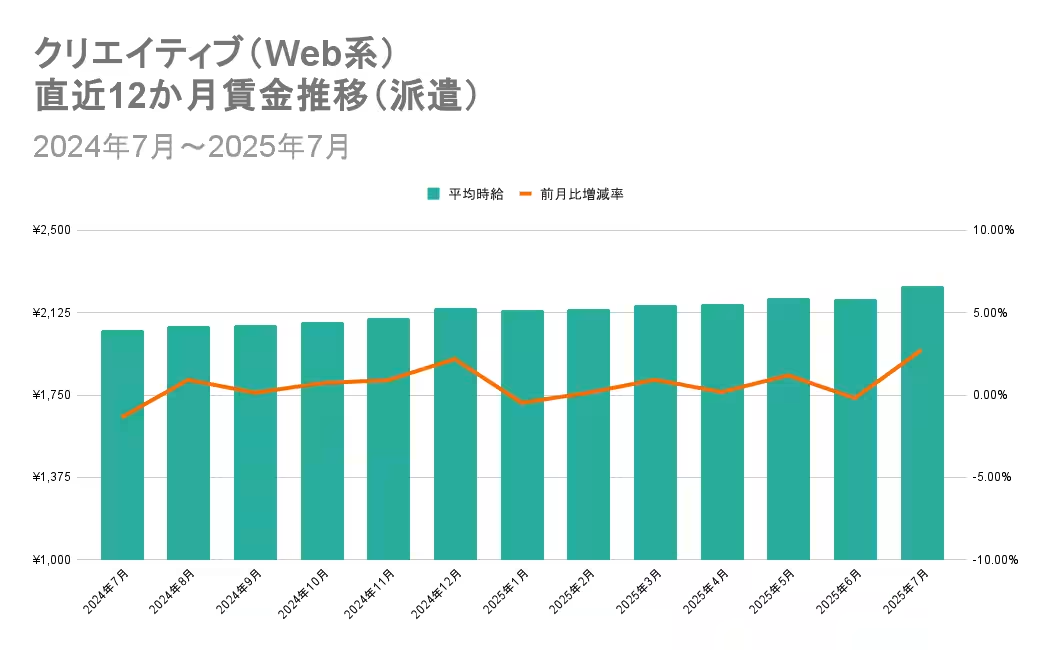
2. Dispatch Jobs: The top growth area within this category was found in creative/web-related roles, rising by 2.74%.
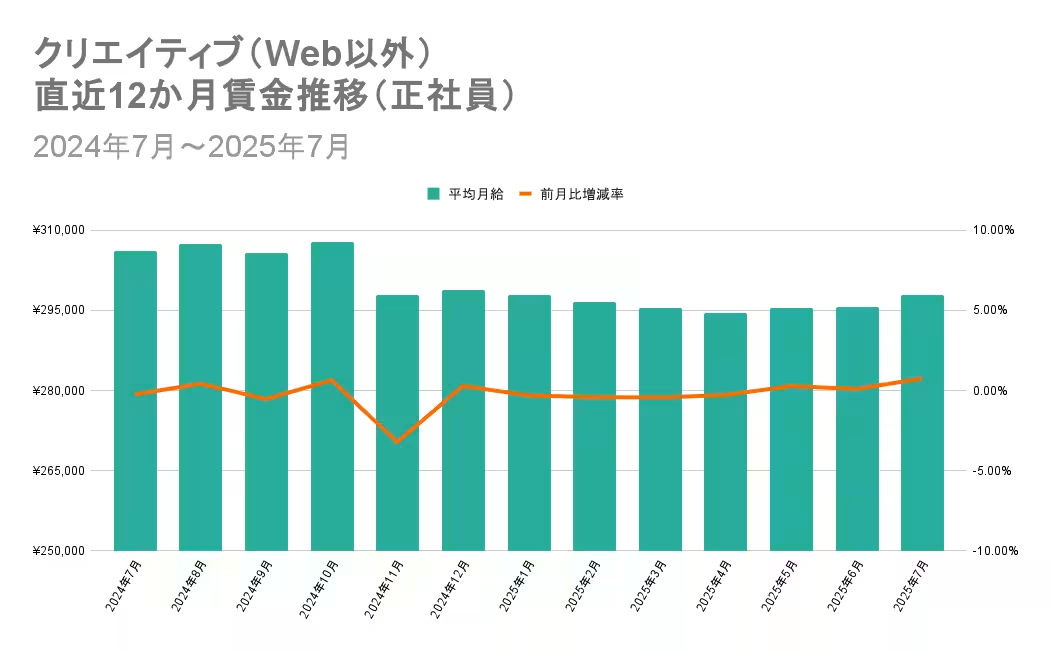
3. Full-time Jobs: Here, the creative non-web fields topped the list with a growth rate of 0.76%.
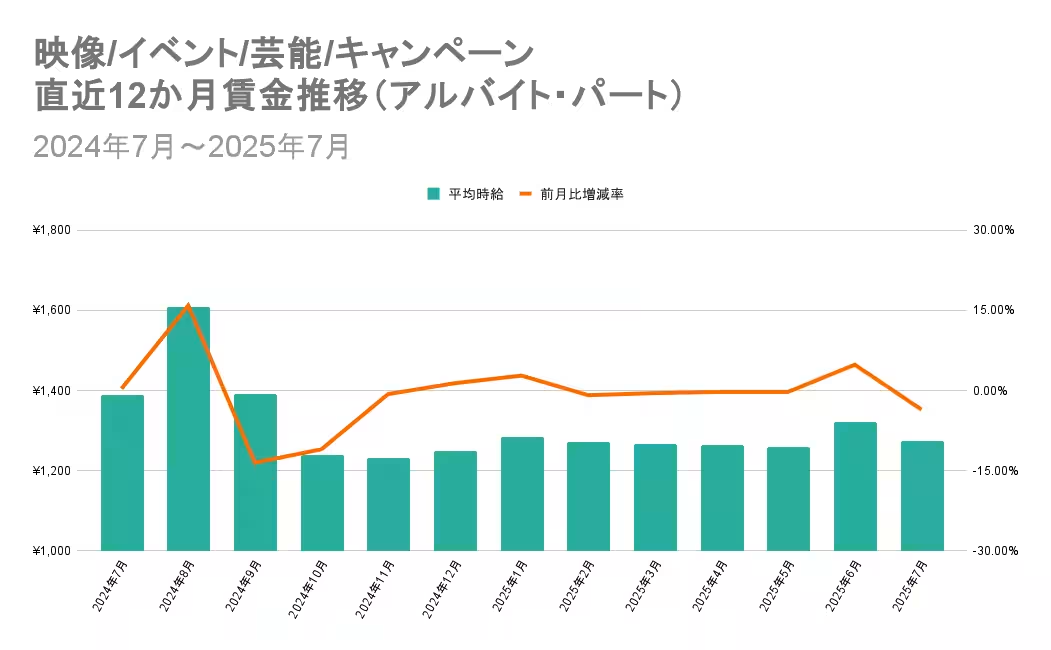
Conversely, the poorest performing sector for part-time work was the visual/event/entertainment/campaign category, which suffered a decline of 3.56%, leading to a decrease of 47 yen.
Detailed Wage Trends
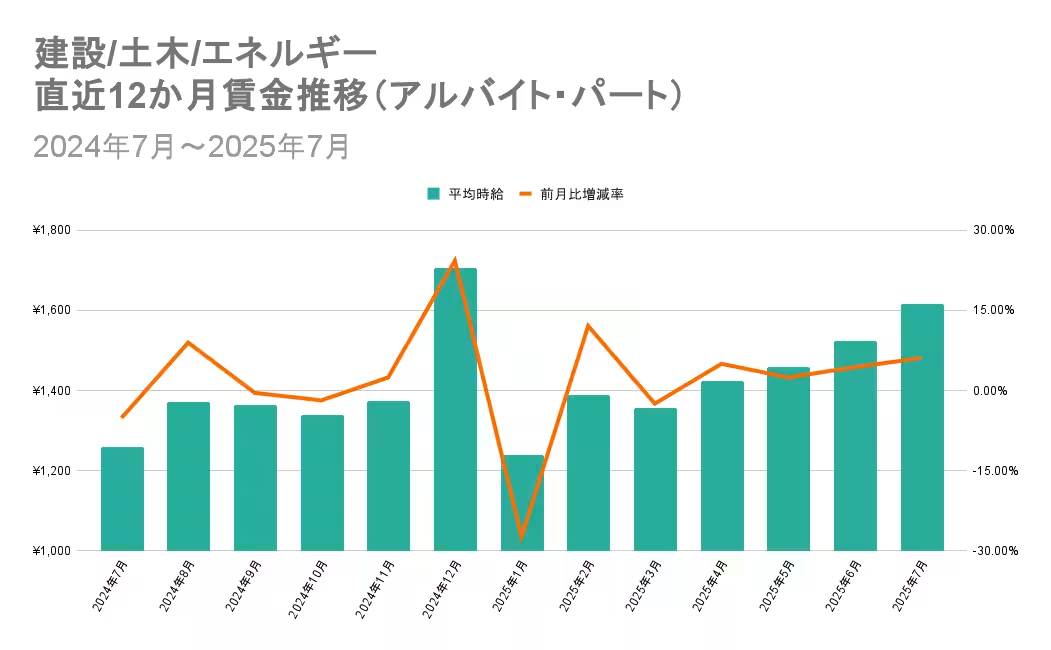
A closer look at the fluctuations over the past year for the leading positions shows that, for construction/civil engineering/energy, substantial advertising from K-Max inc. resulted in a peak average hourly wage of 2,333 yen in late 2024. Following a subsequent drop in postings, the average wage decreased as well.
In contrast, for visual/event/entertainment campaigns, an influx of lower-paid jobs in mid-2025 led to an initial wage increase due to a scarcity of lower-paid postings. However, by July, a flood of lower-paid jobs hindered wage growth, adversely affecting the average hourly rates.
For the dispatch category, jobs in the creative sector also displayed a consistent upward trend. The number of high-paying listings exceeded 2,500 yen, significantly boosting the average hourly wage from June to July.
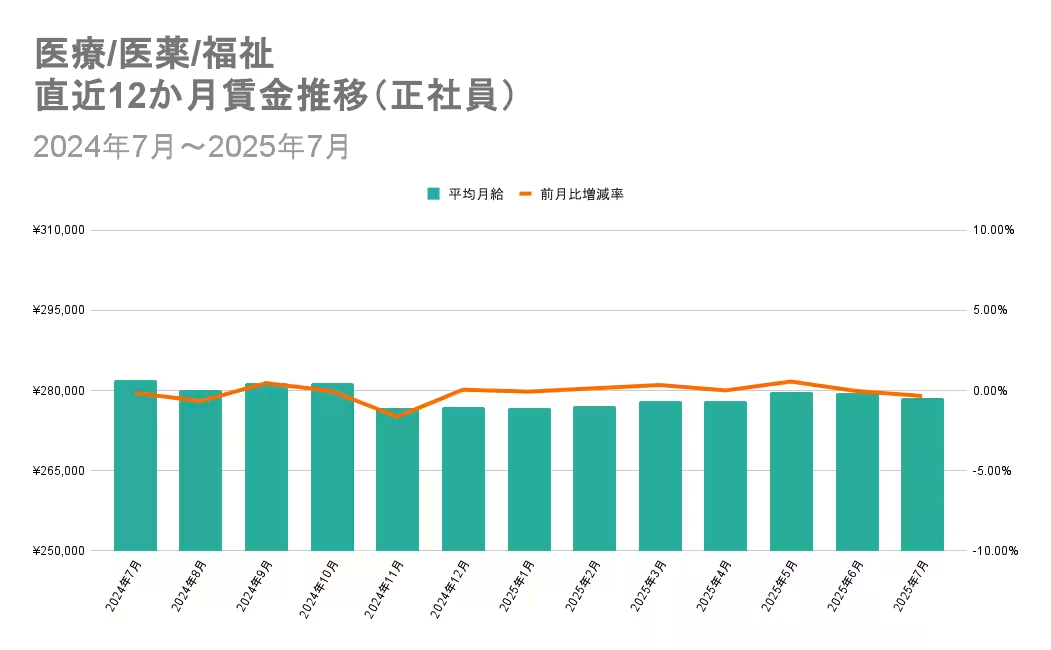
In the full-time job market, the creative non-web sector distinguished itself with a surge in job postings. Nevertheless, the healthcare field faced declines in average wages due to a rise in lower-salaried job offerings.
Research Methodology
This analysis was derived from a collection of job postings aggregated from the aforementioned platforms between June 3, 2024, and July 7, 2025. The research focused on various employment types, and wages were calculated based on the lower limits stated within job postings to derive average rates.
The Bigger Picture: Job Market Insights
Hrog has been gathering job data since 2014, now accumulating over 4 billion job postings from more than 150 sites across Japan. This wealth of information serves not only marketing insights for the recruitment industry but is also valuable for market trend analyses.
By analyzing the shifts in wages across employment categories, we can better understand the evolving job landscape in Japan. This ongoing research promises to shed light on broader economic conditions and the challenges that both employees and employers face in the current labor market landscape.
Topics People & Culture)


【About Using Articles】
You can freely use the title and article content by linking to the page where the article is posted.
※ Images cannot be used.
【About Links】
Links are free to use.