



Exploring the Future: The Sea and Kombu Forest Project in Hakodate
The Sea and Kombu Forest Project
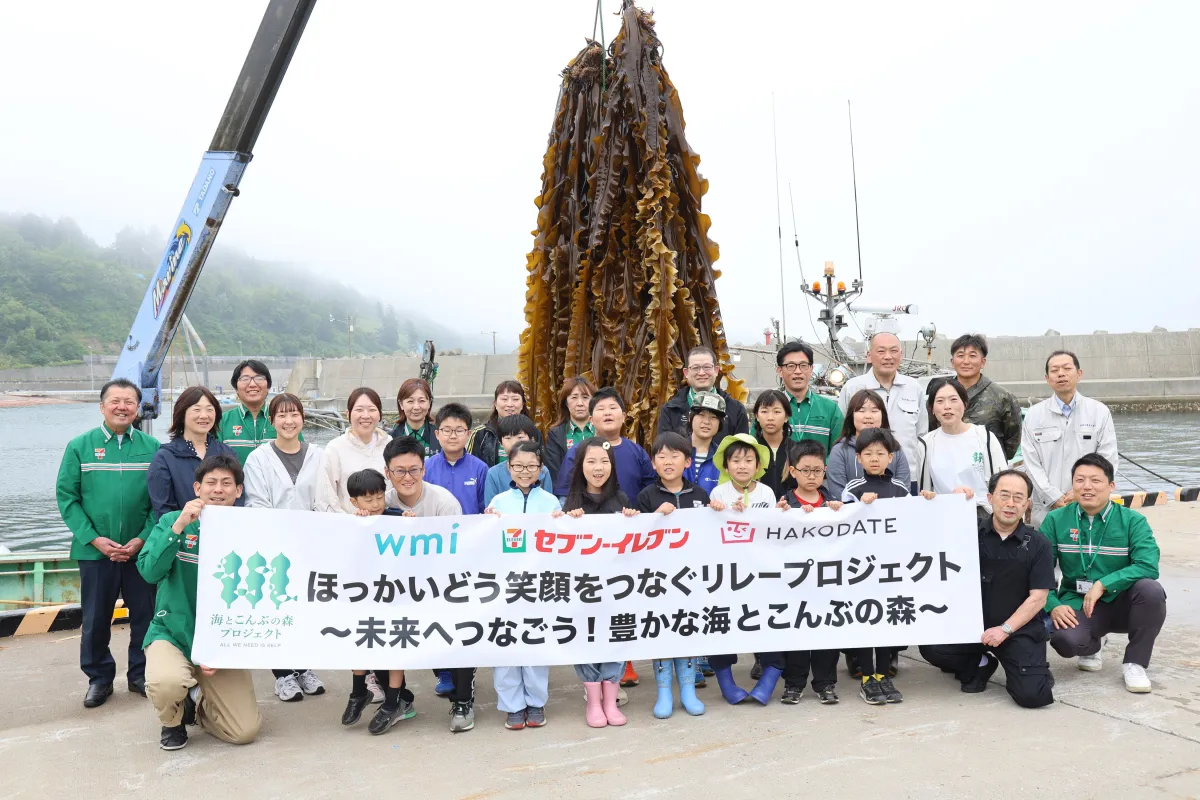
The Sea and Kombu Forest Project is a unique initiative launched through a collaboration between Seven-Eleven Japan, WMI (a marine vegetation development company), and the city of Hakodate. Aimed at addressing the declining kombu (seaweed) catch due to various marine changes, the project engages local children in hands-on experiences that connect them to their marine environment.
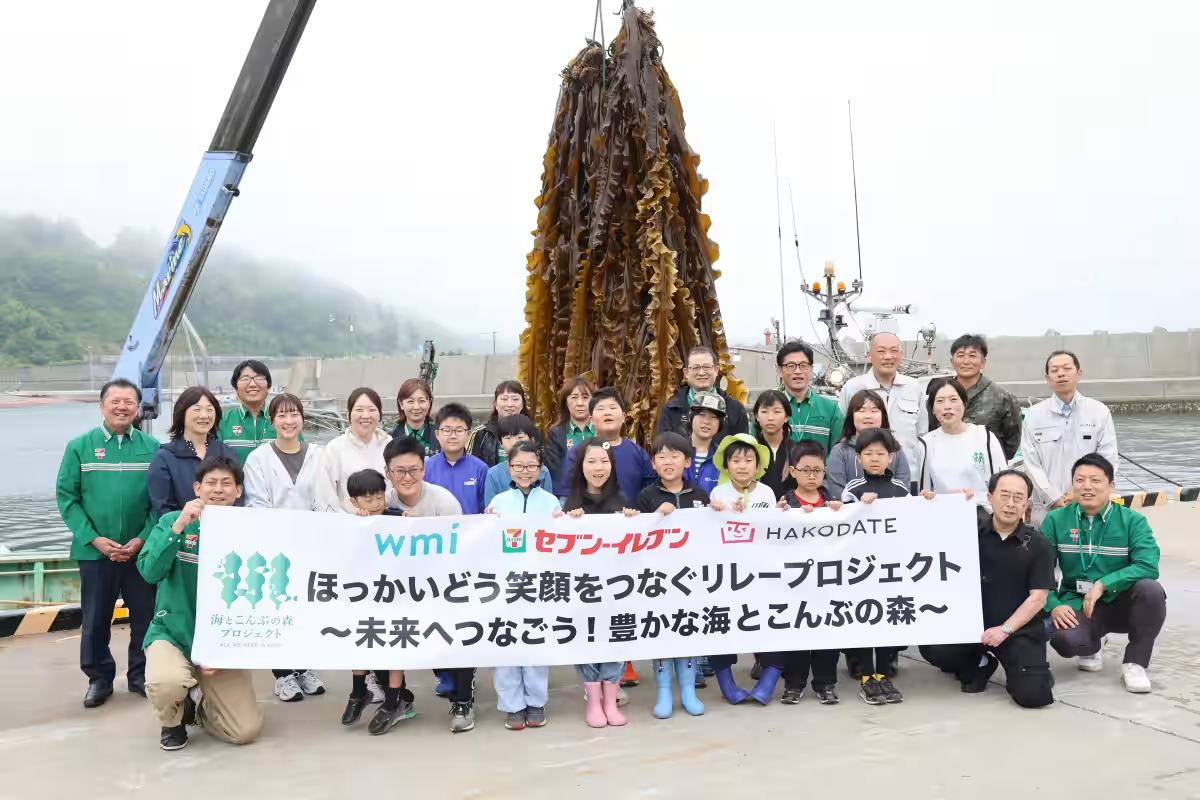
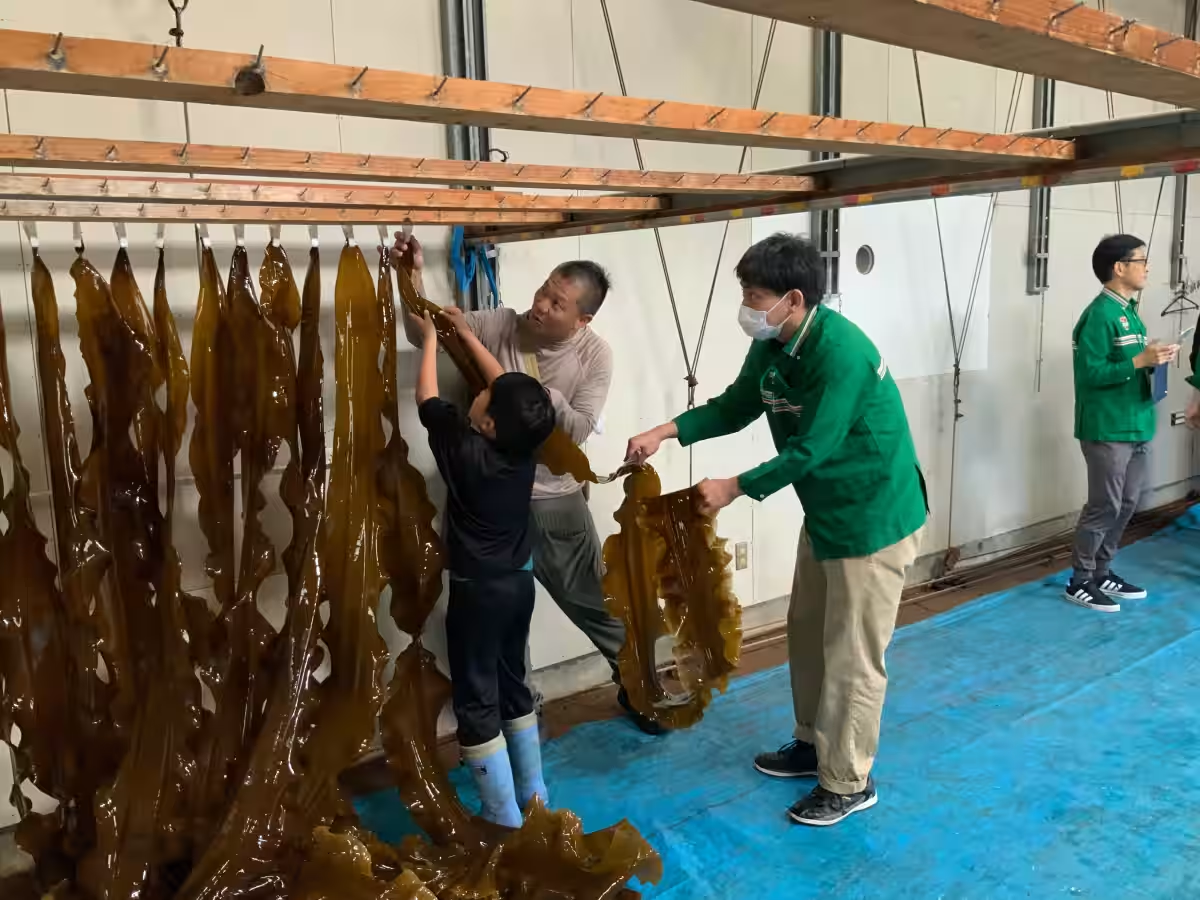
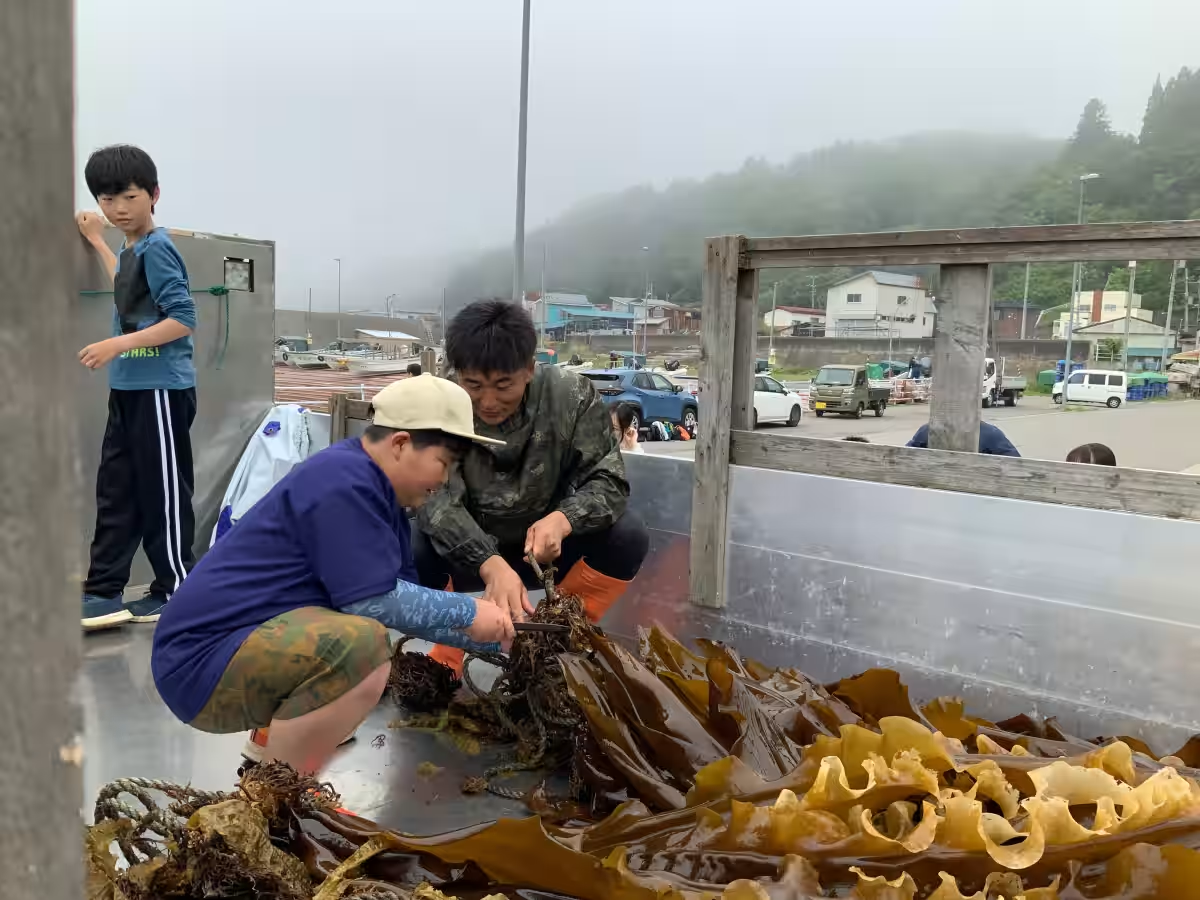
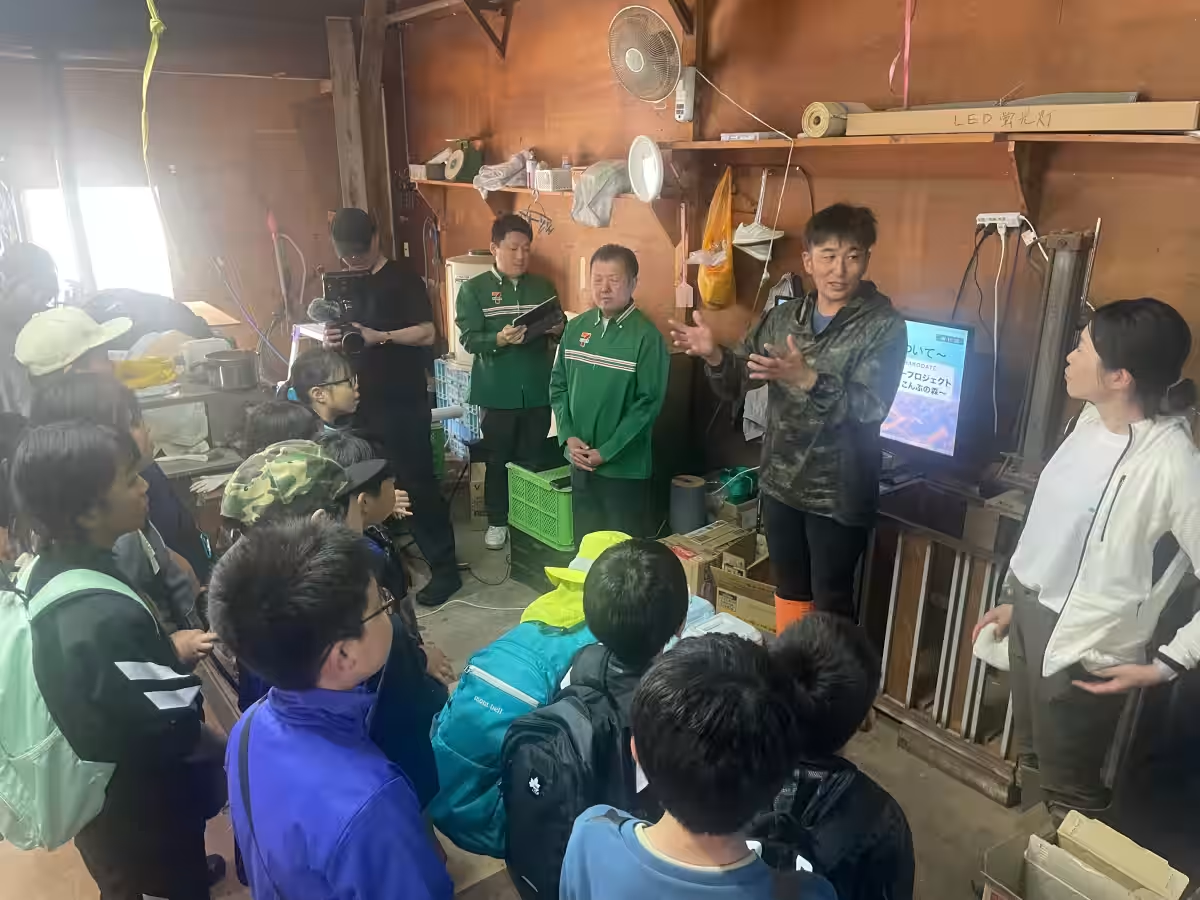
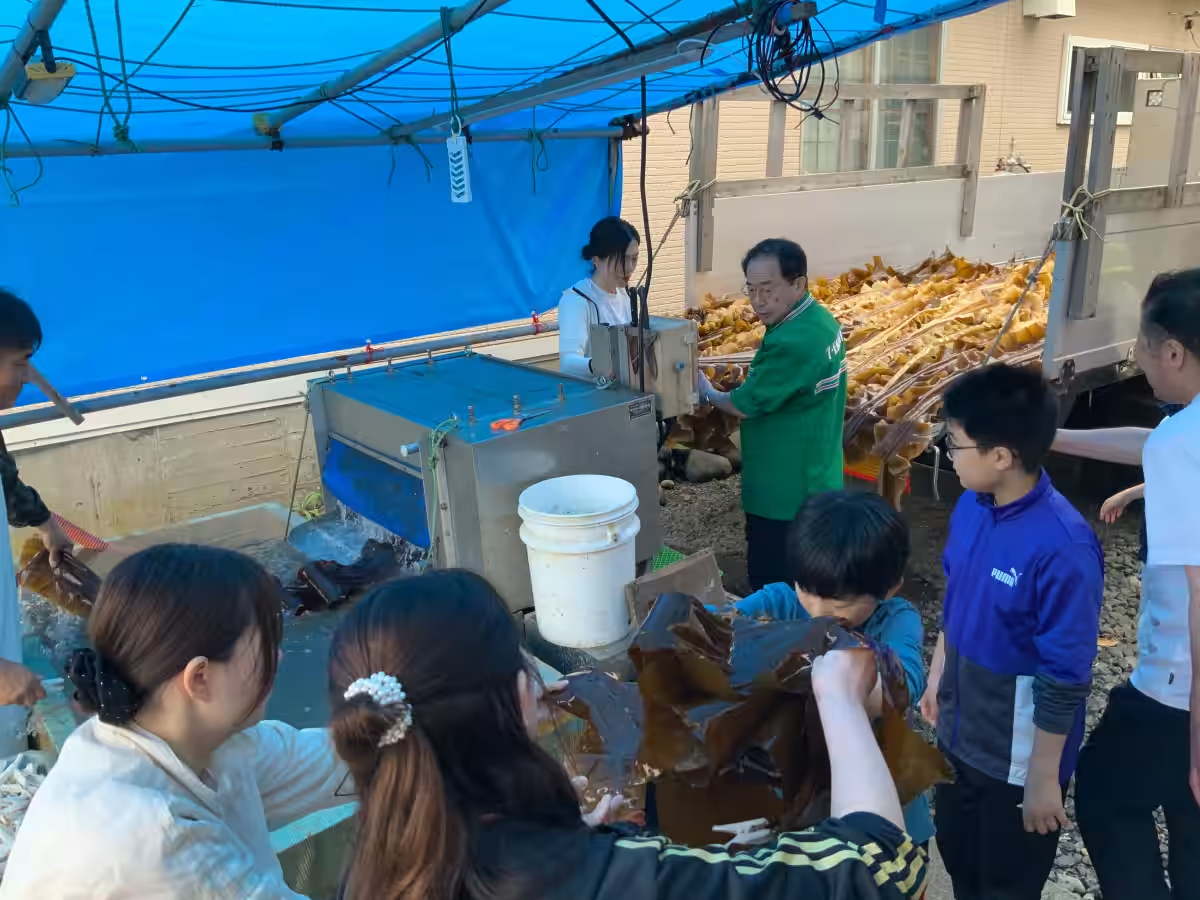
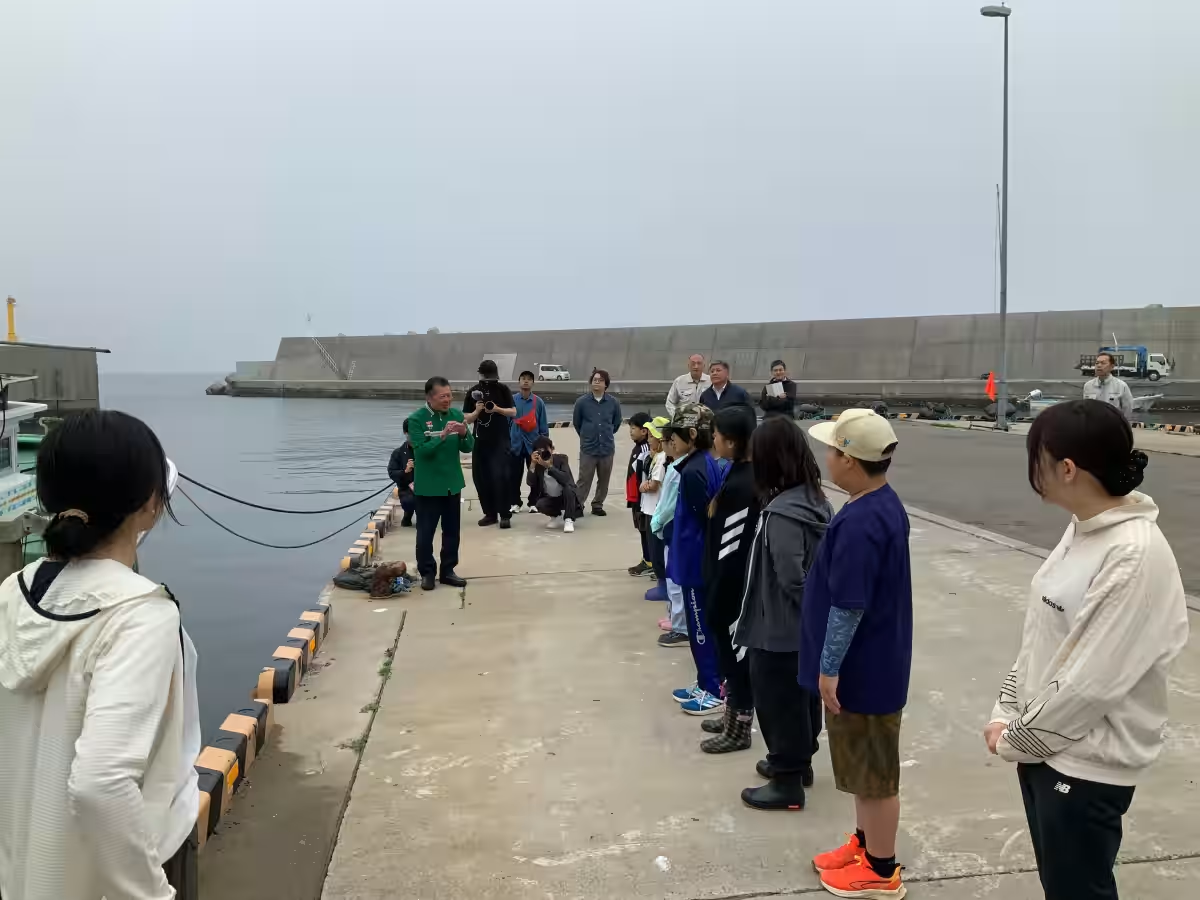
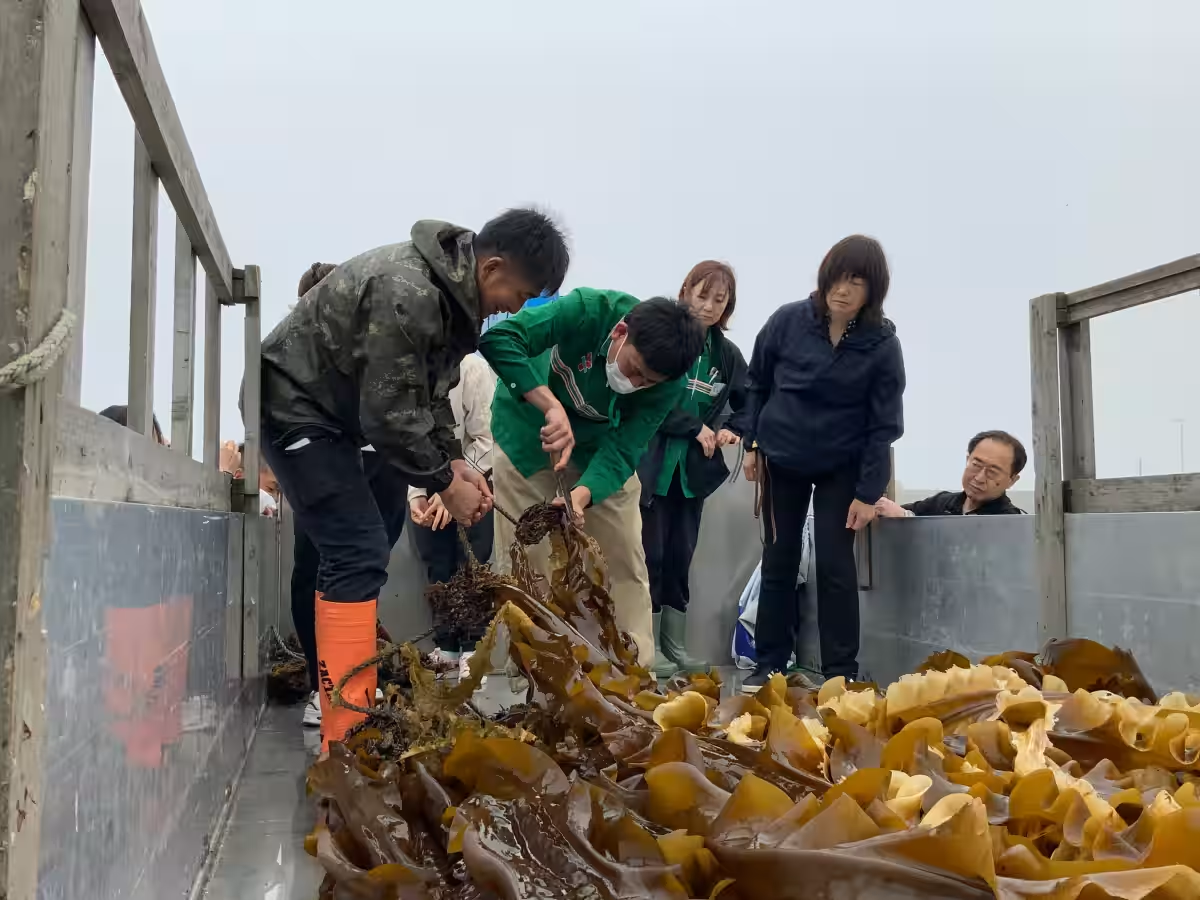
On June 20, 2026, the project held an interactive event for children in the Minami Kayabe district of Hakodate. Participants gained firsthand experience in observing, cutting, and drying kombu, which laid the groundwork for a deeper understanding of local industries and environmental issues. This involvement is part of the larger “Connecting Smiles in Hokkaido Relay Project,” now in its seventh phase.
Addressing Environmental Challenges
Located in a region known for its abundant kombu production, the project also responds to pressing environmental issues. Recent phenomena like “Isonake,” often referred to as marine desertification, threaten the balance of underwater ecosystems, leading to the diminishing numbers of kombu and other seaweeds. As hard-shell algae like “sango-mo” take over the seafloor, traditional aquatic ecosystems are disrupted.
To tackle this challenge, this collaborative effort seeks not only to revive the kombu fishing industry but also to raise awareness about marine conservation. The initiative aims to regenerate underwater forests crucial for sustaining local wildlife and supporting community livelihoods.
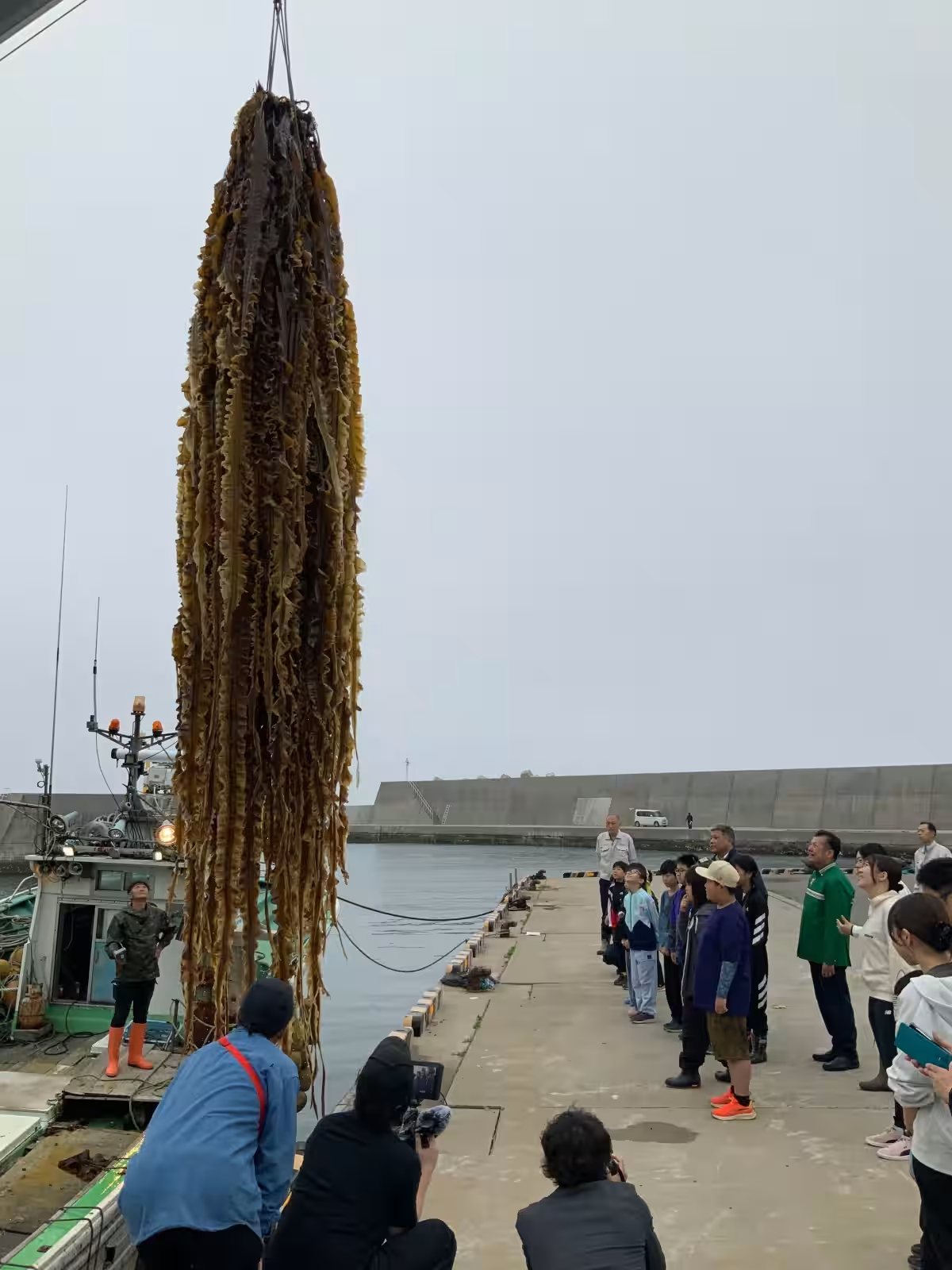
During the event, participants observed kelp that had grown from approximately five centimeters at planting in November 2025 to a height of eight to ten meters. The day featured educational demonstrations on kombu processing—cutting, washing, and drying—allowing children to engage positively with their local environment. As they saw these processes firsthand, a greater appreciation for local culinary traditions was cultivated.
Creating Future Leaders
The event attracted students from Takakau Elementary School, fostering interactions between young learners and local fisheries. The response from participants was overwhelmingly positive, as they expressed excitement over seeing the growth of kombu and anticipation regarding the products made from their harvested crops.
Feedback from students included comments like, “The kombu was bigger than I expected! It was so much fun!” and, “I’m excited to think about what products will be made from the kombu I helped with!” Their enthusiasm highlights the program's effectiveness in engaging children with their local heritage and environmental stewardship. An educator noted, “This experience is a very rare opportunity for the children to witness and participate in local industry, which can nurture their interest.”
Looking Forward
As this project evolves, Seven-Eleven Japan plans to introduce products inspired by these experiences, notably the recent launch of the “Sapporo Soy Sauce Ramen with Hakodate Kombu” on June 16, 2026. The collaboration with WMI ensures that this delicious kombu is sustainably sourced and used meaningfully in new food offerings. Future menu concepts developed by the children themselves will further encourage their creativity and connection to local culinary practices.
Through initiatives like the Sea and Kombu Forest Project, Seven-Eleven Japan remains committed to solving community issues while nurturing the potential of future generations. By fostering relationships between local businesses, schools, and the environment, they are cultivating a sense of pride and responsibility for Hakodate's unique marine resources.
As the project continues, it looks toward generating more community-driven initiatives and fostering greater awareness about the environmental challenges facing marine ecosystems. The hope is not just to revitalize a local business but also to inspire a new wave of environmental advocates for decades to come.
Topics Other)
【About Using Articles】
You can freely use the title and article content by linking to the page where the article is posted.
※ Images cannot be used.
【About Links】
Links are free to use.