



Japan's Birth Rate Hits Historic Low: Strategic Alliances for Childcare Support
A Deep Dive into Japan's Childcare Crisis
Introduction
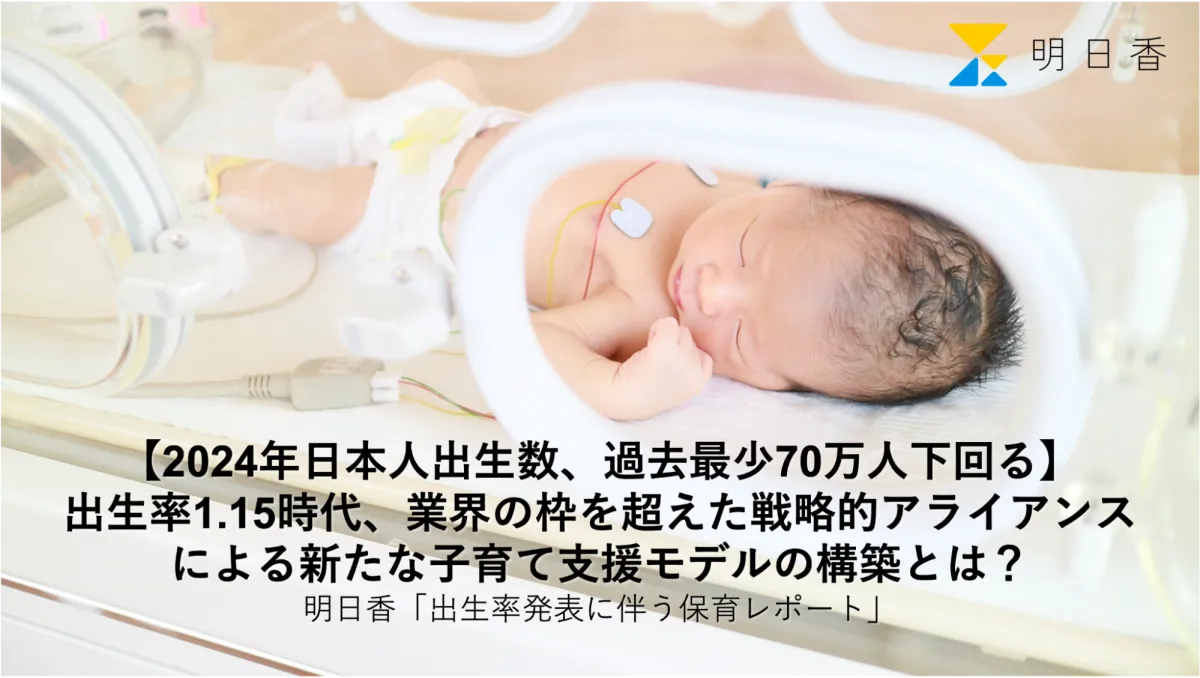
In 2024, Japan's total fertility rate fell to 1.15, signaling a critical juncture in the country’s decreasing birth rate. With births recorded at only 686,061, a decrease of 47,000 from the previous year, the implications for childcare are profound. Traditional models of childcare have proven inadequate in addressing these structural changes, putting the survival of the industry at risk.
This situation necessitates strategic alliances across various sectors, including insurance and education, to transform childcare services into a comprehensive support platform. The challenges posed by a declining population require a rethinking of societal infrastructure, and this report delves into the values and strategies essential for moving forward.
Key Findings
- - Total births amount to 686,061, marking a 47,000 drop from last year.
- - The traditional model centered around monthly childcare facilities struggles to sustain itself.
- - Other industries, like insurance and education, have begun transformations in response to social changes.
- - A collaborative approach across industries is vital for solutions.
Chapter 1: The Deepening Crisis – Direct Impacts on Childcare
1.1 Birth Rate Statistics and Their Implications
The 2024 figure of 686,061 births, a staggering 7.0% decrease year-on-year, highlights a structural change rather than a mere fluctuation. This new low continues to fall below the 2.07 birth rate needed for population maintenance.
Tokyo’s birth rate stands alarmingly at 0.96, the lowest in the country, indicating an urgent need for solutions, especially in the densely populated urban environments where childcare demand is critical. The notable decline also correlates with an alarming drop in marriage rates, which decreased by 150,000 over the past decade, highlighting the need for supporting family structures to ensure future childbirths.
1.2 Urgent Realizations by Childcare Providers
Childcare providers are feeling this crisis acutely, as the demand for services will diminish within just a few years. Unlike many other sectors, childcare directly experiences impacts from demographic changes, serving as an immediate reflection of societal dynamics. Declining occupancy rates in facilities have already begun to manifest, pushing providers to rethink their strategies for sustainability.
Predictions from the National Institute of Population and Social Security Research suggest the crisis is rapidly materializing even earlier than anticipated, indicating that business models and revenue strategies need transformational reevaluation to remain viable.
Chapter 2: Structural Limitations of Traditional Models
2.1 Stagnation in Monthly Care Models
The prevailing model for childcare, which heavily relies on occupancy and fixed revenue structures, is fundamentally flawed in the face of declining birth rates. The earnings from monthly childcare facilities hinge on maintaining targeted enrollment numbers. Consequently, as births diminish, revenues simultaneously decline, making sustainability in operations increasingly difficult.
Rigid service offerings cannot accommodate the evolving demands of diverse families, such as dual-income households' work patterns, shifting values surrounding parenting, and regional differences in childcare needs. Community-focused operations are heavily limited by declining local populations, especially in rural areas where demographic shifts further exacerbate challenges to sustainability.
Chapter 3: Successful Adaptations from Other Industries
3.1 Innovation from Sompo Japan
One innovative approach is provided by Sompo Japan’s insurance product aimed at supporting students’ return to school, launched in April 2025. This model exemplifies how addressing social challenges can create new markets within various sectors.
Rather than relying on traditional concepts of insurance, this initiative addresses educational issues directly, framing non-attendance as a risk-to-be-managed and thus providing a proactive, market-oriented solution. This dynamic illustrates a roadmap to forge new markets by transcending traditional industry boundaries.
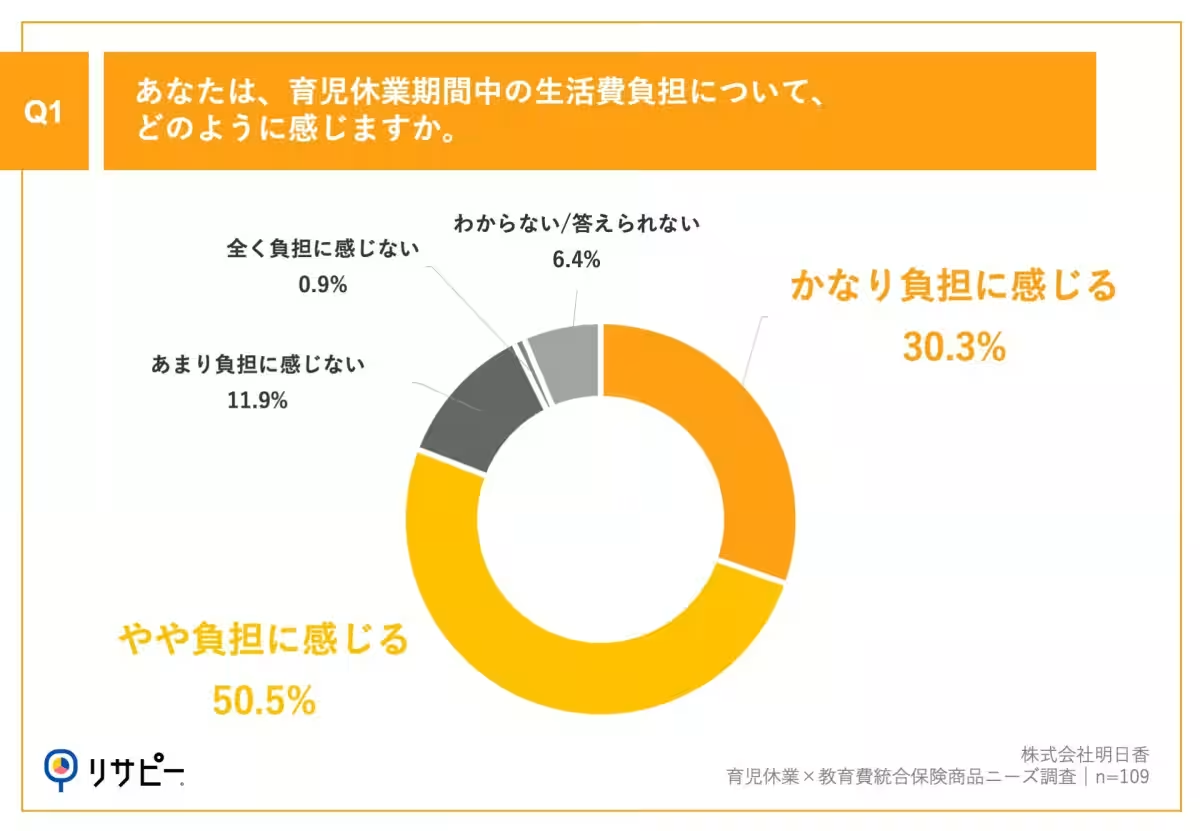
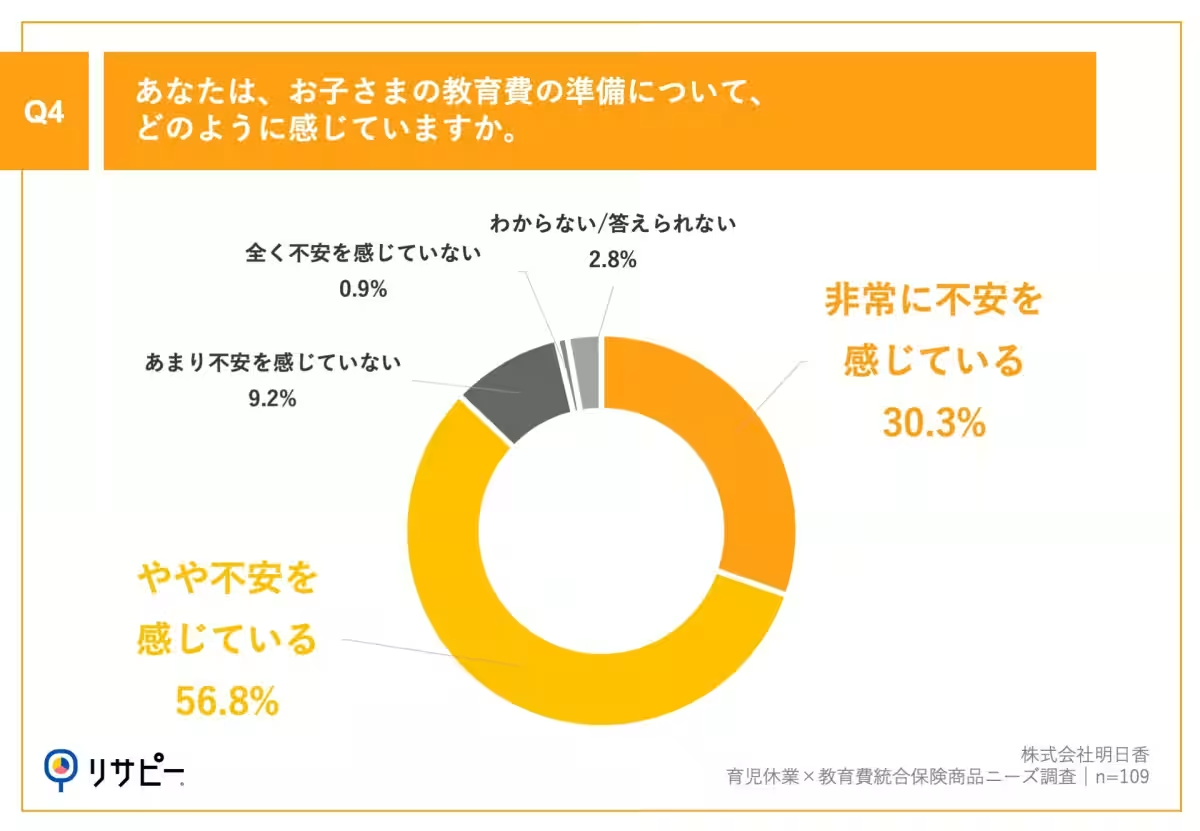
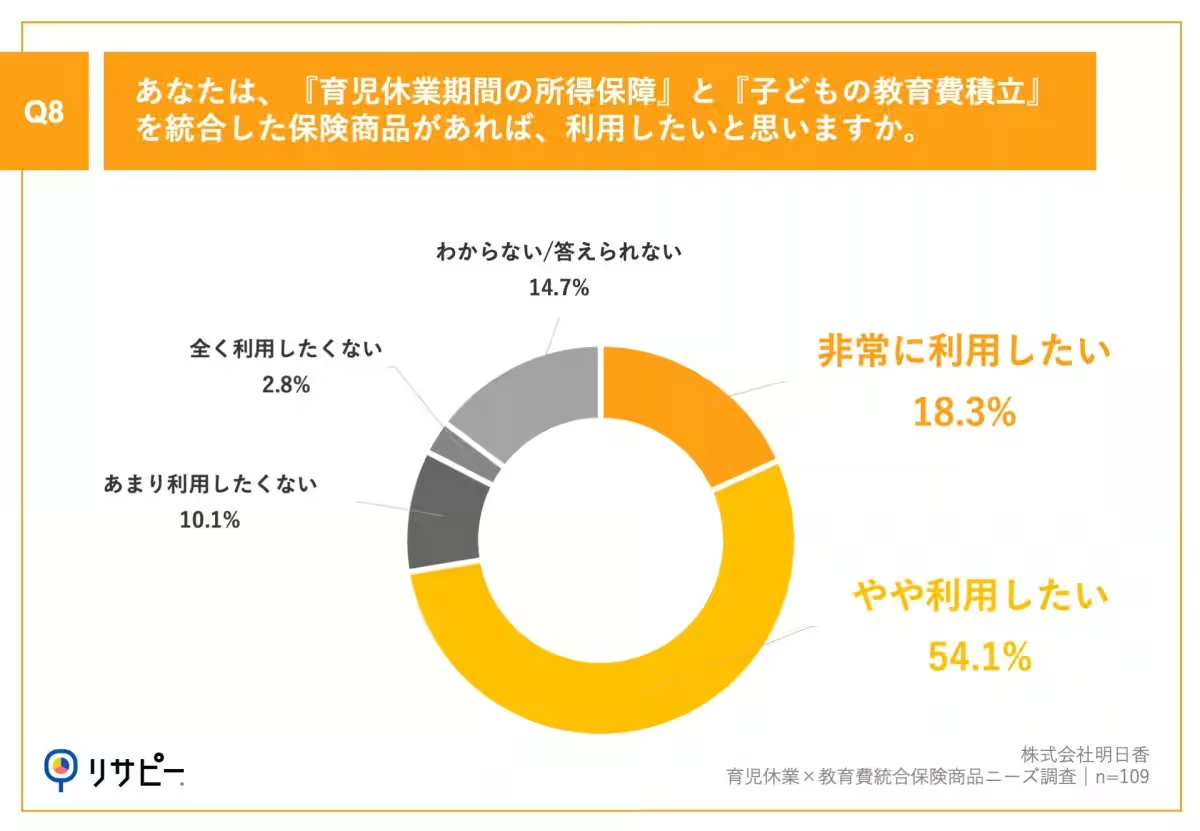
In childcare, collaborative insurance products could be designed to address multiple risks parents face, such as accidents during childcare or educational savings provisions. The integration and visibility of parental needs could serve to relieve anxiety surrounding childcare costs.
3.2 Strategic Change at Mukogawa Women’s University
Mukogawa Women’s University’s decision to transition to co-education by 2027 illustrates the importance of strategic change during favorable economic conditions. A proactive shift to adapt to the realities of a declining birthrate demonstrates the need for foresight in responding to challenges before they become critical.
Chapter 4: Analyzing Structural Challenges Surrounding Marriage and Birth
4.1 The Impact of Decreasing Marriage Rates
The strong correlation between marriage and childbirth rates indicates that without rising marriage numbers, birth rates are unlikely to improve. The critically low non-marital birth rate in Japan signifies a dependency on marriage for childbearing. Given that marriage has dropped by 150,000 unions over the past decade, the ramifications for future birth rates are substantial, exacerbated by factors such as economic instability and shifting societal values.
4.2 Financial Barriers in Marriage Support Services
The current structure of marriage consulting services reveals systemic issues due to high costs and ineffective matching processes, often leading to poorer outcomes for potential couples looking to marry. Ongoing financial burdens can discourage participation in these services, further compounding the issue.
Chapter 5: The Mission of Childcare Providers in an Era of 1.15 Birth Rate
The future of the childcare industry, now at a critical juncture, rests on its ability to adapt through strategic alliances, mirroring innovative transformations seen in other industries. As the 2024 birth rate remains a stark reminder of the pressing challenges ahead, it positions the childcare sector as pivotal in reshaping societal support structures while innovating solutions for sustainable growth.
In conclusion, the challenges presented by a birth rate of 1.15 signify both a crisis and an opportunity for the childcare sector to collaboratively create value that benefits society as a whole. Transformational strategies must be embraced to enhance the caregiving landscape and ensure a brighter future for generations to come.
Topics People & Culture)

【About Using Articles】
You can freely use the title and article content by linking to the page where the article is posted.
※ Images cannot be used.
【About Links】
Links are free to use.