




The Rise of Quiet Resignation and Side Jobs Among Young Employees in Japan
Understanding Quiet Resignation in Modern Work Culture
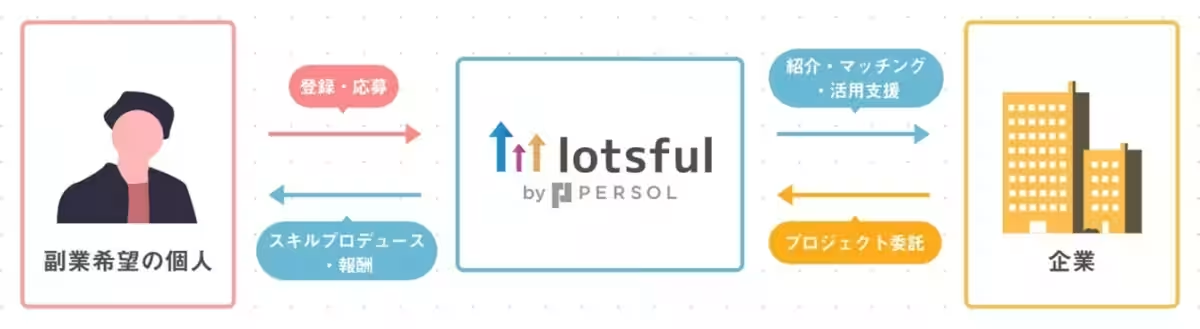
In recent times, the term 'quiet resignation' has gained traction, particularly among younger professionals in Japan. PERSOL Innovation Inc.'s 'lotsful' service has conducted a comprehensive survey to assess the rise of this phenomenon and its implications for workers engaging in side jobs. With a vision to 'work and smile,' lotsful aims to connect individuals seeking side job opportunities in order to help them achieve a better work-life balance without sacrificing their core career.
Defining Quiet Resignation
Quiet resignation refers not to an actual resignation from one's job but rather to a shift in mindset where employees focus on fulfilling their current role without striving for promotions or additional responsibilities. This perspective is defined in the survey as completing only the essential tasks and stepping back from the relentless pursuit of advancement and recognition in their careers.
Survey Findings
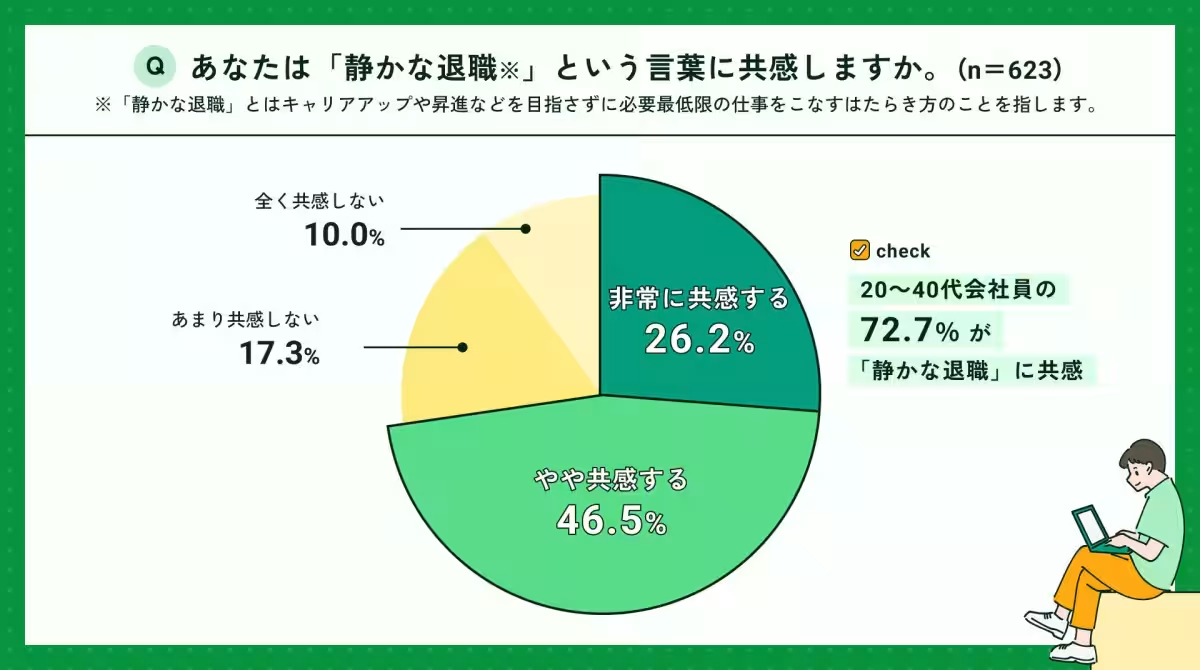
The survey revealed some compelling trends about quiet resignation, especially among employees with less than five years of tenure. A significant 72.7% of respondents expressed some level of agreement with the idea of quiet resignation, indicating a noteworthy societal shift towards prioritizing personal well-being over traditional career ambitions.
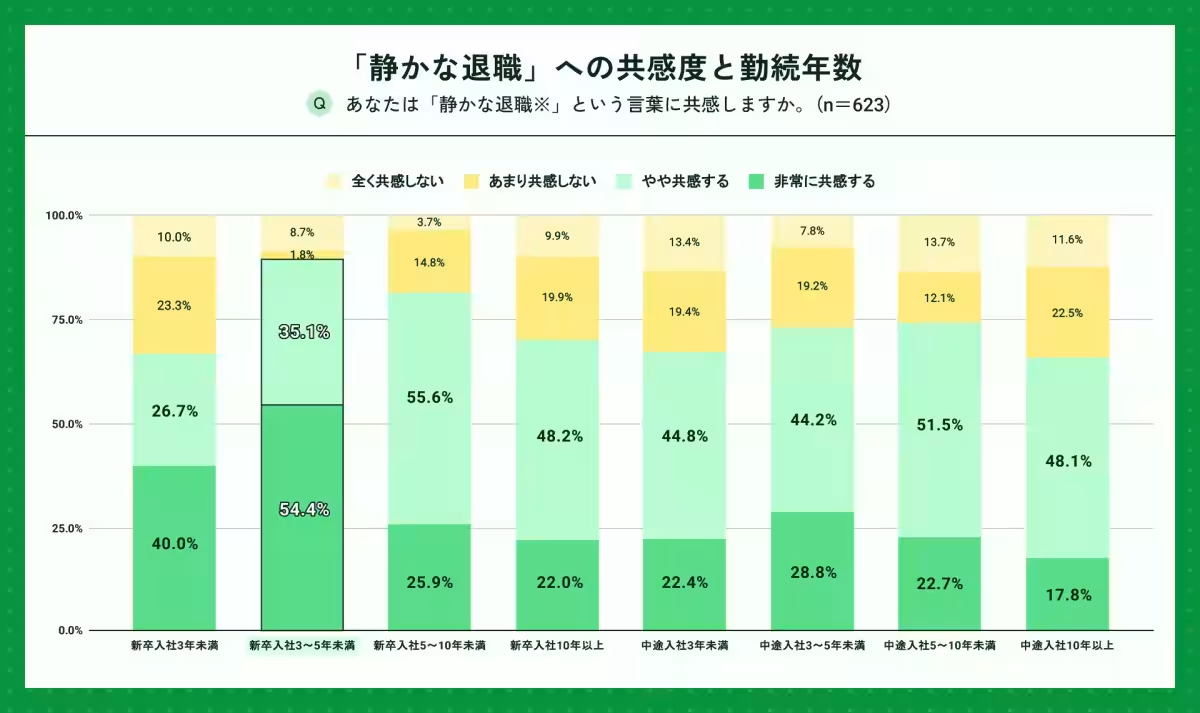
Among those who had been with their company for three to five years, an impressive 89.5% resonated with the concept. This reflects a growing sentiment among younger employees who feel disillusioned by the one-sided pursuit of professional success.
Work-Life Balance vs. Career Advancement
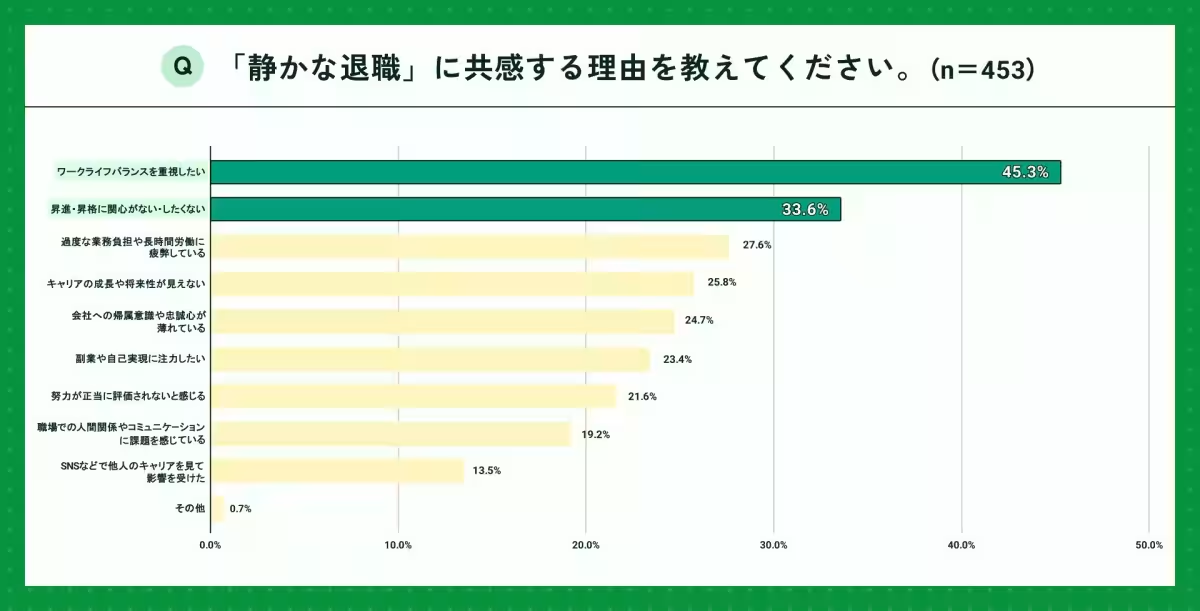
One of the primary reasons cited for supporting quiet resignation is the desire for a better work-life balance, cited by 45.3% of participants. In contrast, only 37.4% of those surveyed indicated a desire to pursue promotions or advancements, underscoring a significant decline in interest surrounding traditional career paths.
This trend suggests that many employees are reassessing their interpretations of success and recognizing the potential burdens of managerial responsibilities. Many seek to distance themselves from conventional career frameworks and find more personal fulfillment through alternative employment options.
The Growing Adoption Among Young Employees and Women
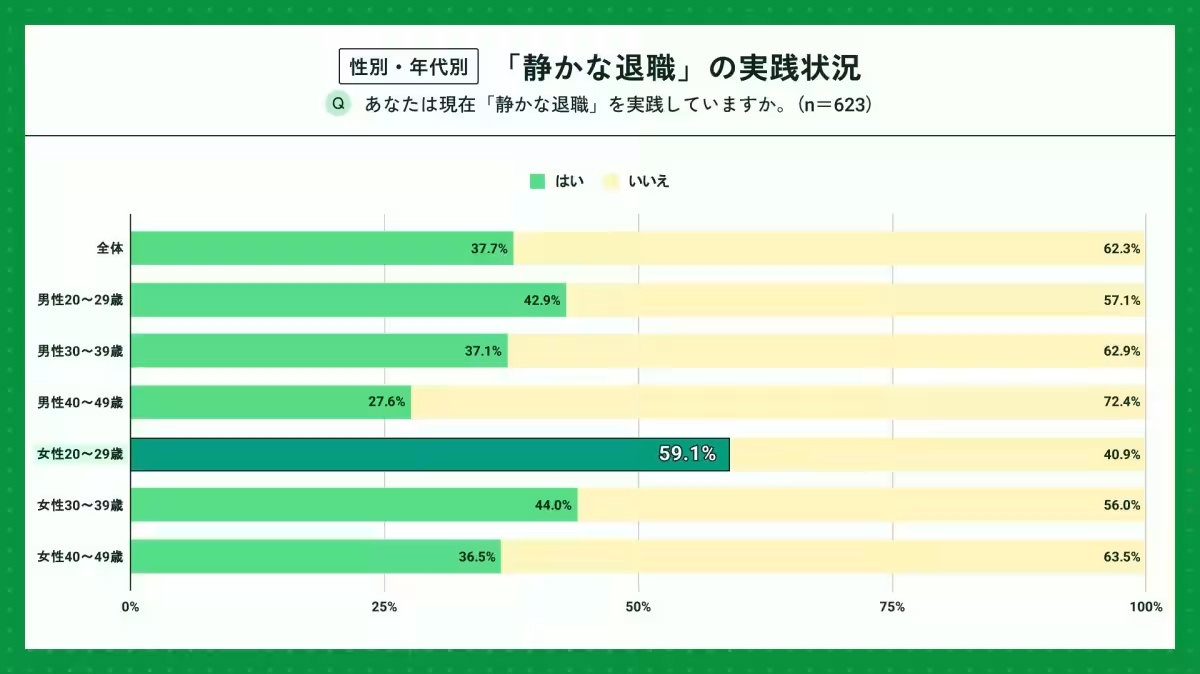
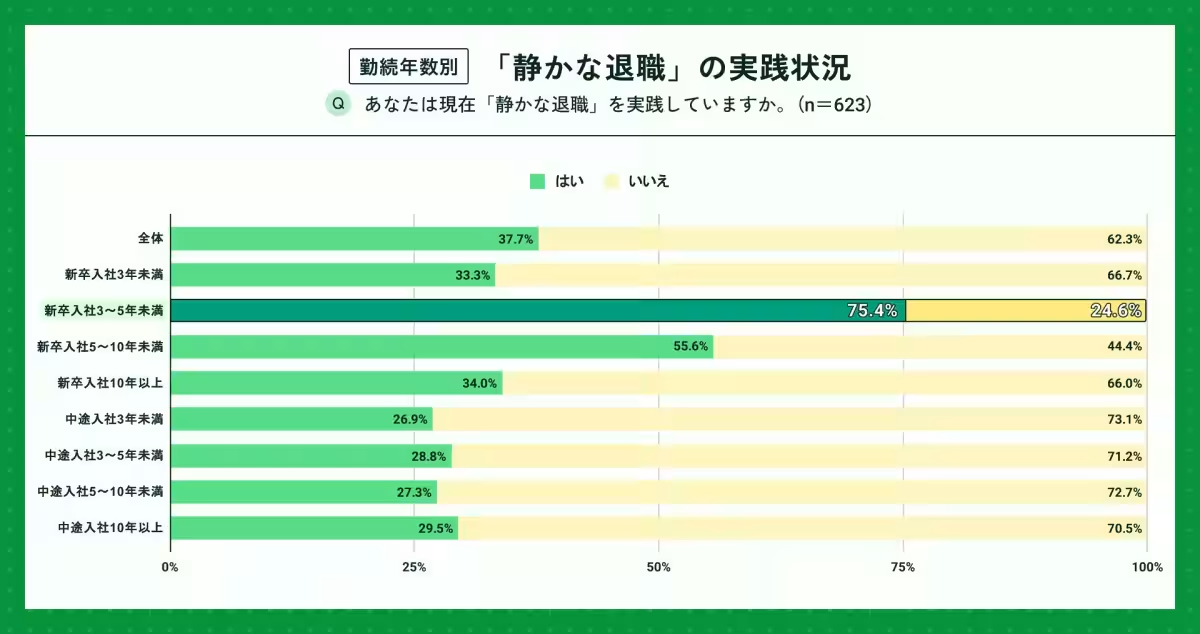
As of now, 37.7% of respondents reported actively practicing quiet resignation, with the greatest proportions found among women in their twenties, followed closely by women in their thirties and men also in their twenties. Among employees who have been with their organizations for three to five years, 75.4% have embraced this more tempered approach to work, suggesting that this mindset is increasingly becoming a norm among younger generations.
What Employees Seek
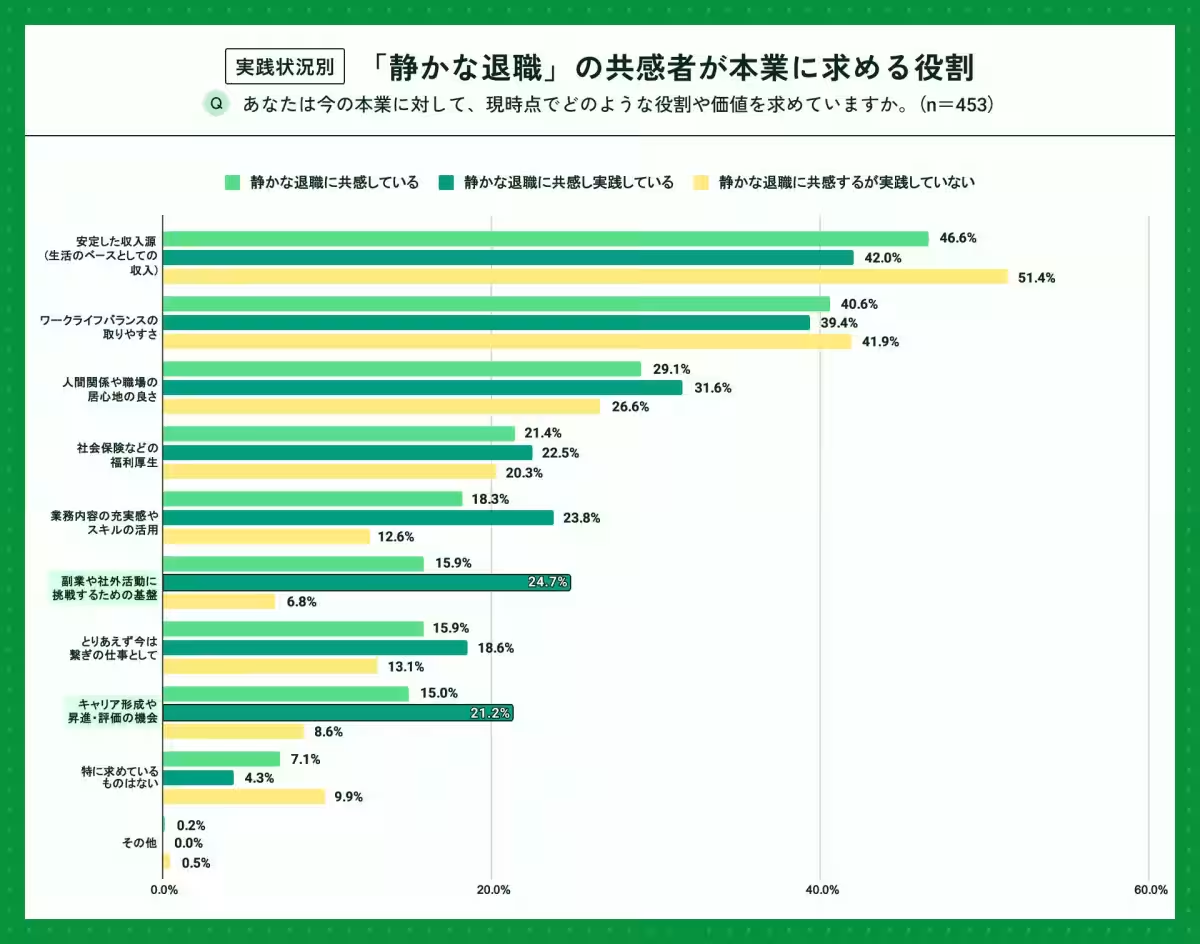
For those who resonate with quiet resignation, the primary expectation from their current jobs is stable income (46.6%), followed closely by the ability to maintain a favorable work-life balance (40.6%). Those who practice quiet resignation tend to perceive their primary employment as a foundation for engaging in side jobs or external activities, showcasing a strategic approach to their career trajectory.
Positive Outcomes from Quiet Resignation
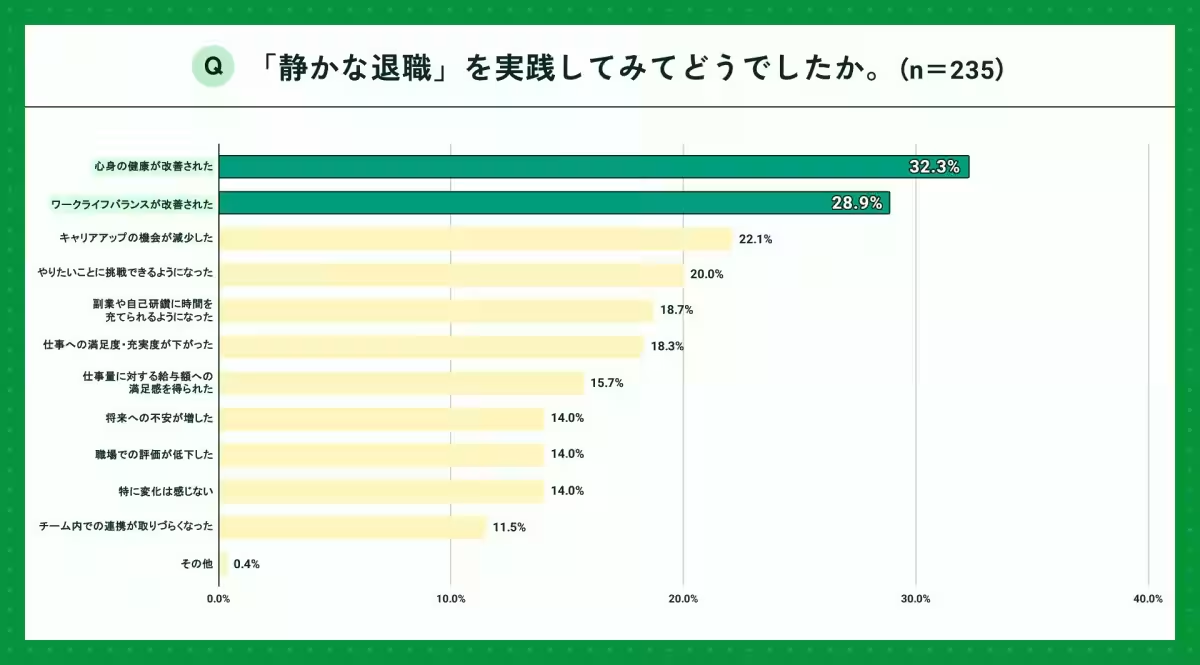
Feedback from those practicing quiet resignation indicates numerous positive changes in their lives. A reported 32.3% noted improvements in their physical and mental health, while 28.9% appreciated better work-life balance. This highlights how opting for career paths aligned with personal values can lead to achieving intended well-being.
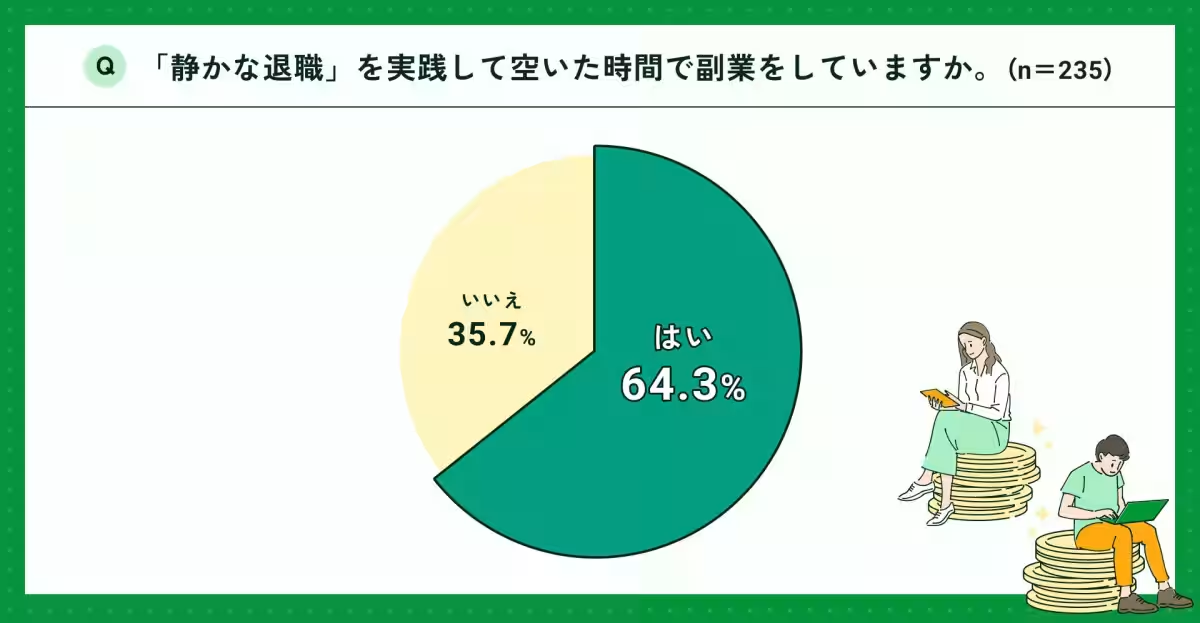
Furthermore, 64.3% of respondents indicated that they utilize the time they save from a less demanding job role effectively for side jobs or other external ventures, suggesting a proactive and strategic attitude towards their career development.
Reassessing Main Employment Roles
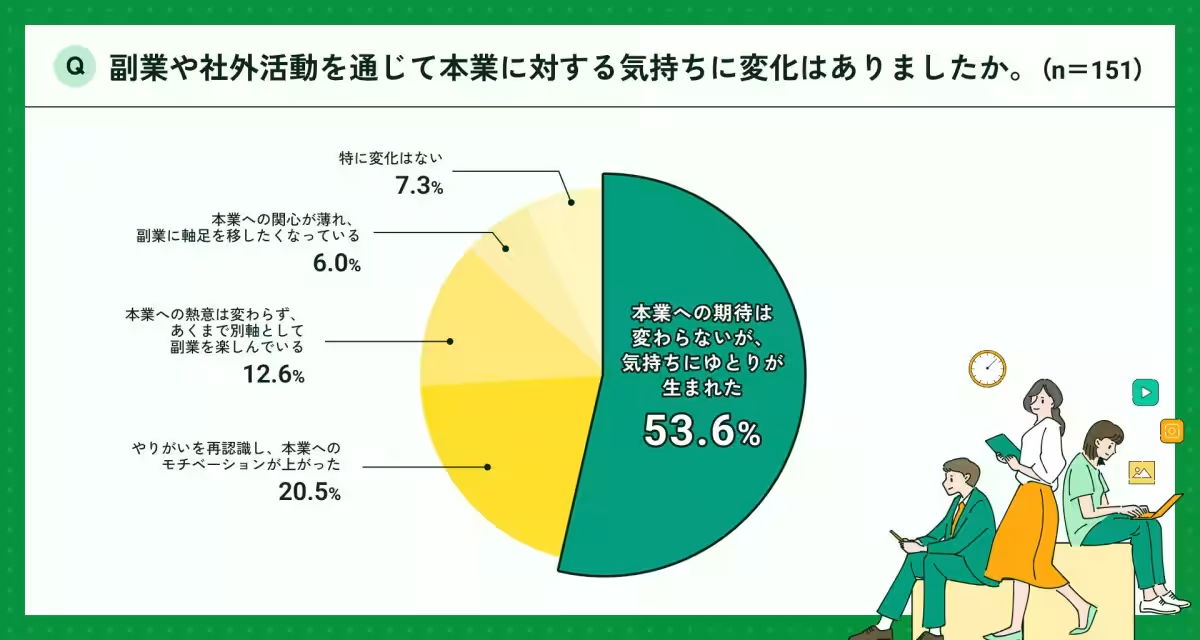
Among those engaged in side work, 53.6% reported that while their expectations from their main job remained unchanged, the approach towards their main employment had shifted towards one of greater ease and flexibility. A significant 20.5% also found renewed motivation in their main job through their side activities. This indicates that quiet resignation can lead to a more sustainable and healthier relationship with their work.
Final Thoughts
Midor Tanaka, CEO of lotsful Company, highlights that quiet resignation, often perceived negatively, should be seen as an active choice to approach work authentically. Particularly among younger generations, there is a clear departure from traditional career models, prompting companies to adapt policies that recognize and support various career aspirations. Lotsful remains committed to expanding opportunities for diverse talents to work in ways that resonate with their personal values and career objectives, ensuring a progressive shift in the working landscape.
About 'Lotsful'
PERSOL Innovation's lotsful service aims to connect businesses and individuals looking to optimize their career paths through freelance and part-time opportunities, fostering a more fulfilling work-life balance for all employees. With over 2,000 partnered companies, lotsful has facilitated numerous engagements that reflect the changing dynamics of the job market in Japan.
By providing a platform for side job opportunities, lotsful recognizes the evolving desires of the workforce as they aim to balance traditional employment with individual aspirations and lifestyles.


Topics People & Culture)
【About Using Articles】
You can freely use the title and article content by linking to the page where the article is posted.
※ Images cannot be used.
【About Links】
Links are free to use.