



Supporting Biodiversity Through Japanese Honey from Saga's Natural Coexistence Site
Supporting Biodiversity with Japanese Honey
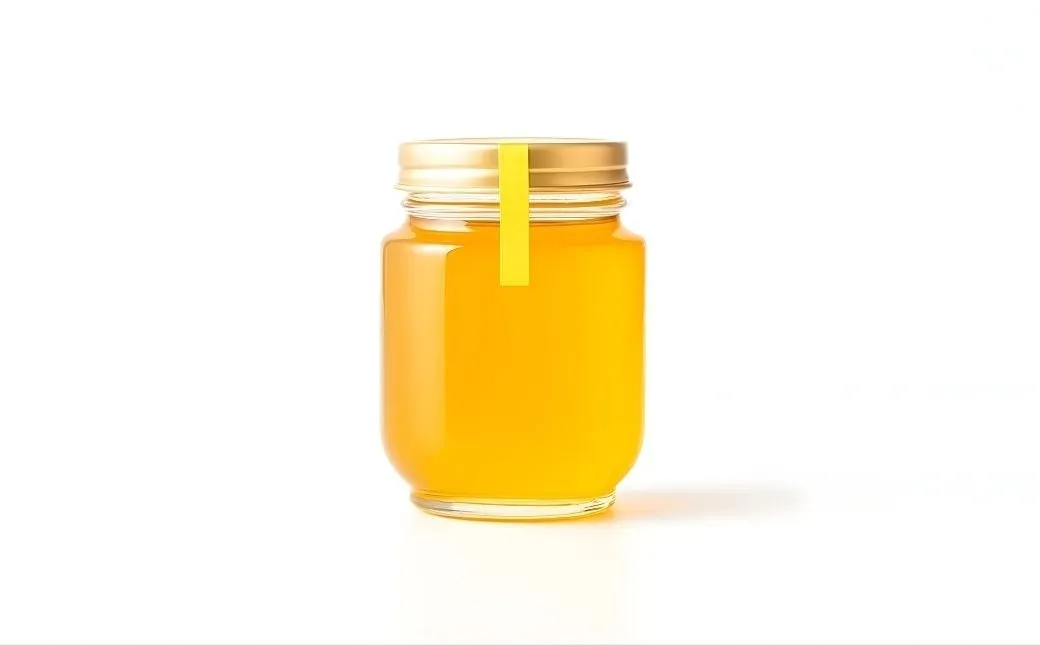
In the picturesque Saga Prefecture, Japan, an initiative champions biodiversity and education through the collection of honey from the indigenous Japanese honeybee. The initiative is part of the "KARATSU Farm & Food" non-profit organization, located in Karatsu City. This honey, packaged in a 150g jar, comes from the designated natural coexistence site (OECM) known as the Yokomakura area in Ochi Town, Saga. This remarkable honey is offered as a return gift for contributions through the hometown tax system, a program that encourages donations to local communities.
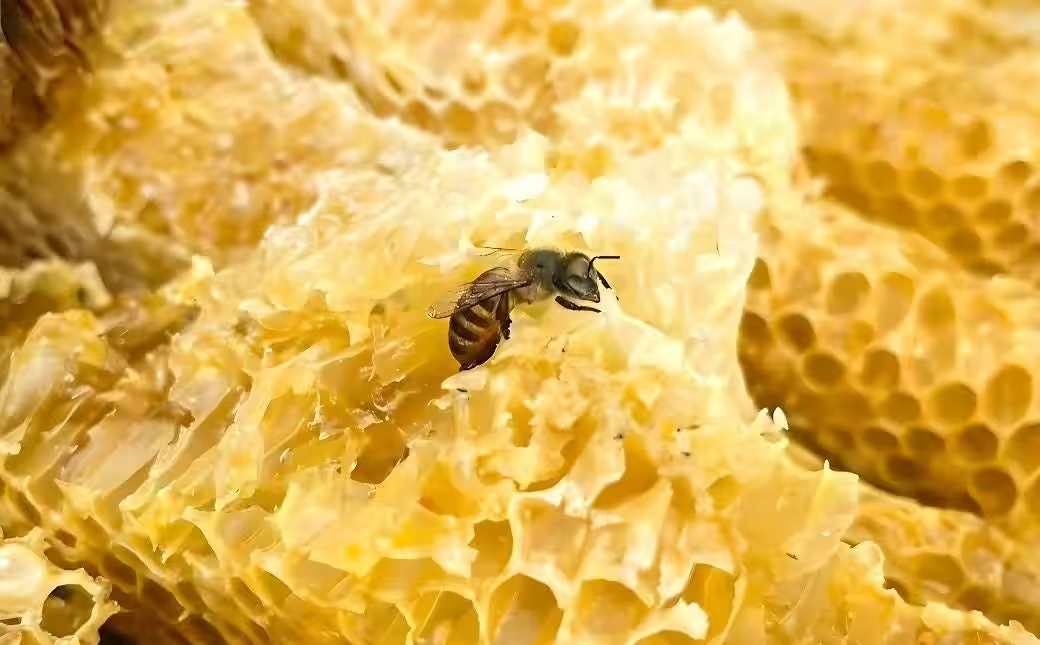
The Yokomakura area is recognized for its vibrant satoyama environment where rice fields, waterways, and forests converge. Here, various plants bloom with the changing seasons, providing a flourishing habitat for the Japanese honeybee, a native species known for its adaptability. The honey produced is a blend from multiple flowers, embodying a gentle sweetness and a complex aroma, distinguishing it as a unique nectar known as multi-flower honey.
The Karatsu Honeybee Project
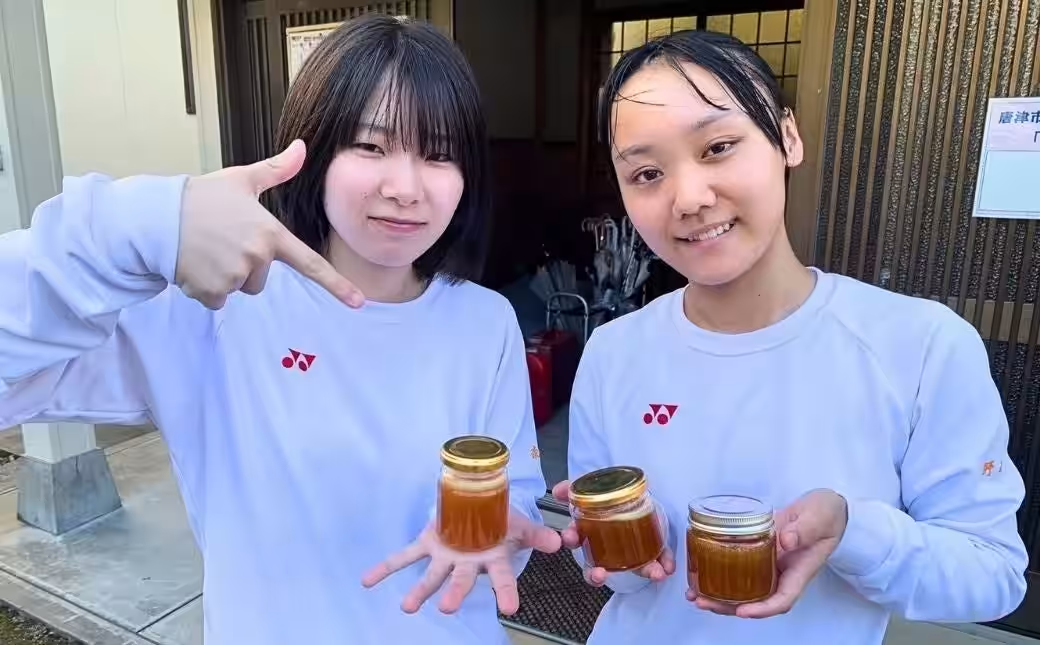
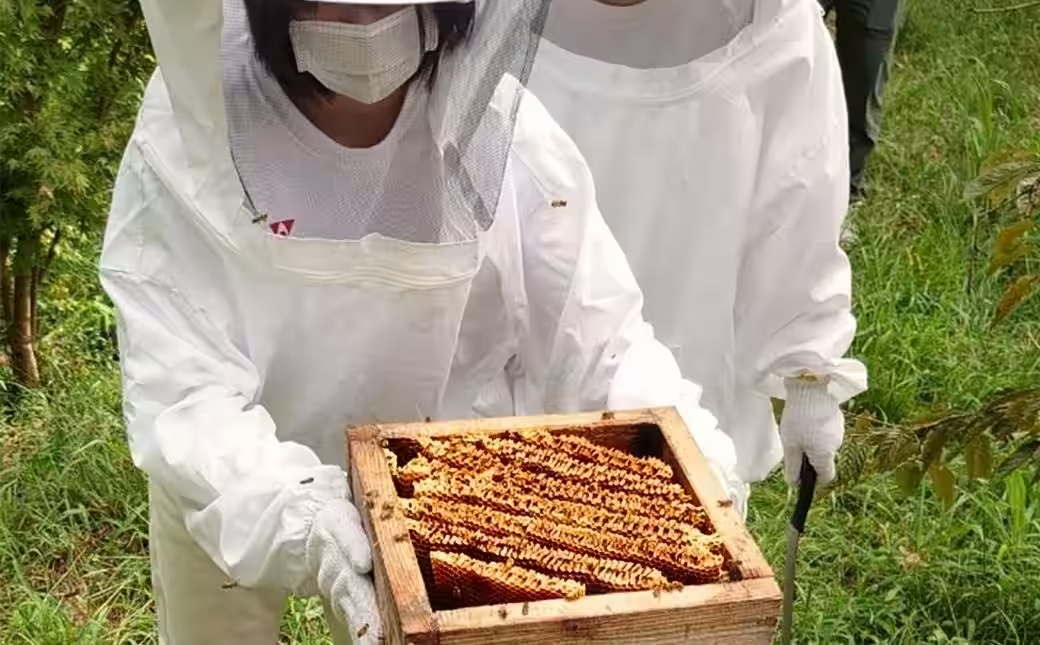
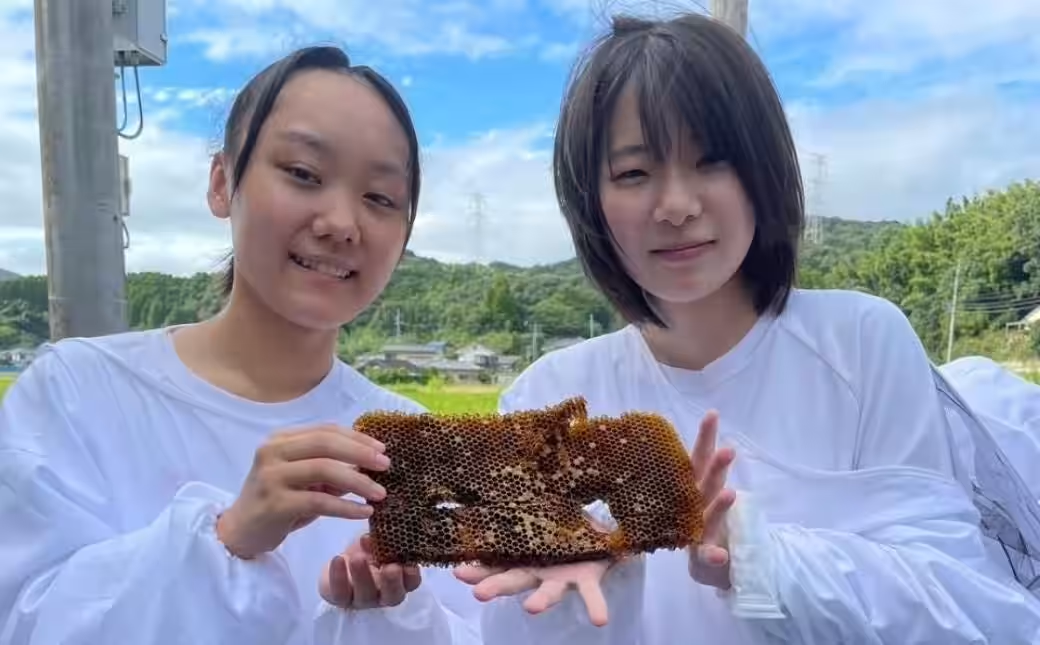
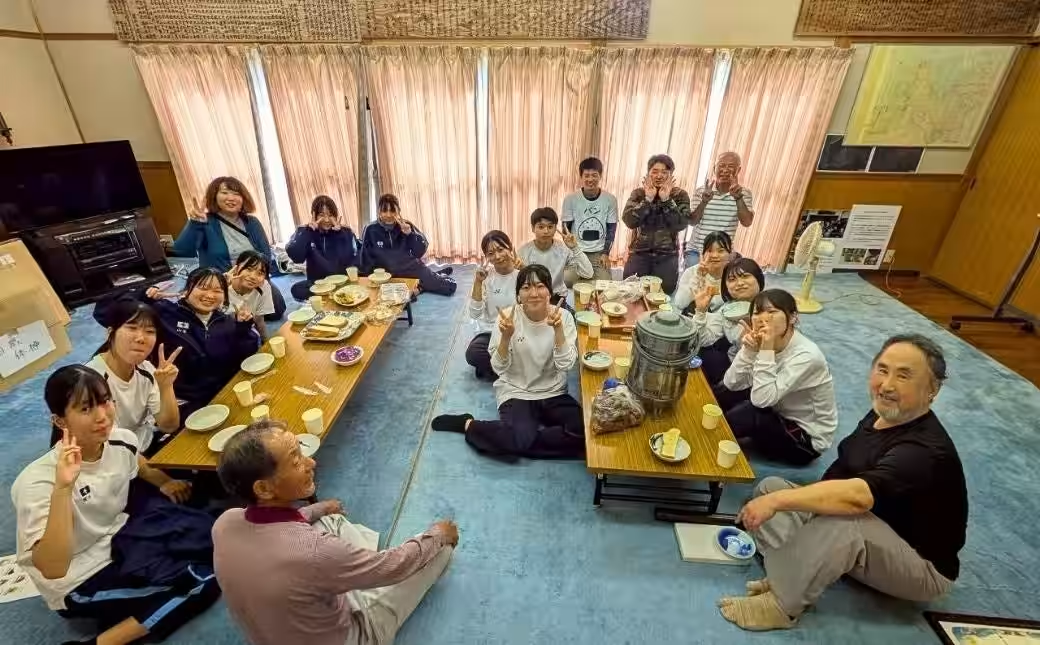
The honey is not merely a delicious treat; it symbolizes a broader initiative—the "Karatsu Honeybee Project." This collaborative effort involves local community members and high school students from Karatsu Minami High School. The students learn through hands-on experiences, engaging in activities such as constructing beehives and harvesting honey, all while understanding the intricate connections of ecological systems. This project highlights how small creations like the honeybee can convey the value of nature’s cycles and the importance of preserving satoyama environments for future generations.
In the Yokomakura area, students participate in honey harvesting, working alongside community members to cultivate their understanding of beekeeping and environmental stewardship. This practical involvement fosters a sense of pride and commitment to the preservation of their local environment, a vital step in maintaining biodiversity.
The Value of Japanese Honey
What makes Japanese honey particularly special? The Japanese honeybee is well adapted to the traditional countryside but is challenging to rear, resulting in limited honey production. The nectar gathered is from a variety of flowers, resulting in seasonal variations in flavor and aroma. Each batch of honey represents a unique experience, with no two tastes being the same—truly a moment to be cherished.
This honey is not just an addition to your toast or yogurt; it enhances teas, enriches dishes, and serves as a delightful ingredient for desserts. The educational experiences of Karatsu Minami High School students contribute not only to their growth and learning but also to the preservation of their local ecosystem.
Supporting Local Initiatives
The offering of this honey serves a dual purpose. Contributions made through the hometown tax system help sustain local biodiversity initiatives managed by the KARATSU Farm & Food organization. These funds are allocated to:
- - The conservation and maintenance of satoyama, waterways, and forests
- - Creating and monitoring environments that coexist with local wildlife
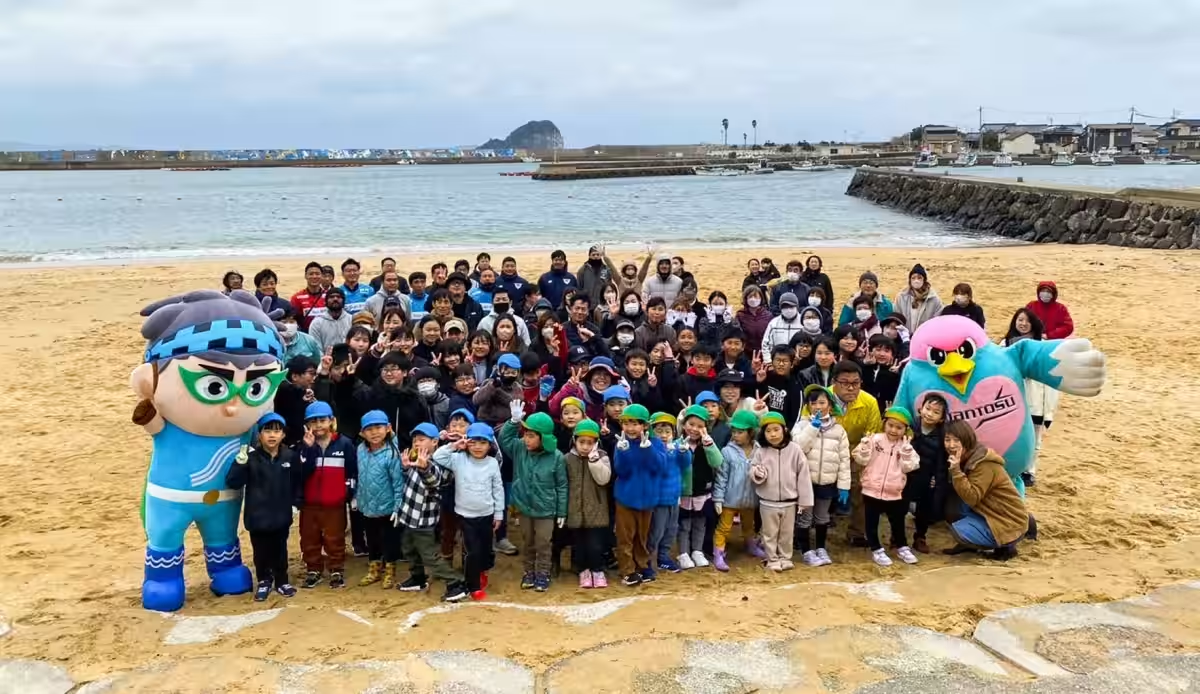
- - Facilitating environmental education and experiential learning for students and children
- - Promoting sustainable practices and utilizing local resources
Choosing this honey means supporting both the preservation of the satoyama and the educational efforts that equip the next generation with knowledge about their natural heritage. The ties formed through these endeavors help nurture community bonds and foster a collective commitment to protecting their environment.
Conclusion
In conclusion, the Japanese honey from the Yokomakura natural coexistence site is not just a sweet addition to your pantry; it represents a unique harmony between nature and education, a product of dedicated community efforts aimed at preserving biodiversity and enriching learning experiences for local youth. By selecting this special honey, you are contributing to an ecosystem that values education and sustainability, making a positive impact on the environment and the community of Karatsu.
Topics Consumer Products & Retail)
【About Using Articles】
You can freely use the title and article content by linking to the page where the article is posted.
※ Images cannot be used.
【About Links】
Links are free to use.