



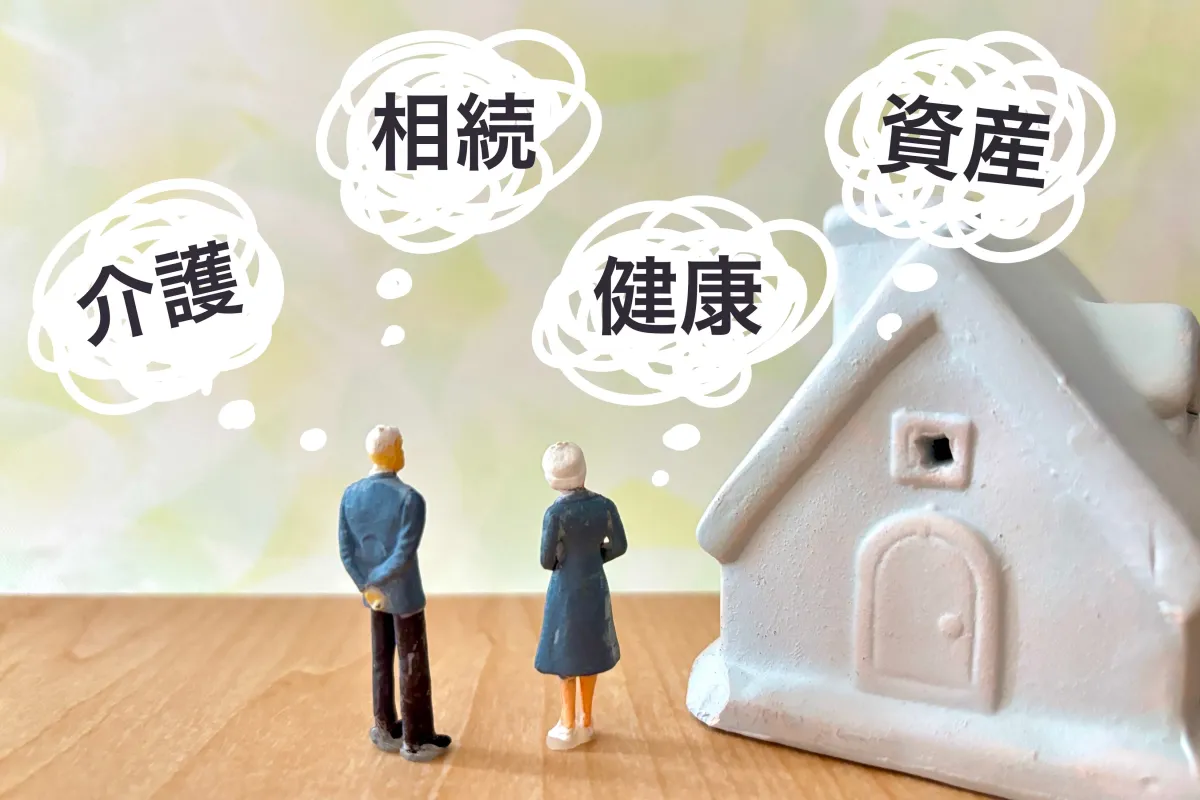
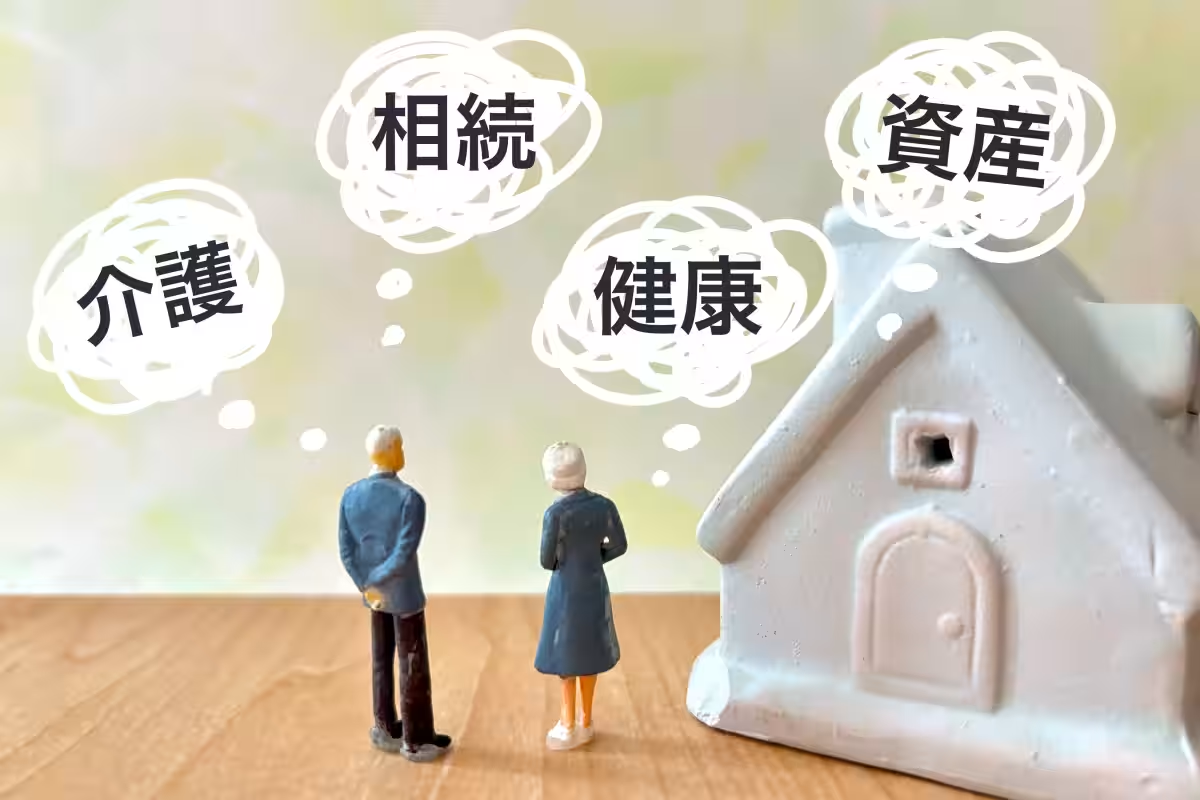
Assessing the Need and Implementation of 'End-of-Life' Planning in Japan
Understanding 'End-of-Life' Planning in Japan
The concept of 'end-of-life' planning, or 終活 (shūkatsu), has become increasingly relevant as more individuals aim to spend their later years in a meaningful manner. A survey conducted by the Asahi Shimbun’s Re-Life Project targeted members aged 50 and above from their community to gather insights on public sentiment regarding shūkatsu.
Survey Overview
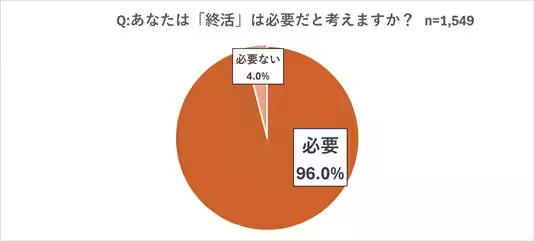
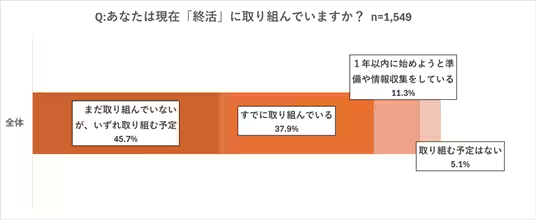
Between May and June, a total of 1,549 respondents, primarily aged between 50 to 70 years, provided feedback on their perceptions and involvement in end-of-life planning. Strikingly, a resounding 96% acknowledged that such planning is necessary. However, only 37.8% reported that they are actively conducting such planning.
This discrepancy indicates a gap between awareness and actual practice, although 57% expressed a desire to engage in end-of-life preparations in some capacity.
Family Conversations About End-of-Life Planning
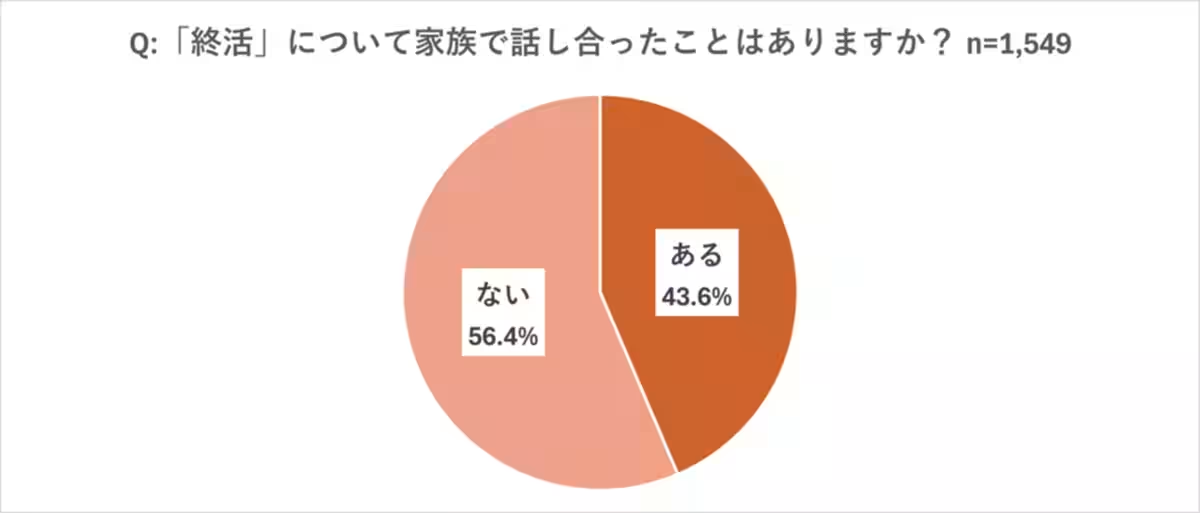
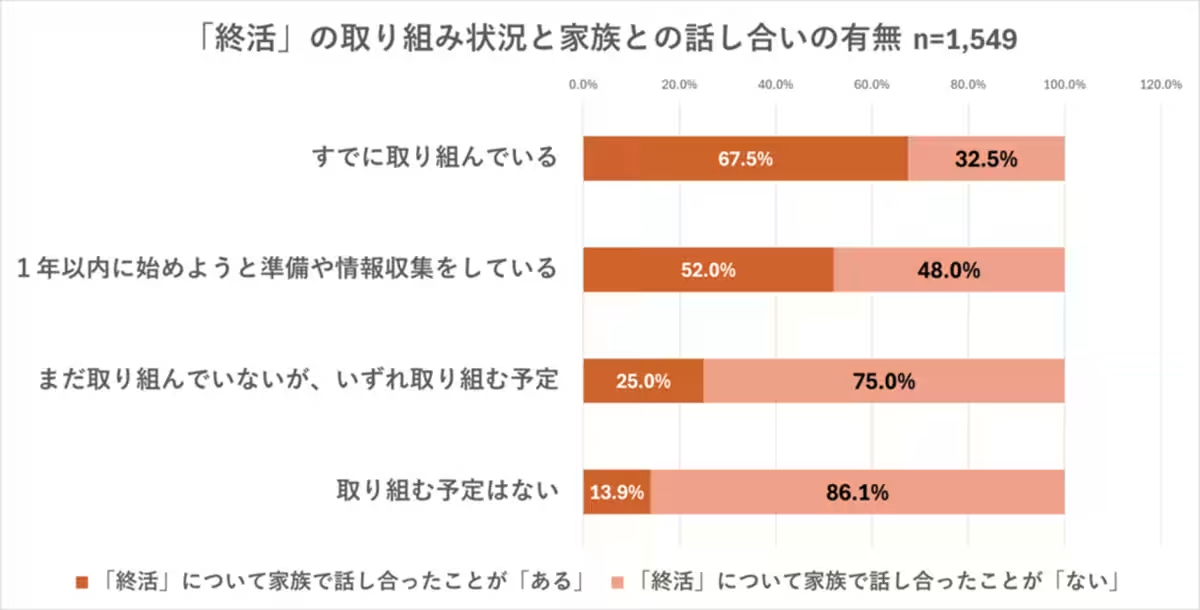
When it comes to discussing end-of-life topics with family, only 43.6% of participants had engaged in such conversations, which suggests that many families are still hesitant to address these important issues. Among those currently involved in end-of-life activities, only 67.5% have had discussions with family members.
The findings highlight a missed opportunity for families to openly communicate about expectations, wishes, and practical arrangements, which could alleviate future burdens.
Primary Activities in Shūkatsu
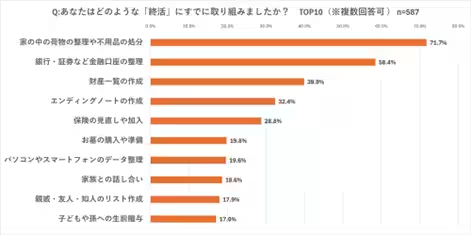
The survey identified the most common activities undertaken by individuals involved in end-of-life planning:
- - 71.7% are involved in clearing out belongings and disposing of unnecessary items.
- - 58.4% focus on organizing their financial accounts.
- - 39.9% create comprehensive lists of their assets.
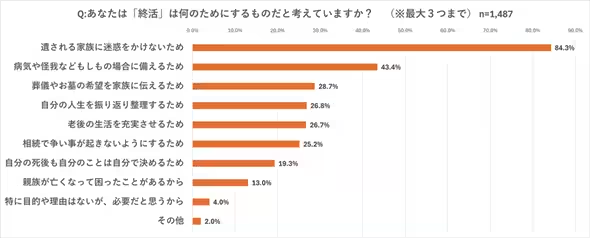
Managing possessions and finances is essential, with the underlying motivation being a concern to not impose burdens on surviving family members. In fact, a substantial 84.3% of respondents cited this as their primary reason for engaging in shūkatsu.
Motivations Behind End-of-Life Planning
The motivations behind shūkatsu are diverse:
- - 84.3% aim to avoid causing inconvenience to family.
- - 43.4% wish to prepare for unforeseen medical situations.
- - 28.7% intend to communicate preferences for funeral arrangements to their families.
These motivations suggest a sense of responsibility felt by many towards their loved ones, emphasizing the sentiment that end-of-life planning is often more about supporting family members than personal desires.
Open Perspectives on the Future
The survey also included free-response answers that revealed the depth of personal reflections on shūkatsu. For example, one respondent mentioned wanting to utilize their limited time for personal enjoyment and to prepare a modest financial plan to ease the burden on their children. Another participant highlighted the chaotic experience they faced after losing their parents, which motivated them to take charge of their own estate management.
Others, however, expressed anxiety about discussing death and shūkatsu, preferring instead to focus on living in the present without anxiety about their eventual departure from this world.
Conclusion
The Re-Life Project's survey paints a comprehensive picture of shūkatsu awareness and practice among older adults in Japan. While the majority recognize the importance of planning, the actual implementation falls short due to familial communication barriers and personal anxieties.
As society progresses, fostering open dialogues about shūkatsu can create supportive environments that empower individuals to take charge of their end-of-life arrangements, ultimately benefiting them and their families.
For more information about the Re-Life Project and its initiatives, visit Re-Life.net.
Topics People & Culture)


【About Using Articles】
You can freely use the title and article content by linking to the page where the article is posted.
※ Images cannot be used.
【About Links】
Links are free to use.