



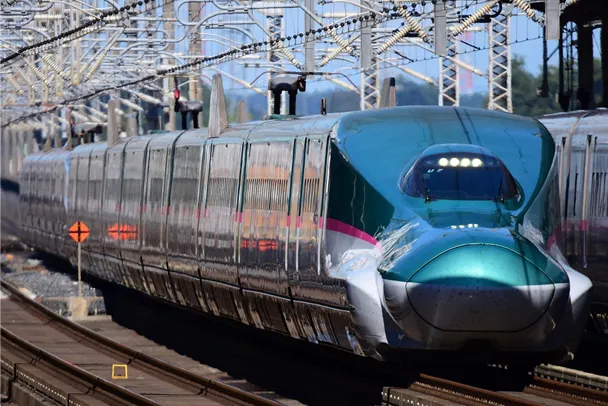
Significant Changes to Train Schedules in March 2026 by JR East
Comprehensive Overview of JR East's March 2026 Timetable Changes
JR East is set to roll out a series of substantial scheduling changes in March 2026, specifically on March 14. This update will see enhancements to various train services, including the Tohoku Shinkansen and other lines, responding to usage patterns and customer needs. Here’s a detailed breakdown of what to expect:
Major Changes Planned
1. Increased Service on the Tohoku Shinkansen
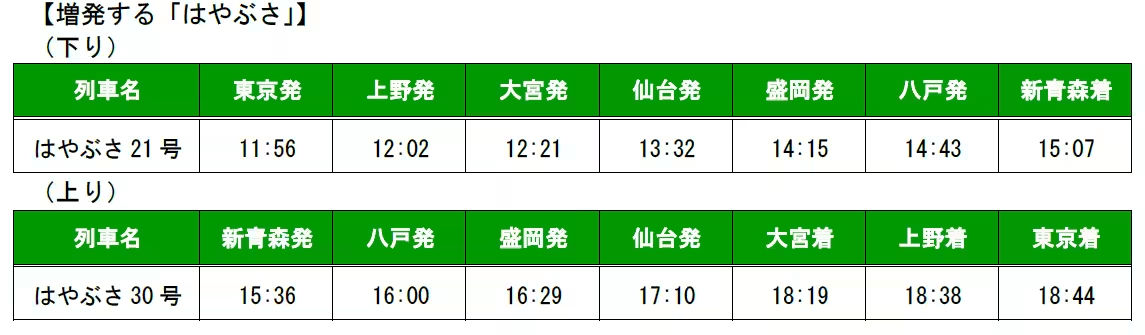
- The ‘Hayabusa’ service will see more frequent trains added during the busy morning hours from Tokyo. This means travelers can expect two or more ‘Hayabusa’ trains per hour from 7 AM to 11 AM. Moreover, the starting point for the evening service from Morioka to Tokyo will shift from Tokyo Station to Shin-Aomori Station, facilitating easier access for both business and leisure travelers in the Tohoku region.

2. Time Reduction for Tohoku and Yamagata Shinkansen ‘Tsubasa’
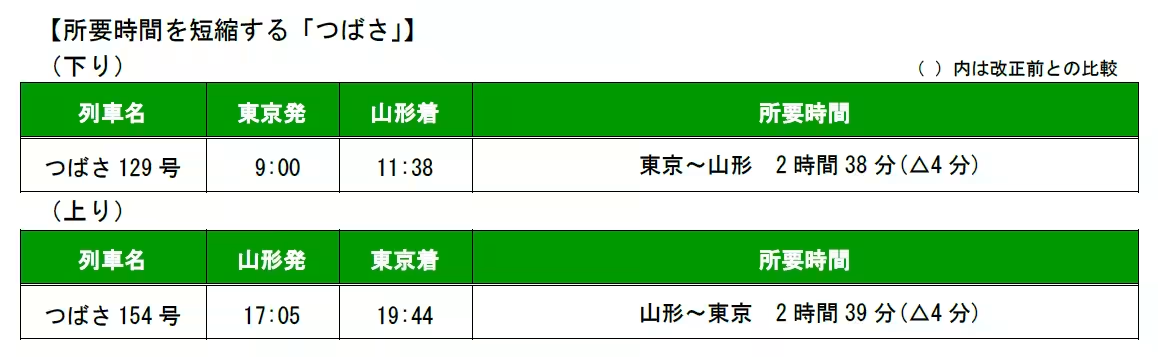
- The ‘Tsubasa’ will be unified to the new E8 series, allowing certain segments to increase speeds from 275 km/h to 300 km/h, which will effectively shorten travel times along the Utsunomiya to Fukushima stretch.

3. Enhanced North Hokuriku Shinkansen ‘Kagayaki’ Service
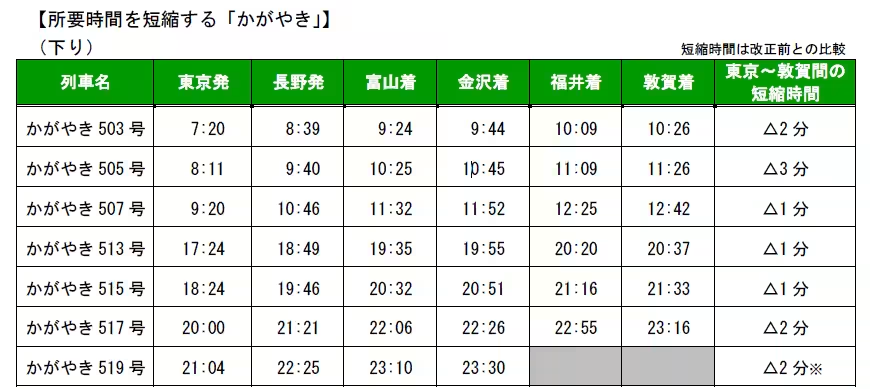
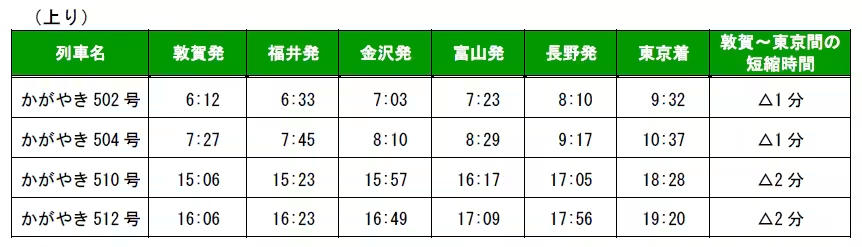
- The ‘Kagayaki’ line is set to benefit from improved travel times between Tokyo and Tsuruga. The fastest routes will be streamlined to reduce the travel time to 2 hours and 49 minutes from Tokyo to Fukui, and 3 hours and 6 minutes to Tsuruga. Additionally, the final ‘Kagayaki’ departure from Tokyo will be pushed from 7 PM to 8 PM, granting passengers additional time to enjoy the capital before heading to their destinations.

4. Revising Operational Routes for ‘Yamabiko’
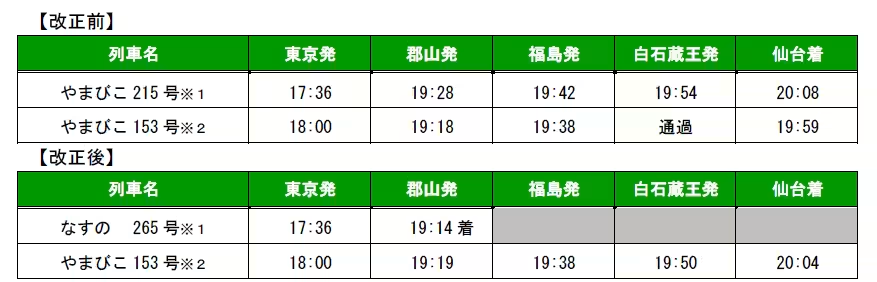
- The operational route of the ‘Yamabiko 215’ will transition from Tokyo to Sendai, opting instead to operate from Tokyo to Koriyama based on passenger usage data. Connections to the ‘Tsubasa 153’ at Koriyama will ensure that passengers continue to enjoy a seamless journey.
5. Adjustments for Nighttime Operations on the Tohoku and Joetsu Shinkansen
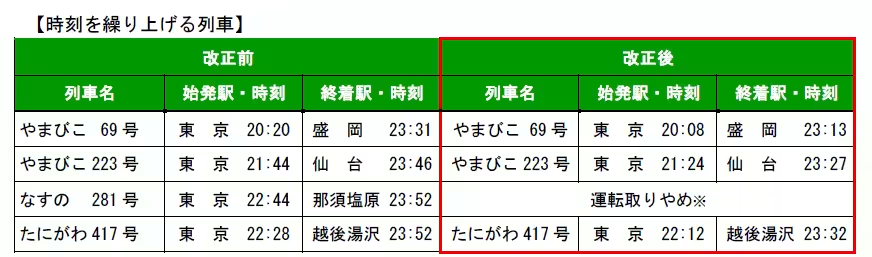
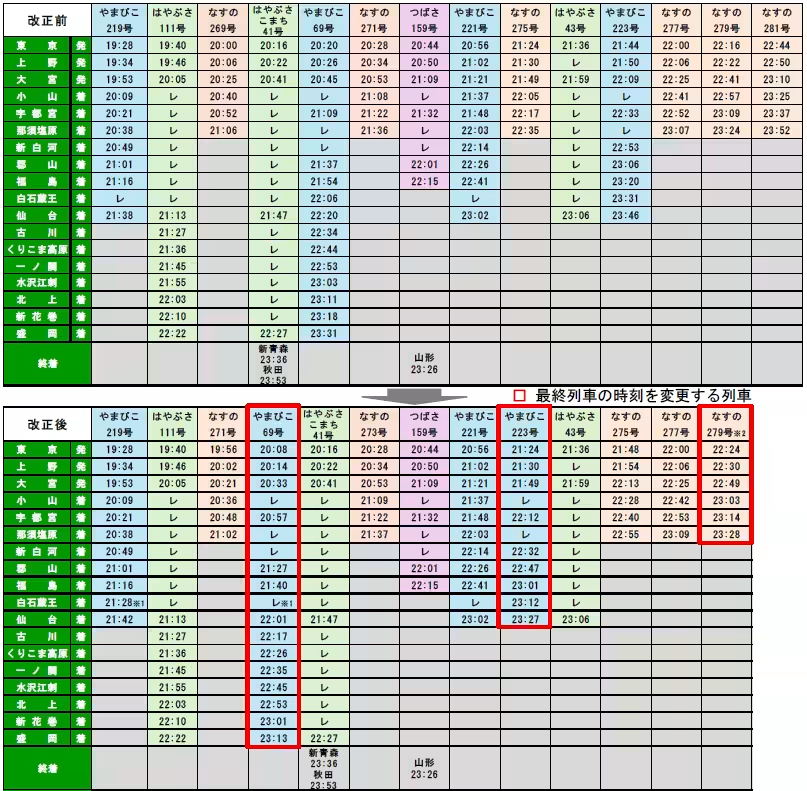
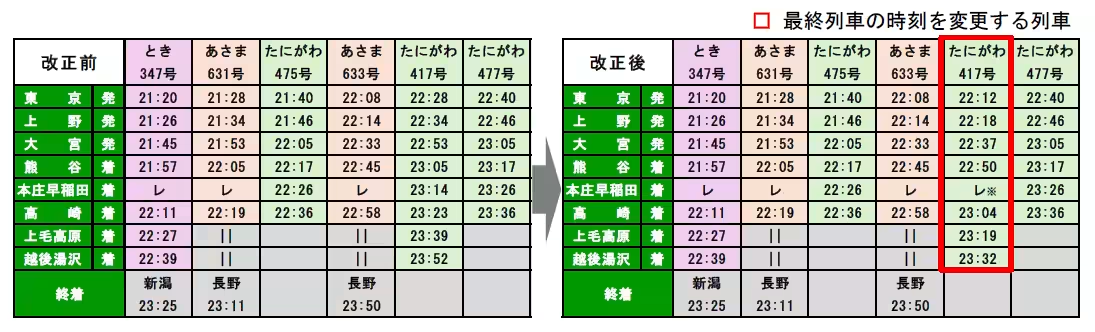
- To facilitate extensive renewal and earthquake preparation projects, the last eastbound train on the Tohoku and Joetsu lines will see its departure time pushed earlier. This adjustment arises from the need for modernization following over 40 years of service.
Changes for Conventional Lines
1. Increased 'Shonan' Limited Express Services
- On weekday evenings, the ‘Shonan’ Express will increase its frequency, running roughly every 30 minutes from 5:30 PM to 10:00 PM, which is designed to boost seating availability during peak hours.

2. Strengthening ‘Azusa’ Limited Express Cars
- During heavy traffic weekends, the ‘Azusa 8’ and ‘Azusa 17’ will increase their car formations from 9 to 12 coaches to provide improved seating options for passengers.

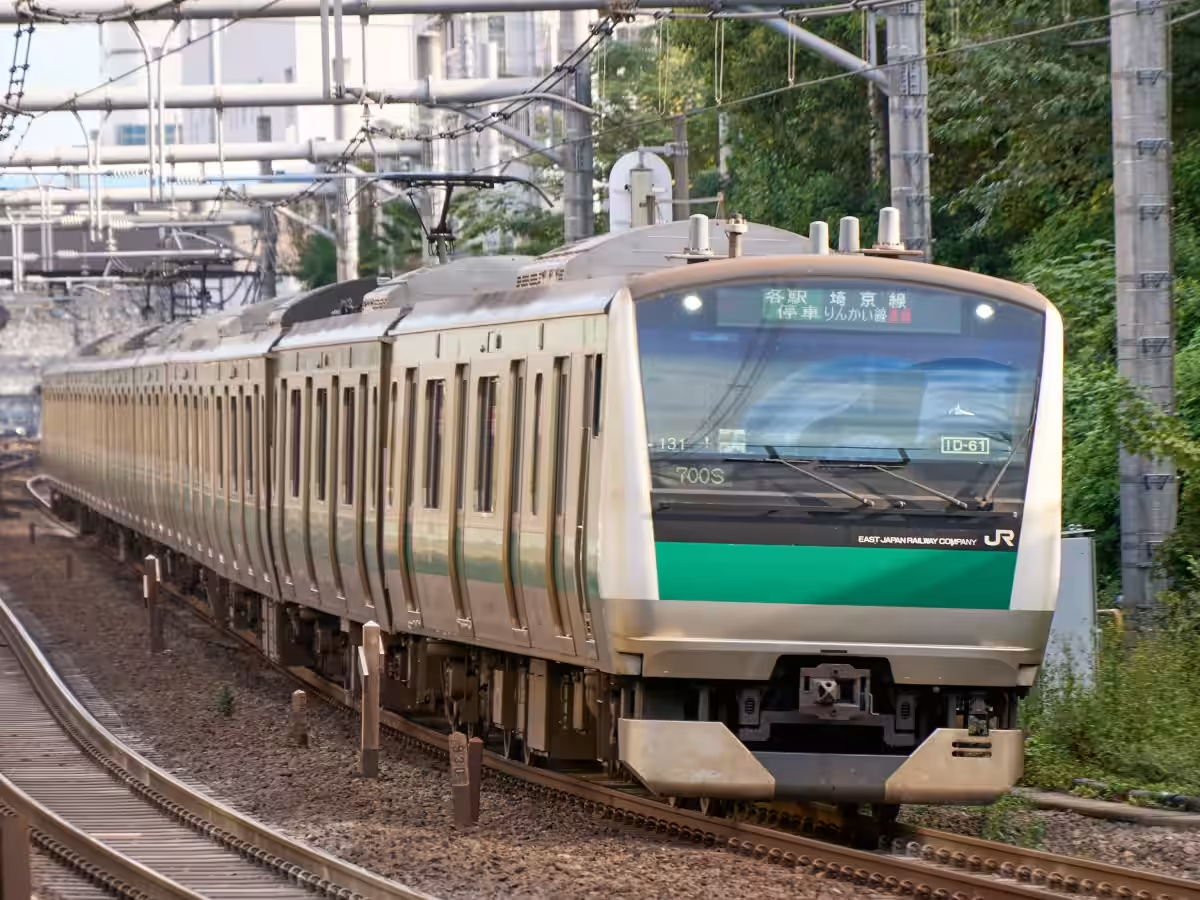
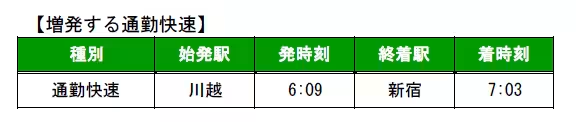
3. Enhancements on the Saikyo Line
- Additional commuter rapid trains will be added on weekday mornings, boosting the service frequency between Kawagoe and Shinjuku to accommodate the growing number of commuters.
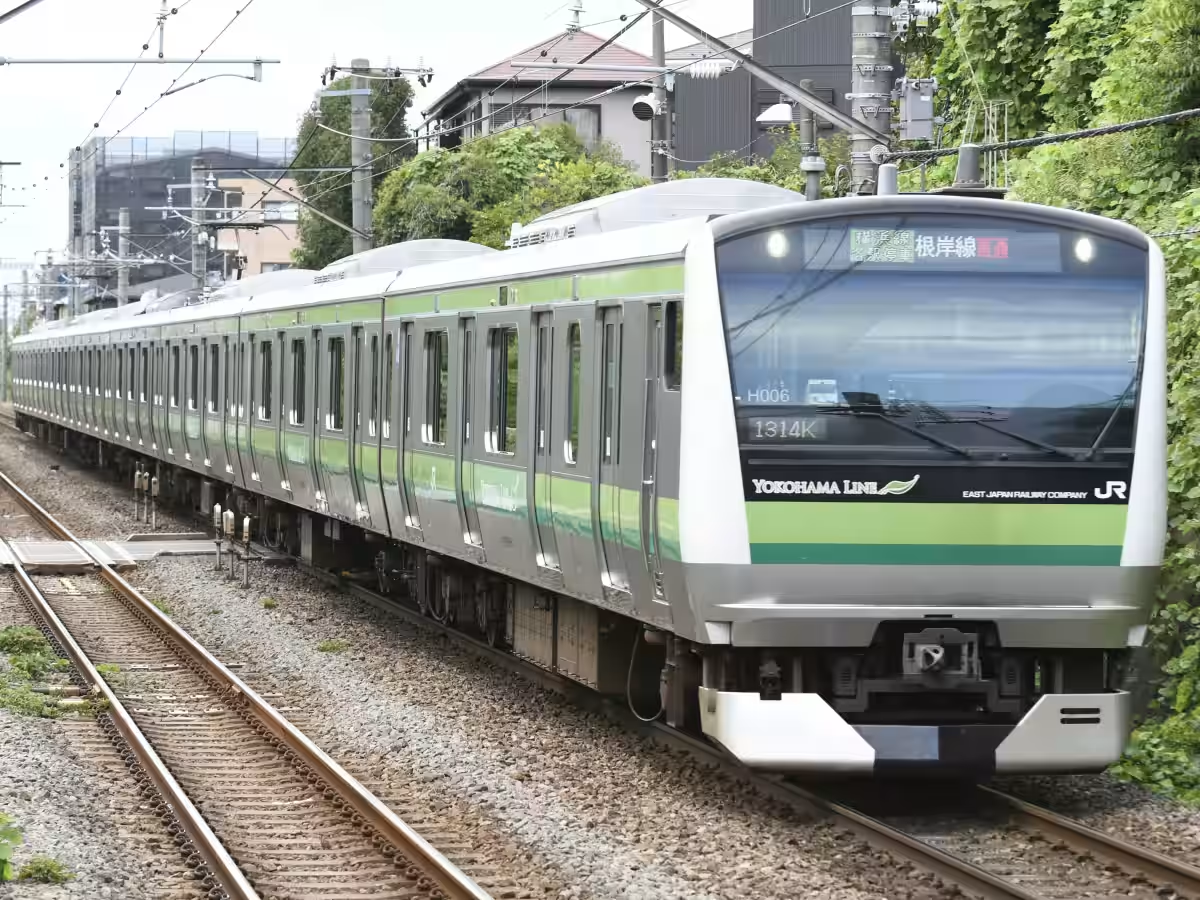
4. Increased Services on the Yokohama and Negishi Lines
- Morning services on the Yokohama Line will extend to Sakuragicho Station, increasing accessibility for travelers in the Kanagawa area.

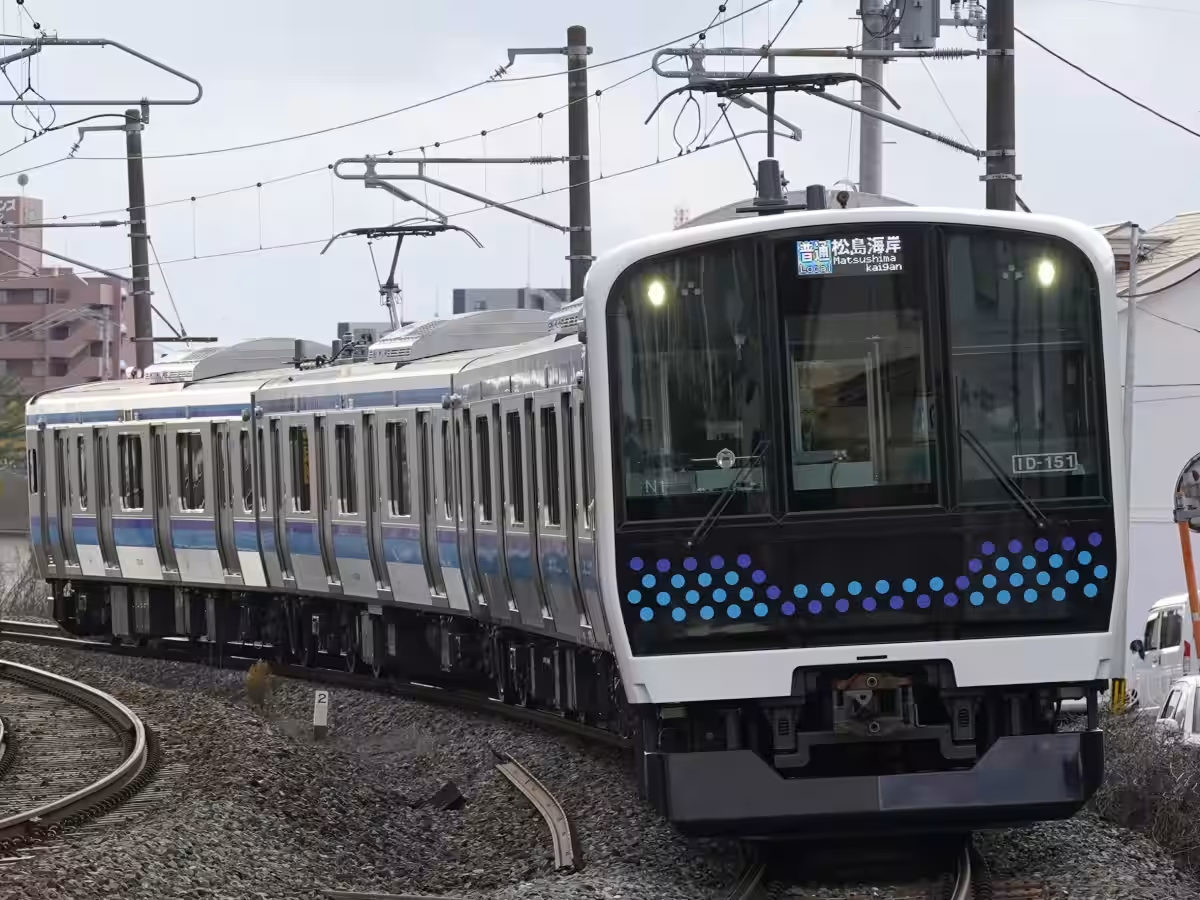
5. Increased Capacity on the Sendai Line
- During daytime hours, the Sendai Line will see an increase from 3-5 to 4-6 services an hour between Aobadori and Tagajo, enhancing convenience for urban travelers.

6. Adjustments to the Nanbu Line
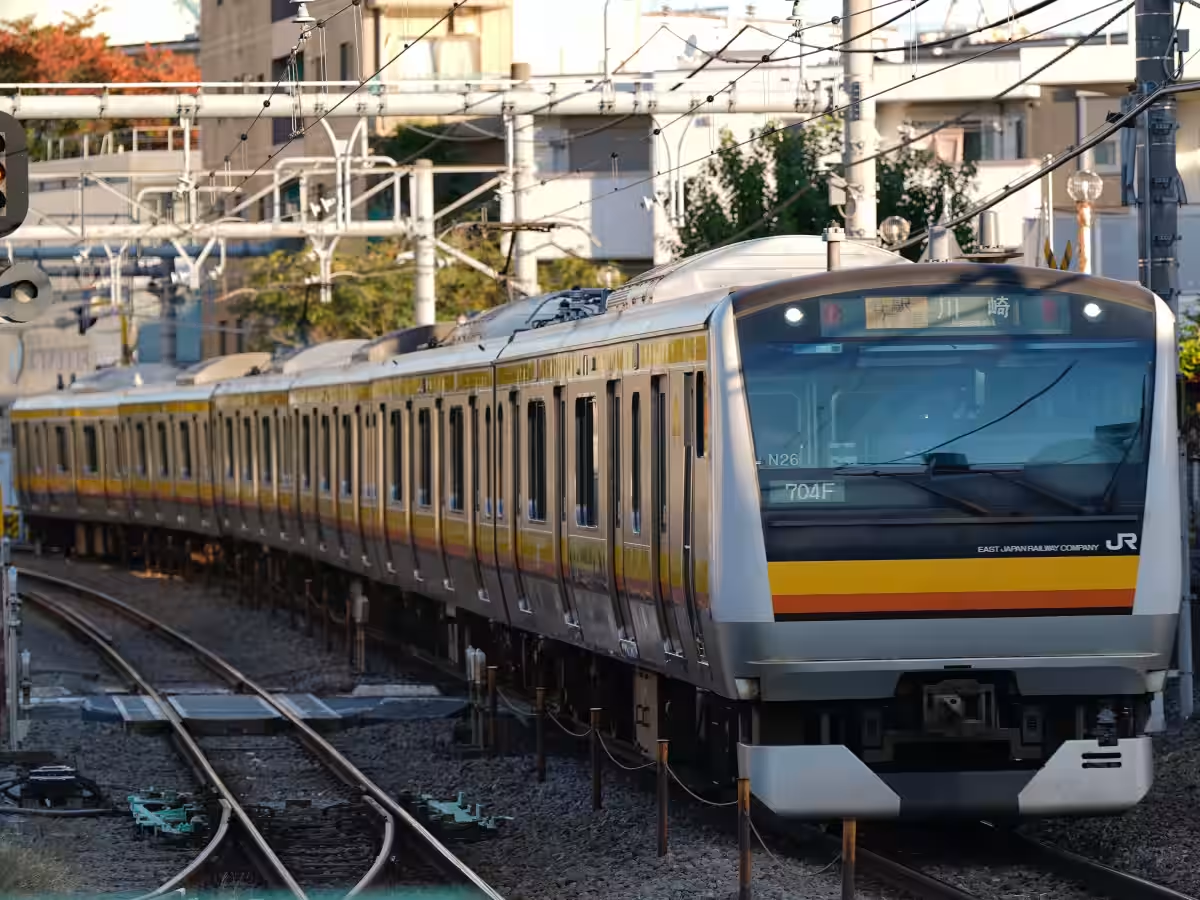
- The Nanbu Line timetable will be reviewed to improve operational stability, enhancing stop times and turnaround times for a smoother passenger experience.
7. Night Sleeping Train Schedule Changes
- The down sleeper train ‘Sunrise Seto/Izumo’ will see a revised schedule in response to passenger usage data.
Among these changes, JR East will also implement new fare adjustments coinciding with the timetable changes. Further details regarding fare revisions can be accessed through their dedicated online portal.
For the most up-to-date information regarding the final timetable, please refer to the JR timetable scheduled for publication on February 25, 2026.
With these adjustments, JR East is looking forward to enhancing passenger experience across all levels, ensuring a more convenient and efficient travel experience for every commuter and traveler.
Conclusion
These changes reflect JR East’s commitment to not only improve train services but also to respond to the evolving needs of its passengers. With enhanced frequencies and shorter travel times, both business and leisure travelers can look forward to a significantly better travel experience in 2026.







Topics Other)
【About Using Articles】
You can freely use the title and article content by linking to the page where the article is posted.
※ Images cannot be used.
【About Links】
Links are free to use.