



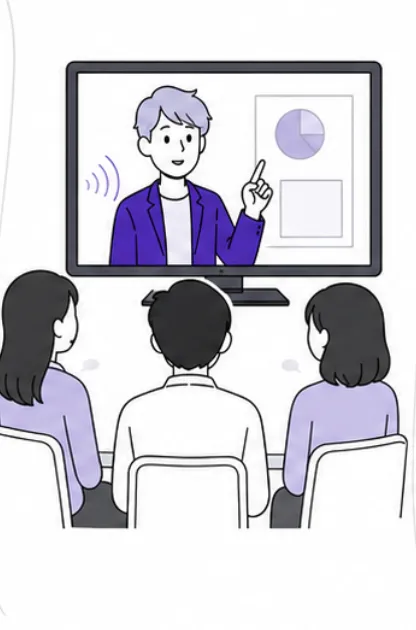
Innovative Research on Avatar-Based Self-Expression Accepted in International Journal
Introduction
The innovative research conducted by the general incorporated association Careco has made significant strides in supporting individuals with social anxiety. Through a collaborative effort with university researchers, this study explored the processes of self-expression facilitated by avatars, particularly for those grappling with difficulties in social interactions. This important work has been recognized and accepted as a peer-reviewed international paper titled "An Initial Exploration of Cognitive Changes in Avatar-Mediated Self-Expression Processes," set to be published in September 2026 in Springer’s Communications in Computer and Information Science (CCIS) series.
Importance of Avatar-Based Communication
In stark contrast to traditional methods, this research uniquely focuses on capturing the initial cognitive and behavioral changes in participants before any visible effects of reduced anxiety are observed. It specifically examines how individuals with social anxiety become aware of their voice and speaking style before they begin to engage in direct conversation.
According to the Ministry of Health, Labor and Welfare, by 2025, the number of employees with disabilities in private companies is expected to reach 704,610, marking a record high. This environment reflects an increasing need to reconsider not only how those with disabilities adapt to existing workplace dynamics but what working environments and methods of communication can better suit their strengths.
Three Key Innovations of the Study
The study presents three notable innovations:
1. Real-World Settings: Conducted in authentic environments, rather than artificial laboratory settings, the research utilized local welfare service centers frequented by individuals with mental disabilities. The avatars were integrated into daily support programs, allowing participants to voluntarily engage in self-expression activities that reflected their lived experiences.
2. Focus on Awareness Over Results: Rather than measuring the efficacy of anxiety reduction directly, the study emphasized the change in participants’ awareness of expression methods. It looked at how they began to reflect on their vocal nuances and consider new ways of communicating before achieving significant behavioral changes.
3. Avatars as Expression Medium: Unlike models where AI interacts on their behalf, this study enabled participants to communicate through their avatar while using their own voices. Participants adjusted their tones and speech speed, creating a unique environment that facilitated self-expression rather than substituting traditional conversation.
Understanding Social Anxiety
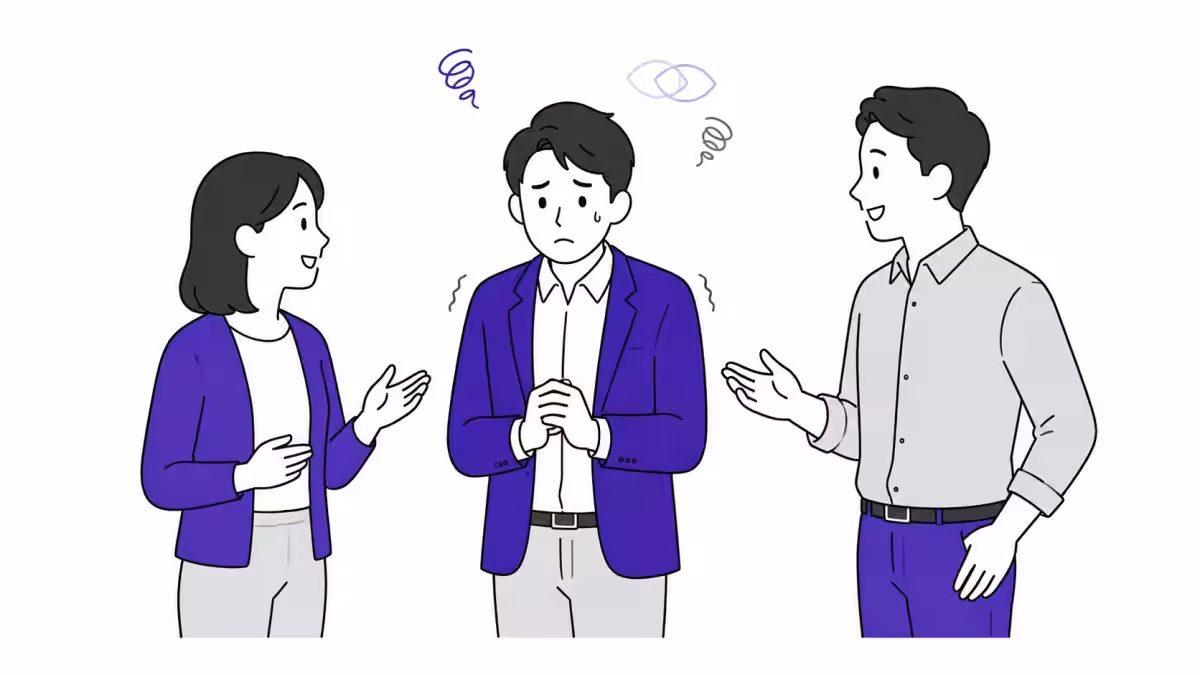
Social anxiety is characterized by significant fear of attention from others and the anticipation of being judged, often causing emotional and physical responses such as rapid heartbeat or sweating. It can hinder daily activities and reduce opportunities for individuals to express their inherent abilities.
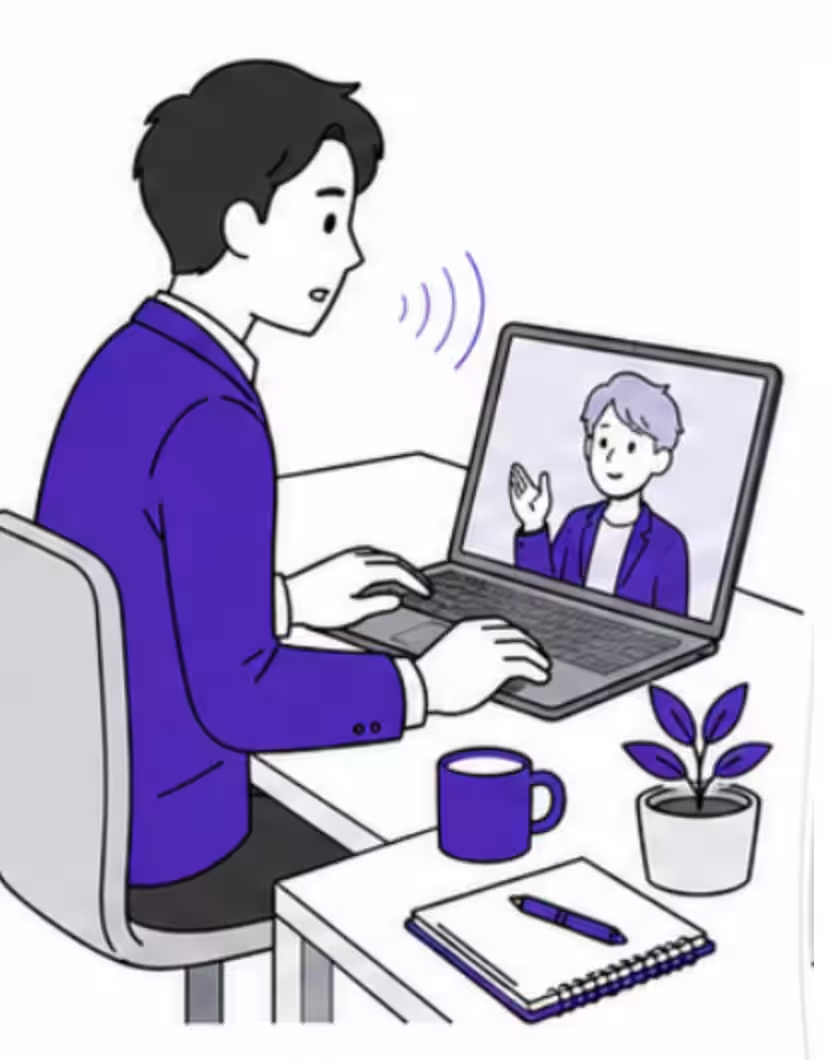
For individuals facing such challenges, expecting immediate adaptation to face-to-face communication may impose overwhelming pressure. In contrast, integrating avatars can provide a less intimidating method of engagement, allowing individuals to speak without the burden of direct visibility. This facilitates a gentler entry point into self-expression.
Participant Experience
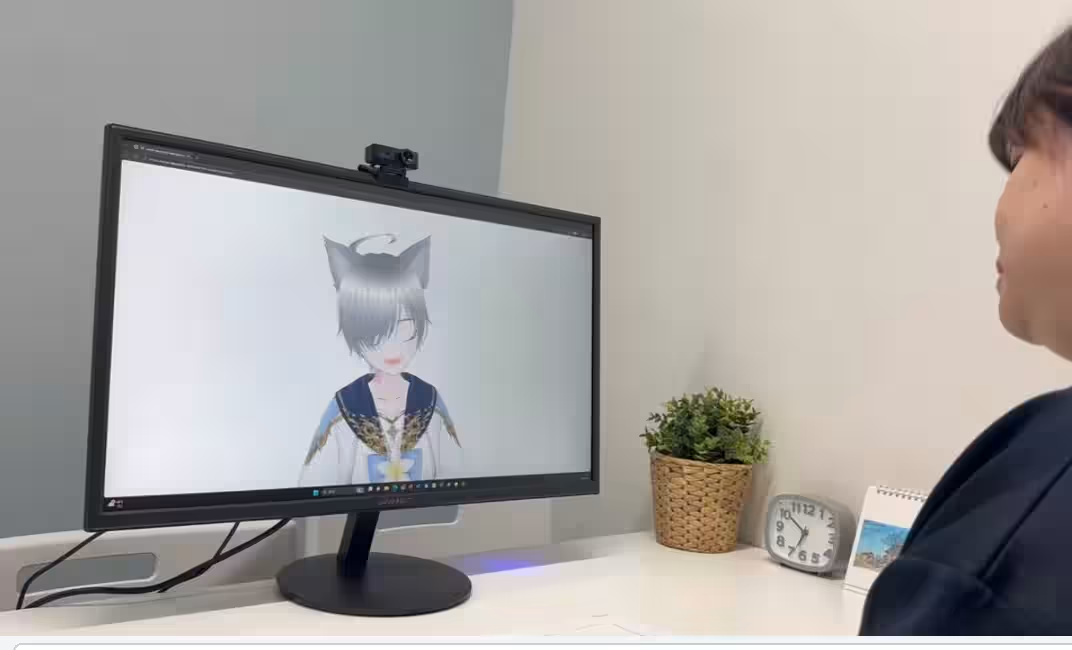
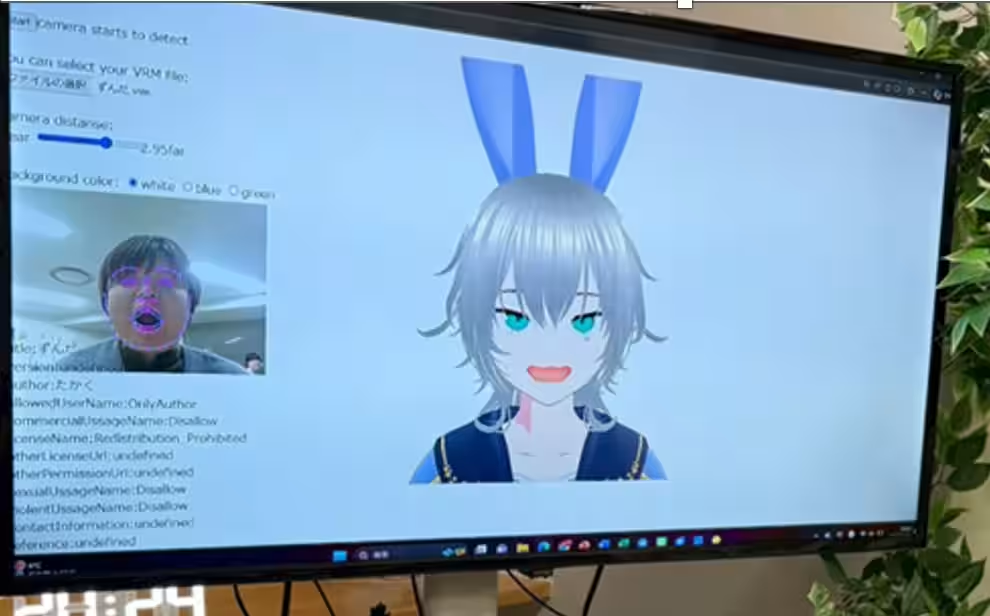
This study involved two participants from the disability welfare services who had experienced withdrawal and faced social interaction difficulties. In December 2025, each participant underwent two self-expression sessions, creating 3D avatars using VRoid Studio. During these sessions, participants spoke using their voice while their avatars reflected their facial motions, enhancing their connection and self-awareness.
The interviews conducted post-session revealed several key insights:
- - Participants felt they inhabited a "different self" while communicating through their avatars.
- - They intentionally adjusted their speech delivery in alignment with their avatars.
- - A notable increase in efforts to enhance their expressions emerged in subsequent sessions.
- - Participants expressed interest in trying new ways to convey themselves and were open to feedback from others.
Despite not finding immediate relief from anxiety, the participants began to consciously engage with their speech and expression, marking crucial steps towards greater self-awareness.
The Broader Implications
Avatars are more than a novel tool for remote communication; they have already begun to see practical implementation in customer-facing roles in retail environments such as Lawson stores. Remote interactions using avatars pave the way for future roles in online customer service, guiding, and providing information in ways that minimize anxiety while maximizing the individual's capacity to contribute.
Rather than solely training individuals to conform to traditional workplace settings, the future of employment for those with disabilities may rely on evolving these environments to allow for expression without the need for physical presence. However, it is essential to acknowledge that avatars will not eliminate all forms of anxiety. Adjusting reactions in real time, managing unexpected questions, and maintaining performance standards continue to serve as challenges.
Future Directions
This exploratory research, with its limited participant pool, endeavors to unveil the potential of avatar-mediated interactions without conclusively tying them to direct outcomes in social situations. Future studies must include larger groups to more accurately evaluate how these self-expression experiences can enhance confidence and behavior in social interactions for a broader spectrum of individuals.
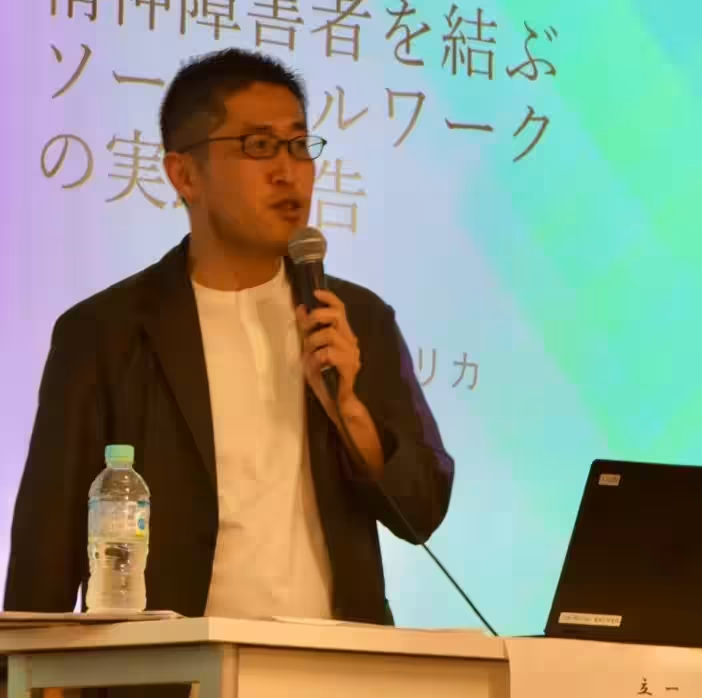
Hiroki Matsuoka, the lead author, emphasizes the core belief behind this research: "Using avatars does not instantaneously alleviate anxiety. However, it allows individuals reluctant to speak in real-life settings to reflect upon their voice and expression, preparing them for subsequent actions. We aim to transition from a mere practice into a bridge connecting self-expression to social engagement and fulfilling careers. Our hope is to empower as many individuals as possible to take their first steps toward a more expressive and engaged life."
About Careco
General Incorporated Association Careco supports individuals with disabilities in Soka City, Saitama Prefecture, and Adachi Ward, Tokyo, through various training and employment services, aiming to enhance their quality of life and work opportunities. Careco is committed to bridging the gap between practice and research in disability welfare, continually enhancing service quality and contributing to society.
Topics People & Culture)
【About Using Articles】
You can freely use the title and article content by linking to the page where the article is posted.
※ Images cannot be used.
【About Links】
Links are free to use.