




Majority of Japanese Support Regulations for AI Amid Safety Concerns
Unveiling the Public’s Perspective on AI Regulations in Japan
In an era dominated by rapid advancements in artificial intelligence (AI), a survey conducted by Cross Marketing sheds light on the complexities surrounding the public's perception of AI and its tools. The survey, conducted with 3,000 individuals aged 20 to 79 across Japan, indicated a significant consensus regarding the need for regulations surrounding AI. This research reflects the balance of optimism and caution as AI technologies evolve.
Survey Findings
AI Awareness and Usage Rates
The survey established that AI enjoys a high recognition rate of 87% among respondents. The most recognized applications of AI include conversational AI and creative AI capable of generating text and images. Regarding usage frequency, 24% of participants reported using AI-related services or products at least once a week, while 32% used them monthly. In comparison, generative AI awareness stands at 77%, with popular tools like ChatGPT and Gemini leading the recognition charts. The usage rate for generative AI aligns closely with traditional AI, where 20% of respondents utilize generative AI weekly and 28% on a monthly basis.
Public Sentiment Towards AI
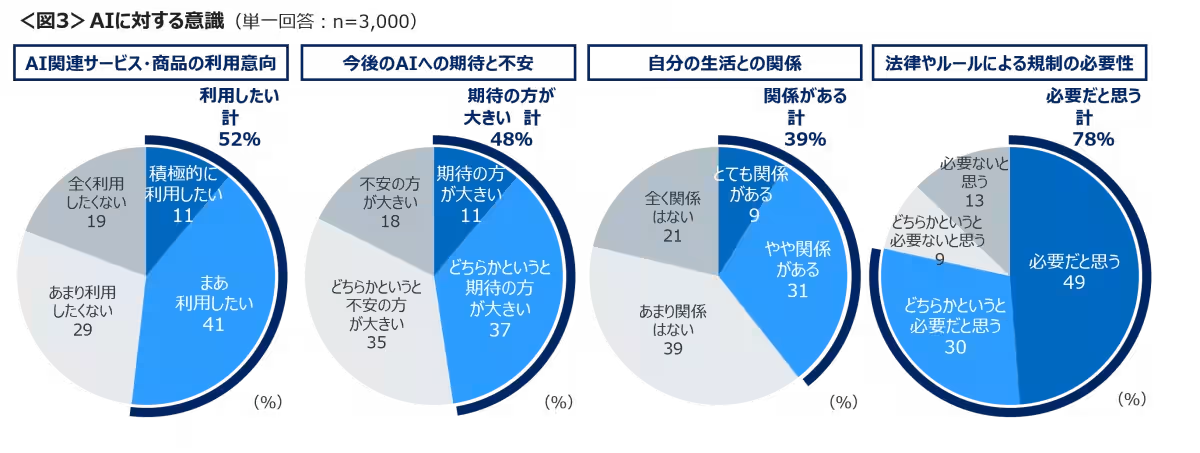
Delving into the attitudes that respondents held towards AI, 52% expressed a willingness to use AI-related services or products. The survey revealed an interesting dichotomy in people's expectations of AI, where 48% felt both excited and anxious about its future trajectory. Additionally, only 39% linked AI technologies directly to their personal lives, reflecting a gap in understanding how AI integrates into daily activities. This indicates a broader concern for safety, as nearly 79% of participants emphasized the necessity for regulations or guidelines governing AI technologies, with 49% affirming that regulation is essential and another 30% leaning towards its necessity.
Perceptions of Generative AI
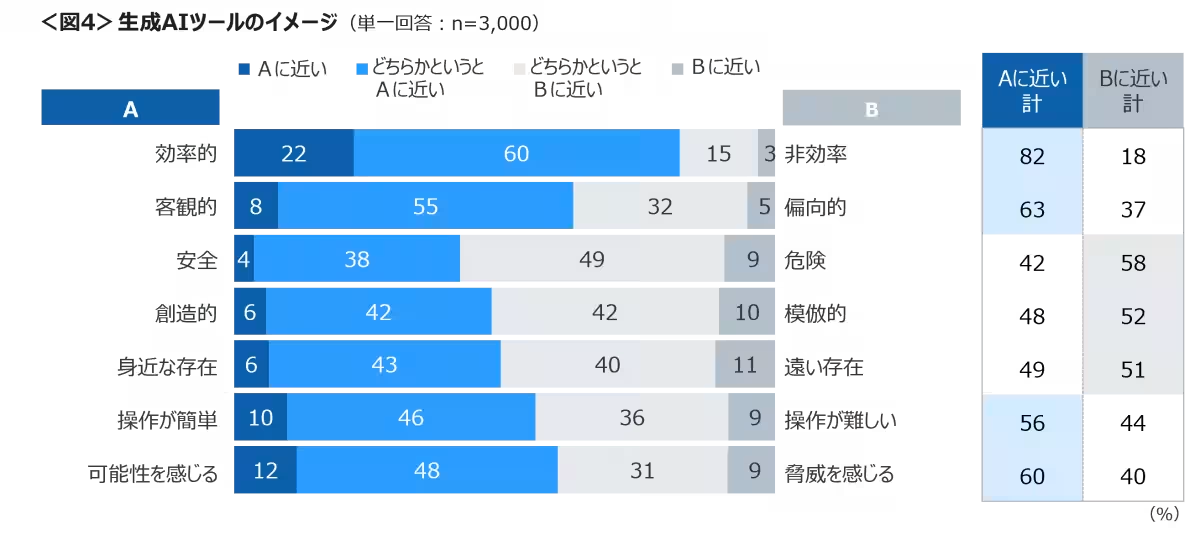
Examining perceptions of generative AI tools, the survey highlighted a stark contrast between positive and negative sentiments. While 82% viewed generative AI as efficient—a predominant positive aspect—58% associated it with danger, significantly outstripping those who viewed it as safe. This outlines a pervasive fear surrounding the potential misuse of generative AI, which is further compounded by the rapid development of technology outpacing existing legislation.
Human Agency Amid AI Advancements
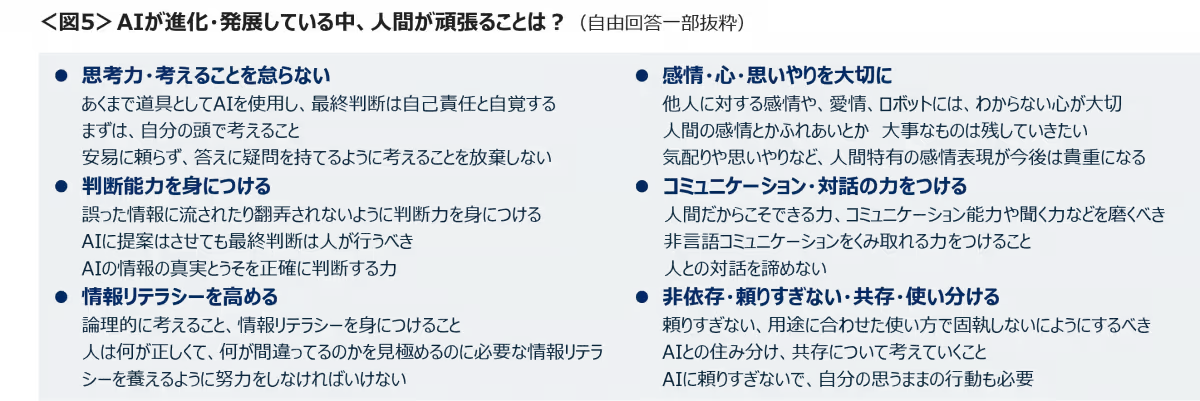
As AI evolves, the survey asked participants how they believed humans could adapt and thrive in a landscape increasingly shaped by AI. Responses highlighted the importance of critical thinking, capability for sound judgment, improvement in information literacy, and maintaining empathy and communication skills. Many emphasized the need to strike a balance, advocating for using AI as a tool rather than allowing dependence on it to dictate personal capabilities. This perspective suggests that the public recognizes the vital role of human traits that AI cannot replicate, thereby reinforcing the idea of coexistence rather than competition.
Conclusion
The findings from Cross Marketing's survey underscore a crucial moment in the dialogue about AI in Japan. While technological advancement offers exciting possibilities, the public sentiment leans heavily towards wanting protections and regulations that ensure safety and ethical considerations. As AI continues to integrate into various sectors, understanding these public opinions will be imperative in shaping future policies to address both innovation and safety concerns. The survey not only highlights the potential benefits of AI but also the profound apprehensions that come with its advancements. Moving forward, the balance of regulation and innovation will be key to navigating this challenging landscape.
About the Survey
Conducted in October 2025, this survey utilized internet research across all 47 prefectures in Japan. The sampling aimed to mirror the population demographic, ensuring insights were both representative and comprehensive. This survey serves as a crucial reference point in understanding societal attitudes toward AI and regulatory frameworks.
For further details on this research and to download the report, visit Cross Marketing.


Topics Policy & Public Interest)
【About Using Articles】
You can freely use the title and article content by linking to the page where the article is posted.
※ Images cannot be used.
【About Links】
Links are free to use.