



Exploring the Correlation Between Psychological Safety and Employee Initiative in Young Workers
Introduction
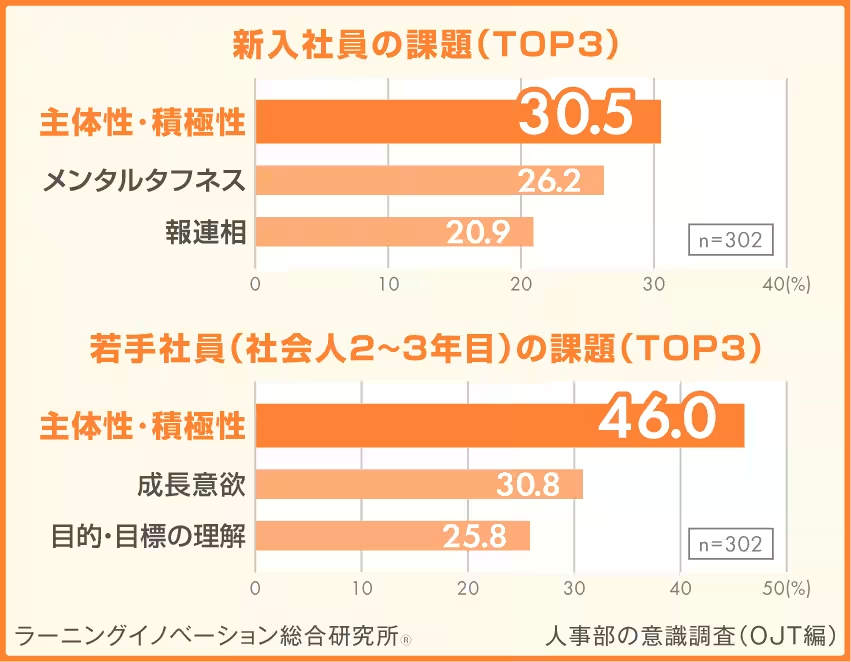
In recent years, organizations have faced challenges brought on by demographic shifts, workforce mobility, and changing workstyles. Amid these changes, companies are tasked with fostering environments that maximize every employee’s potential. Crucially, the concept of 'initiative'—an individual’s ability to think and act independently—emerges as a vital ingredient for innovation and self-directed business operations. However, findings from our research indicate that Human Resources professionals believe that 'initiative and proactivity' represent the greatest challenge for junior and young employees.
The ability to express initiative goes beyond individual capabilities and perceptions; it is influenced by workplace culture, environment, and the way seniors engage with junior staff. Therefore, the creation of a workplace that promotes initiative is an essential business challenge for sustainable growth.
This article reports on a survey conducted from August 1 to 27, 2025, among 1,793 early-career professionals, focusing on the relationship between employee initiative and workplace culture, particularly psychological safety.
Survey Highlights
Key Findings
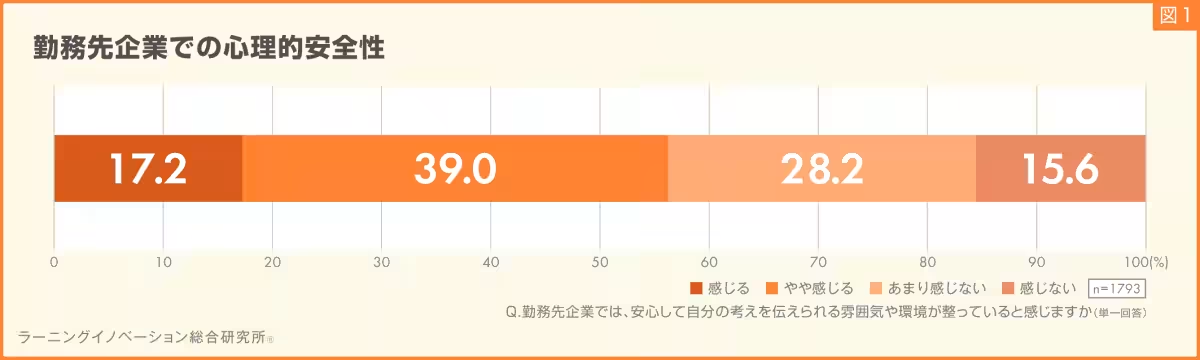
1. Psychological Safety: 56.2% of young employees felt they could freely express their ideas within their companies. This indicates a significant level of psychological safety in the workplace, with 17.2% feeling 'comfortable' and 39.0% feeling 'somewhat comfortable' sharing their thoughts.
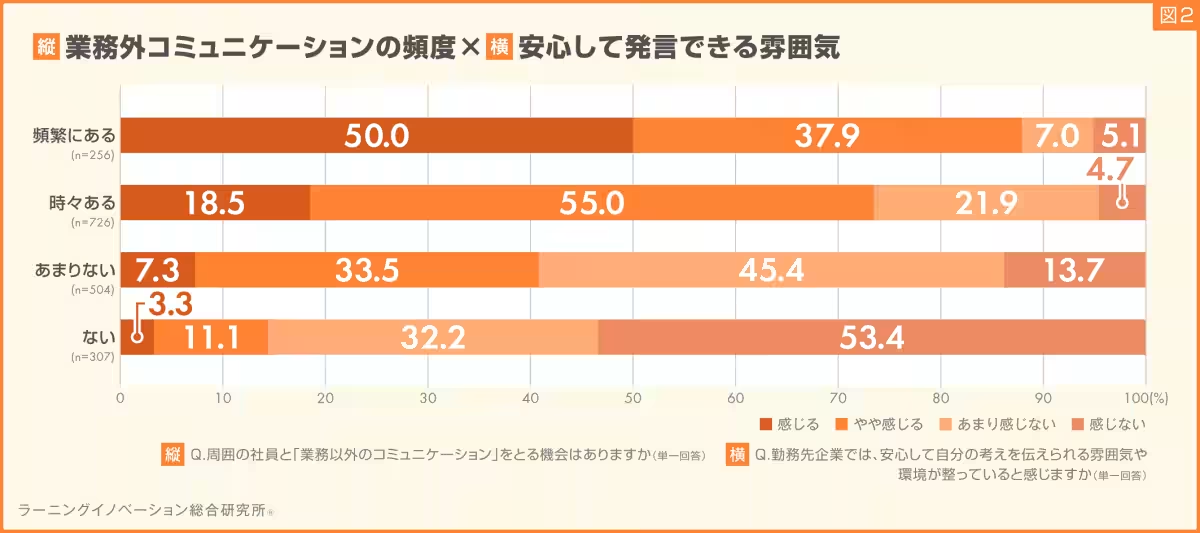
2. Communication Frequency: Young employees who often engage in non-work-related conversations with their colleagues are more likely to feel safe sharing their ideas. A vast 87.9% of those who frequently communicate outside of work-related topics reported feeling comfortable expressing themselves, compared to just 14.4% of those who rarely communicate outside work.
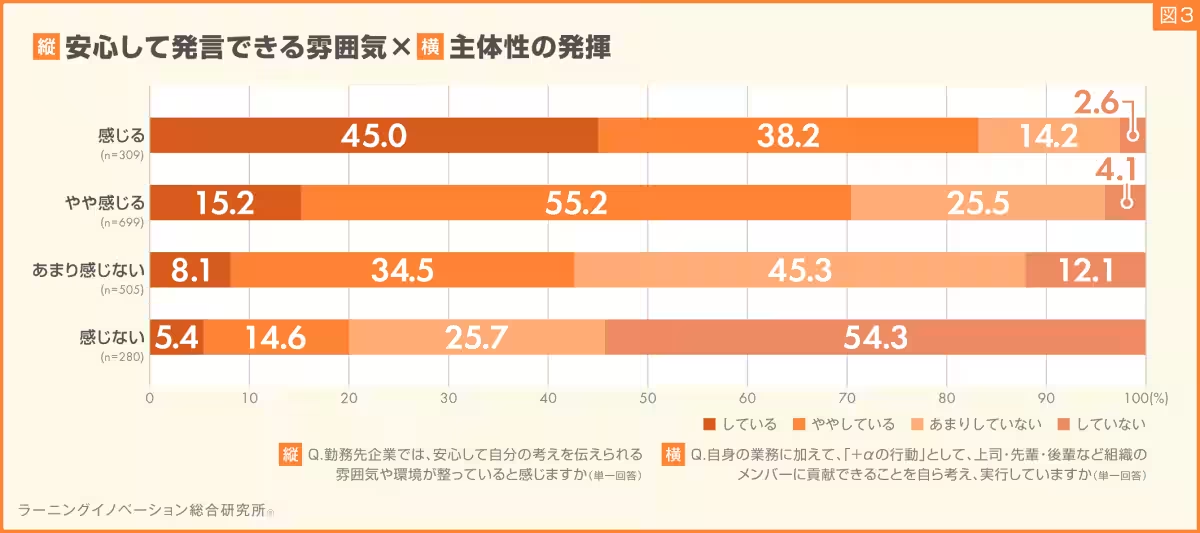
3. Contribution to the Organization: Employees who perceive a safe atmosphere are also more inclined to think about and execute ways to contribute to the organization. Among those who feel secure expressing themselves, 83.2% reported actively contributing to the company, compared to only half of those who felt less secure.
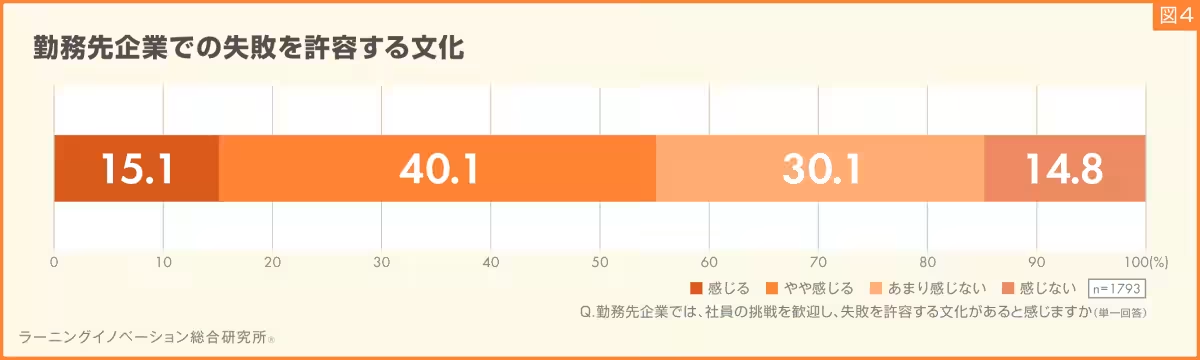
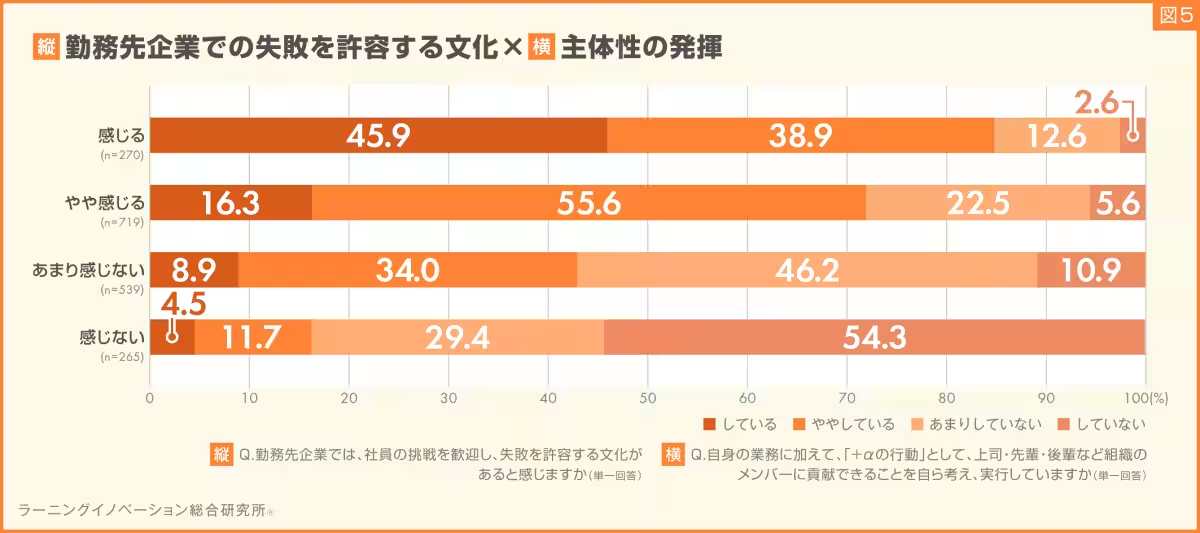
4. Embracing Challenges: Employees who believe their organizations welcome challenges and tolerate failures are significantly more likely to show initiative. The percentage of employees feeling encouraged to contribute while exploring new ideas was higher among those who recognized a supportive culture against failure.
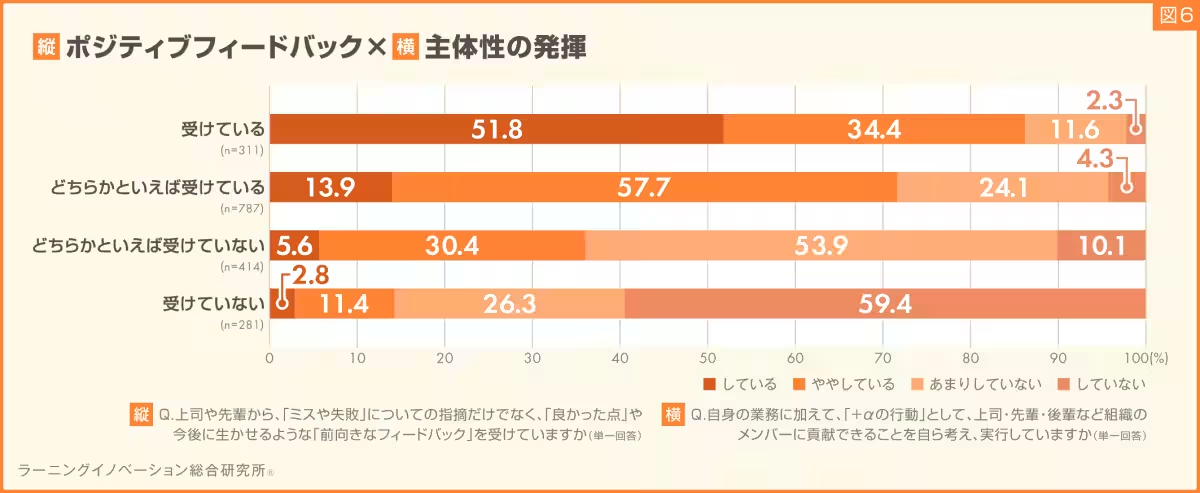
5. Positive Feedback: Regular constructive feedback from supervisors correlates directly with employees’ willingness to engage actively in their roles. Young employees receiving regular positive reinforcement are much more likely to think creatively about their contributions.
Analysis
The survey reveals a clear correlation between psychological safety and employee initiative. A notable majority of 56.2% of early-career employees feel psychologically secure enough to share their thoughts. Furthermore, the results emphasize that non-work-related communication strengthens this sense of security.
Moreover, young employees who embraced a workplace culture that welcomes challenges and tolerates setbacks demonstrated a higher level of proactive contribution. Similarly, the presence of positive feedback from leadership played a critical role in nurturing initiative among these professionals.
Implications for Organizational Culture
The findings suggest that for organizations aiming to enhance initiative among employees, fostering high psychological safety is paramount. Businesses should take the following actionable steps:
1. Cultivating Safety: Establish a workplace culture where diverse opinions are welcomed, mistakes are viewed as learning opportunities, and consistent feedback is provided consistently. Leadership must lead this cultural transformation through sustained effort and commitment.
2. Enhancing Communication: Implement opportunities for casual interactions among employees, such as team-building events, mentorship programs, or informal chats, to strengthen relationships and help overcome barriers to communication.
3. Supporting Career Development: Regular one-on-one meetings can help management connect better with young employees, understand their career aspirations, and provide constructive feedback to bolster their confidence and initiative.
Conclusion
The investigation clearly indicates that high psychological safety levels significantly foster employee initiative among young workers. Addressing the lack of such environments not only hinders immediate contributions but could also impede long-term growth and engagement. Encouraging a culture of openness and supportive feedback mechanisms is essential in cultivating a workforce that is both innovative and proactive.


Topics People & Culture)


【About Using Articles】
You can freely use the title and article content by linking to the page where the article is posted.
※ Images cannot be used.
【About Links】
Links are free to use.