



Empowering Sudanese Refugee Girls Through Human Rights Education in Uganda
In Kiryandongo, a refugee settlement in Uganda, a group of Sudanese girls is taking pivotal steps towards empowerment through a comprehensive human rights education program. This initiative, supported by Education Cannot Wait (ECW), aims to equip refugee girls with essential knowledge and skills to advocate for their rights and contribute positively to their communities.
The program, launched in partnership with Legal Action Worldwide (LAW) and the Strategic Initiative for Women in the Horn of Africa (SIHA), began in August 2025. It targets Sudanese girls who are out of school due to the ongoing conflict in Sudan, which has also disrupted their educational paths. The curriculum combines legal education with psychosocial support, ensuring a holistic approach to learning.
During the initial three-day workshops, 25 young girls aged 11 to 18 participated actively. They engaged in discussions about human rights, gender equality, and violence against women. Many shared personal stories that highlighted the urgent need for such an initiative, as these topics are often taboo in their community. The program not only seeks to impart knowledge but also aims to build resilience and confidence among participants amidst the challenges they face as refugees.
Importantly, sustainability is a key focus of this initiative. During the pilot phase, ten trainers were trained to conduct the program further, ensuring that more girls can benefit from this valuable educational experience. The program provides a safe space for girls to learn about advocacy and leadership, equipping them with the skills needed to become change agents in their communities.
As the training sessions progressed, the girls displayed remarkable enthusiasm and commitment. According to one participant, "We are eager to finish this training and use what we have learned to make a difference in our community." This sentiment reflects a growing awareness of their rights and the importance of education as a pathway to empowerment.
The latter phases of the program, which began in mid-October, will focus on mentoring selected participants to become leaders who can address pressing issues such as girls’ education, child marriage, and gender-based violence in their communities. Facilitated discussions and workshops will allow them to develop and implement advocacy strategies based on what they have learned during the training, ensuring their voices are heard.
This program holds significant promise, especially as the conflict in Sudan continues to displace millions, leaving many children without access to education. Emerging reports indicate a drastic increase in gender-based violence as conflict escalates, underlining the necessity for such education initiatives. Systematic sexual violence against women and girls is reportedly used as a weapon of war, and survivors face immense challenges in accessing medical, legal, and protective support.
In Uganda, where many Sudanese refugees have sought refuge, these struggles are compounded by limited resources. Less than half of the refugee girls have access to formal educational programs. However, this initiative seeks to break the cycle of exclusion and silence that pervades their lives.
In addition to training in human rights advocacy, the program integrates outreach efforts and local community support to create pathways for participants into formal education systems. This groundbreaking investment not only aims to empower girls individually but also as a collective force, helping them to become advocates who recognize and challenge the systemic issues affecting them and their communities.
One remarkable quote from a girl encapsulates the transformative power of this initiative: "I have learned that education is a right and a powerful tool for self-empowerment. I plan to return to school next year, and I hope to use the knowledge I have gained to educate other girls in my community about their rights." Equipped with tailored support, these girls are on their path to translating their knowledge into advocacy and transforming adversities into leadership opportunities.
In conclusion, the initiative addressing the needs of Sudanese refugee girls in Uganda is not just about educational access; it represents a profound movement toward gender equality and empowerment. By imparting knowledge and skills, this program is nurturing a generation of informed leaders ready to advocate for their rights and the rights of their peers, fostering resilience and hope in the face of despair. The effort exemplifies a critical step towards ensuring that the voices of displaced girls are amplified and their futures reclaimed amidst challenging circumstances.
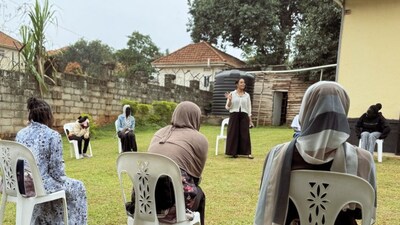
Education Cannot Wait supports this initiative to empower girls.
The program, launched in partnership with Legal Action Worldwide (LAW) and the Strategic Initiative for Women in the Horn of Africa (SIHA), began in August 2025. It targets Sudanese girls who are out of school due to the ongoing conflict in Sudan, which has also disrupted their educational paths. The curriculum combines legal education with psychosocial support, ensuring a holistic approach to learning.
During the initial three-day workshops, 25 young girls aged 11 to 18 participated actively. They engaged in discussions about human rights, gender equality, and violence against women. Many shared personal stories that highlighted the urgent need for such an initiative, as these topics are often taboo in their community. The program not only seeks to impart knowledge but also aims to build resilience and confidence among participants amidst the challenges they face as refugees.
Importantly, sustainability is a key focus of this initiative. During the pilot phase, ten trainers were trained to conduct the program further, ensuring that more girls can benefit from this valuable educational experience. The program provides a safe space for girls to learn about advocacy and leadership, equipping them with the skills needed to become change agents in their communities.
As the training sessions progressed, the girls displayed remarkable enthusiasm and commitment. According to one participant, "We are eager to finish this training and use what we have learned to make a difference in our community." This sentiment reflects a growing awareness of their rights and the importance of education as a pathway to empowerment.
The latter phases of the program, which began in mid-October, will focus on mentoring selected participants to become leaders who can address pressing issues such as girls’ education, child marriage, and gender-based violence in their communities. Facilitated discussions and workshops will allow them to develop and implement advocacy strategies based on what they have learned during the training, ensuring their voices are heard.
This program holds significant promise, especially as the conflict in Sudan continues to displace millions, leaving many children without access to education. Emerging reports indicate a drastic increase in gender-based violence as conflict escalates, underlining the necessity for such education initiatives. Systematic sexual violence against women and girls is reportedly used as a weapon of war, and survivors face immense challenges in accessing medical, legal, and protective support.
In Uganda, where many Sudanese refugees have sought refuge, these struggles are compounded by limited resources. Less than half of the refugee girls have access to formal educational programs. However, this initiative seeks to break the cycle of exclusion and silence that pervades their lives.
In addition to training in human rights advocacy, the program integrates outreach efforts and local community support to create pathways for participants into formal education systems. This groundbreaking investment not only aims to empower girls individually but also as a collective force, helping them to become advocates who recognize and challenge the systemic issues affecting them and their communities.
One remarkable quote from a girl encapsulates the transformative power of this initiative: "I have learned that education is a right and a powerful tool for self-empowerment. I plan to return to school next year, and I hope to use the knowledge I have gained to educate other girls in my community about their rights." Equipped with tailored support, these girls are on their path to translating their knowledge into advocacy and transforming adversities into leadership opportunities.
In conclusion, the initiative addressing the needs of Sudanese refugee girls in Uganda is not just about educational access; it represents a profound movement toward gender equality and empowerment. By imparting knowledge and skills, this program is nurturing a generation of informed leaders ready to advocate for their rights and the rights of their peers, fostering resilience and hope in the face of despair. The effort exemplifies a critical step towards ensuring that the voices of displaced girls are amplified and their futures reclaimed amidst challenging circumstances.
Education Cannot Wait supports this initiative to empower girls.
Topics People & Culture)


【About Using Articles】
You can freely use the title and article content by linking to the page where the article is posted.
※ Images cannot be used.
【About Links】
Links are free to use.