



Survey Uncovers Parent-Child Communication Gaps on Family Home Disposition
Understanding Parent-Child Communication on Family Home Disposition
Recent research conducted by Sumutasu, a real estate tech startup based in Tokyo, has revealed alarming statistics regarding communication gaps between parents and children about the future of family homes. As the aging population prepares for what is termed the "great inheritance era" of 2025—in which about 8 million of Japan's baby boomer generation will reach their late senior years—the importance of clarity in discussions surrounding estate and property management becomes increasingly critical.
Background of the Study
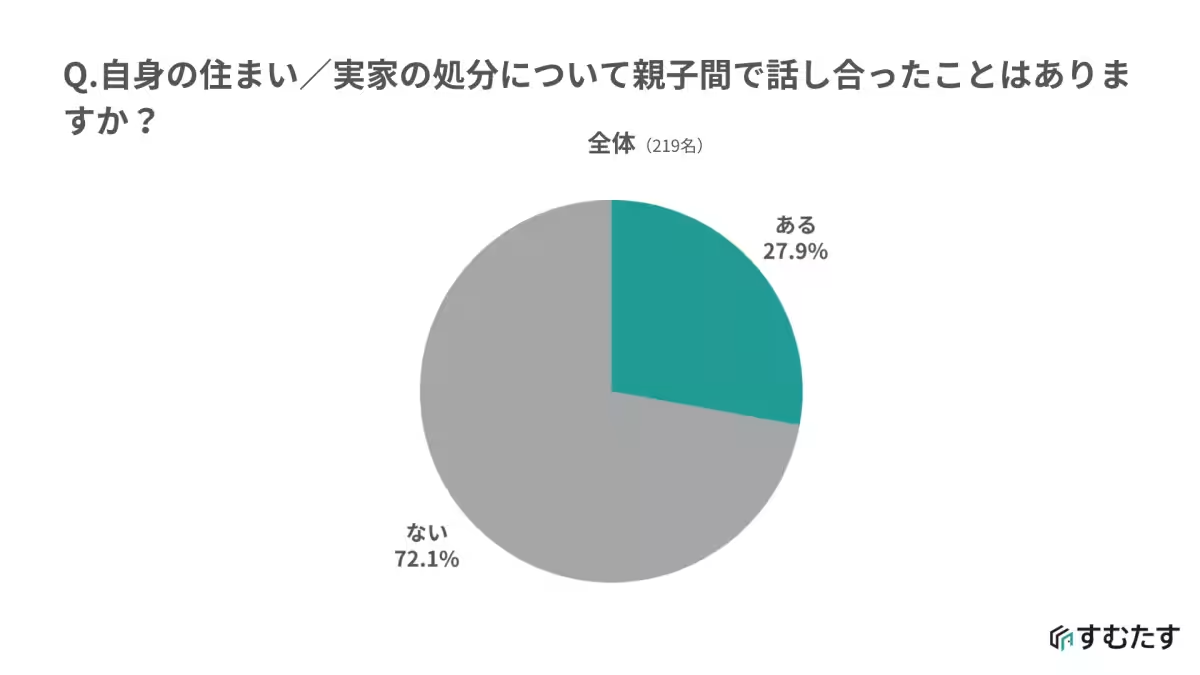
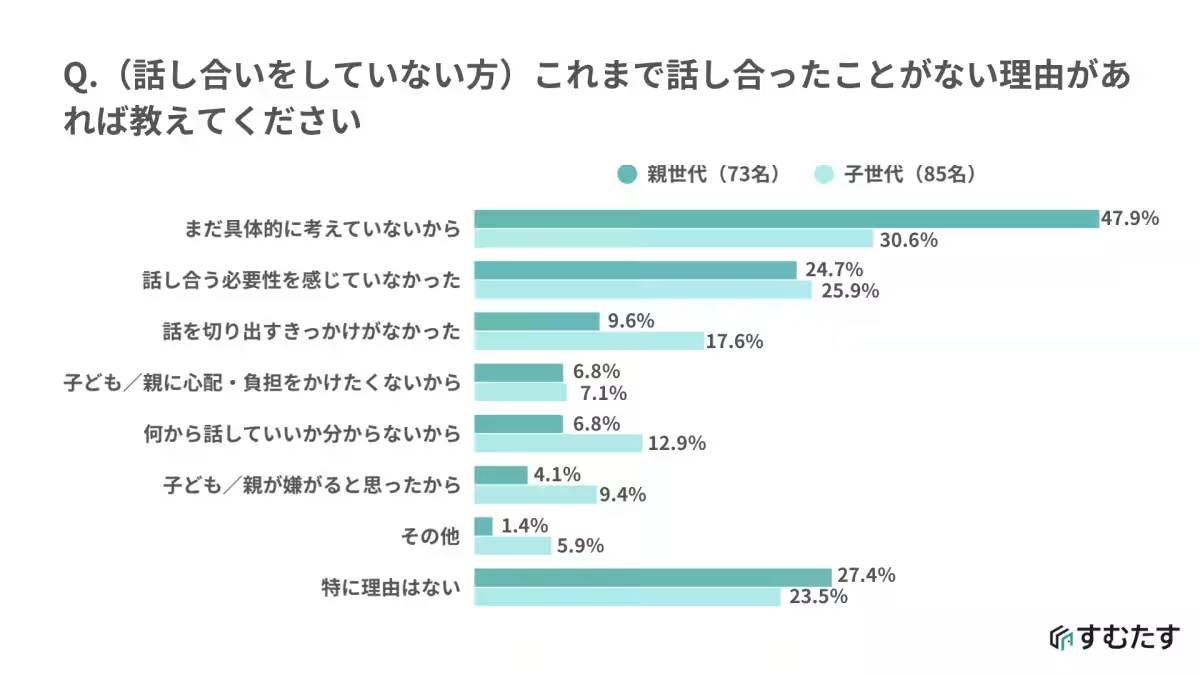
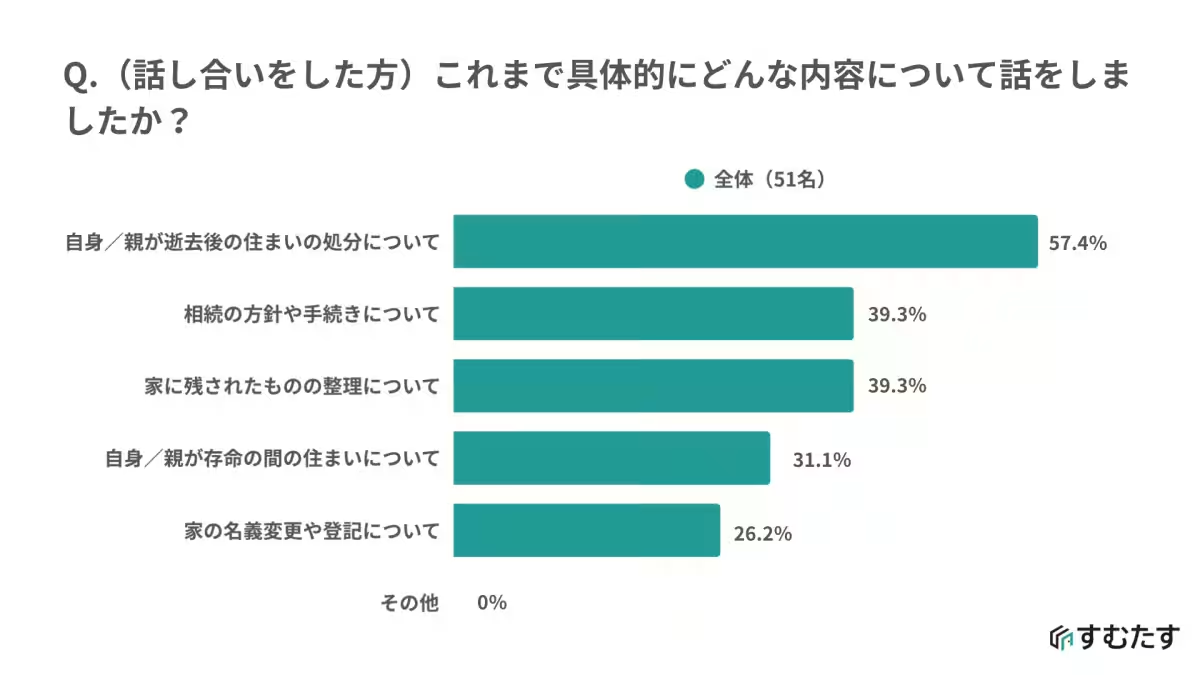
In anticipation of significant demographic shifts, Sumutasu decided to explore the communication dynamics between parents and adult children regarding the approach to family properties. The survey revealed that a staggering 72.1% of respondents had never discussed the disposition of their family home. The primary reason cited for this lack of dialogue was that over 30% of both generations felt they simply had not thought about it concretely yet.
Key Findings of the Survey
Communication Gap: Parents and Children
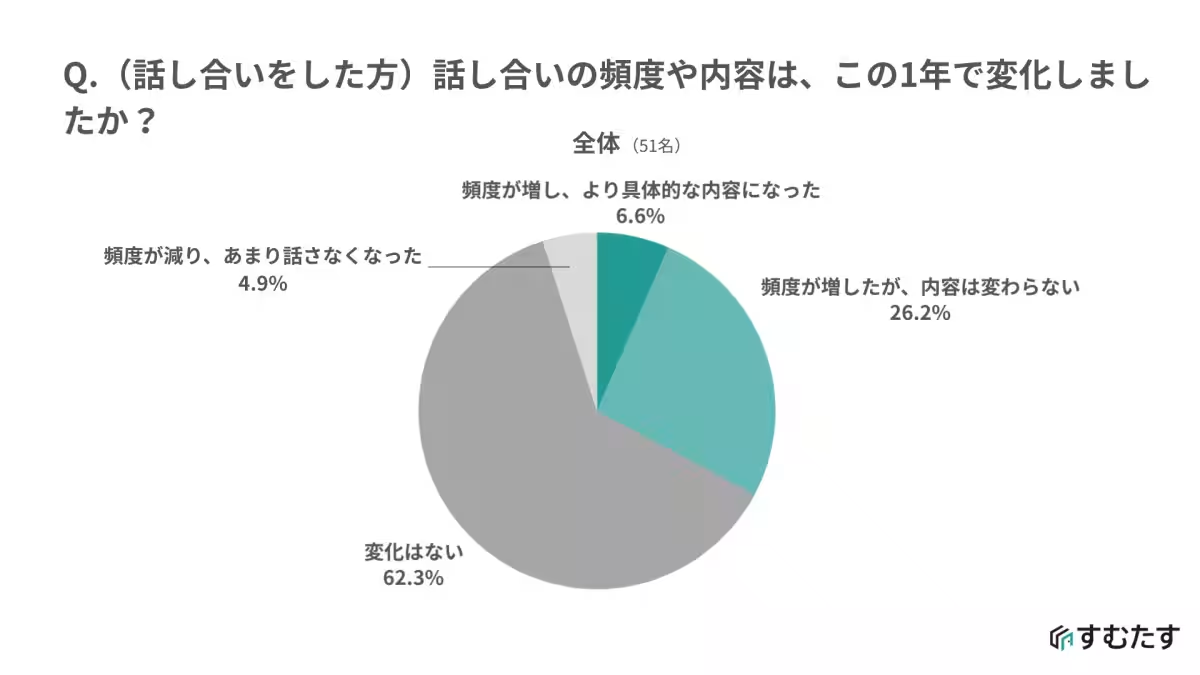
The survey indicates that communication between the two generations is essentially non-existent regarding the disposition of family homes. Notably, parents and children alike mostly agree on the lack of discussions around this topic, with many expressing a desire to initiate conversations but feeling hesitant to do so. Among those who recognized the need for discussion, many cited factors like uncertainty about where to start or lacking an appropriate occasion to talk as barriers.
Noticing Changes in the Family Home
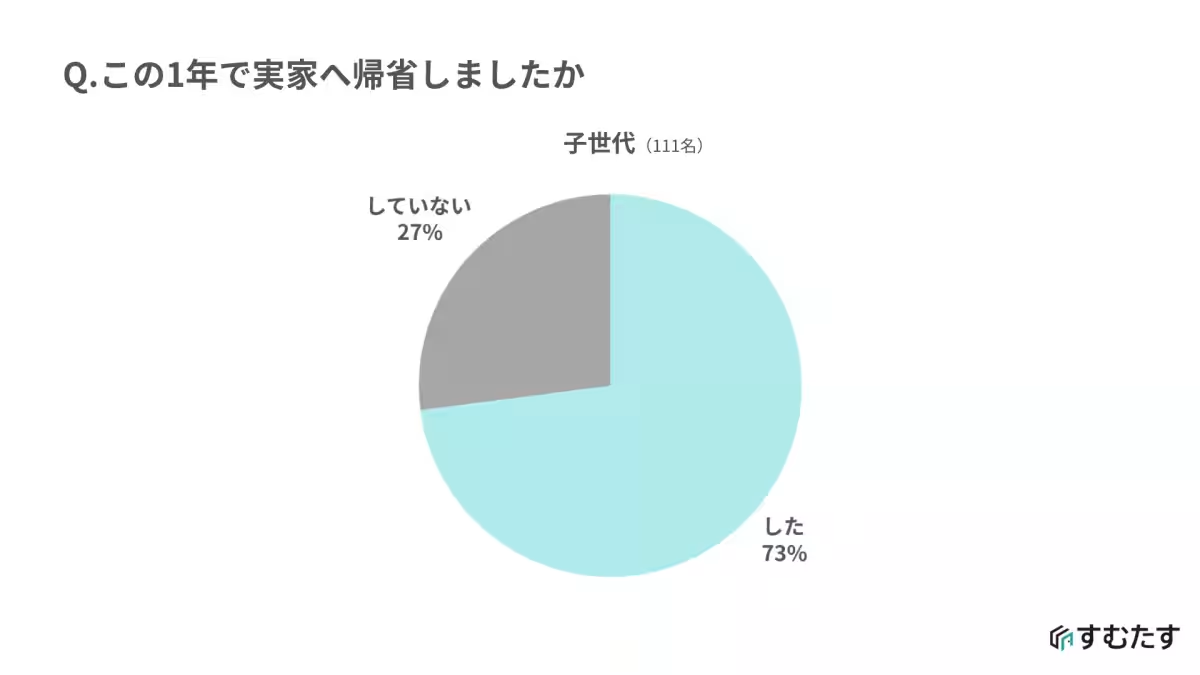
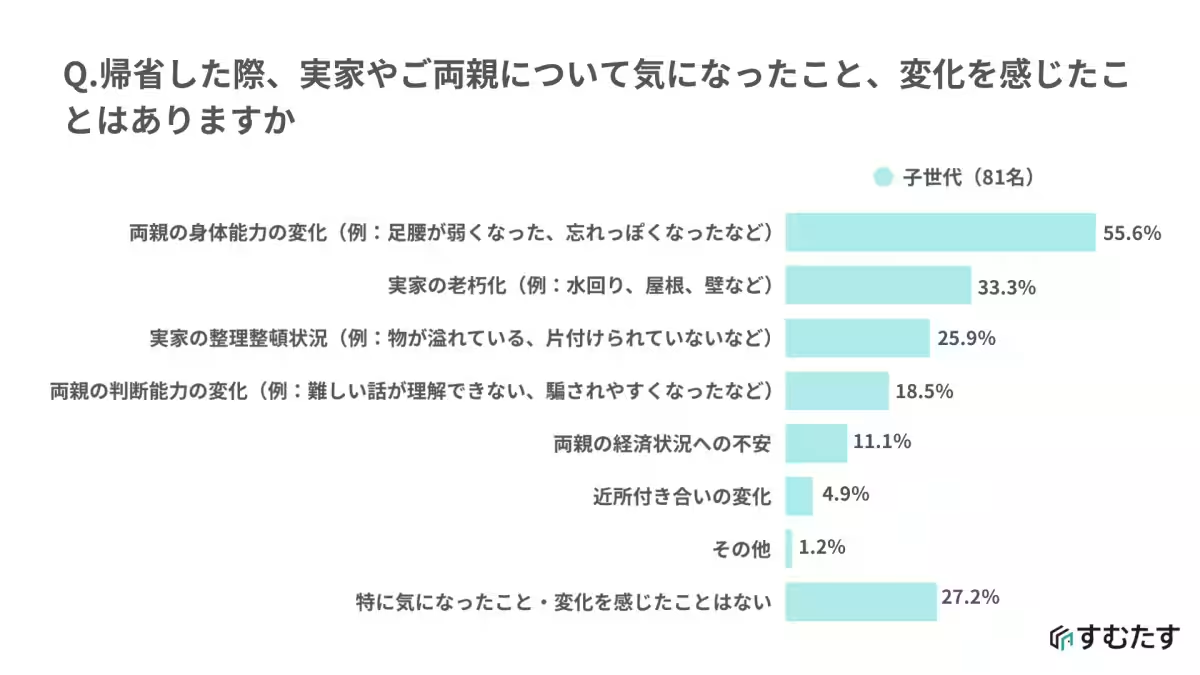
Interestingly, when children returned home, over 30% noticed that aging and deterioration in the family property had occurred. Concerns regarding parents' physical health were also prevalent, indicating that children were more observant of the subtle changes in their parents' capacities and the state of the home than ever before.
Preferred Methods of Disposition
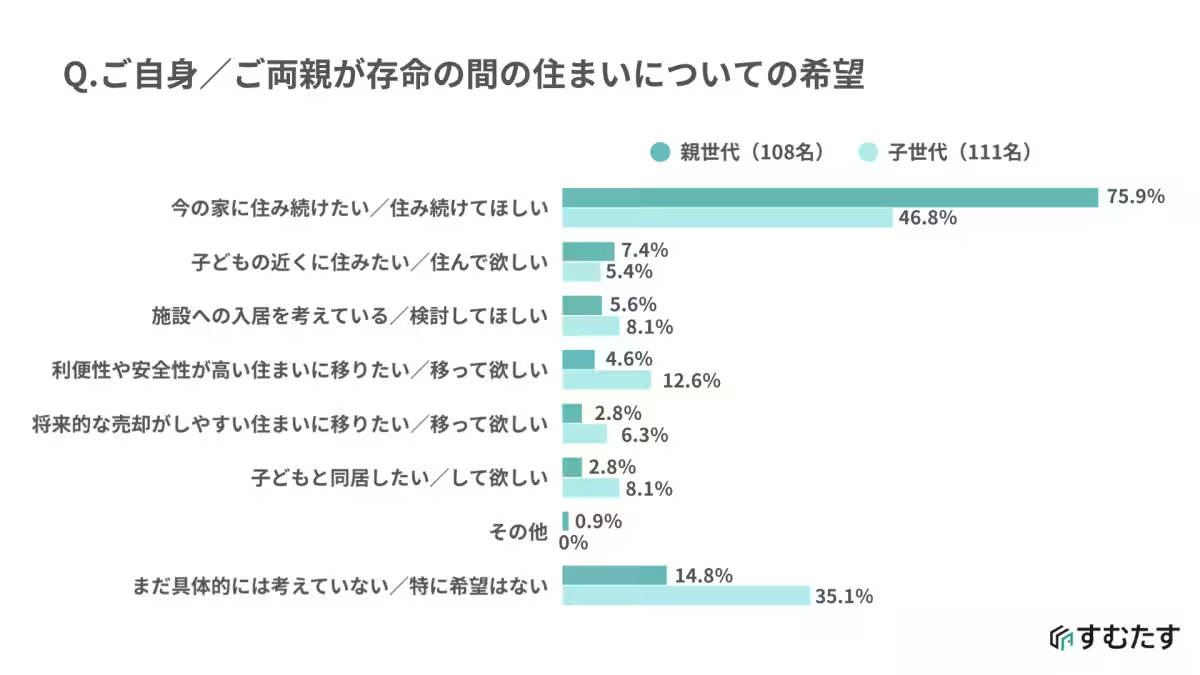
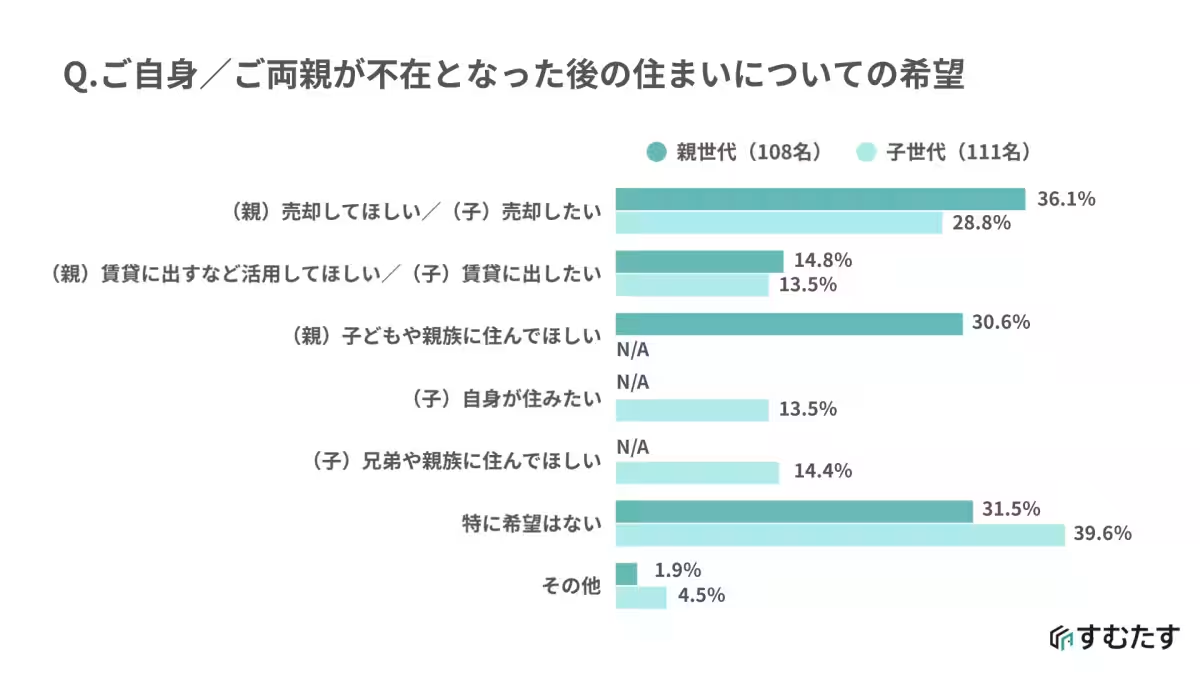
When asked about disposition preferences, both generations overwhelmingly favored selling the family home. Notably, 30.6% of parents expressed a desire for their children or extended family to inherit and live in the home, contrasting with only 13.5% of children who wished to reside there themselves, revealing a divergence in expectations about property management post-inheritance.
Preparation Needs
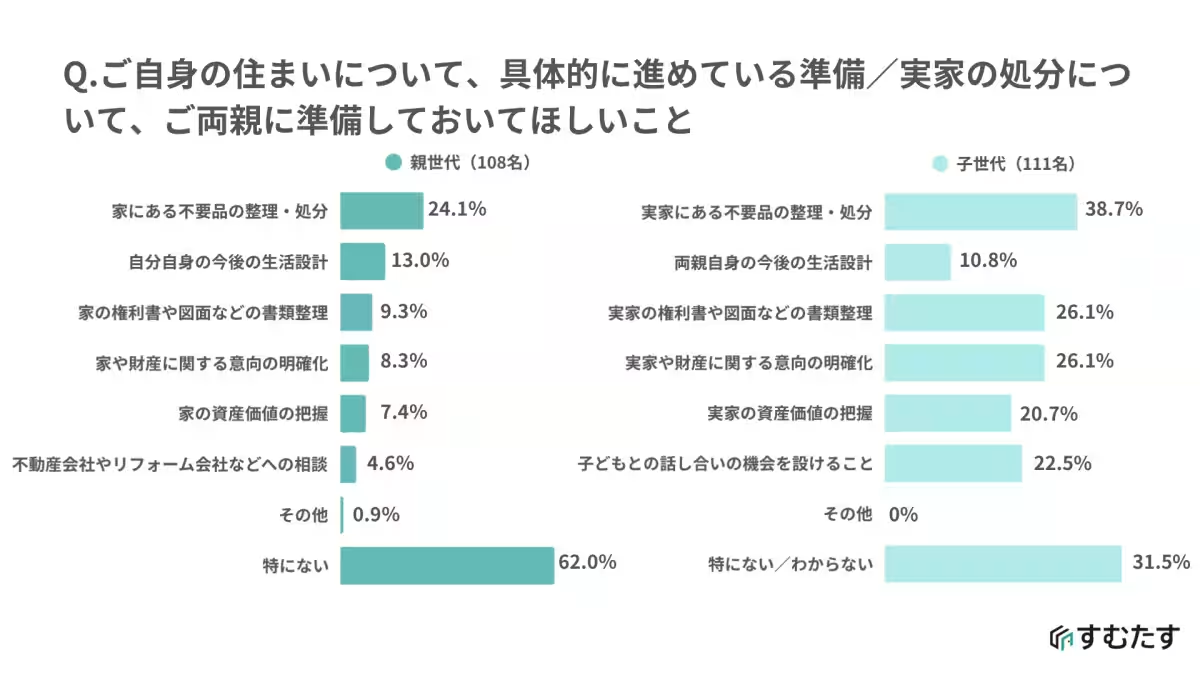
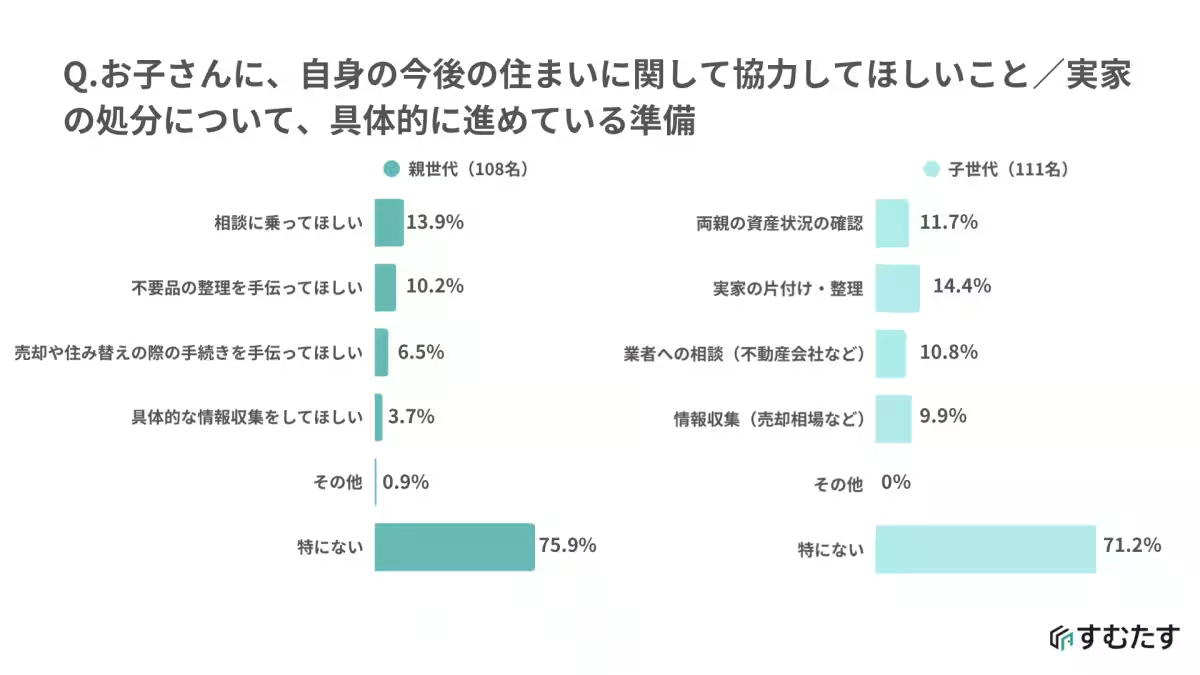
Both parties have shown some willingness to prepare for future home disposition; 38% of parents and 29% of adult children have taken steps towards this preparation. Adult children largely indicated that they would like their parents to sort through and dispose of unnecessary items, while parents wanted their children to offer emotional support and guidance in making these tough decisions.
What Sumutasu Offers
To help alleviate concerns, Sumutasu aims to support families with innovative property solutions. Their service, "Sumutasu Sale," leverages AI technology to assess condominium prices almost instantaneously, enabling owners to obtain cash within two days of selling without the typical hassle associated with real estate transactions. Notably, the entire process can be handled online, making it accessible even to those living remotely from their family homes.
Moreover, for those deliberate on preparing for potential estate transitions, Sumutasu provides a downloadable checklist titled "Checklist for Family Home Disposition," drafted with the collaboration of experienced legal professionals. This guide aims to create a streamlined and transparent process for families navigating what can often be a sensitive topic.
In conclusion, it is vital for families to engage in open dialogues about family homes and inheritance. The findings from this survey by Sumutasu serve as a call to action, encouraging families to prioritize these discussions and to seek appropriate resources to ease the transition into this next phase of their lives.
Topics People & Culture)
【About Using Articles】
You can freely use the title and article content by linking to the page where the article is posted.
※ Images cannot be used.
【About Links】
Links are free to use.