



Voices for Climate Action: Insights from Brazil's COP30 Conference
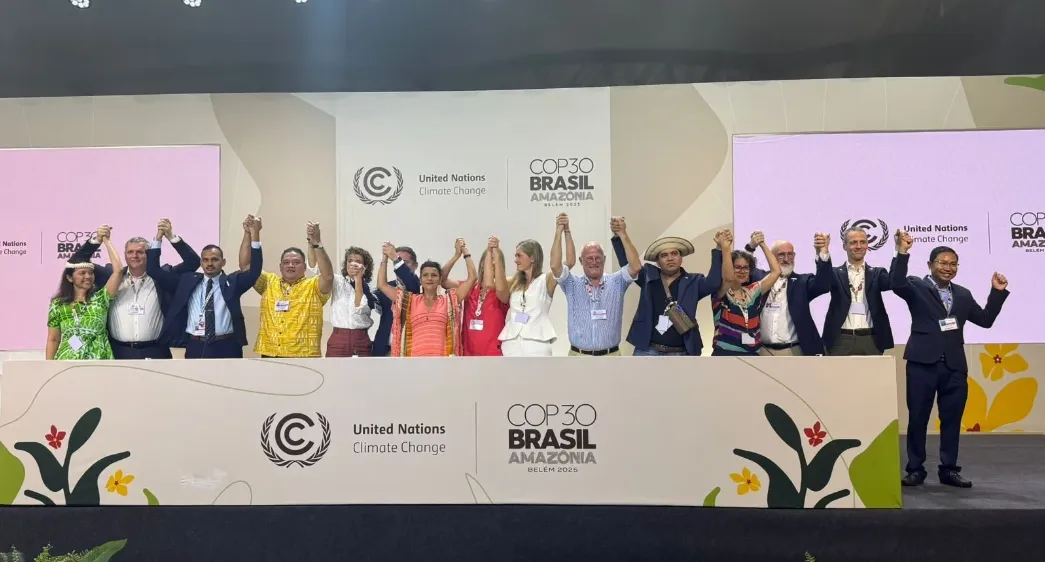
In December 2025, an online event organized by the Pal System Federation shed light on global climate issues, coinciding with the international conference COP30 held in Brazil. This conference brought together representatives from around the world to discuss and formulate strategies for tackling climate change. Two speakers who attended COP30, Daiki Nagata from the environmental NGO FoE Japan and Rina Toyokichi from the Climate Reality Project Japan, shared their perspectives on the conference outcomes and the vital role that individuals can play in addressing the climate crisis.
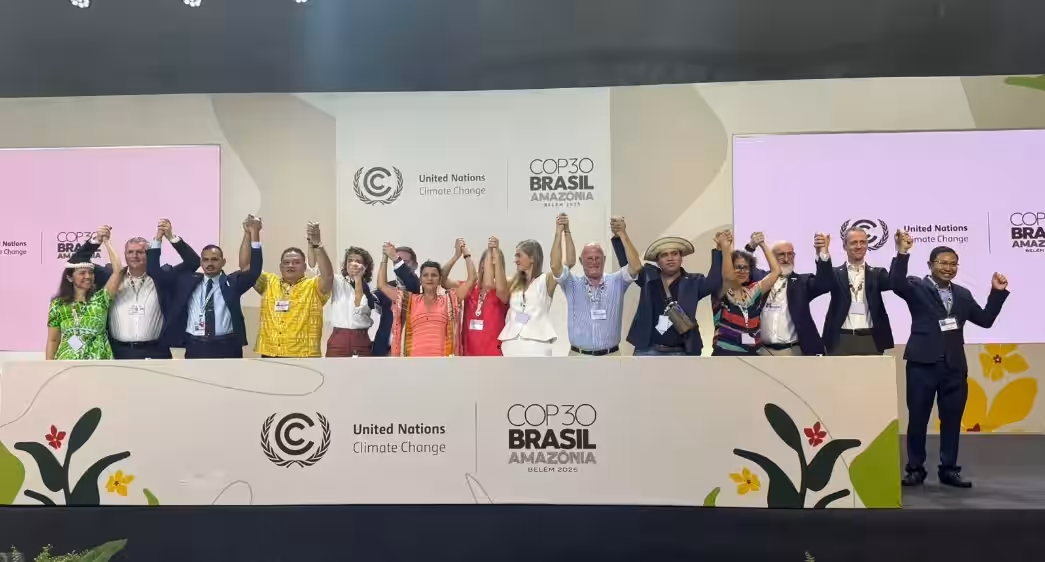
COP30 took place from November 10 to 22, 2025, in Belém, Brazil, serving as a critical decision-making forum under the UN Framework Convention on Climate Change (UNFCCC). This gathering saw participation from around 200 countries and regions, discussing essential international regulations for combating global warming.
The conference resulted in commitments to triple funds for disaster response in developing nations impacted by climate change by 2035 and to accelerate reduction in greenhouse gas emissions. However, the anticipated agreement on phasing out fossil fuels did not materialize, leaving significant challenges ahead.
During the event, Nagata emphasized the urgent progress of global warming recorded since 2000, warning that the risk of extreme weather events continues to rise. He noted that 73% of greenhouse gas emissions stem from fossil fuels like oil, coal, and natural gas. Nagata highlighted the need for advanced countries to commit to financing climate change mitigation and reparations, criticizing domestic businesses that profit from substantial investments in fossil fuels. "The wealthy emit most greenhouse gases, while the poor suffer the most from climate change impacts," he stated, pointing out the moral responsibility of developed nations.
While Brazil and Colombia pushed for a fossil fuel reduction roadmap at COP30, Nagata expressed skepticism about the influence of developing countries on the agreement's specificity. He emphasized the importance of equitable transition—protecting human rights and health by establishing new frameworks to address the socio-economic inequalities exacerbated by fossil fuel dependency. "It's critical to include accurate climate policies and ensure civic participation under each country's accountability," Nagata insisted, stressing the need for commitment moving forward.
As for adaptation measures, indicators for progress were established, but the lack of concrete funding targets left much to be desired. The proposal to increase adaptation funding threefold faced strong opposition from developed countries, casting uncertainty over its viability by 2035. Good news emerged, however, with the creation of a two-year work plan to address public funding shortages within climate initiatives.
Nagata concluded by urging Japan to set ambitious reduction targets, end funding for fossil fuels, and increase investment in renewable energy. He pointed to protests against Japan's support for gas projects as an example, calling for immediate action on climate change. "We must stop supporting endeavors that result in human rights abuses and health detriment."
On the other hand, Toyokichi reported on the critical role of civil society at COP30. Her organization, Climate Reality Project Japan, conducted awareness campaigns worldwide with volunteers trained in climate change action. In their negotiations, they demanded higher targets for greenhouse gas reductions and sustainable funding to protect local ecosystems. At the conference, diverse activities were held, including card distributions to encourage participation in climate action.
Civil society organizations, according to Toyokichi, are vital for monitoring negotiation processes, advocating for government action, and engaging in educational outreach. She noted that Japan received the dubious "Fossil of the Day" award due to its substantial investments in fossil fuel technologies and gas projects.
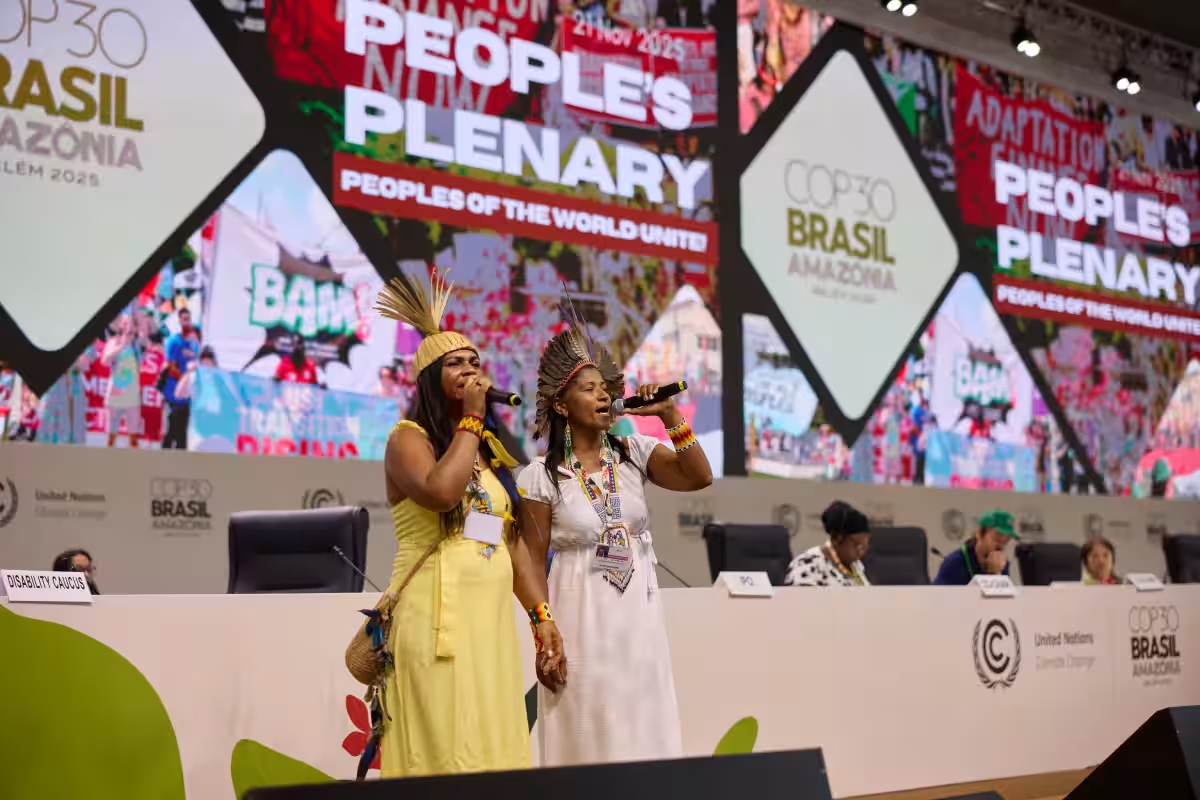
This year's COP30 hosted an unprecedented number of Indigenous communities, marked by a dedicated pavilion and solidarity actions. Indigenous leaders from Brazil, particularly from the Amazon region, vocalized their struggles against oil extraction and deforestation, insisting their rights to participate in the conference despite facing barriers.
Reflecting on the experience, Toyokichi expressed admiration for the Indigenous peoples who transcended language barriers to make their voices heard. She shared the powerful image of participants marching together, united in their commitment to combat climate change.
Describing COP30 as a mixture of advancements and disappointments, Toyokichi emphasized the importance of continuing to raise voices for action in Japan, wishing to inspire others to take their first steps in climate activism. Following their presentations, a video message from the international NGO Peace Boat was screened, highlighting their work with youth affected by climate impacts. Their initiative aims to amplify the voices of those in peril due to climate change through global voyages and collaborative projects with young activists. Peace Boat representatives discussed significant figures in international negotiations who emerged from their program, advocating for investment in youth leadership as a pathway to a sustainable future.
In response to the outcomes of COP30, the Pal System Group reaffirmed its commitment to environmental conservation in 2023, aiming to establish a carbon-free, circular society. With the catchphrase "Thanks Earth! - Actions We Can Take for the Planet," various initiatives are planned to promote clean-up activities and reduce food waste alongside their stakeholders.
Looking ahead, the Pal System Group aspires to create opportunities for collaborative action among generations, striving for a sustainable society.
For more information, visit the Pal System website at: Pal System.
As we approach 2025, the International Year of Cooperatives, let us remember the importance of raising our voices for a sustainable future.




COP30 took place from November 10 to 22, 2025, in Belém, Brazil, serving as a critical decision-making forum under the UN Framework Convention on Climate Change (UNFCCC). This gathering saw participation from around 200 countries and regions, discussing essential international regulations for combating global warming.
The conference resulted in commitments to triple funds for disaster response in developing nations impacted by climate change by 2035 and to accelerate reduction in greenhouse gas emissions. However, the anticipated agreement on phasing out fossil fuels did not materialize, leaving significant challenges ahead.
During the event, Nagata emphasized the urgent progress of global warming recorded since 2000, warning that the risk of extreme weather events continues to rise. He noted that 73% of greenhouse gas emissions stem from fossil fuels like oil, coal, and natural gas. Nagata highlighted the need for advanced countries to commit to financing climate change mitigation and reparations, criticizing domestic businesses that profit from substantial investments in fossil fuels. "The wealthy emit most greenhouse gases, while the poor suffer the most from climate change impacts," he stated, pointing out the moral responsibility of developed nations.
While Brazil and Colombia pushed for a fossil fuel reduction roadmap at COP30, Nagata expressed skepticism about the influence of developing countries on the agreement's specificity. He emphasized the importance of equitable transition—protecting human rights and health by establishing new frameworks to address the socio-economic inequalities exacerbated by fossil fuel dependency. "It's critical to include accurate climate policies and ensure civic participation under each country's accountability," Nagata insisted, stressing the need for commitment moving forward.
As for adaptation measures, indicators for progress were established, but the lack of concrete funding targets left much to be desired. The proposal to increase adaptation funding threefold faced strong opposition from developed countries, casting uncertainty over its viability by 2035. Good news emerged, however, with the creation of a two-year work plan to address public funding shortages within climate initiatives.
Nagata concluded by urging Japan to set ambitious reduction targets, end funding for fossil fuels, and increase investment in renewable energy. He pointed to protests against Japan's support for gas projects as an example, calling for immediate action on climate change. "We must stop supporting endeavors that result in human rights abuses and health detriment."
On the other hand, Toyokichi reported on the critical role of civil society at COP30. Her organization, Climate Reality Project Japan, conducted awareness campaigns worldwide with volunteers trained in climate change action. In their negotiations, they demanded higher targets for greenhouse gas reductions and sustainable funding to protect local ecosystems. At the conference, diverse activities were held, including card distributions to encourage participation in climate action.
Civil society organizations, according to Toyokichi, are vital for monitoring negotiation processes, advocating for government action, and engaging in educational outreach. She noted that Japan received the dubious "Fossil of the Day" award due to its substantial investments in fossil fuel technologies and gas projects.
This year's COP30 hosted an unprecedented number of Indigenous communities, marked by a dedicated pavilion and solidarity actions. Indigenous leaders from Brazil, particularly from the Amazon region, vocalized their struggles against oil extraction and deforestation, insisting their rights to participate in the conference despite facing barriers.
Reflecting on the experience, Toyokichi expressed admiration for the Indigenous peoples who transcended language barriers to make their voices heard. She shared the powerful image of participants marching together, united in their commitment to combat climate change.
Describing COP30 as a mixture of advancements and disappointments, Toyokichi emphasized the importance of continuing to raise voices for action in Japan, wishing to inspire others to take their first steps in climate activism. Following their presentations, a video message from the international NGO Peace Boat was screened, highlighting their work with youth affected by climate impacts. Their initiative aims to amplify the voices of those in peril due to climate change through global voyages and collaborative projects with young activists. Peace Boat representatives discussed significant figures in international negotiations who emerged from their program, advocating for investment in youth leadership as a pathway to a sustainable future.
In response to the outcomes of COP30, the Pal System Group reaffirmed its commitment to environmental conservation in 2023, aiming to establish a carbon-free, circular society. With the catchphrase "Thanks Earth! - Actions We Can Take for the Planet," various initiatives are planned to promote clean-up activities and reduce food waste alongside their stakeholders.
Looking ahead, the Pal System Group aspires to create opportunities for collaborative action among generations, striving for a sustainable society.
For more information, visit the Pal System website at: Pal System.
As we approach 2025, the International Year of Cooperatives, let us remember the importance of raising our voices for a sustainable future.
Topics Policy & Public Interest)

【About Using Articles】
You can freely use the title and article content by linking to the page where the article is posted.
※ Images cannot be used.
【About Links】
Links are free to use.